
Health | Neuroscience
Is Any Caffeine During Pregnancy Dangerous?
New research suggests that caffeine more than once a week during pregnancy changes babies’ brain pathways and leads to later behavioral problems.
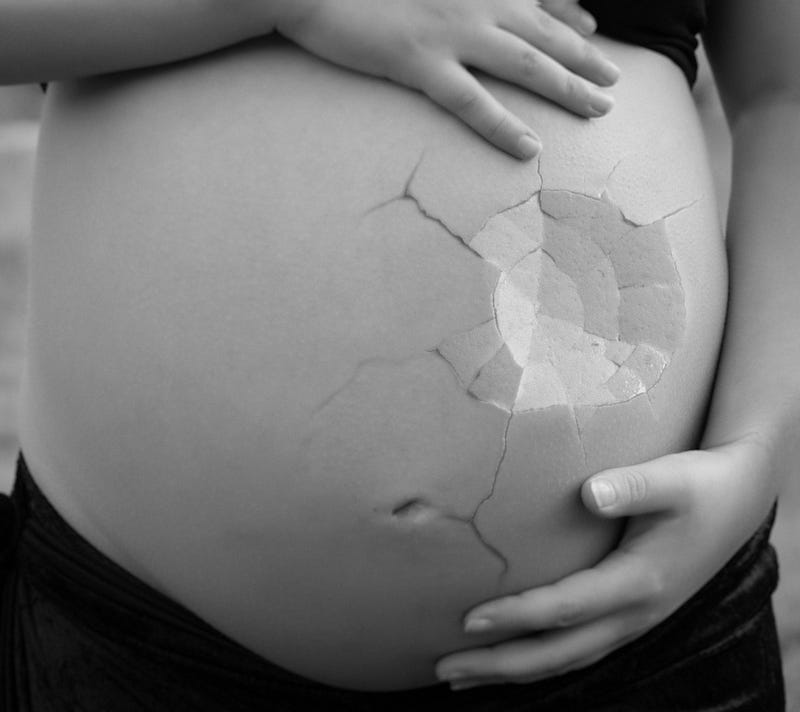
In the latest issue of Neuropharmacology, researchers with the Del Monte Institute for Neuroscience at the University of Rochester Medical Center (URMC) report that caffeine consumed during pregnancy at levels currently considered safe by many medical practitioners can change important brain pathways in babies’ brains and lead to behavioral problems later in life.
URMC is one of the 21-sites collecting data for the Adolescent Brain and Cognitive Development (ABCD®) study, the largest long-term study of brain development and child health. Researchers analyzed MRI brain scans of 9,157 nine and ten-year-old participants in the ABCD® study and found clear differences in how connections between brain regions were organized in children whose mothers consumed caffeine during pregnancy.
Out of the total number of samples, 4,135 mothers reported consuming caffeine more than once a week throughout gestation. In their children, investigators found decreased fractional anisotropy (FA) in certain white matter tracts in the brain. FA is a measure of axonal diameter, fiber density, and myelin structure.

In the gestational caffeine exposure group, decreased FA was observed in the inferior fronto-occipital fasciculus (IFOF) and the corticospinal tract of the left hemisphere. The IFOF is a large white matter tract with functional connectivity associated with semantic language processing and goal-oriented behavior, while the corticospinal tract is primarily involved in controlling movement of the limbs and trunk.
Children exposed to caffeine in utero also exhibited more behavioral issues, attention difficulties, and hyperactivity compared to controls. Although caffeine exposure did not seem to impact cognitive measures (e.g., working memory and task efficiency), it was associated with poorer outcomes on measures of psychopathology (e.g., externalization, internalization, somatization, and neurodevelopment).
The finding that caffeine can have a negative effect on pregnancy is not new. Fetuses do not have the enzyme necessary to breakdown caffeine when it crosses the placenta. Current clinical guidelines suggest limiting caffeine intake during pregnancy to no more than two normal cups of coffee a day.
This new study shows that caffeine at levels below the current clinical guidelines may have a lasting impact on neurodevelopment.
The researchers are quick to point out limitations to their study. First, “It is important to point out this is a retrospective study,” said John Foxe, Ph.D., director of the Del Monte Institute for Neuroscience, and principal investigator of the ABCD® study at URMC. “We are relying on mothers to remember how much caffeine they took in while they were pregnant.”
Second, it is unclear when during gestation these structural changes occur or if the impact of caffeine varies from one trimester to the next.

“These are sort of small effects and it’s not causing horrendous psychiatric conditions, but it is causing minimal but noticeable behavioral issues that should make us consider long-term effects of caffeine intake during pregnancy,” noted Foxe.
Added Foxe, “I suppose the outcome of this study will be a recommendation that any caffeine during pregnancy is probably not such a good idea.”
However, before clinical guidelines can be changed regarding caffeine intake during pregnancy, further research is needed to replicate these findings and to understand the actual amount of caffeine intake that is potentially problematic. There’s a lot of variation between the current clinical guidelines of no more than two normal cups of coffee a day and the cutoff for this study of no more than once a week throughout gestation.