avatarKingsley Asuamah

Free AI web copilot to create summaries, insights and extended knowledge, download it at here

3383

Abstract

natural environment, you’re free from the distractions of modern life. This allows your mind to wander and explore new thoughts and ideas.</p><p id="3650">Let me share a story with you. A few years ago, I was feeling stressed and overwhelmed with work. I decided to take a break and spend a weekend camping in the woods. This was the first time I was doing this.</p><p id="4c0f">I have never been a fan of camping and hiking. This was due to all the bear attacks and wild animal encounter videos I have watched in the past. The thought of snakes alone gives me goosebumps. I still wonder why God created spiders, especially the dangerous ones. You see? A cocktail of these kinds of thoughts made it impossible for me to consider camping a fun activity. I liked the idea of sleeping out in nature, I enjoy watching it on TV, but will I do it? No, thanks!</p><p id="b550">It took my friends more than a month to talk me into coming with them. But, as I sat by the campfire, listening to the sounds of the forest, I felt my stress melting away. It was as if the peace and tranquillity of the forest had opened up a new pathway in my mind. I felt a new type of calmness that I couldn’t really put into words. I loved what I was feeling.</p><p id="b74a"><b><i>Nature is a wellspring of inspiration.</i></b> Many great thinkers and creators have spoken about how nature has inspired their work. From the intricate patterns of a leaf to the grandeur of a mountain range, nature is full of beauty and complexity that can spark our creativity.</p><figure id="f8af"><img src="https://cdn-images-1.readmedium.com/v2/resize:fit:800/1*x-1j68xh1G_rcf7uITkqZg.jpeg"><figcaption><b>A person sitting on a rock overlooking a scenic vista of mountains, forests, and a lake. Image generated by the author using DALL·E 3</b></figcaption></figure><h1 id="a9a6">So how can you harness the power of nature?</h1><p id="a3db">It’s simple. Make time to step outside and immerse yourself in nature. It could be a walk in the park, a hike in the woods, or even a picnic by a lake. The key is to be present and open to the experience.</p><p id="90c1"><b><i>Remember that nature is not just a place to visit. It’s a state of mind.</i></b> When you’re in nature, take the time to really look at the world around you. Notice the colours, listen to the sounds, and take in the refreshing smells. Let your mind wander and see where it takes you.</p><p id="dc9a">So, why exactly does nature hold such power over our well-being and creativity? Here’s the science behind the serenity.</p><ul><li><b>Cortisol Connection:</b> Chronic stress elevates cortisol levels, hindering our ability to focus and think creatively. Studies show that spending time in nature lowers cortisol levels, promoting relaxation and mental clarity.</li><li><b>Attention Restoration Theory:</b> Our digital world bombards us with information overload. Nature provides a refuge, allowing our attention to restore. This mental break frees up cognitive resources, enhancing creativity and problem-solving skills.</li><li><b>The Power of Perspective:</b> Feeling overwhelmed? Nature offers a healthy dose of perspective. Stepping away from the daily grind and immersing yourself in the vastness of nature can help you see challenges from a new angle, sparking fresh ideas.</li><li><b>Boosting Brain Chemicals:</b> Nature exposure triggers the release

Options

of endorphins — our body’s natural feel-good chemicals. These endorphins not only elevate our mood but also enhance cognitive function and creative thinking.</li></ul><p id="03e4">Spending time in nature doesn’t require a grand expedition. A simple walk in the park, a hike in the woods, sitting on the beach or even tending to a garden can reap significant benefits.</p><p id="540f">Here are some tips to maximize your nature therapy.</p><ul><li><b>Disconnect to Reconnect:</b> Leave your phone behind (or silence notifications) and truly immerse yourself in the experience.</li><li><b>Engage Your Senses:</b> Notice the sights, sounds, smells, and textures of nature. Feel the sun on your skin, listen to the birdsong, and breathe in the fresh air.</li><li><b>Be Present:</b> Mindfulness is key. Focus on the moment and appreciate the beauty of nature around you.</li><li><b>Make it a Habit:</b> Schedule regular time for nature walks or outdoor activities. The more time you spend in nature, the greater the benefits you’ll experience.</li></ul><p id="ba28"><b>In conclusion,</b> spending time in nature is not just good for your physical health. It’s also a powerful tool for reducing stress and boosting creativity.</p><p id="e2c5">If you are feeling stressed or stuck in a creative rut, why not step outside and let nature work its magic?</p><figure id="f563"><img src="https://cdn-images-1.readmedium.com/v2/resize:fit:800/1*UcsXw_Ob4P1VYPGlOjfO5w.jpeg"><figcaption><b>Image generated by the author using DALL·E 3</b></figcaption></figure><div id="60ba" class="link-block"> <a href="https://readmedium.com/content-evergreenization-for-writers-7f1c650f3fb9"> <div> <div> <h2>Content Evergreenization for Writers</h2> <div><h3>Strategies for breathing new life into your old writings</h3></div> <div><p>medium.com</p></div> </div> <div> <div style="background-image: url(https://miro.readmedium.com/v2/resize:fit:320/1*5RrIMM43ezLVpy1TGgu3_Q.jpeg)"></div> </div> </div> </a> </div><div id="ebeb" class="link-block"> <a href="https://readmedium.com/food-and-mood-how-food-affects-your-moods-b19da3ed2fe0"> <div> <div> <h2>Food and Mood: How Food Affects Your Moods</h2> <div><h3>What and how you eat = What and how you feel</h3></div> <div><p>medium.com</p></div> </div> <div> <div style="background-image: url(https://miro.readmedium.com/v2/resize:fit:320/1*6HqQ8lSWXeSAHjtbJAPZHQ.jpeg)"></div> </div> </div> </a> </div><div id="e8c7" class="link-block"> <a href="https://readmedium.com/difference-between-anxiety-and-stress-a511f8fce497"> <div> <div> <h2>Difference Between Anxiety And Stress</h2> <div><h3>Understanding the two sides of the Coin.</h3></div> <div><p>medium.com</p></div> </div> <div> <div style="background-image: url(https://miro.readmedium.com/v2/resize:fit:320/1*6UCxuhTKitHwENWH5NWfLA.jpeg)"></div> </div> </div> </a> </div></article></body>

Life From Different Perspectives

Part 5 of 20: Spending time in nature reduces stress and boosts creativity
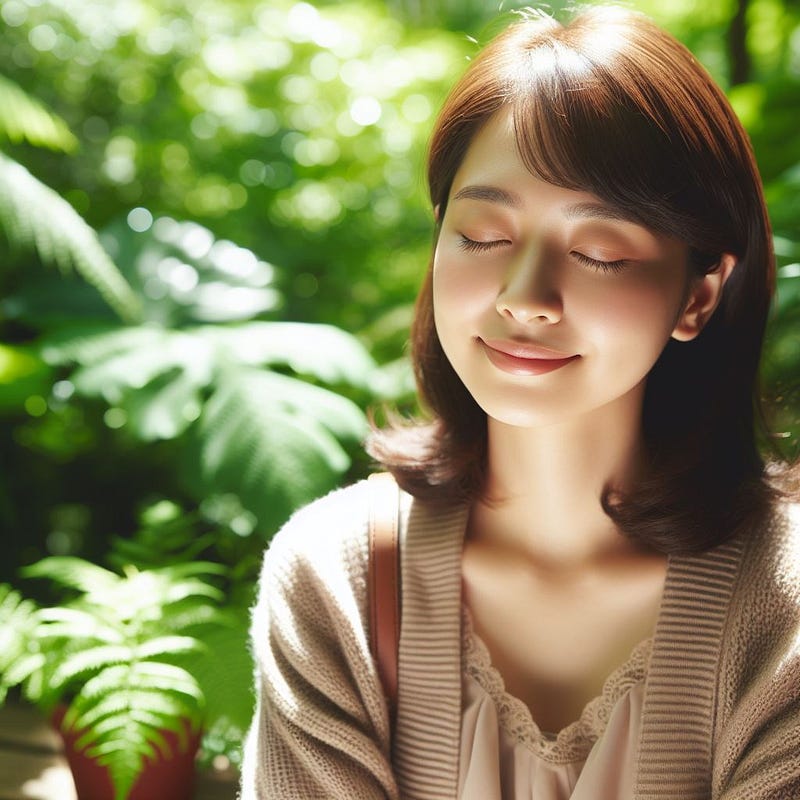
A person surrounded by lush greenery and has a relaxed expression, highlighting the calming and restorative effects of spending time in nature. Image generated by the author using DALL·E 3

This article is part of a series of articles written from the perspective of two very different minds.

My name is Kingsley Asuamah. I am a 36-year-old Nigerian living in Ireland. I am writing about the 20 self-improvement facts in this article:

Chris Compton is a 59-year-old American living in Atlanta, GA. He has written about the same topics.

You can follow along by clicking the link below and see how two strangers, separated by age, geography, and circumstance, view the world and the opportunity to develop as human beings.

Spending Time in Nature Reduces Stress and Boosts Creativity

There’s something magical about nature. The moment you step into a lush forest or sit by a gurgling stream, you can feel a sense of peace washing over you. But did you know that spending time in nature can also reduce stress and boost creativity?

Nature is a powerful stress-buster! When you’re surrounded by greenery, your body responds by lowering its cortisol levels. Cortisol is often referred to as the ‘stress hormone’ because it’s released during times of stress and anxiety. By reducing cortisol levels, nature helps to alleviate stress and promote a sense of calm.

That’s not all. Immersing yourself in nature can also spark new ideas and boost creativity. When you’re in a natural environment, you’re free from the distractions of modern life. This allows your mind to wander and explore new thoughts and ideas.

Let me share a story with you. A few years ago, I was feeling stressed and overwhelmed with work. I decided to take a break and spend a weekend camping in the woods. This was the first time I was doing this.

I have never been a fan of camping and hiking. This was due to all the bear attacks and wild animal encounter videos I have watched in the past. The thought of snakes alone gives me goosebumps. I still wonder why God created spiders, especially the dangerous ones. You see? A cocktail of these kinds of thoughts made it impossible for me to consider camping a fun activity. I liked the idea of sleeping out in nature, I enjoy watching it on TV, but will I do it? No, thanks!

It took my friends more than a month to talk me into coming with them. But, as I sat by the campfire, listening to the sounds of the forest, I felt my stress melting away. It was as if the peace and tranquillity of the forest had opened up a new pathway in my mind. I felt a new type of calmness that I couldn’t really put into words. I loved what I was feeling.

Nature is a wellspring of inspiration. Many great thinkers and creators have spoken about how nature has inspired their work. From the intricate patterns of a leaf to the grandeur of a mountain range, nature is full of beauty and complexity that can spark our creativity.
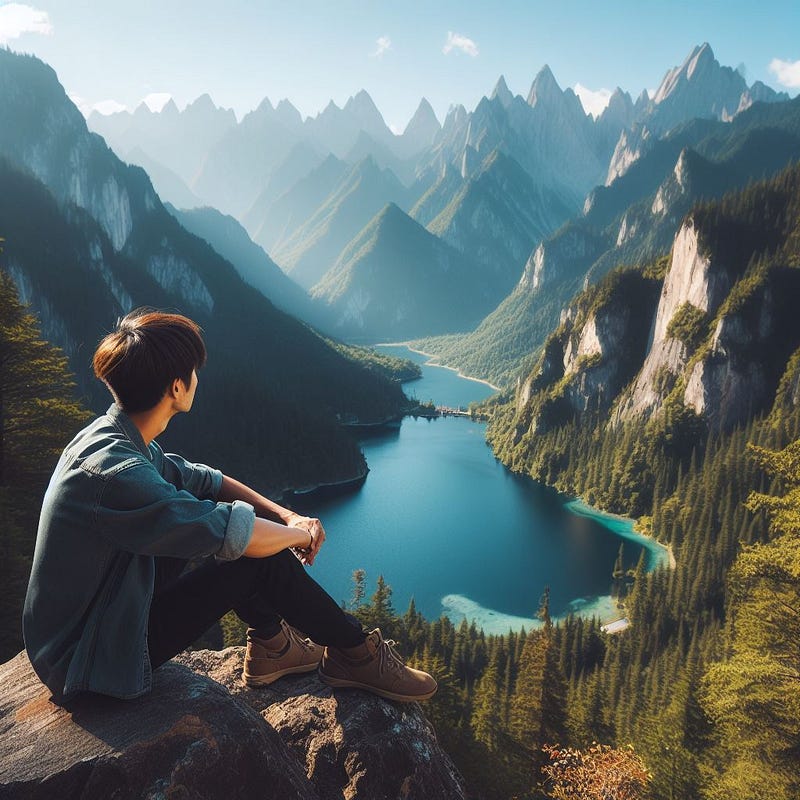
A person sitting on a rock overlooking a scenic vista of mountains, forests, and a lake. Image generated by the author using DALL·E 3

So how can you harness the power of nature?

It’s simple. Make time to step outside and immerse yourself in nature. It could be a walk in the park, a hike in the woods, or even a picnic by a lake. The key is to be present and open to the experience.

Remember that nature is not just a place to visit. It’s a state of mind. When you’re in nature, take the time to really look at the world around you. Notice the colours, listen to the sounds, and take in the refreshing smells. Let your mind wander and see where it takes you.

So, why exactly does nature hold such power over our well-being and creativity? Here’s the science behind the serenity.

  • Cortisol Connection: Chronic stress elevates cortisol levels, hindering our ability to focus and think creatively. Studies show that spending time in nature lowers cortisol levels, promoting relaxation and mental clarity.
  • Attention Restoration Theory: Our digital world bombards us with information overload. Nature provides a refuge, allowing our attention to restore. This mental break frees up cognitive resources, enhancing creativity and problem-solving skills.
  • The Power of Perspective: Feeling overwhelmed? Nature offers a healthy dose of perspective. Stepping away from the daily grind and immersing yourself in the vastness of nature can help you see challenges from a new angle, sparking fresh ideas.
  • Boosting Brain Chemicals: Nature exposure triggers the release of endorphins — our body’s natural feel-good chemicals. These endorphins not only elevate our mood but also enhance cognitive function and creative thinking.

Spending time in nature doesn’t require a grand expedition. A simple walk in the park, a hike in the woods, sitting on the beach or even tending to a garden can reap significant benefits.

Here are some tips to maximize your nature therapy.

  • Disconnect to Reconnect: Leave your phone behind (or silence notifications) and truly immerse yourself in the experience.
  • Engage Your Senses: Notice the sights, sounds, smells, and textures of nature. Feel the sun on your skin, listen to the birdsong, and breathe in the fresh air.
  • Be Present: Mindfulness is key. Focus on the moment and appreciate the beauty of nature around you.
  • Make it a Habit: Schedule regular time for nature walks or outdoor activities. The more time you spend in nature, the greater the benefits you’ll experience.

In conclusion, spending time in nature is not just good for your physical health. It’s also a powerful tool for reducing stress and boosting creativity.

If you are feeling stressed or stuck in a creative rut, why not step outside and let nature work its magic?
Image generated by the author using DALL·E 3
Self Improvement
Mental Health
Health
Mindfulness
Life
Recommended from ReadMedium