
Food and Mood: How Food Affects Your Moods
What and how you eat = What and how you feel

Have you ever noticed how certain foods can make you feel sleepy, while others seem to give you a burst of energy? That’s not a coincidence. The food we eat can have a significant impact on our moods.
Let’s start with a personal story. I remember a day when I was feeling particularly down. It was a gloomy day, and I was stuck at home with a cold. I decided to treat myself to a bowl of my favourite ice cream. As I took the first bite, I felt a wave of happiness wash over me. It was as if the ice cream had magically lifted my spirits.
That’s the power of food.
Our brain is a complex organ that relies on a steady supply of nutrients to function properly. When we eat, our body breaks down the food into various nutrients, which are then used by our brain to produce chemicals that regulate our mood.
For example, carbohydrates increase the production of serotonin, a chemical that helps regulate mood and induce feelings of calm and relaxation. On the other hand, protein-rich foods promote the production of dopamine and norepinephrine, chemicals that promote alertness and concentration.
But it’s not just about what we eat. It’s also about when and how we eat.
Skipping meals can lead to low blood sugar, which can cause mood swings and fatigue. On the other hand, eating too much can make us feel sluggish and lethargic.
So, what can we do to ensure our food is helping, not hindering, our mood?
First, try to maintain a balanced diet. Include a mix of carbohydrates, proteins, and fats in your meals. Avoid foods high in sugar, as they can lead to a spike in blood sugar followed by a crash, which can affect your mood.
Second, don’t skip meals. Try to eat at regular intervals to maintain stable blood sugar levels.
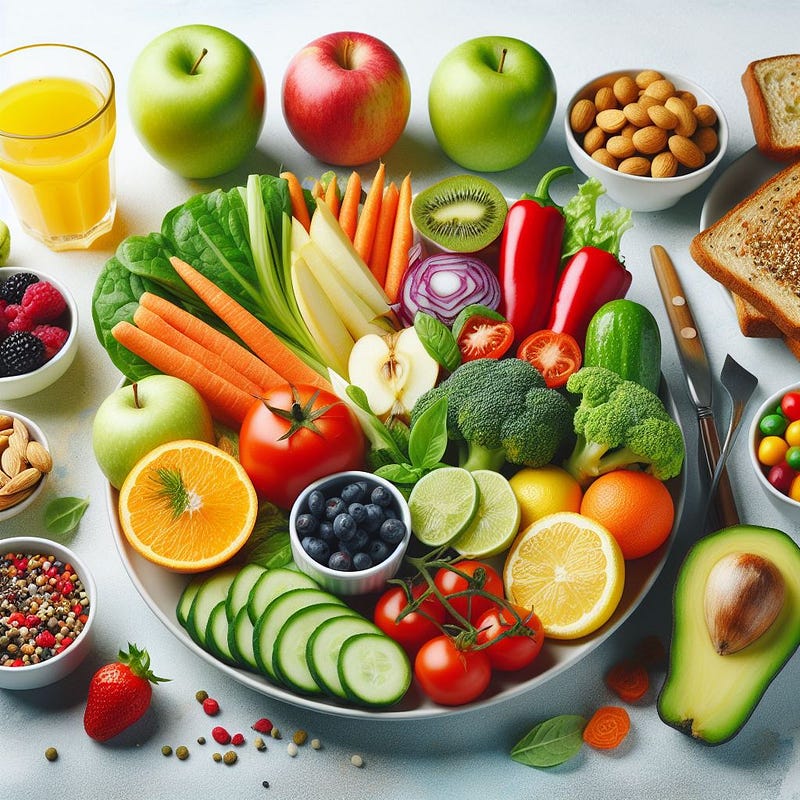
So, how exactly does food influence our moods? Here’s the science behind the delicious connection:
- The Blood Sugar Roller-coaster: Refined carbohydrates and sugary treats cause blood sugar spikes followed by crashes. This fluctuation disrupts the production of mood-regulating neurotransmitters like serotonin, leading to irritability, fatigue, and cravings for more sugar. Opting for complex carbohydrates, fruits with a low glycemic index, and lean protein can help maintain stable blood sugar levels and keep your mood balanced.
- The Power of Gut Health: Our gut microbiome, the trillions of bacteria residing in our digestive system, plays a crucial role in not only digestion but also in mood regulation. Certain gut bacteria produce neurotransmitters like dopamine, which influences feelings of pleasure and reward. Consuming a diet rich in prebiotics (think fibre-rich fruits and vegetables) and probiotics (fermented foods like yoghurt and kombucha) can help nurture a healthy gut microbiome, potentially leading to improved mood and reduced anxiety.
- Omega-3s: The Brain’s Best Friend: These essential fatty acids, found in fatty fish, walnuts, and flaxseeds, are crucial for brain function and neurotransmitter production. Studies have shown that a diet rich in omega-3s can be beneficial for reducing symptoms of depression and anxiety.
- Don’t Forget Hydration: Dehydration can lead to headaches, fatigue, and difficulty concentrating. Aiming for eight glasses of water a day keeps your body and brain functioning optimally, promoting stable moods and improved cognitive function.
Finally, listen to your body. If you notice that certain foods make you feel a certain way, take note. You might find that adjusting your diet can help improve your mood.
Food is more than just fuel for our bodies. It’s a powerful tool that can help us regulate our moods and feel our best. The food you eat can have a big impact on your mood. Choose wisely.


