
GLOBETROTTERS MONTHLY CHALLENGE
Less Exotic but Just As Spectacular Wildlife
Wild animals living in my home country
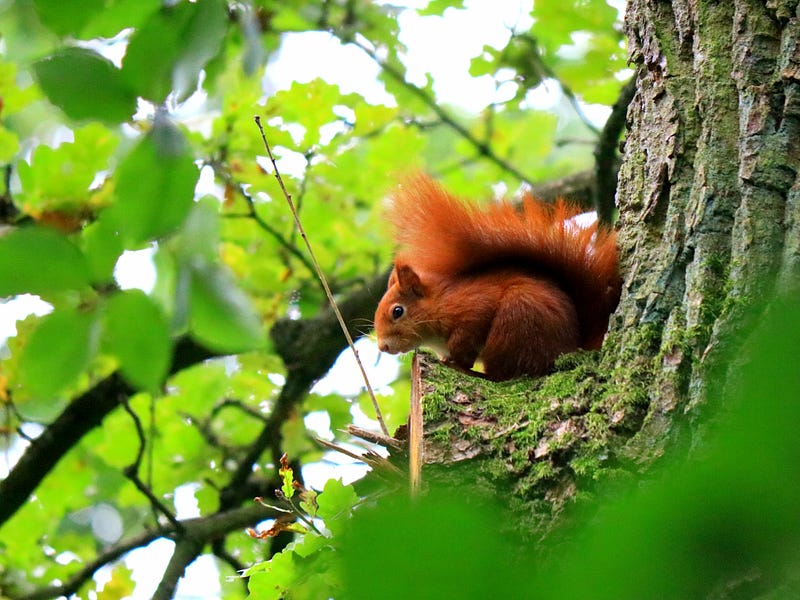
While I always think of all the animals I’ve seen in Africa when using the word 'wildlife’, there are plenty of creatures worth mentioning in my home country.
Upon day trips and short excursions throughout Germany, I do see wildlife on a regular basis. They might not be available in abundance but we have them. There is even a pack of wolves roaming the forests in my region.
Insects
Since I love nothing more than going for walks and hikes wherever I live, I often find myself somewhere in the German countryside walking across meadows and through forests.
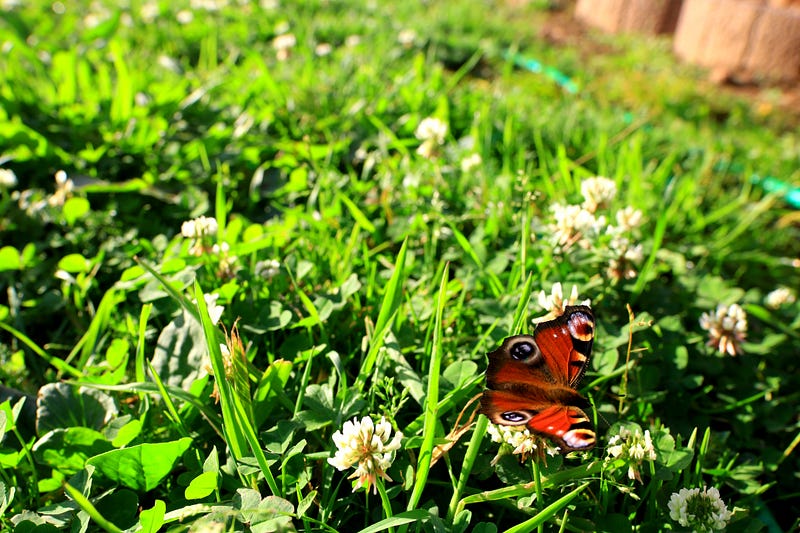
Especially on sunny days, I will be wandering down a trail watching butterflies dancing all around me. Flying from one flower to the next one, they keep themselves occupied pollinating our plants.
Snails
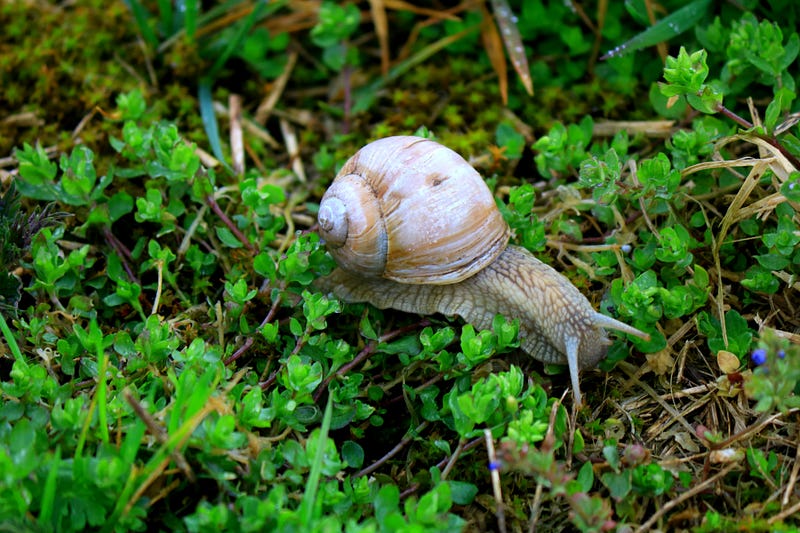
While they might not be everyone's favorite, slugs and snails are my companions when I once again decide to venture out in the rain. Exploring nature when everything is wet can be quite exhilarating too.
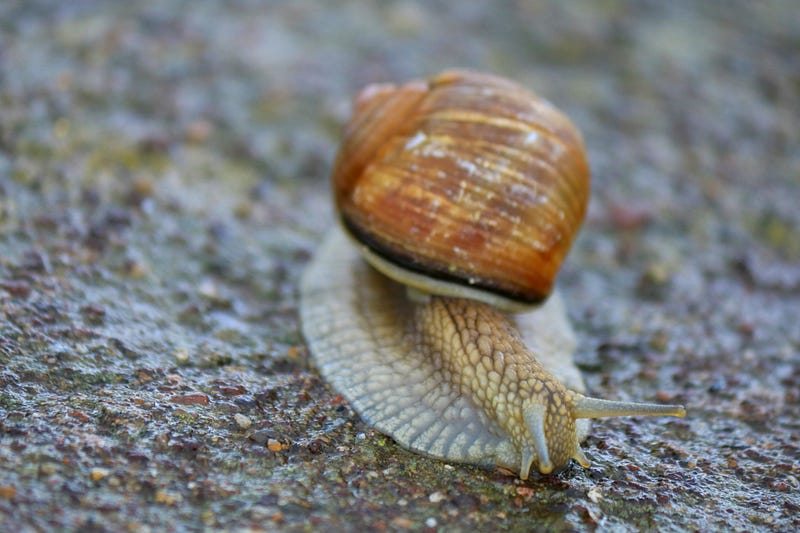
While I'm not too fond of slimy slugs, snails or 'slugs with a house', as we call them in German don't just make me smile but force me to stop, watch them, take photographs and pick them up from roads and busy trails.
Snails do remind me of my childhood when my sister and I would go out in the garden after the rain, pick up all the snails we could find and place them onto our terrace for a 'snail race'.
Birds
While I don't see myself as a bird watcher and think these days I startle more birds than I manage to spot in peace and silence, I have captured a selection of birds over the years in my home country.
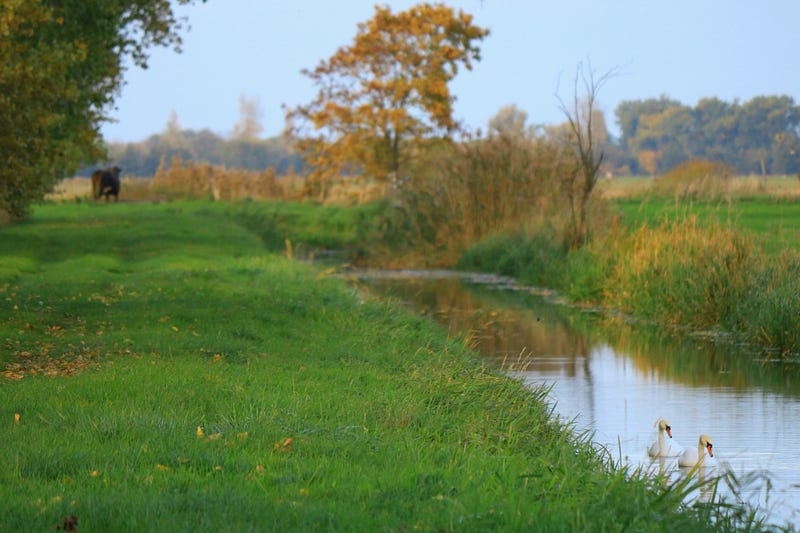
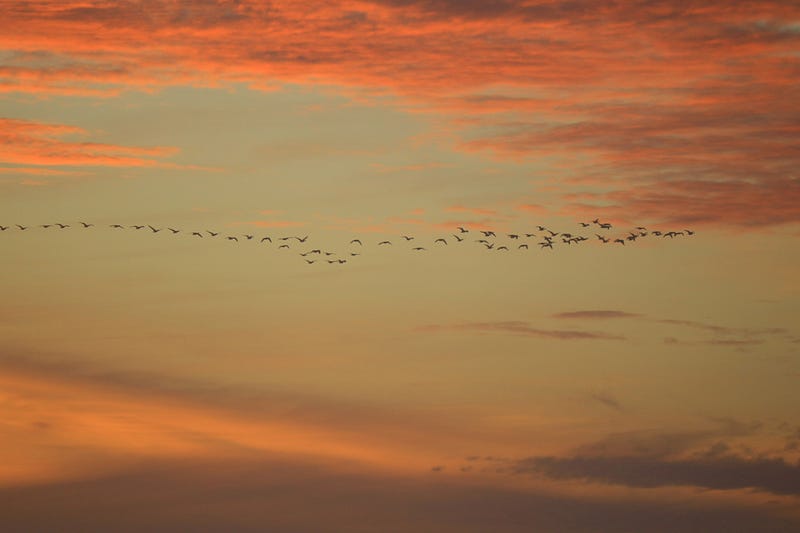
Below is a picture of a couple I spotted in a protected area. The two swans were unimpressed by the hundreds of geese and cranes migrating above their heads. They didn't mind the crowds of people either. They just swam on the small river going about their business.
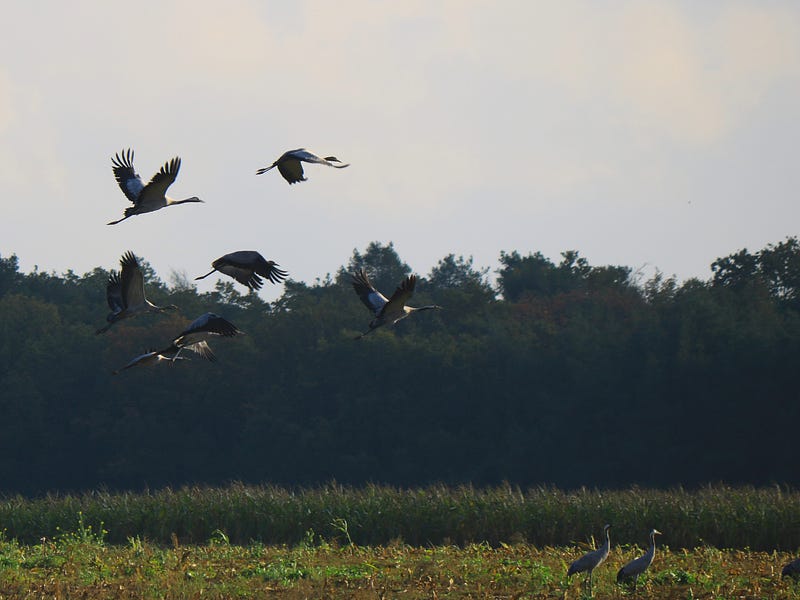
Talking about the cranes. Watching them gather in flocks of thousands last fall in northern Germany was by far the largest bird migration I ever witnessed.
They surrounded us for weeks, feeding on the harvested fields and flying above our heads every morning and evening. Until one morning, they got together and flew into the rising sun.
Squirrels
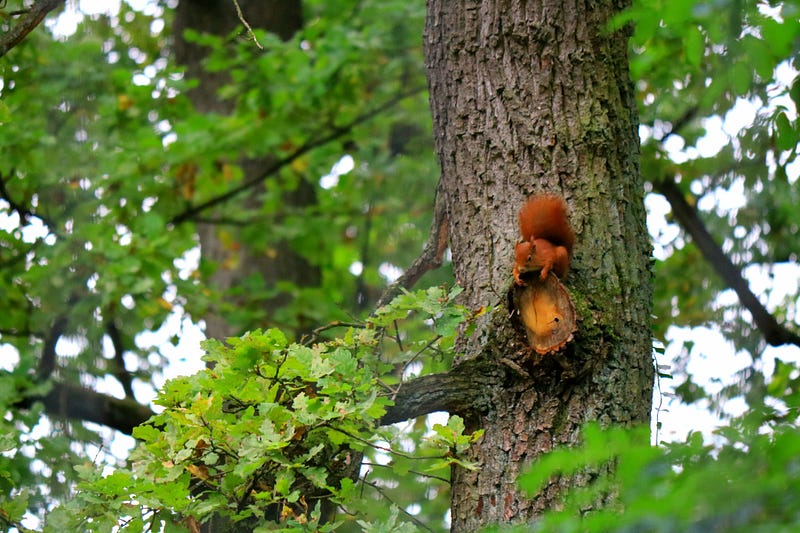
It is one of my favorite animals to see in our woods and just recently I saw a squirrel while walking with a friend through the forest near her home. That little fella didn't carry one but two walnuts in his mouth.
The (Eastern) gray squirrel coming from northern America is a threat to our red squirrels as they are bigger and more adaptive but nature conservation has managed to keep the native one from going extinct.
And against the common belief that every squirrel that isn't picture-perfect red is an intruder is wrong. Even the (Eurasian) red squirrel can have a brown or black fur.
Wild boar
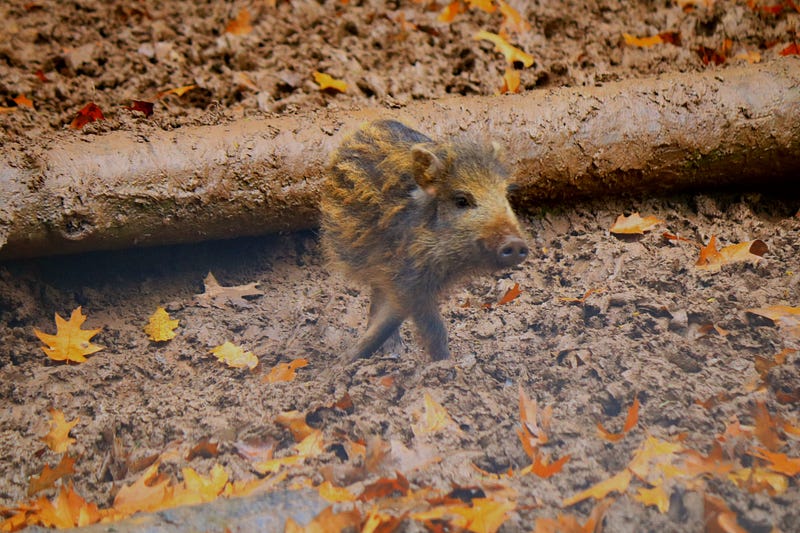
We have many wild boar in Germany and in some areas and cities like Berlin, they are a pest but these wild pigs are part of our native wildlife scene.
Wild boar are known to be shy avoiding being seen in our forests and surrounding fields but I have encountered them more than once in the past few years.
One time I was cycling up a hill in the forest on my way to work when a sounder of wild boar was running across the trail I was on. I was too busy catching my breath on the steep uphill to get scared or stressed but such a family with young ones can be quite dangerous.
Deer
I have rarely seen as many deer in one year as I did this spring and often didn't even need to leave my home for the game viewing.
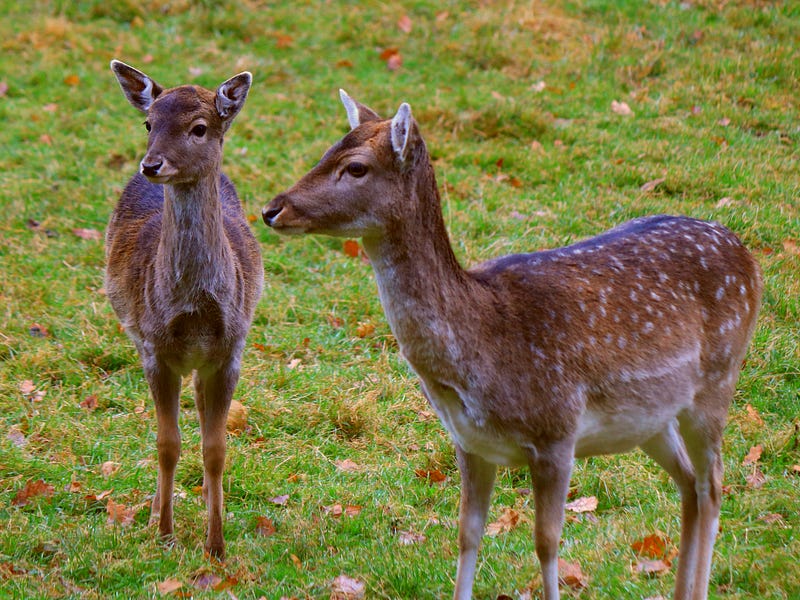
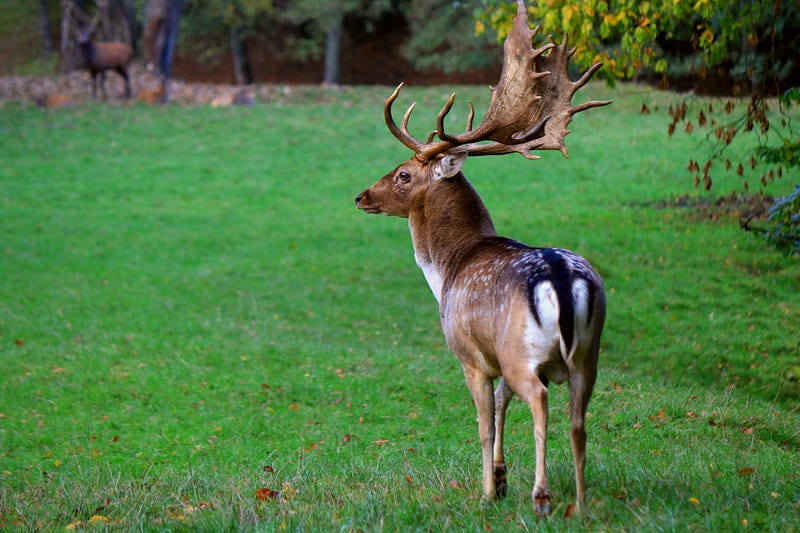
We have the roe deer, sika, fallow and the red deer which is one of the largest deer species. The roe deer is wildly spread across Germany and its neighboring countries inhabiting almost every forested area and can often be seen from highways grazing next to the woodlands.
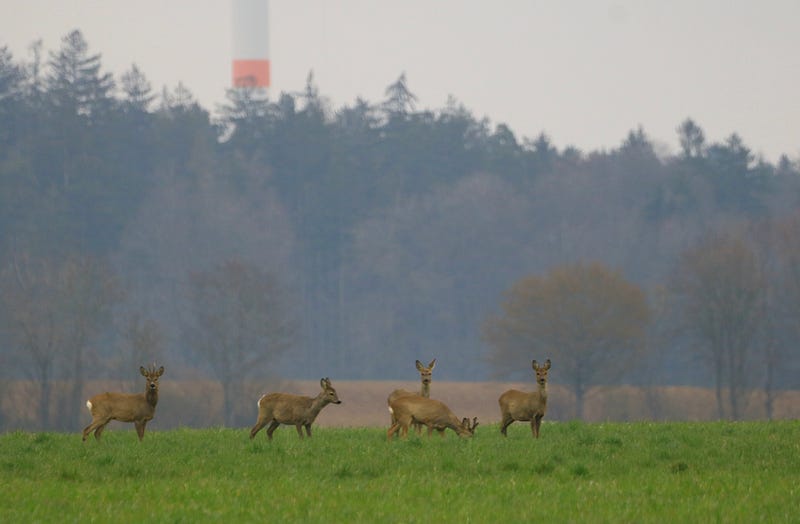
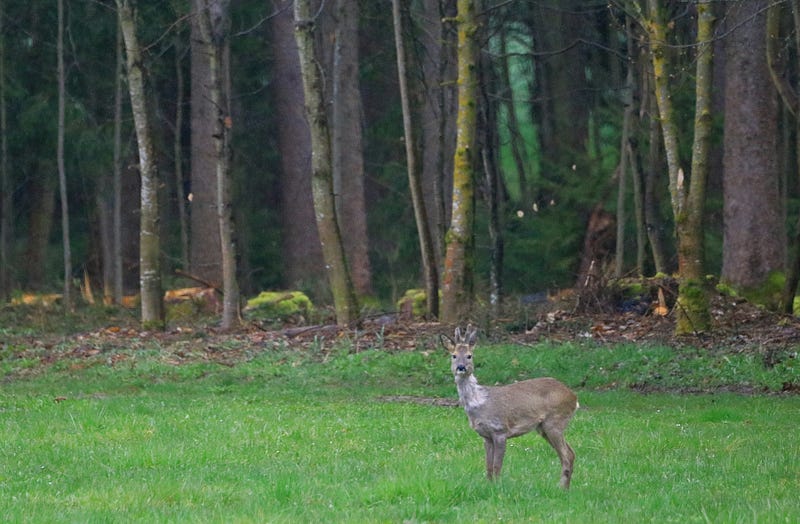
While the roe deer is called 'Reh' in German, all other three deer species are named 'Hirsch'. Easily recognized are the males with the large antlers. There are still some of them to be found in the wild but certainly not as many as the roe deer.
If you want to see the red or fallow deer, you should go visit one of many nature parks or wildlife sanctuaries like the one in Central Germany where I watched and listened to them during mating season.
Marmots
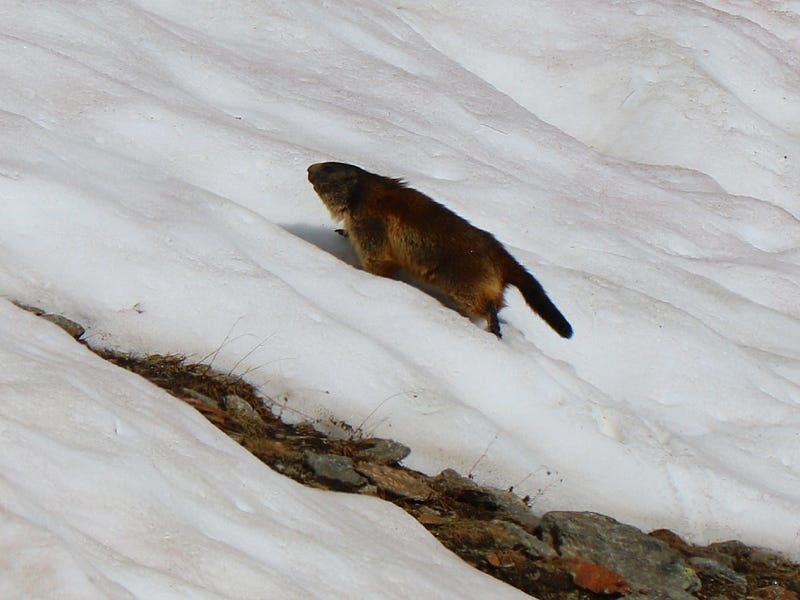
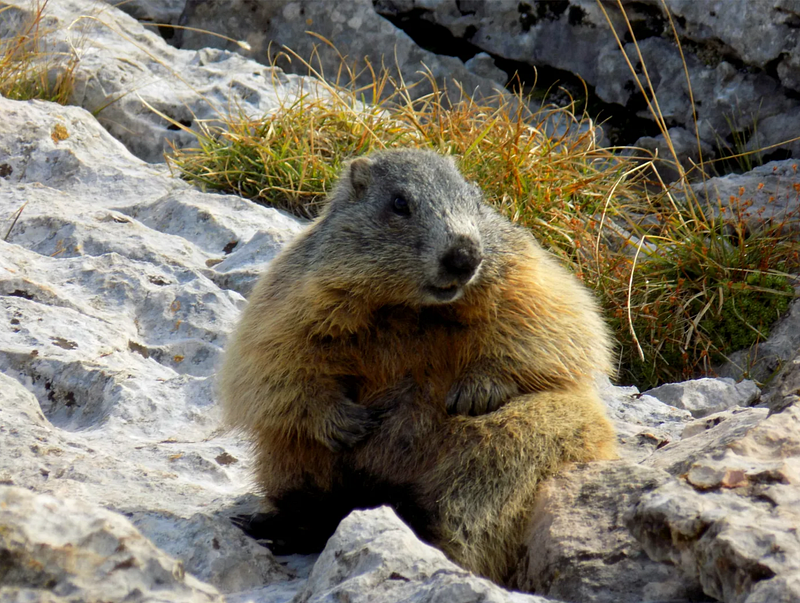
While these rodents are seen as a pest in many parts of the world and even some areas in the Alps already, I still love spotting them when hiking in the mountains.
Alpine marmots will eat all summer long to have enough fat stored in their bodies to survive the winter.
Chamois
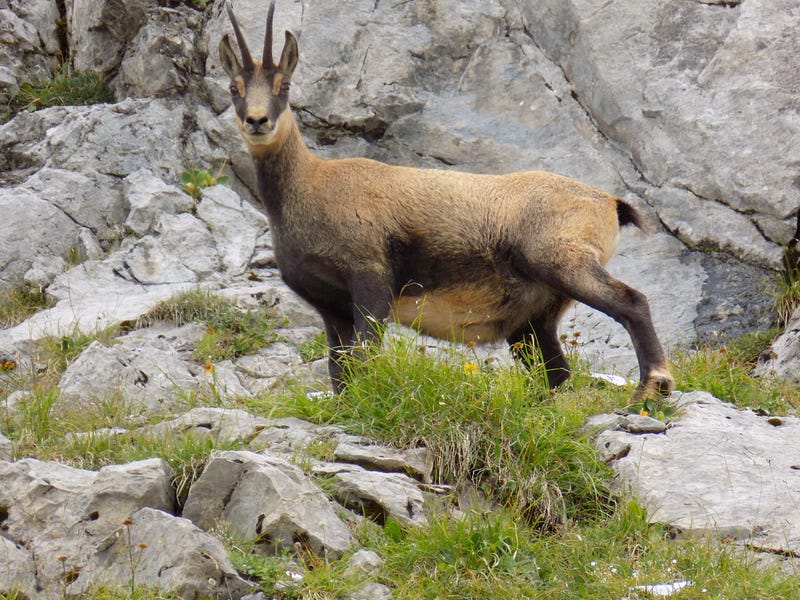
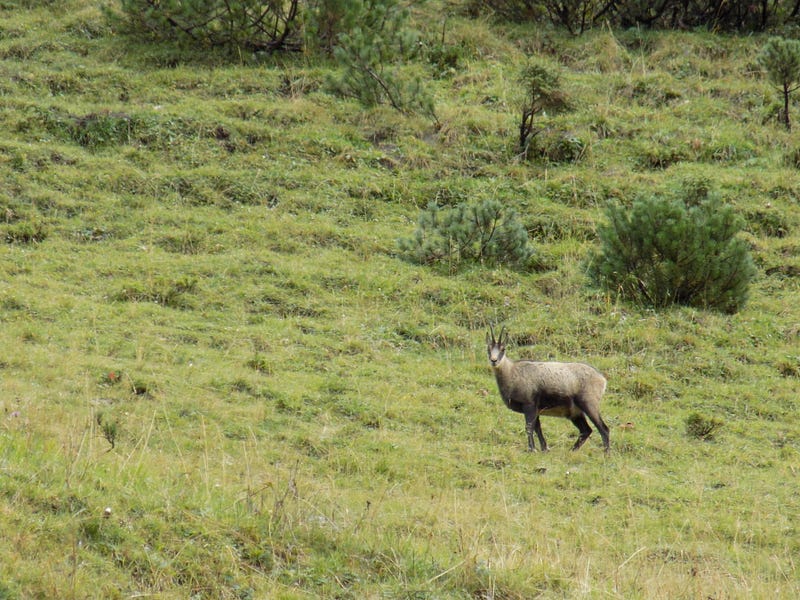
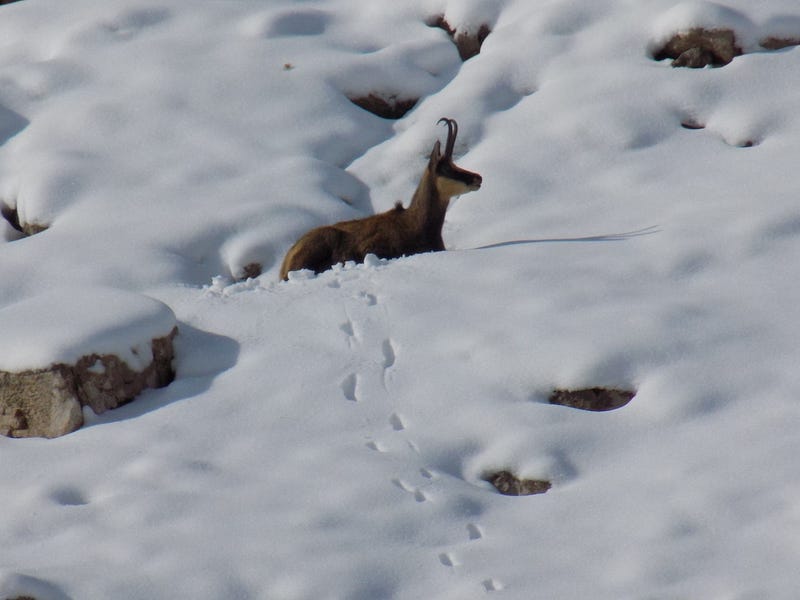
Another hoofed animal to be found in the Alps in southern Germany is the goat-antelope known as chamois.
For me, it is always a highlight spotting them in the mountains as they often climb across rocky cliffs and wander on the steepest slopes. They can be seen in pairs but often move around in larger groups.
On one of the hikes this year, I watched baby chamois play in a snowfield on a scree field. They were a bit far from us but I could see them jumping around.
Conclusion
While we often have the urge to travel far and see exotic species, wildlife can be found in our home countries too. We just have to go out and explore those wild habitats they call home.
But disregarding if abroad as a tourist or at home as a hiker, whenever spotting wild animals please be respectful, keep a safe distance and do not attempt to pet any of them.
This is a writing prompt response to Globetrotter’s monthly challenge. You still have one more day to submit your own prompt submission:
September Monthly Challenge — Wildlife
What animals have you encountered on your travels?
medium.com
Read here about my fellow editors Jillian Amatt and Adrienne Beaumont and the wildlife they found in their respective home countries:
Join my email list here if you would like to read more photo essays.
Shutterstock | Instagram | YouTube | Mailchimp | Amazon | Redbubble


