
NATURE. BIRD WATCHING.
The Evening of the Cranes
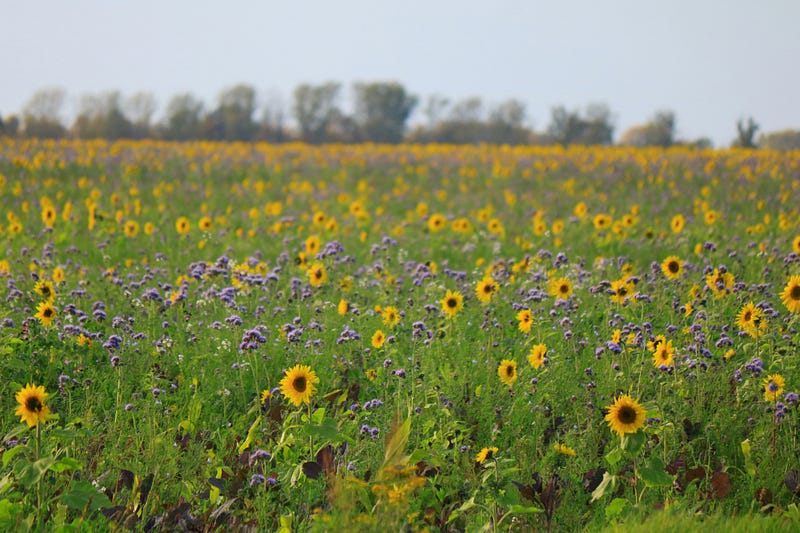
Birds, sunflowers, and the lovely evening sun
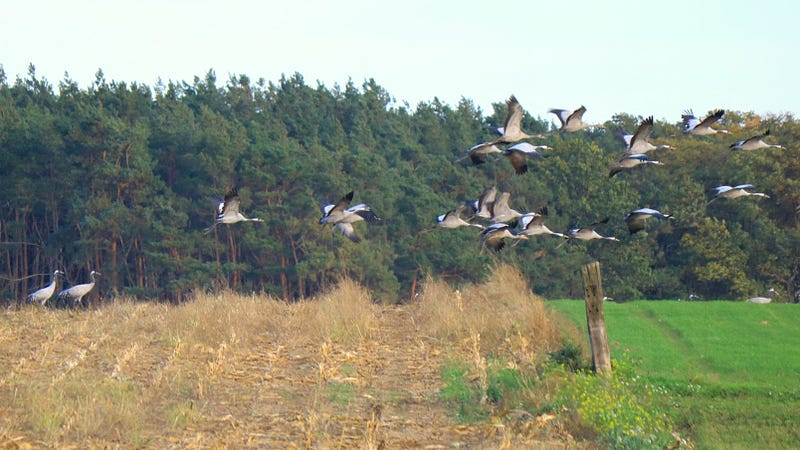
If you’re getting tired of my documentation about the migration of cranes just skip all the articles having the word “crane” in the title. I won’t stop talking about them until I leave this place in less than a week.
It’s a natural phenomenon I can witness here every day since the beginning of September and I’m truly flourishing in this moment just like the sunflowers in the fields.
The cranes first just appeared above our heads in the mornings and evenings. With loud calls, they would attract my attention and at first, I just assumed they were geese. While there are surely geese as well migrating at this time of the year and many are resting in this area too, they do not live up to the numbers the cranes flock in.
Fehrbellin is a town council in northern Germany with about 9000 inhabitants consisting of countless tiny villages stretched across an area of 270 square kilometers. Next to the settlements, the landscape is characterized by countless farmlands.
Exactly those farmlands are what attract the cranes in combination with the set-aside area of old tin mining grounds. The ponds filled with water offer the birds sleeping grounds while they can spread out in the daytime feeding on the harvested fields in the fall.
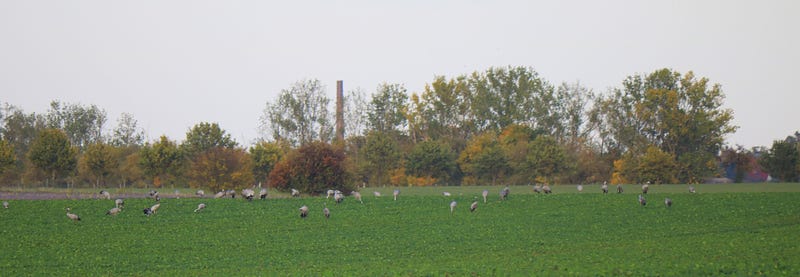
This attracts each year over 10,000 birds at a time which will stay for a few weeks during their migration from northern to southern Europe to restock energy.
We live about 10 kilometers away from the lakes which is the reason why we see the birds flying above our heads every morning and evening. As they were flying out looking for a field to feast on, they’d cross our trailer park and on their return to the sleeping grounds, they would pass us again.
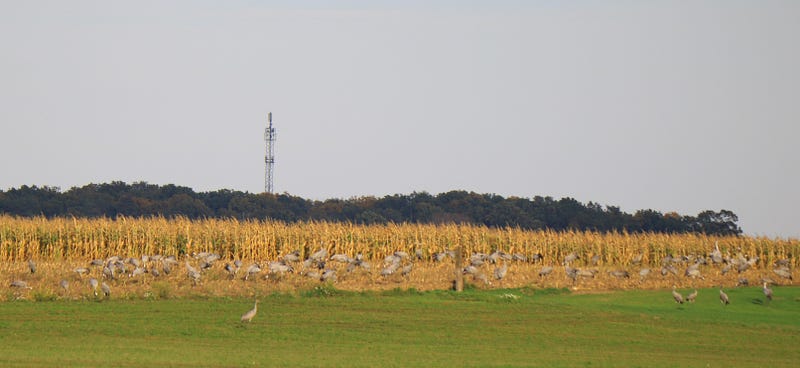
Therefore I had mainly seen and captured them in-flight in the air. But the farmers have recently harvested a few fields right next to the trailer park now being the latest attraction to the birds.
Huge flocks of cranes are now sitting on the farmlands right next to us. We can hear their calls even during lunchtime.
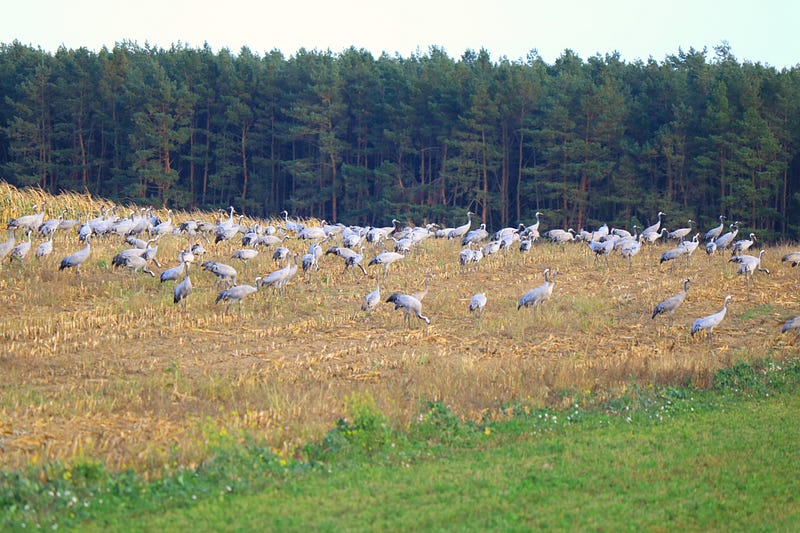
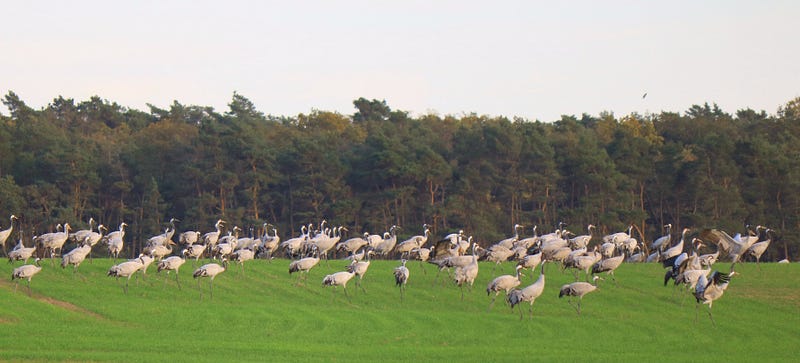
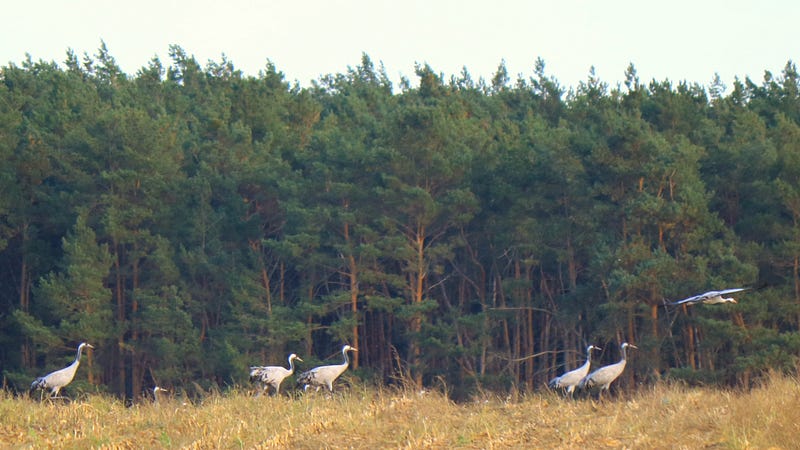
While I surely don’t want to disturb their feeding times, I try not to get too close to them but still managed to flush a couple of birds.
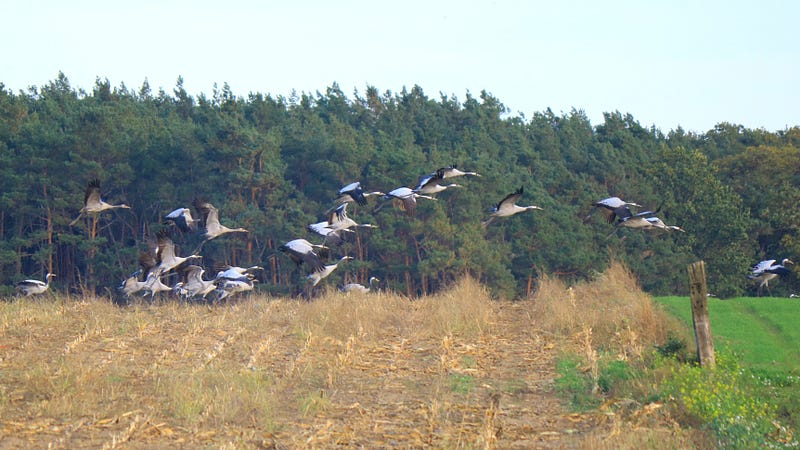
However, this evening I wanted to do a little walk and since our area has no walking trails just endless fields, I decided to drive back to the lakes and do a leisure walk.
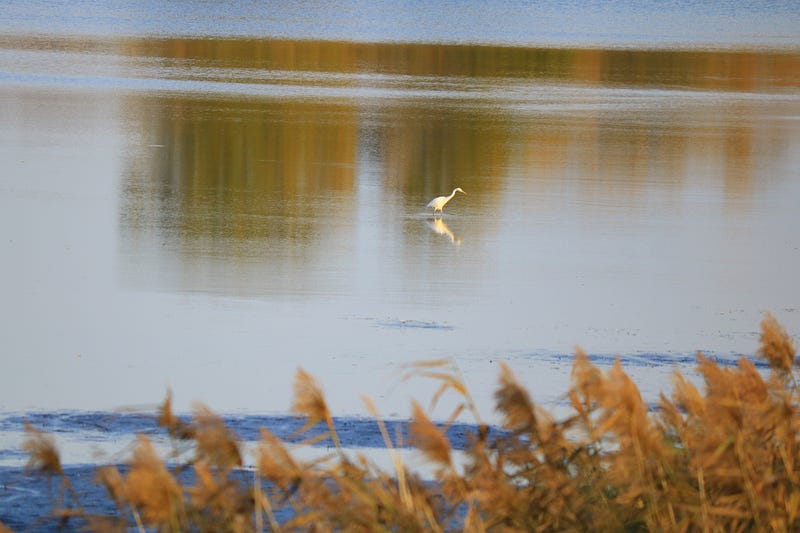
A great egret was enjoying the silence in the water before the arrival of the cranes.
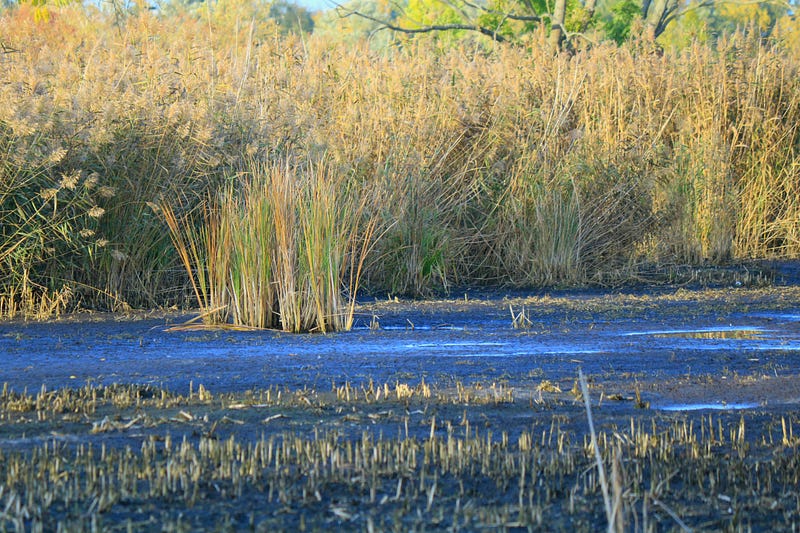
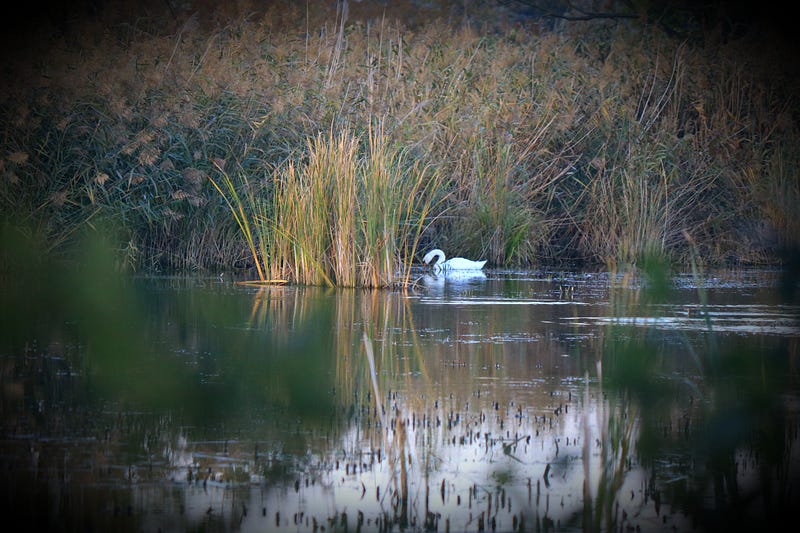
To my surprise, one of the ponds had run dry. Where I had spotted a swan floating on the water just about a week before was now no water left.
And then I heard them again. The cranes. The first ones were arriving from a long day out on the fields.
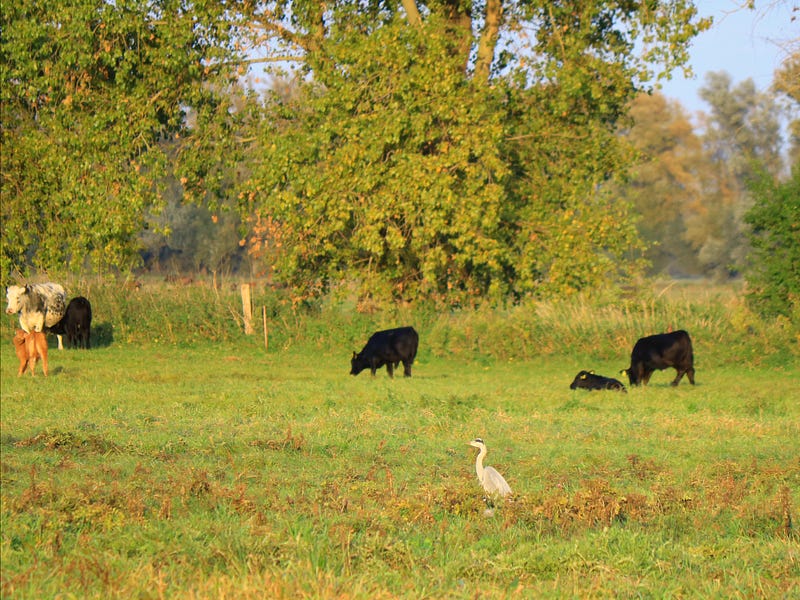
The cattle don’t get disturbed by either the loud calls of the cranes or the feathered visitor, a gray heron sitting in the pasture.
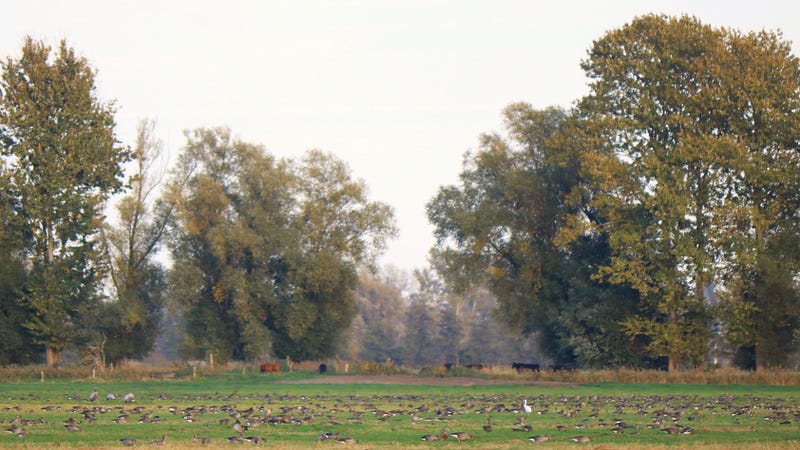
I looked across the meadow where most of the cranes settle down when they arrive in the evening but I mostly saw birds with smaller legs. It must be a group of northern geese. Three cranes however can be seen in the image to the left and one white bird standing out in the middle. Possibly a great egret.
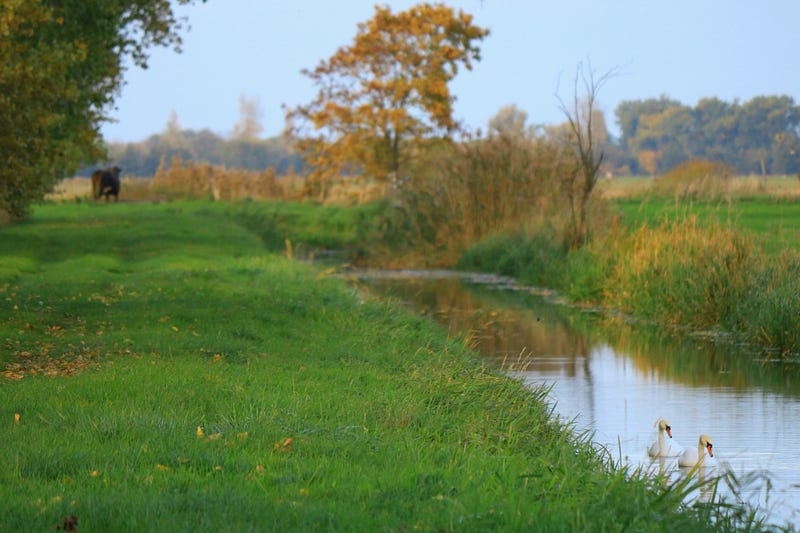
I was looking for the swan couple on the canals already. I had seen them every single time I came to the lakes and this time they wouldn’t disappoint me either.
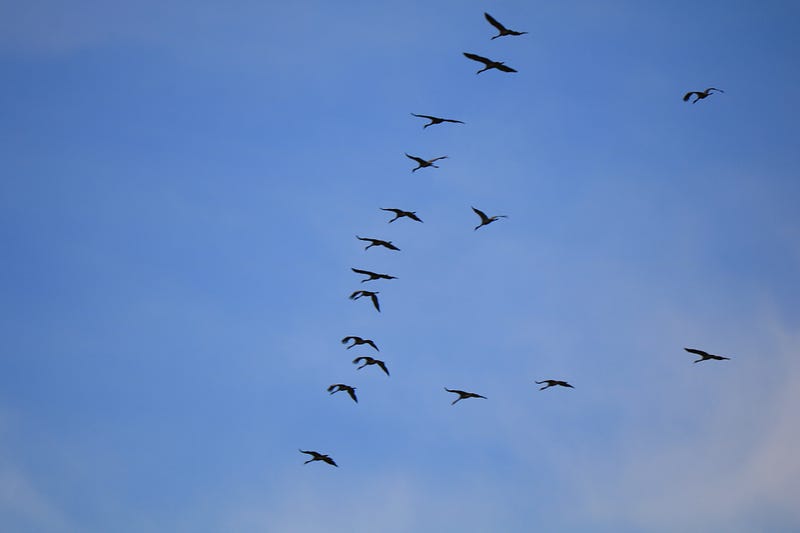
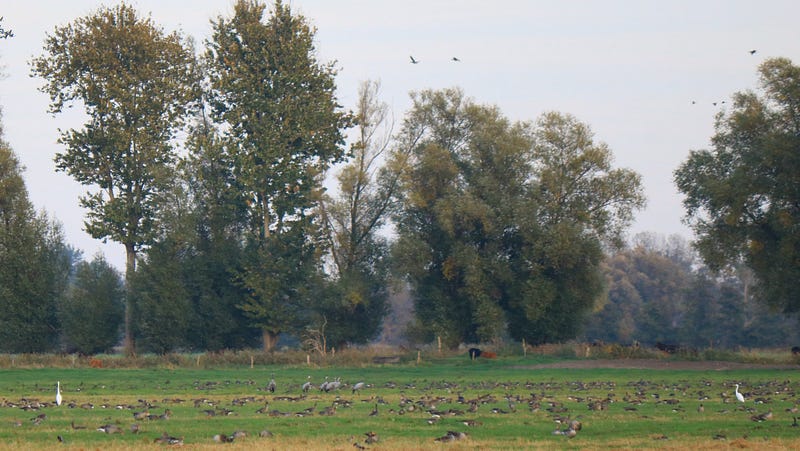
It was getting louder. More and more cranes were arriving. Flocks of birds could be seen in all directions in the sky. Coming all together right here, at the lakes of Linum.
The sky started turning colors in the evening light.
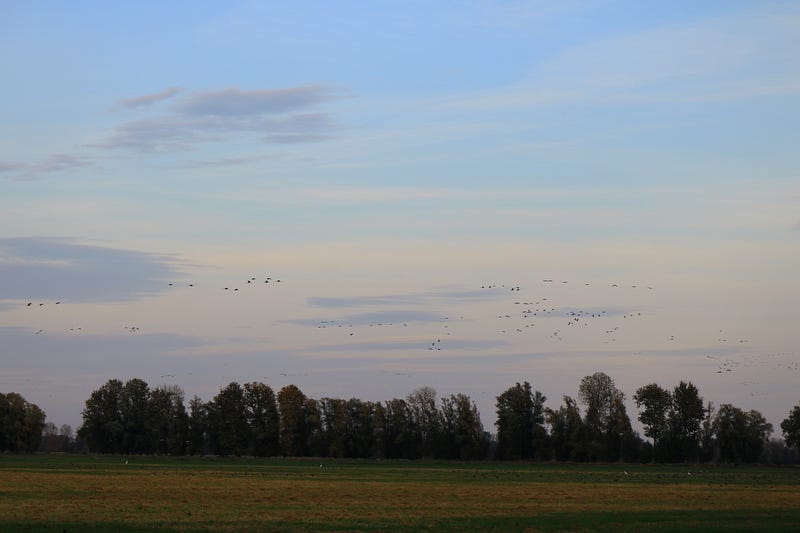
The sun was setting behind me and I could see another wall of clouds moving in.
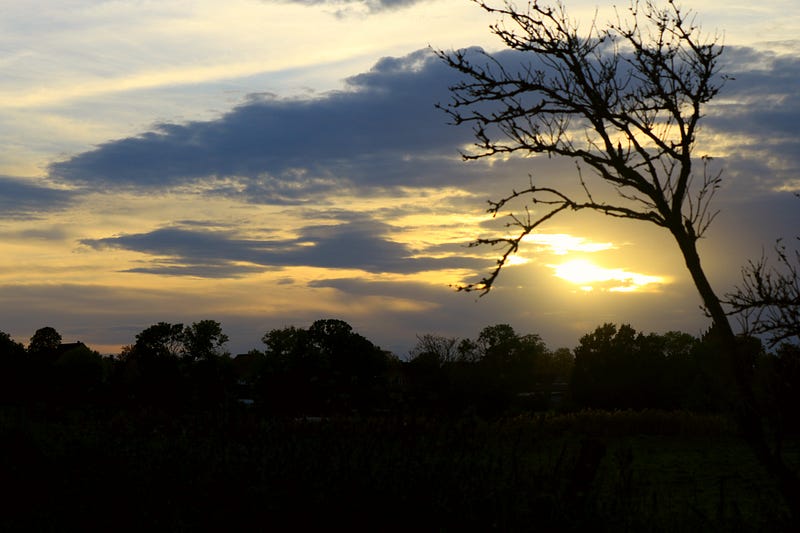
Just like on my previous visit I expected to get rain. Not wanting to get wet I decided to turn around and head back.
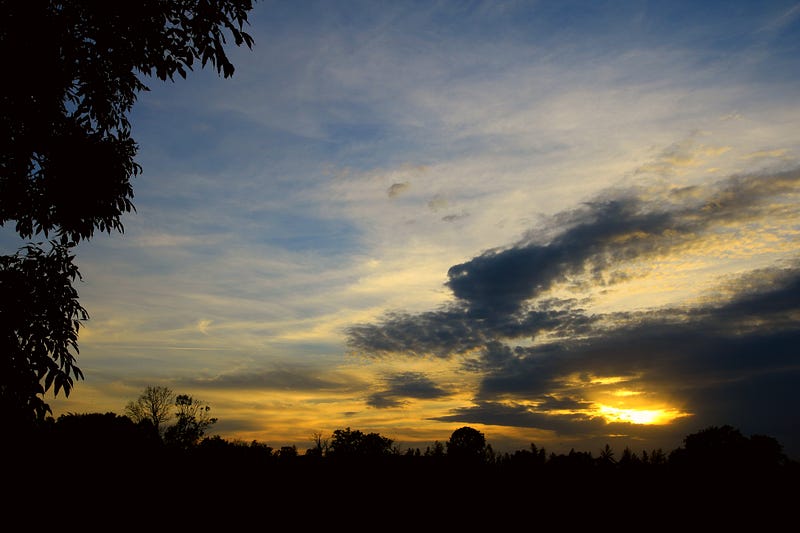
But before the sky closed up in a dark cloud, it lit up one last time in the most spectacular sunset scene.
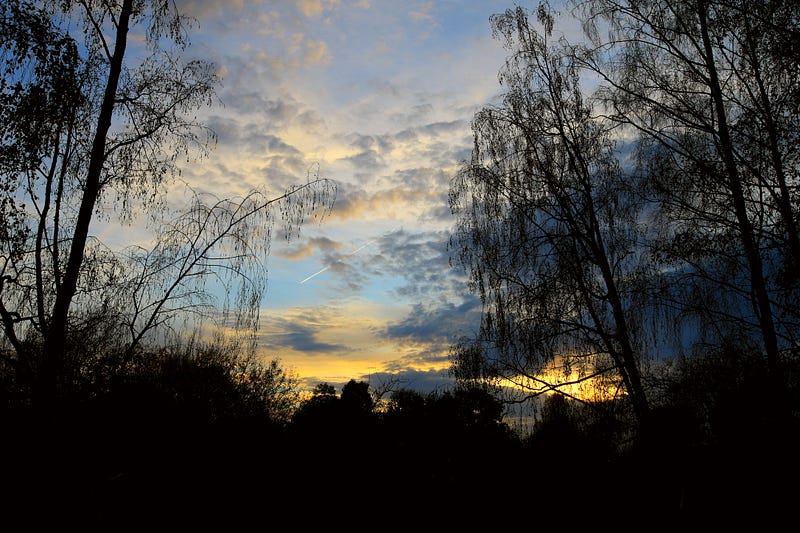
“Magic birds were dancing in the mystic marsh. The grass swayed with them, and the shallow waters, and the earth fluttered under them. The earth was dancing with the cranes, and the low sun, and the wind and sky.” — Marjorie Kinnan Rawlings
More about the migration of the cranes:
Join my email list here if you would like to read more photo essays or sign up for the Medium membership to receive unlimited access to my and other writers’ stories out here (I will receive a commission fee in return).