avatarJane Frost (Jane Grows Garden Rooms)

Free AI web copilot to create summaries, insights and extended knowledge, download it at here

3037

Abstract

ll.</p></blockquote><p id="2e4a">It is also shelter for many different insects at all life stages. Not least of its benefits is its capacity to keep insects warm and cosy over the cooler months, preparing for plenty of beneficial garden activity when the weather finally warms again.</p><figure id="bb58"><img src="https://cdn-images-1.readmedium.com/v2/resize:fit:800/0*NhETty8dGxLOIB89"><figcaption>Lacewing larvae will devour whole colonies of aphids and scale, but they need old sticks and stumps to lay their eggs on. Photo by Author.</figcaption></figure><p id="4fd0">Many plants naturally have sticks or branches that defoliate and die off. The ordered gardener is tempted to trim these off, but before you grab those secateurs read on.</p><p id="e86d">Many garden visitors prize these “empty spaces”.</p><p id="14e5">The voracious predators Lacewings use these to lay their eggs that will hatch into larvae that can devour whole colonies of aphids and scale. Many of Australia’s solitary and semi-social native bees will use them as nighttime roosts or, in the case of reed bees, use the dead canes as nesting sites.</p><figure id="5dfd"><img src="https://cdn-images-1.readmedium.com/v2/resize:fit:800/0*JUA4F323IU25qhLn"><figcaption>This old log left on the ground is hosting a fungal network. Fungal networks are crucial for the health of plants and soils. Photo by Author.</figcaption></figure><p id="0abf">Dead logs, sticks and bark provide more cover for the soil and host numerous insects and arachnids. Perhaps more important than this, they offer a development site for fungus, mould, lichen and moss. These are essential to ecosystems and in many cases help support plant health.</p><figure id="bd4d"><img src="https://cdn-images-1.readmedium.com/v2/resize:fit:800/0*ifiqwsTM_JClNE0t"><figcaption>Huntsman spiders are predators and food. They hold an important position in the food chain and need old bark for protection and nesting. Photo by Author</figcaption></figure><p id="6e14">Dead annuals can be tilled back into the soil or left until they decompose on their own. They are a great way to offer natural compost to sections of the garden. You can even snip them off at ground level and leave their roots to decompose and enrich the soil.</p><figure id="3d47"><img src="https://cdn-images-1.readmedium.com/v2/resize:fit:800/0*i87UdNeMbeTCrOWG"><figcaption>Shield bugs make a tasty meal for many insectivores but they need garden debris for protection so that some survive to maintain the population. Photo by Author.</figcaption></figure><p id="5a66">All this garden debris is now thought to be far more important than it was considered in the past. For many gardeners, however, it is challenging to embrace the concept.</p><p id="4e68">Every little bit counts.</p><blockquote id="c07b"><p>Even a small section of your garden dedicated to debris will pave the way to a healthier ecosystem in your garden.</p></blockquote><p id="97e8">Make sure you keep an eye on your garden debris and the resulting garden visitor

Options

s may just convince you to expand its range.</p><figure id="4049"><img src="https://cdn-images-1.readmedium.com/v2/resize:fit:800/0*vp3LU1imoLIJf8_D.jpg"><figcaption>This Native Cockroach is thought to eat decomposing matter. It’s a great nutritious food for insectivores. Photo by Author</figcaption></figure><p id="13e4">A last mention of a very helpful garden helper. Have you ever moved garden debris only to see slaters run in every direction?</p><p id="05b2">They are actually land based crustaceans and they perform an important function…</p><blockquote id="1bfc"><p>they eliminate heavy metals, such as mercury, lead and cadmium from the soil.</p></blockquote><p id="8674">In this day and age of ubiquitous pollution that’s a beneficial skill indeed, especially in your edible garden!</p><p id="16d3">Wishing you garden visitors big and small,</p><p id="72cd">Jane Grows Garden Rooms</p><p id="d6a0">Miss the first posts in this series? Just click on these…</p><div id="c843" class="link-block"> <a href="https://readmedium.com/habitat-backyard-biodiversity-tip-two-a574545a80b6"> <div> <div> <h2>Habitat: Backyard Biodiversity Tip Two</h2> <div><h3>The second in a series of ten tips to improve biodiversity in your backyard, small or big!</h3></div> <div><p>medium.com</p></div> </div> <div> <div style="background-image: url(https://miro.readmedium.com/v2/resize:fit:320/1*htYStK4yh8jzweaaIJkLPQ.jpeg)"></div> </div> </div> </a> </div><div id="ac20" class="link-block"> <a href="https://readmedium.com/just-add-water-backyard-biodiversity-tip-one-c9ccc2af4136"> <div> <div> <h2>Just Add Water: Backyard Biodiversity Tip One</h2> <div><h3>The first in a series of ten tips to improve biodiversity in your backyard.</h3></div> <div><p>medium.com</p></div> </div> <div> <div style="background-image: url(https://miro.readmedium.com/v2/resize:fit:320/1*XNuQCDfaUBwAHzDiA8TUcg.png)"></div> </div> </div> </a> </div><p id="b90d">Tip Four is now published!</p><div id="9179" class="link-block"> <a href="https://readmedium.com/invite-some-garden-friends-backyard-biodiversity-tip-four-f04be5323eab"> <div> <div> <h2>Invite Some Garden Friends: Backyard Biodiversity Tip Four</h2> <div><h3>Using nature to control weeds and pests is a great way to garden organically and improve the biodiversity in your…</h3></div> <div><p>medium.com</p></div> </div> <div> <div style="background-image: url(https://miro.readmedium.com/v2/resize:fit:320/1*I_NiA9GSv6ljoWQw4JgMug.png)"></div> </div> </div> </a> </div></article></body>

Backyard Biodiversity Tips

Leave Some of the Wild: Backyard Biodiversity Tip Three

The third in a series of ten tips to improve biodiversity in your backyard, small or big!
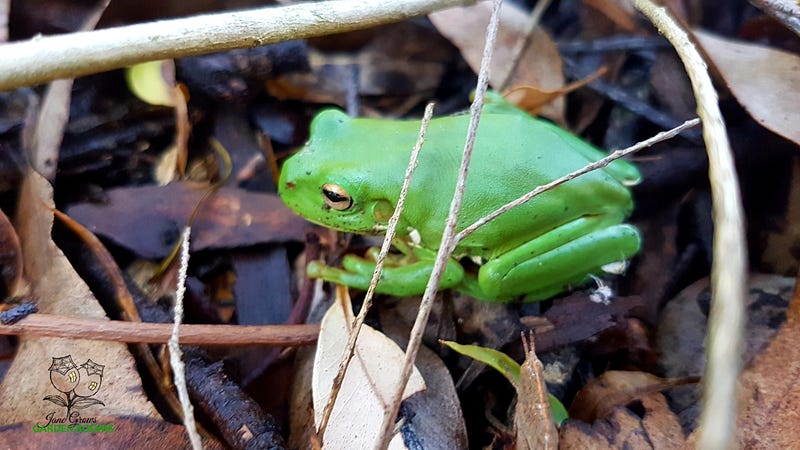
A Green Tree Frog (Litoria caerulea) hunts amongst leaf litter for bugs. Photo by Author.

With the dire warnings of an insect apocalypse and the potential impact on the food chain, encouraging creepy crawlies has never been so relevant.

My garden purposely embraces the wild, but the messiness drives my partner crazy. Over time and with compromise I have managed to convince him of the importance of garden debris for garden visitors.

I tolerate his spaces of lawn and he leaves patches of debris for the wildlife. After all, it’s lovely to feel the soft grass on bare feet and the lawn encourages our friendly magpie family as well as the local wild ducks. He enjoys encounters with Bearded Dragons and the many other species that rely on garden debris. It’s a win-win compromise.
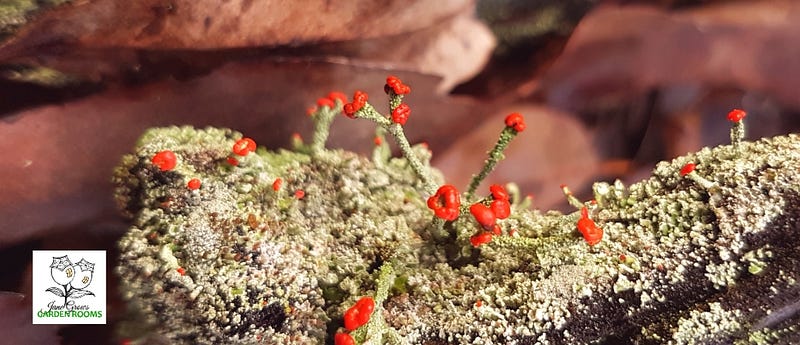
Leaving fallen logs and sticks provides habitat for numerous species including funguses, moulds and lichens. Scientists are finding that these members of the ecosystem provide more services than previously thought. Photo by Author.

So what do I mean by garden debris?

  • Logs and sticks that have fallen from trees
  • Leaf litter
  • Untrimmed dead sticks on plants
  • Dead annuals
  • Weeds that aren’t invasive
  • Broken terracotta pots and tiles
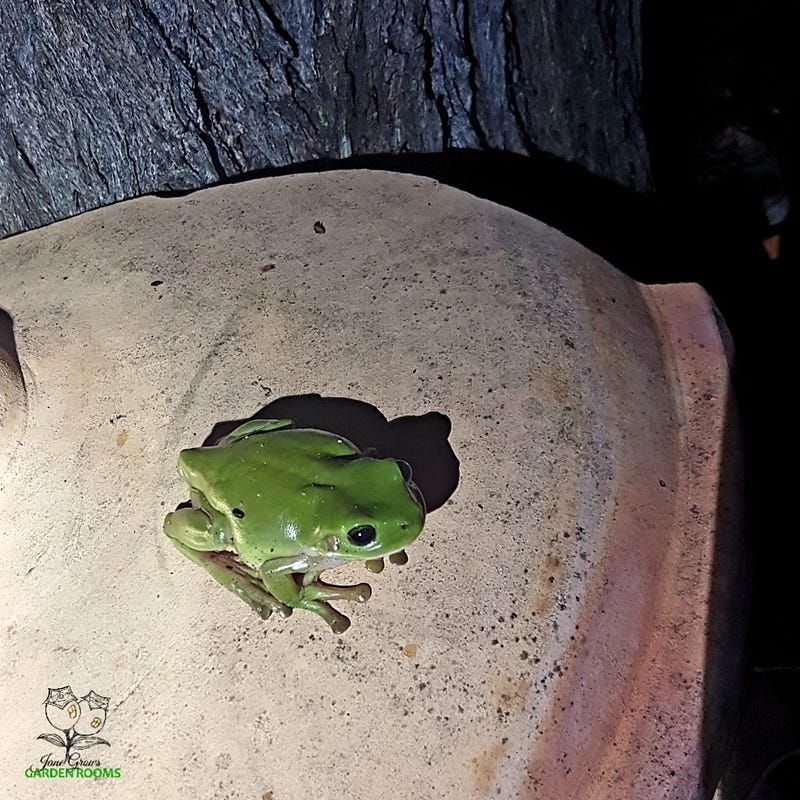
A Green Tree Frog emerges from beneath a broken terracotta bird bath after sundown. Photo by Author.

What? Broken terracotta pots and tiles?

Yes..

They are great habitat for nocturnal creatures like frogs to shelter under during the day and for reptiles to sunbathe on top of. They don’t damage the ecosystem or attract pests like termites. If they don’t stay in your garden, they’ll probably end up in landfill. May as well put them to good use!
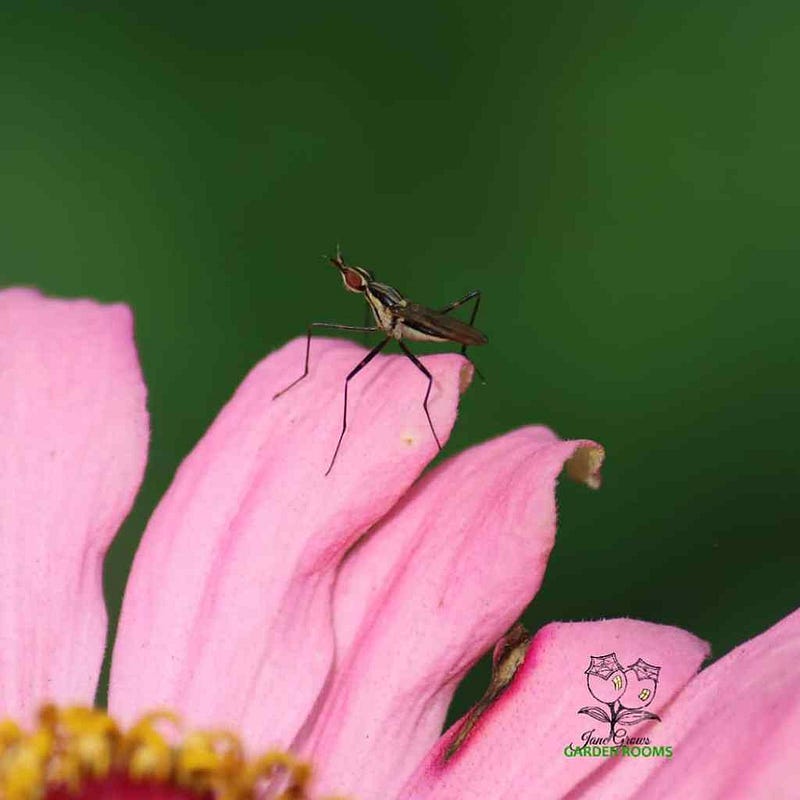
Cactus Flies like this one eat aphids, but they need leaf litter for their larval development. Photo by Author

Leaf litter doesn’t just break down and add nutrients into your soil. It hosts beneficial microbes all year around.

Bare soil is not good for your garden and leaf litter is better than no cover at all.

It is also shelter for many different insects at all life stages. Not least of its benefits is its capacity to keep insects warm and cosy over the cooler months, preparing for plenty of beneficial garden activity when the weather finally warms again.
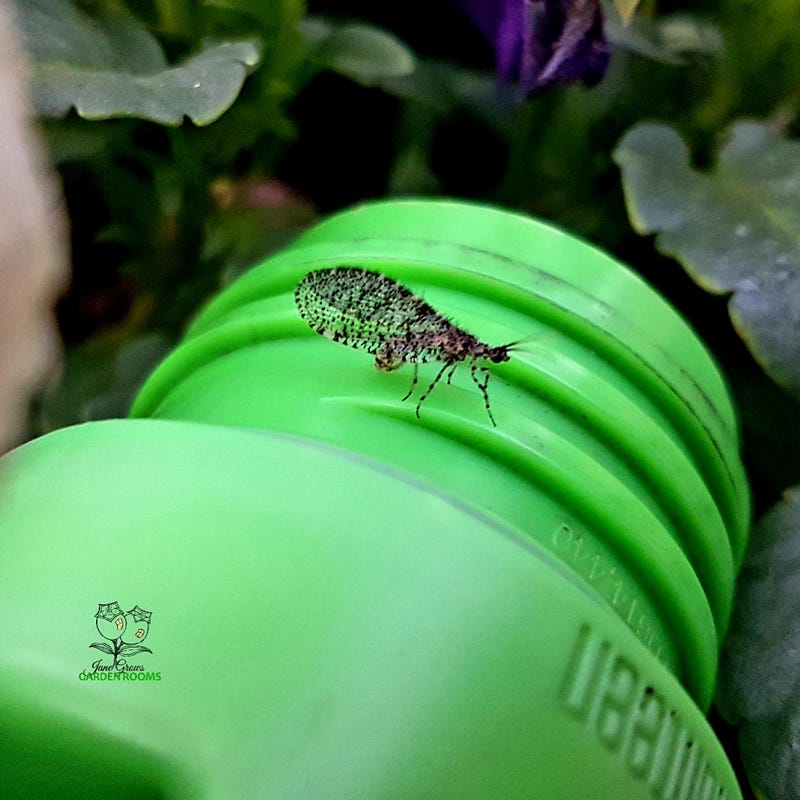
Lacewing larvae will devour whole colonies of aphids and scale, but they need old sticks and stumps to lay their eggs on. Photo by Author.

Many plants naturally have sticks or branches that defoliate and die off. The ordered gardener is tempted to trim these off, but before you grab those secateurs read on.

Many garden visitors prize these “empty spaces”.

The voracious predators Lacewings use these to lay their eggs that will hatch into larvae that can devour whole colonies of aphids and scale. Many of Australia’s solitary and semi-social native bees will use them as nighttime roosts or, in the case of reed bees, use the dead canes as nesting sites.
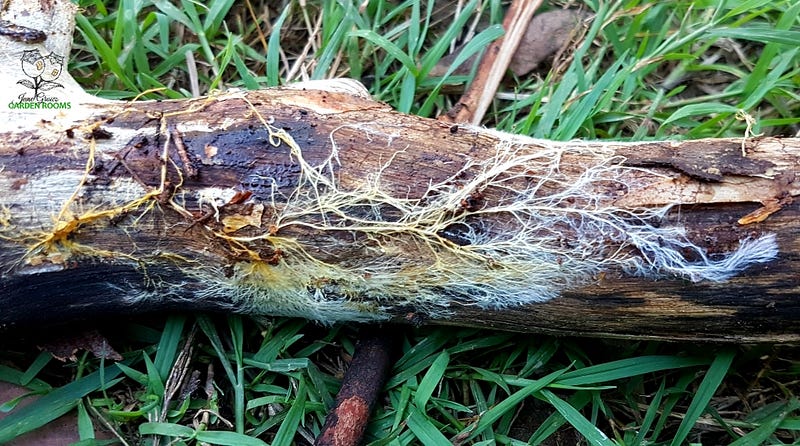
This old log left on the ground is hosting a fungal network. Fungal networks are crucial for the health of plants and soils. Photo by Author.

Dead logs, sticks and bark provide more cover for the soil and host numerous insects and arachnids. Perhaps more important than this, they offer a development site for fungus, mould, lichen and moss. These are essential to ecosystems and in many cases help support plant health.
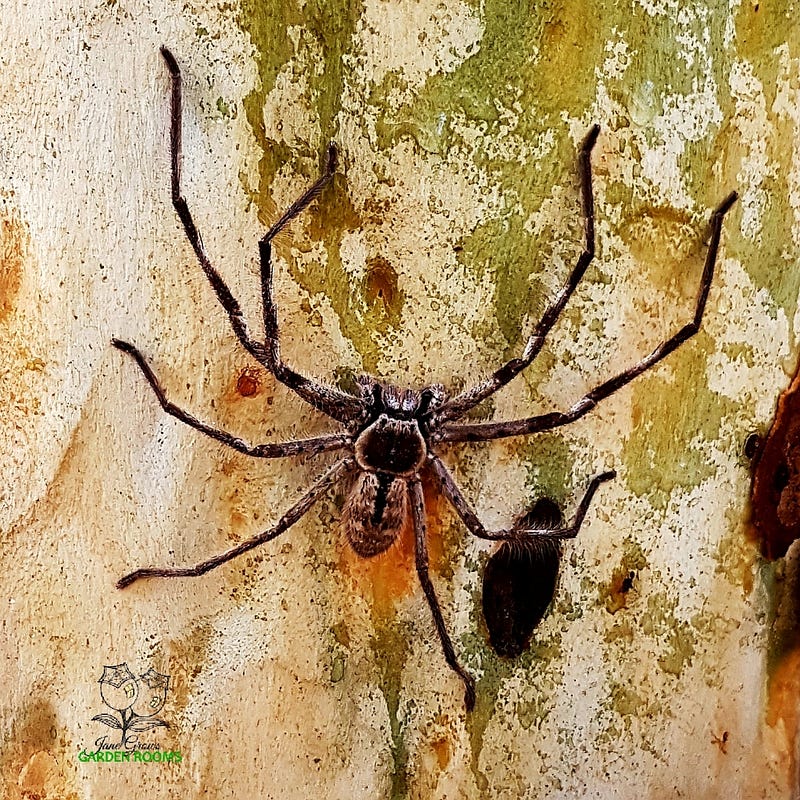
Huntsman spiders are predators and food. They hold an important position in the food chain and need old bark for protection and nesting. Photo by Author

Dead annuals can be tilled back into the soil or left until they decompose on their own. They are a great way to offer natural compost to sections of the garden. You can even snip them off at ground level and leave their roots to decompose and enrich the soil.
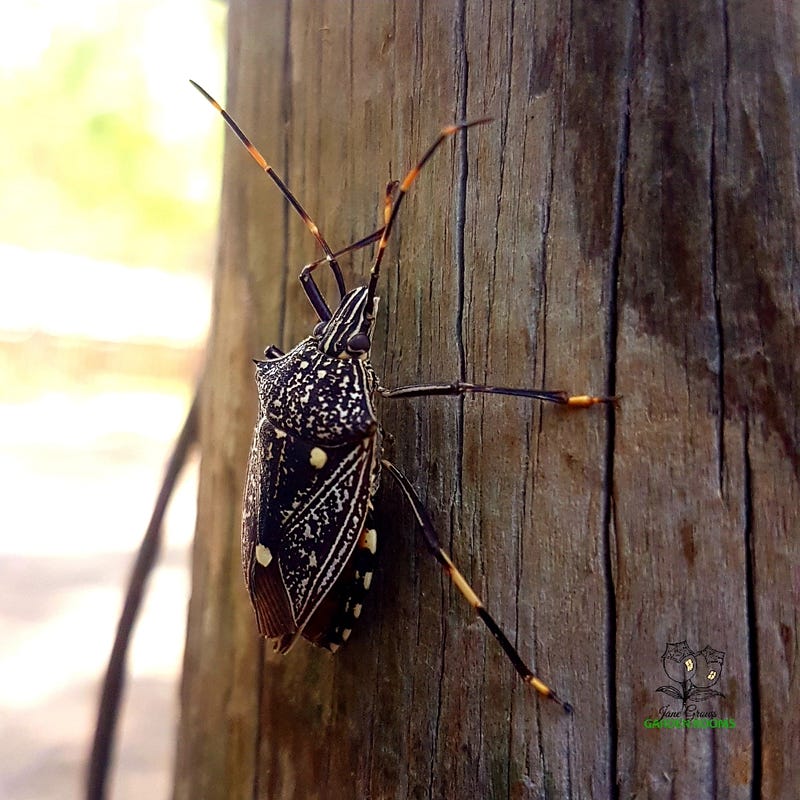
Shield bugs make a tasty meal for many insectivores but they need garden debris for protection so that some survive to maintain the population. Photo by Author.

All this garden debris is now thought to be far more important than it was considered in the past. For many gardeners, however, it is challenging to embrace the concept.

Every little bit counts.

Even a small section of your garden dedicated to debris will pave the way to a healthier ecosystem in your garden.

Make sure you keep an eye on your garden debris and the resulting garden visitors may just convince you to expand its range.
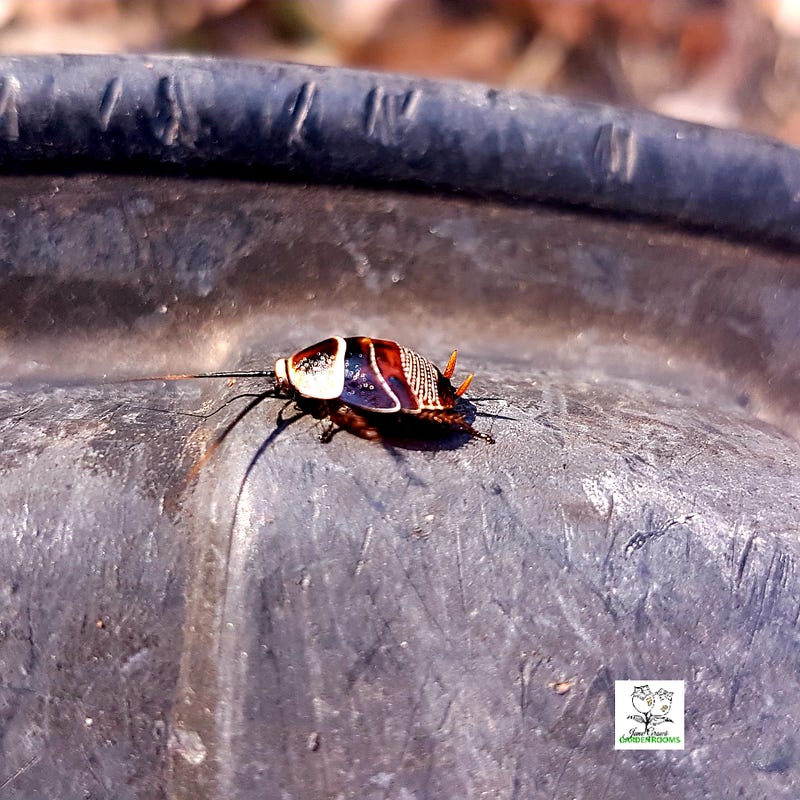
This Native Cockroach is thought to eat decomposing matter. It’s a great nutritious food for insectivores. Photo by Author

A last mention of a very helpful garden helper. Have you ever moved garden debris only to see slaters run in every direction?

They are actually land based crustaceans and they perform an important function…

they eliminate heavy metals, such as mercury, lead and cadmium from the soil.

In this day and age of ubiquitous pollution that’s a beneficial skill indeed, especially in your edible garden!

Wishing you garden visitors big and small,

Jane Grows Garden Rooms

Miss the first posts in this series? Just click on these…

Tip Four is now published!

Biodiversity
Sustainability
Nature
Gardening
Tea With Mother Nature
Recommended from ReadMedium