
Habitat: Backyard Biodiversity Tip Two
The second in a series of ten tips to improve biodiversity in your backyard, small or big!
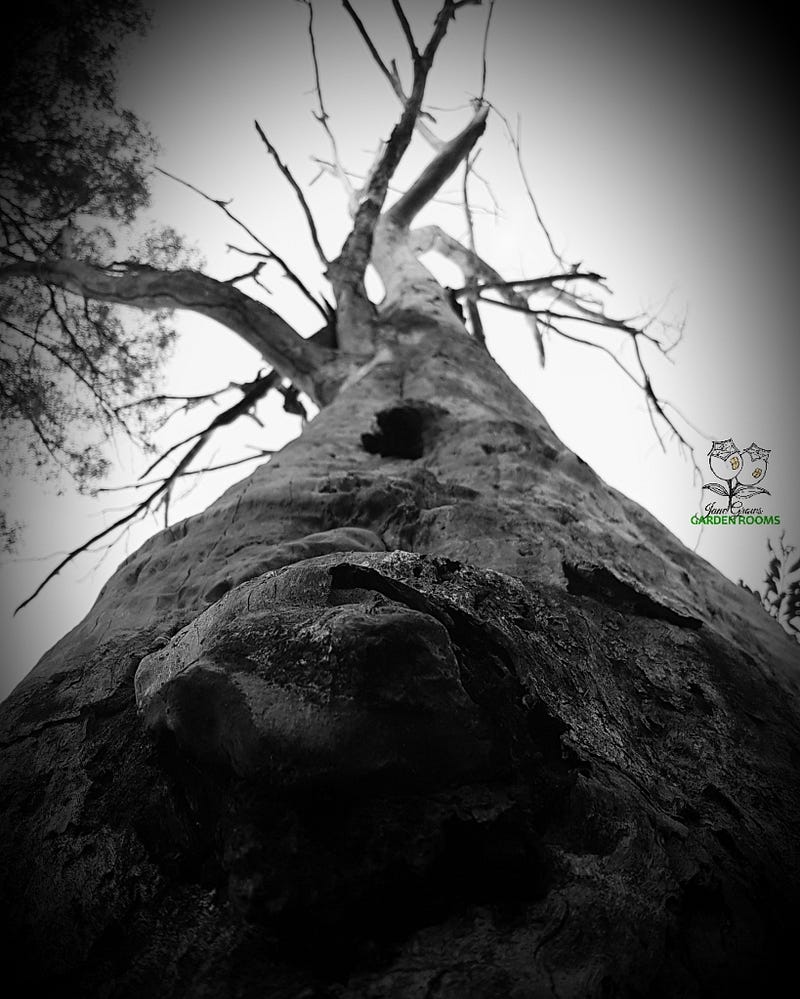
This beauty isn’t just a dead tree, it’s a sustainable, slow-built, high-rise apartment building for wildlife. In this tree we have observed countless birds, including endangered species, mammals including possums and gliders, reptiles like tree snakes and bearded dragons and various insects and arachnids. Many people have suggested that we cut it down, but why would we destroy such a superb habitat that actively contributes to our backyard biodiversity?
If you want a greater range of biodiversity in your backyard, big or small, you need to provide habitat for the creatures you are hoping to have living in your garden rooms. The National Geographic tells us¹ that organisms need four things for a successful habitat, water, food, shelter and space. The habitats you can provide depend on the space that you have.
The options range from those that can be used on a balcony to solutions for large gardens and acreage:
· Frog Hotels,
· Native Bee Hotels for Megachile species,
· Native Bee Hotels for Reed bees,
· Native bee hotels for Blue-banded Bees,
· Native Bee Hives,
· Possum Boxes,
· Nesting Boxes,
· The importance of garden debris and flowering weeds,
· Ponds,
· Frog Bogs,
· Plant choices,
· Protection from Predators
Frog Hotels
In Australia we have so many species of tree frog that all you need to create a new habitat is a Frog Hotel, patience and a little luck.
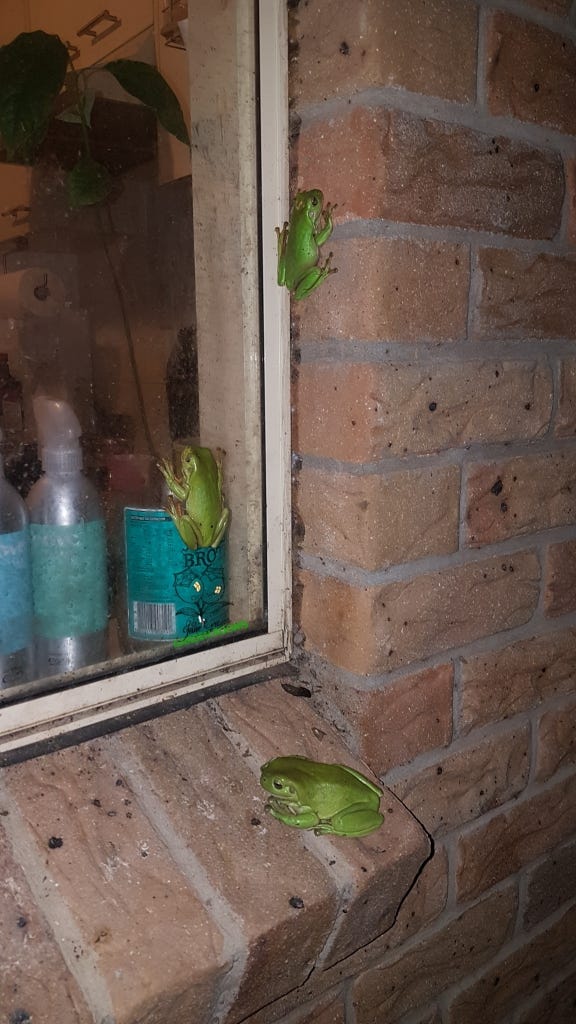
Did you know that Frog Hotels were originally created to keep frogs out of outback toilets in Australia?
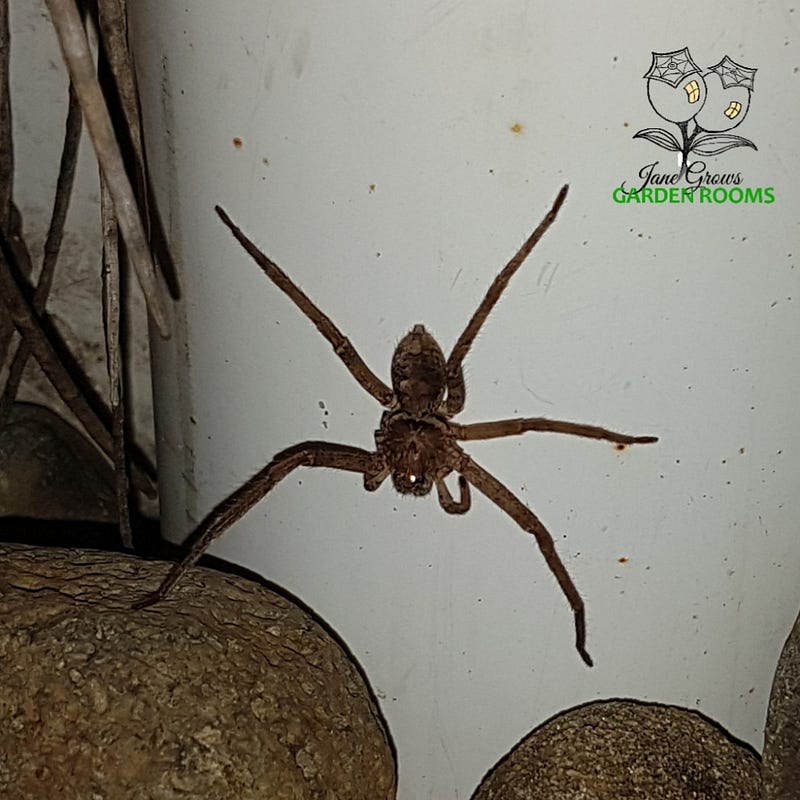
They can be as small or as big as you would like. As far as the habitat checklist goes…
- Water — contained within,
- Food — as long as you have some insects around they’ve got dinner, did you know that most frogs love eating cockroaches!?
- Shelter — that’s what the pipes and plants are for,
- Space — frogs don’t need much space, some species will even breed in a frog hotel.
Like many garden wonders you’ll need some patience and some luck, it can take months or even years to attract permanent residents to your Frog Hotel and yet some people have success in days.
Bee Hotels
In Australia we have more than 1700 native bee species and most of them are solitary or semi-social rather than the social European bees that we hear so much about.
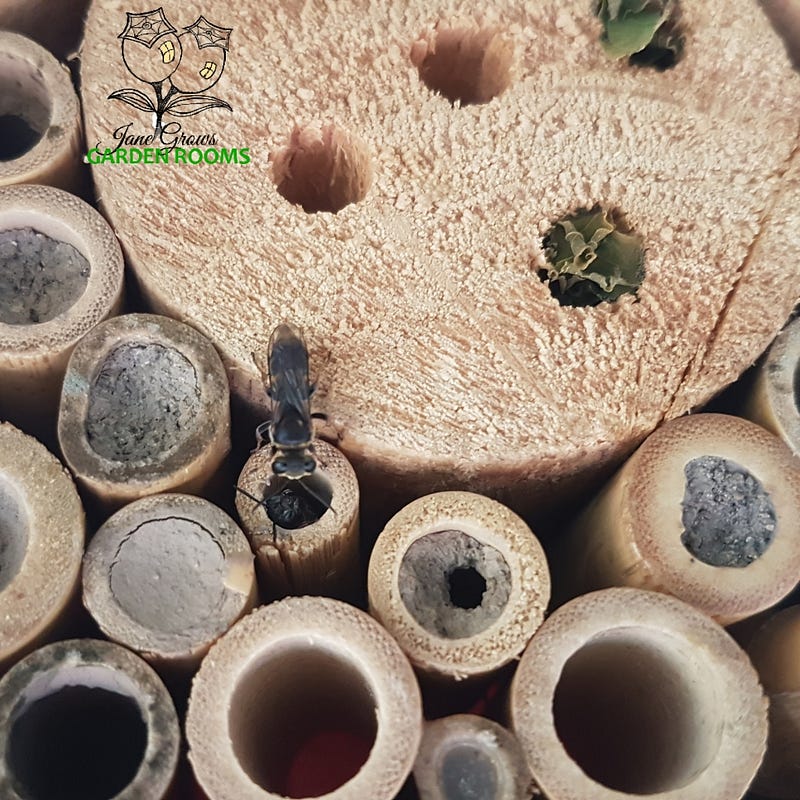
There are a number of ways to create habitat for these little wonders. Arguably the easiest species to build or buy a hotel for are those in the Megachile genus and the Hyledoides genus. This includes, Resin Bees, Masked Bees and Leafcutter Bees.
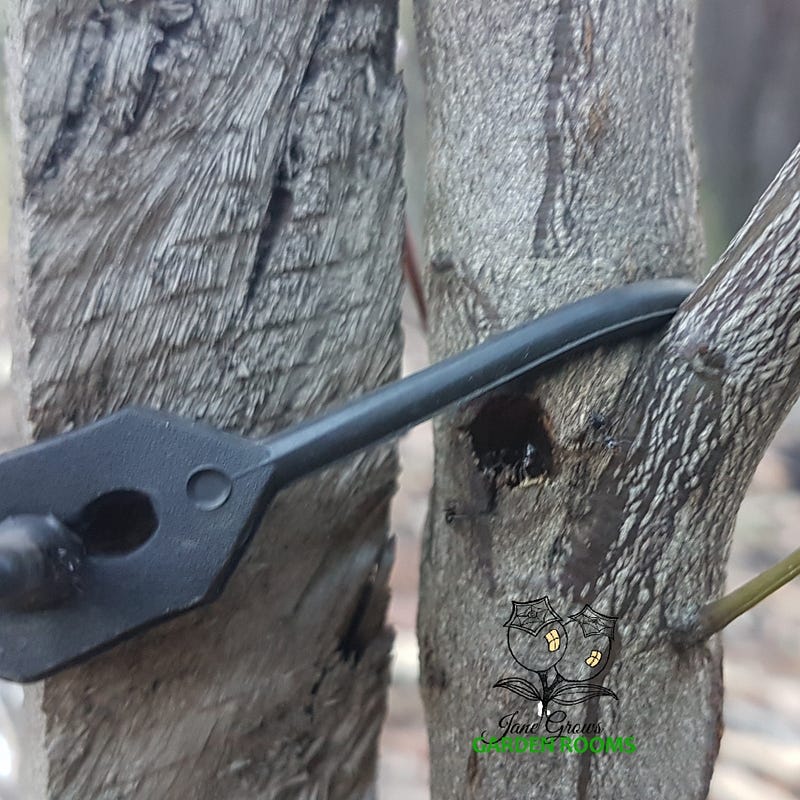
Historically these species nested in holes created by wood borers, like the one pictured above in one of my Lilly Pilly trees.
It’s easy to simulate these holes by using holes drilled in wood or bamboo cut in lengths. It’s best to place them facing South if you can and protection from wind and rain will also encourage residents. Spacing lots of small hotels around the garden will help them evade predators.
A Grey Butcher Bird in my garden sits watching one of my hotels and snaps the residents out of the air when they leave the nest. Clever little birds they are!
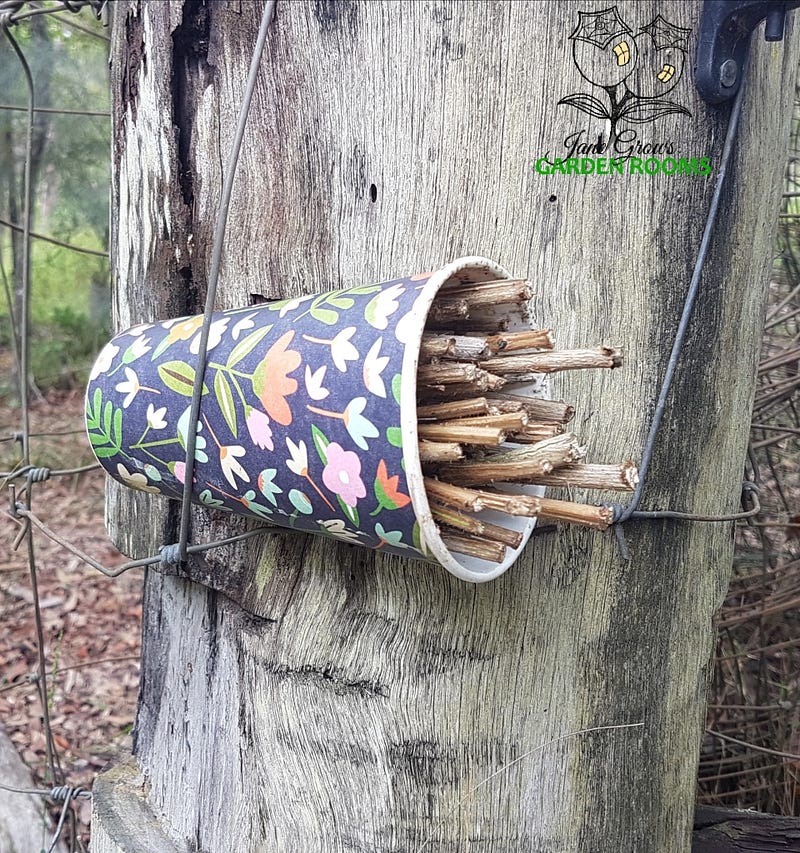
Reed bees from the Exoneura genus like to nest in pithy stems like tree ferns or lantana. Lantana may be an invasive species but in some areas where it has out-competed the natives, Reed Bees use the dead canes for nests. If you’re clearing lantana, keep an eye out for these tiny bees. When I remove lantana I now keep some of the canes and dry them to create nests which I place near my dam.
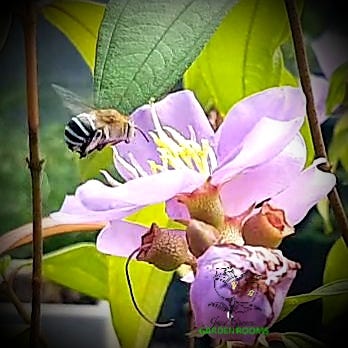
The delightful Blue-banded Bees are a solitary species that use buzz pollination. This is necessary for the pollination of some plants, like the Blue Tongue Plant or creates higher yields for other plants, like tomatoes. You can create nesting habitat for them by
- building rock walls with spaces between the nests or
- by creating your own mud brick nests.
- planting blue and purple flowers nearby to encourage them to explore your garden.
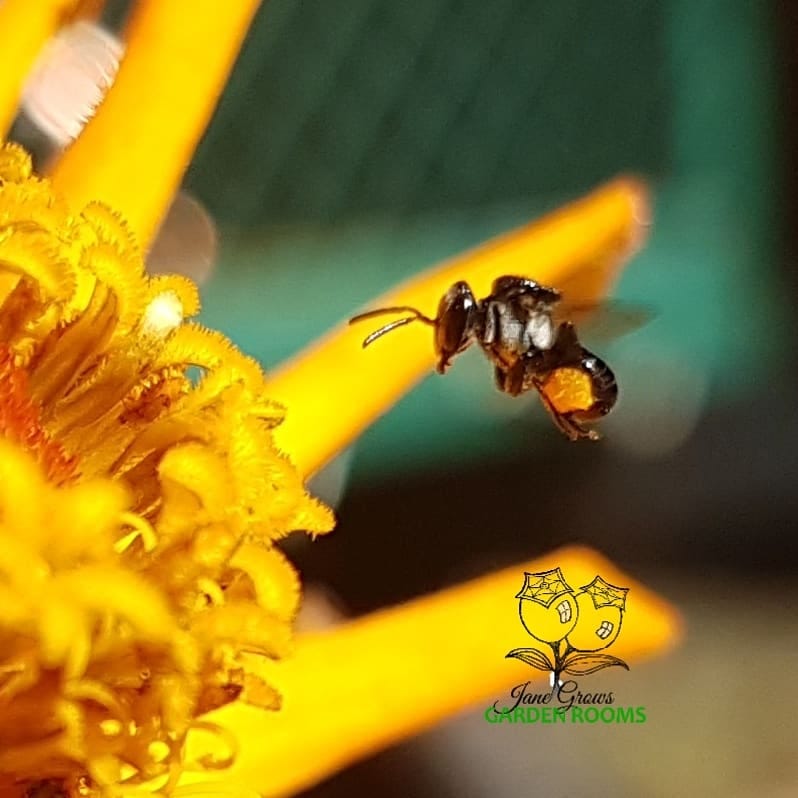
Native Stingless Bee Hives are a great way to ensure your garden is full of pollinators. I haven’t purchased one yet but it’s on my wish list!
Nesting boxes
If you have a larger property you might like to consider installing nesting boxes for the species that need tree hollows.
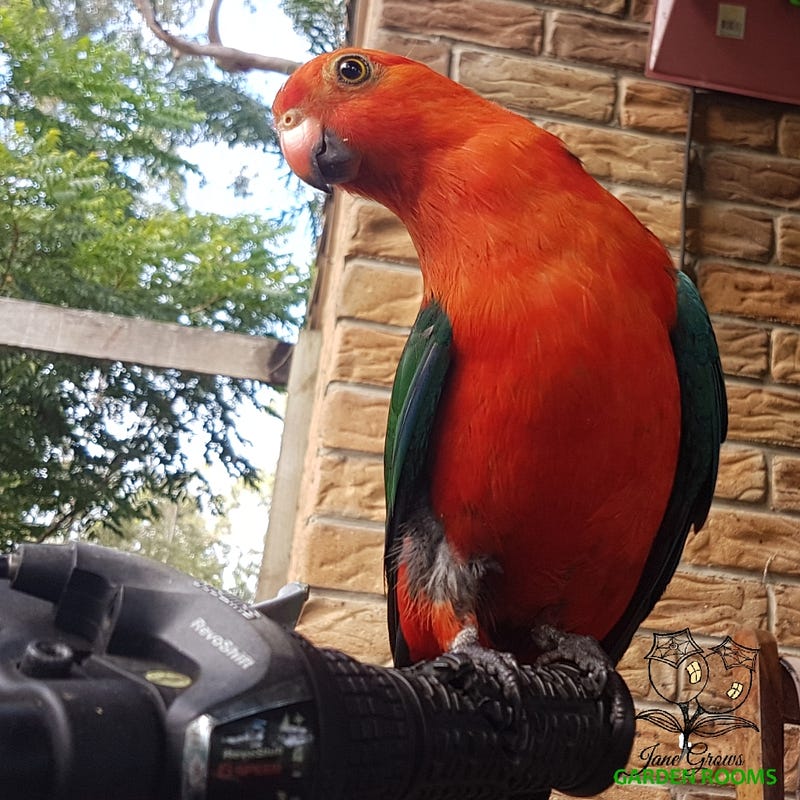
With land clearing for development and recreation, big old trees with enough hollows to service the local wildlife populations are becoming fewer and fewer. This means that some species can’t breed because they simply don’t have a safe place to nest.
Placing nesting boxes on your property can help species like gliders and countless bird species like the lovely King Parrots. A Possum Box might even keep them out of your roof! There’s lots of information online about how to build or buy them.
The importance of garden debris and flowering weeds
I like to think that I am a wild gardener, but some people would say I am a messy gardener. That’s because I don’t clear all my garden debris.
Many lizard species, frog species and invertebrates need leaf litter, sticks or old wood for their habitats.
If you have an ordered garden, try leaving one area for garden debris to give these species a room in your garden. Lizards and frogs will help keep pests at bay and there are lots of helpful insects that will improve your soil and eat the nuisance insects.
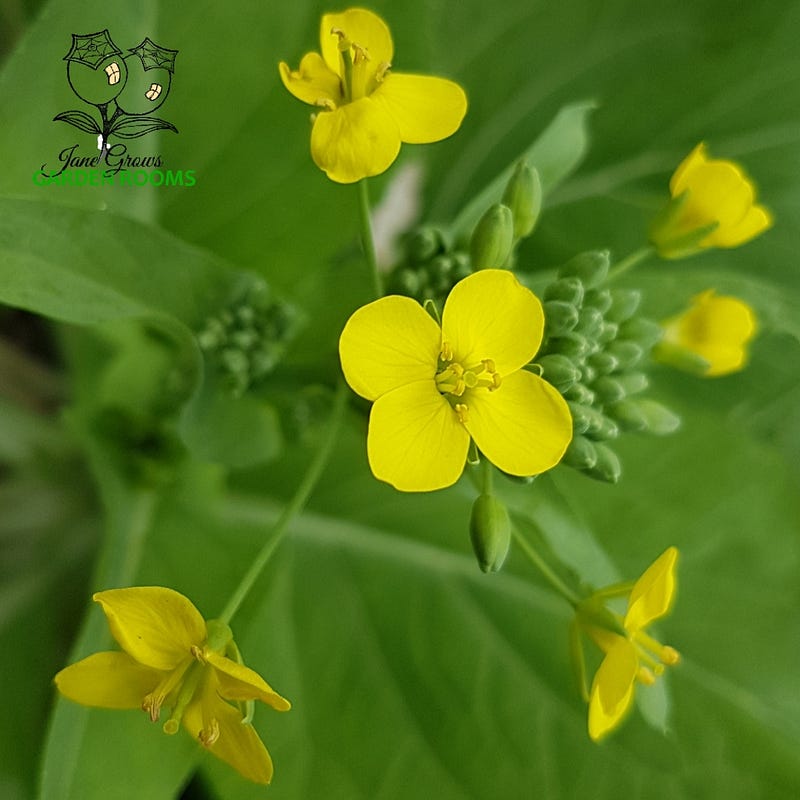
I also make a point of letting some of the more innocuous weed species flower in my garden. They attract pollinators to help my plants fruit and seed and they also attract beneficial species like praying mantises and lacewings who eat aphids and scale.
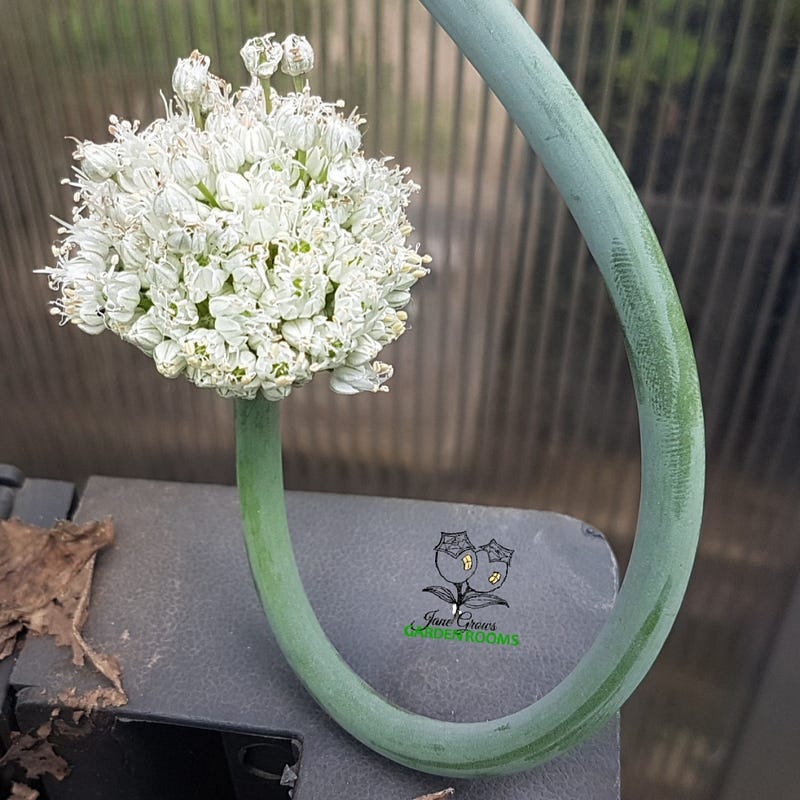
Many vegetables also yield great insect attracting flowers, so I let some of my lettuce, carrots and other vegetables flower. I even plant my vegetable scraps and allow them to flower. you can do this with carrot tops, the roots of leeks and spring onions and many others.
By doing this I find I don’t need to try to keep something flowering year round for the pollinators. Weeds and vegetables fill any gaps in time when my shrubs and trees are not flowering.
Ponds and frog bogs
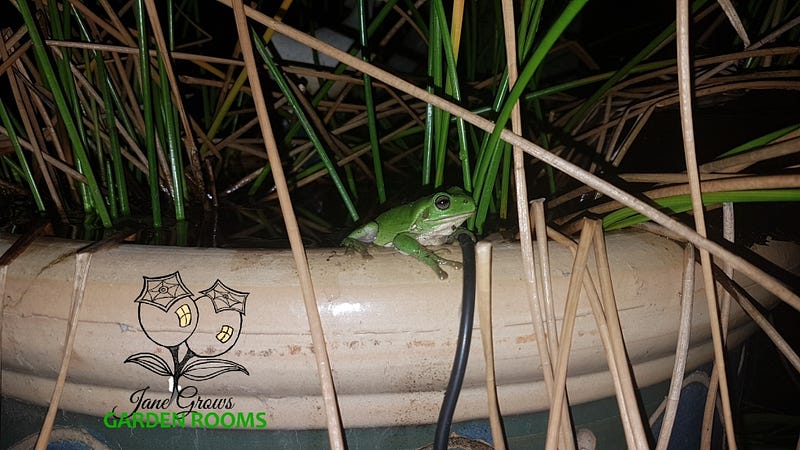
Ponds and Frog Bogs are great for bigger gardens. In my first Backyard Biodiversity Tip I discussed the importance of water for not only amphibians, but wildlife in general as well as garden helpers like the mosquito destroying dragonflies.
Birdbaths are delightful to watch, especially on a hot day and provide an important part of habitat for our flying garden helpers.
Plant choices
Choice of plants can make a big difference in the species you attract (or not!) to your garden.
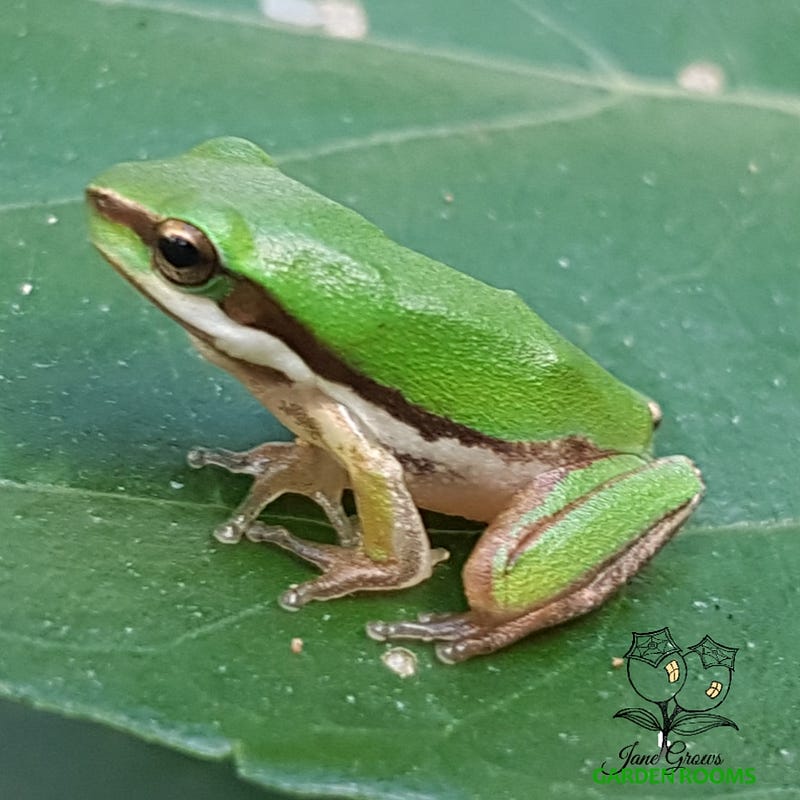
The more diverse your plants are, the more diverse your animal and insect visitors will be.
The most important aspect of this is the levels in your garden. If you can create a garden that has many levels, you will get lots of visitors.
- Start with soil. There are currently campaigns to reclassify soil as a living organism under United Nations conditions. Cultivate your soil to encourage fungal networks, worms and even beetle larvae. Most are beneficial and if you have biodiversity the birds will help keep their populations from exploding.
- Groundcovers and grasses are very important for insects. Groundcovers and grasses protect lizards from birds.
- Herbs and flowers are great for pollinators.
- Shrubs and hedges are wonderful for small birds and reptiles. If you have room for small spiky shrubs you may attract wrens and finches.
- Small trees offer the next level as a haven for birds as they search for food.
- The canopy is the final level which offers protection on hot days amongst other benefits. The canopy offers refuge for many species of bird as well as climbing mammals.
- Climbing through all these levels are vines which frequently host butterflies and other beneficial insects.
Many of the levels provide protection from predators.
Of course, if you have pets you may need to offer more protection from predators by keeping them out of certain parts of the garden.
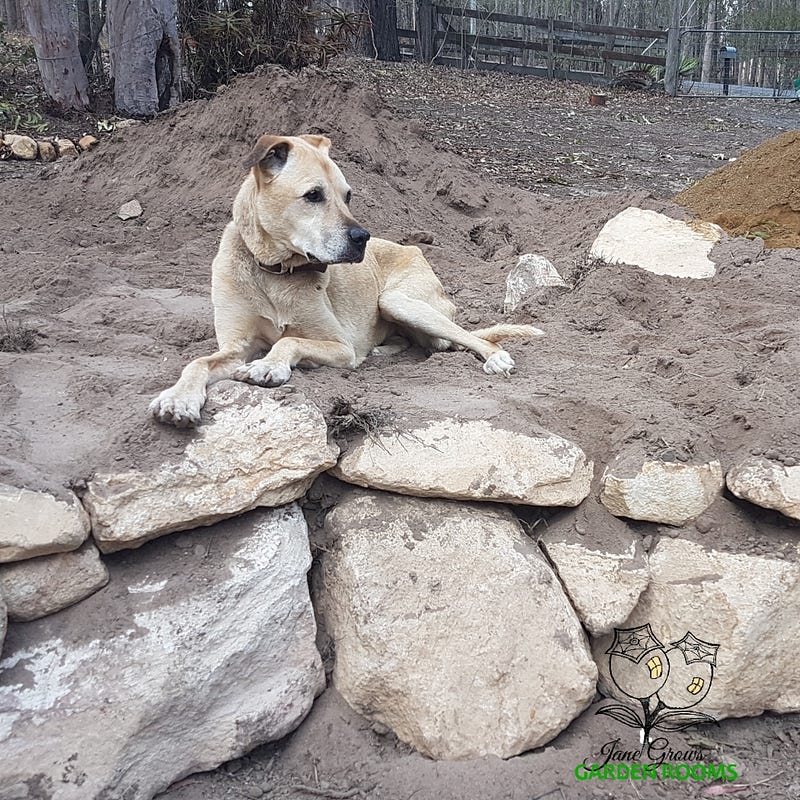
Before our beautiful dog passed away, she was allowed the run of one section of the garden, but the other section was closed to her unless she was supervised.
Final thoughts
There are so many ways to bring more species of plants and animals to your garden, contributing to your community ecosystems and allowing you to connect with nature at home. Some of these options are easy to implement and require very little maintenance. If everyone did one thing to improve biodiversity, just imaging the larger impact! It starts with a trickle…
Comment below if you’d like me to create a detailed vlog or blog post on anything I’ve discussed in this article.
With greater backyard biodiversity you can enjoy a garden that gives a lot more than it takes.
This article has been adapted from a vlog transcript originally published on the Janegrowsgardenrooms blog.
¹ National Geographic: Habitat