avatarThuận Sarzynski

Free AI web copilot to create summaries, insights and extended knowledge, download it at here

5935

Abstract

eg"><figcaption></figcaption></figure><figure id="424a"><img src="https://cdn-images-1.readmedium.com/v2/resize:fit:800/1*QLbhsp_AWTdDcq9wcP-Uxw.jpeg"><figcaption></figcaption></figure><figure id="3ba0"><img src="https://cdn-images-1.readmedium.com/v2/resize:fit:800/1*AqQ9my8BgOEFkk3xR9ZMyg.jpeg"><figcaption>This guy looks familiar… © Thuan Sarzynski</figcaption></figure><p id="abae">Less attractive but still very charismatic is the <a href="https://en.wikipedia.org/wiki/Bornean_bearded_pig">bearded pig</a> <i>(Sus barbatus). </i>This wild pig is related to the pig used to make delicious hams. However, it is prohibited to transform the bearded pig into ham because it is classified as “vulnerable” on the IUCN Red list. The loss of habitat due to the expansion of palm oil and the large number of hunters have significantly reduced the population of this unshaven animal. In fact, most of the mammals and large animals on Borneo island are threatened by human activities and habitat loss.</p><figure id="44f0"><img src="https://cdn-images-1.readmedium.com/v2/resize:fit:800/1*LDTEkE4wCYtNiZc17qVVTw.jpeg"><figcaption></figcaption></figure><figure id="2ded"><img src="https://cdn-images-1.readmedium.com/v2/resize:fit:800/1*KPhUVLFNLXHedkYiz1-5Ng.jpeg"><figcaption></figcaption></figure><figure id="edf4"><img src="https://cdn-images-1.readmedium.com/v2/resize:fit:800/1*w8qoECKJZuTEN4JqLf4Jcw.jpeg"><figcaption>It should shave one day… © Thuan Sarzynski</figcaption></figure><p id="8e97">The role of Bako national park is to protect the tropical forest and its various ecosystems to house the surviving mammals, birds and reptiles. Bako has different ecosystems such as mangrove forest, wet lowland forest, dipterocarp forest and keranga forest.</p><p id="821b">The <a href="https://www.redland.qld.gov.au/info/20255/plants_and_trees_in_the_redlands/629/mangroves">mangrove forest</a> is dominated by Avicennia and Rhizophora tree species. These plants have developed two adaptations to face the harsh condition of salty and water saturated soil. On the one hand, roots are able to grow upward to avoid water saturated soil and absorb oxygen through special structures called pneumatophores. On the other hand, specialized structure on the leaves can excrete the excess of salt which could harm the plant.</p><figure id="9914"><img src="https://cdn-images-1.readmedium.com/v2/resize:fit:800/1*ODySChlnC-zGTGXAuzef5g.jpeg"><figcaption></figcaption></figure><figure id="291b"><img src="https://cdn-images-1.readmedium.com/v2/resize:fit:800/1*MgoF-YZB2FGYuEAP1iXOIA.jpeg"><figcaption></figcaption></figure><figure id="3d06"><img src="https://cdn-images-1.readmedium.com/v2/resize:fit:800/1*WFejq3d1Owj18GQkBSP9vg.jpeg"><figcaption></figcaption></figure><figure id="72a9"><img src="https://cdn-images-1.readmedium.com/v2/resize:fit:800/1*TieUwpim4ZYeWBFMXhgsqA.jpeg"><figcaption>Bottom left are pneumatophores, and bottom right is a fiddler crab © Thuan Sarzynski</figcaption></figure><p id="93b9">The lowland and <a href="http://wwf.panda.org/knowledge_hub/where_we_work/borneo_forests/about_borneo_forests/ecosystems/lowland_dipterocarp/">dipterocarp forests</a> have dense canopies and are dominated by dipterocarp tree species. This family of trees counts about 500 species including some which are 60 m tall and overtake the canopy. The leaves of this tree family have regular, straight and parallel venation pattern. Moreover, the petiole at the base of the leaf often slant to one side. Still, the most important characteristic which actually gave its name to the tree family is the presence of two wings on the fruits (from the greek diptero=wings and carpo=fruit).</p><figure id="3d2d"><img src="https://cdn-images-1.readmedium.com/v2/resize:fit:800/1*IjOKycwrxziNa7yB6E80Tg.jpeg"><figcaption></figcaption></figure><figure id="26d1"><img src="https://cdn-images-1.readmedium.com/v2/resize:fit:800/1*ndqdkchgrynbdGU7kqMs1Q.jpeg"><figcaption></figcaption></figure><figure id="9feb"><img src="https://cdn-images-1.readmedium.com/v2/resize:fit:800/1*SN42mcfcXeiiuJj1L_Vr1A.jpeg"><figcaption>The tropical forest is wonderful and magical © Thuan Sarzynski</figcaption></figure><p id="bd43">At a higher altitude on sandstone hills stands the <a href="https://en.wikipedia.org/wiki/Kerangas_forest">kerangas forest</a>. This forest is characterized by widely spaced stunted trees with a sparse leaf area growing on a nutrient poor soil. The lack of nitrogen and phosphate, important nutrients for plant growth, has forced plants to adapt and find other ways to get their food. Next to water ponds, on the wet soil, hikers can find another carnivorous plant. It has sticky hairs which attract and slowly trap unlucky insects. These <a href="https://en.wikipedia.org/wiki/Drosera">Drosera</a> plants are commonly called sundews because of their leaf sticky liquid which reflect the light. Hikers can also observe <a href="https://en.wikipedia.org/wiki/Nepenthes">Nepenthes</a> carnivorous plants which climb on trees. They are easy to identify with their hanging traps full of digestive fluid ready to attract insects and small animals. This plant genus counts 170 species which are spread around Asia, Australia and Madagascar. Another atypical plant of the area is not carnivorous but mutualistic. It teamed up with ants to get its daily meal. This<a href="https://lkcnhm.nus.edu.sg/dna/organisms/details/544"> epiphytic plant </a>which grows up on other trees has developed a large excrescence hosting ant colonies. In this mutualistic relationship, the plant provides protection to the ants and ants’ wastes fertilize the plant.</p><figure id="6dd3"><img src="https://cdn-images-1.readmedium.com/v2/resize:fit:800/1*3PagogJwMwGKLqkJhtmwyA.jpeg"><figcaption></figcaption></figure><figure id="8315"><img src="https://cdn-images-1.readmedium.com/v2/resize:fit:800/1*GN5__yzBEBlftLvuifXbvw.jpeg"><figcaption></figcaption></figure><f

Options

igure id="19e2"><img src="https://cdn-images-1.readmedium.com/v2/resize:fit:800/1*C2210GJkBmGkSBkKQFh6kw.jpeg"><figcaption></figcaption></figure><figure id="1a1c"><img src="https://cdn-images-1.readmedium.com/v2/resize:fit:800/1*8DFcxCW305upr3pabJa27Q.jpeg"><figcaption></figcaption></figure><figure id="92cd"><img src="https://cdn-images-1.readmedium.com/v2/resize:fit:800/1*TpRgsjs4rg9198LgthUqyg.jpeg"><figcaption>Beautiful carnivorous plants. Insects are slowly digested alive by them. © Thuan Sarzynski</figcaption></figure><p id="1b17">Bako national park is an haven for the unique and threatened biodiversity of Borneo island. When agriculture and human development is constantly demanding more land from natural ecosystems, Bornean plant and animal species might find a safe place in preserved areas like Bako. Eco-tourism is an opportunity for nature lovers to have a look at life forms they would have never seen somewhere else, thus for local population it is an income and a way to conserve their natural heritage.</p><figure id="cdd6"><img src="https://cdn-images-1.readmedium.com/v2/resize:fit:800/1*wcTaKwehkWM3beC6JsLwBQ.jpeg"><figcaption></figcaption></figure><figure id="3ee3"><img src="https://cdn-images-1.readmedium.com/v2/resize:fit:800/1*aDLOZOltrsgq9Prj-XpYQw.jpeg"><figcaption></figcaption></figure><figure id="ecc5"><img src="https://cdn-images-1.readmedium.com/v2/resize:fit:800/1*VZrDrzWdhfBRLTaQFTZdBg.jpeg"><figcaption>Centipedes are cute, no? © Thuan Sarzynski</figcaption></figure><figure id="ab10"><img src="https://cdn-images-1.readmedium.com/v2/resize:fit:800/1*111FxTH77TKHOPosFfucRA.jpeg"><figcaption></figcaption></figure><figure id="bc12"><img src="https://cdn-images-1.readmedium.com/v2/resize:fit:800/1*qMoGns5Wn2ym7MjEUdPdJQ.jpeg"><figcaption></figcaption></figure><figure id="8c63"><img src="https://cdn-images-1.readmedium.com/v2/resize:fit:800/1*EeSW-8gYXx1ozbtWfJ-8rw.jpeg"><figcaption>Middle: A termite colony. Right: Cute snail © Thuan Sarzynski</figcaption></figure><figure id="678c"><img src="https://cdn-images-1.readmedium.com/v2/resize:fit:800/1*KRPl3V7dJdZfCLjvSq9SiA.jpeg"><figcaption></figcaption></figure><figure id="bdda"><img src="https://cdn-images-1.readmedium.com/v2/resize:fit:800/1*TkFGBXjxFOcd9ebOuqnkDg.jpeg"><figcaption></figcaption></figure><figure id="3cce"><img src="https://cdn-images-1.readmedium.com/v2/resize:fit:800/1*XXSEl_ePl8mvwSwJwpxn2g.jpeg"><figcaption></figcaption></figure><figure id="6993"><img src="https://cdn-images-1.readmedium.com/v2/resize:fit:800/1*cSxP4ANWWTO897aj7mpKAw.jpeg"><figcaption>A collection of fungi for you!</figcaption></figure><figure id="7122"><img src="https://cdn-images-1.readmedium.com/v2/resize:fit:800/1*FDG-wzc4sE_vAmwxvyvtYA.jpeg"><figcaption></figcaption></figure><figure id="2966"><img src="https://cdn-images-1.readmedium.com/v2/resize:fit:800/1*NBDw8feivBsMM_mozLG1UQ.jpeg"><figcaption></figcaption></figure><figure id="a225"><img src="https://cdn-images-1.readmedium.com/v2/resize:fit:800/1*5mq7ypezK4SV6WCdYfUsSQ.jpeg"><figcaption>Left: jellyfish. Right: horseshoe crab. © Thuan Sarzynski</figcaption></figure><figure id="d387"><img src="https://cdn-images-1.readmedium.com/v2/resize:fit:800/1*rODuk0-3RcNsLZ-tyJKYVQ.jpeg"><figcaption></figcaption></figure><figure id="7b11"><img src="https://cdn-images-1.readmedium.com/v2/resize:fit:800/1*z9yAi_QZ3enmxzi4Shu5sg.jpeg"><figcaption>Dear Mom, the green snake bottom left and the scorpion bottom right are deadly</figcaption></figure><figure id="27eb"><img src="https://cdn-images-1.readmedium.com/v2/resize:fit:800/1*rWko8Vz7tyFomvnEHpXwNg.jpeg"><figcaption></figcaption></figure><figure id="f0a3"><img src="https://cdn-images-1.readmedium.com/v2/resize:fit:800/1*SMOxfWas_MXsTCbOVziIkg.jpeg"><figcaption></figcaption></figure><figure id="627f"><img src="https://cdn-images-1.readmedium.com/v2/resize:fit:800/1*l94ZIIat-RJ4LmH_BHN9Yg.jpeg"><figcaption></figcaption></figure><figure id="795e"><img src="https://cdn-images-1.readmedium.com/v2/resize:fit:800/1*b7od85YO2SPFPDNR2KzbJw.jpeg"><figcaption></figcaption></figure><figure id="08ce"><img src="https://cdn-images-1.readmedium.com/v2/resize:fit:800/1*cH4TRf0HNpjcumSxBzwy6A.jpeg"><figcaption></figcaption></figure><figure id="0317"><img src="https://cdn-images-1.readmedium.com/v2/resize:fit:800/1*zRHtNXljcDUuMc1F6jPOXw.jpeg"><figcaption></figcaption></figure><figure id="53fb"><img src="https://cdn-images-1.readmedium.com/v2/resize:fit:800/1*4x37injhJ_UBLJJb3Ee-9Q.jpeg"><figcaption>Borneo island is beautiful, isn’t it?</figcaption></figure><div id="8652" class="link-block"> <a href="https://readmedium.com/visiting-the-biggest-german-winery-70c9d187fe8c"> <div> <div> <h2>Visiting the Biggest German Winery</h2> <div><h3>Last week, I visited the largest wine cooperative in Heilbronn in the south of Germany where the weather and soil…</h3></div> <div><p>medium.com</p></div> </div> <div> <div style="background-image: url(https://miro.readmedium.com/v2/resize:fit:320/1*0x2QANA5rb54zI1cZ2Td7A.jpeg)"></div> </div> </div> </a> </div><div id="5f22" class="link-block"> <a href="https://readmedium.com/beautiful-landscape-of-bretagne-bf0e97bf1e37"> <div> <div> <h2>Travelling to the Beautiful Landscapes of Bretagne</h2> <div><h3>Brittany, Bretagne in French and Breizh in Breton is a region in the west of France, about 500 km away from Paris. It…</h3></div> <div><p>medium.com</p></div> </div> <div> <div style="background-image: url(https://miro.readmedium.com/v2/resize:fit:320/1*AJYU-1IL6DLPUtChgov2ww.jpeg)"></div> </div> </div> </a> </div></article></body>

Landscape and Biodiversity of Bako National Park, Borneo Indonesia

On the west coast of the island of Borneo, nature lovers can visit Bako national park and have a glimpse at the rich and diverse tropical ecosystems of the region.

Bako national park is located at 37km to the east of Kuching. It covers an area of 2700 hectares or 27 km2. It was named after the mangrove‘s Rhizophora species which is pronounced bakau in the local language.

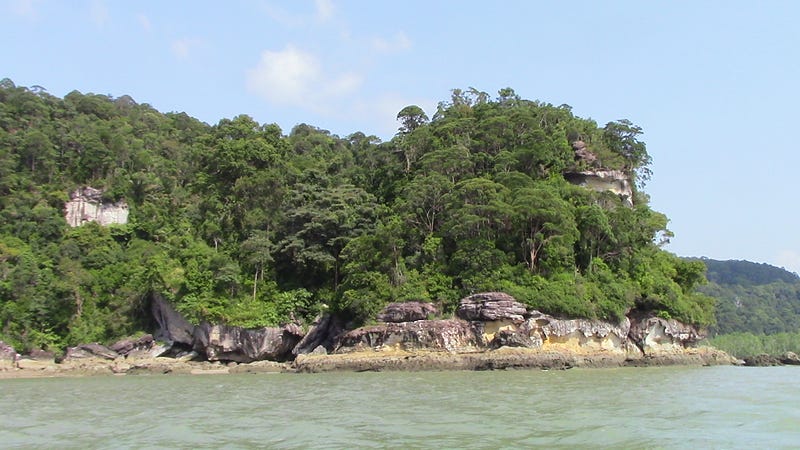
The park is easy to reach from anywhere in Southeast Asia. You can fly to Kuching, a small Malaysian city and also capital of the Malaysian state of Sarawak. From Kuching, it is possible to take a taxi or a grab, the Southeast Asian equivalent of Uber. The journey should take less than an hour before you reach the river docks where small boats bring visitors to Bako National Park. At this point, the landscape is already greener and definitely exotic for any westerners who had never stepped in tropical areas. The trip on the boat is already entertaining as visitors can have a look at the river banks and see wooden house on stilts, sandstone sculpted by the rain and luxuriant mangroves…
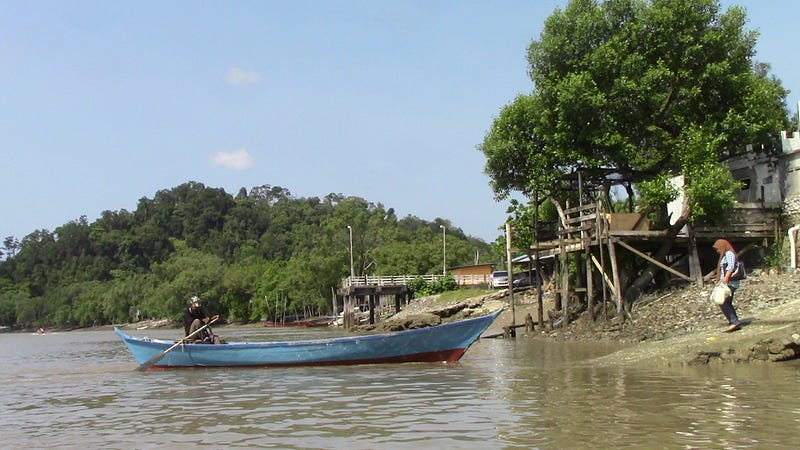
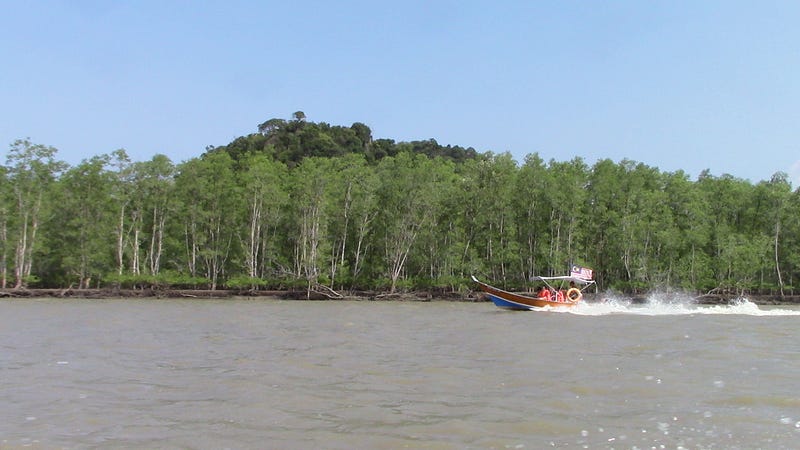
First sight at Nature © Thuan Sarzynski

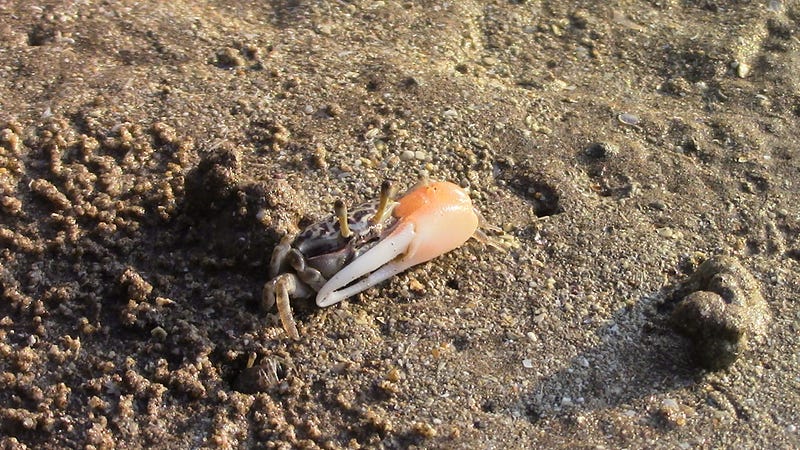
Once arrived at the park, your first step would certainly be on a sandy beach. The beach is covered by small holes created by tiny crabs. These crabs are sand bubblers and belong to the Dotillidae family. They are widespread in Southeast Asia. They are easy to spot on the sand because they create sand pellets which are radially organized around their burrow. Sand bubblers are so small that they do not have space for lungs under their carapace, consequently they developed a respiratory system on their legs.
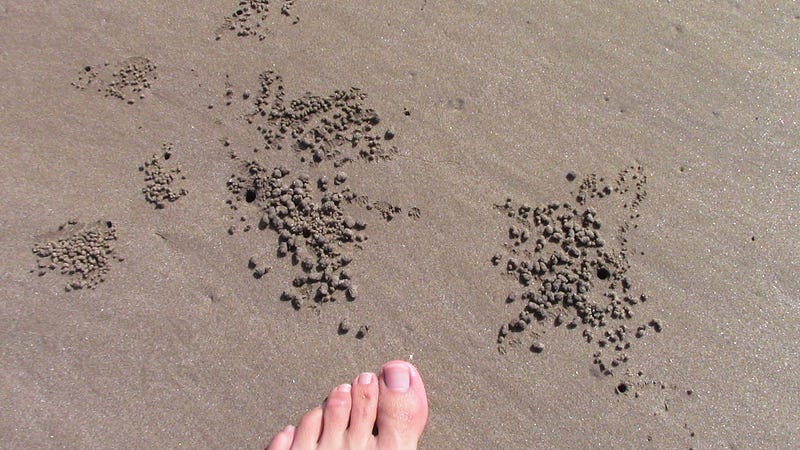
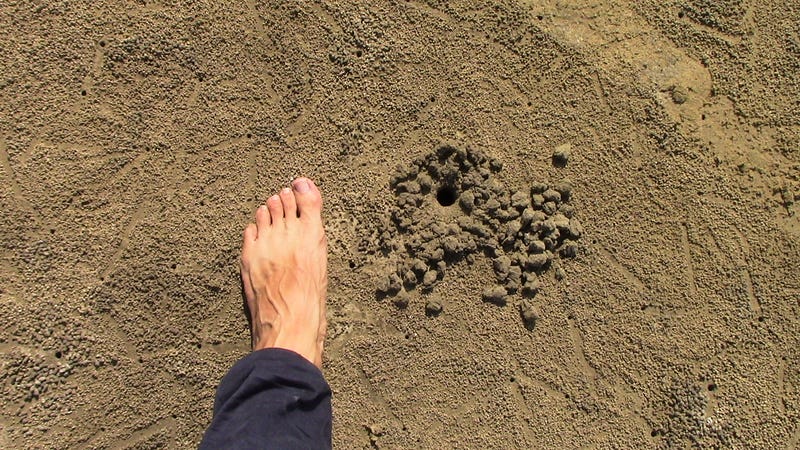
Nature is amazing! Look at this beautiful foot! © Thuan Sarzynski

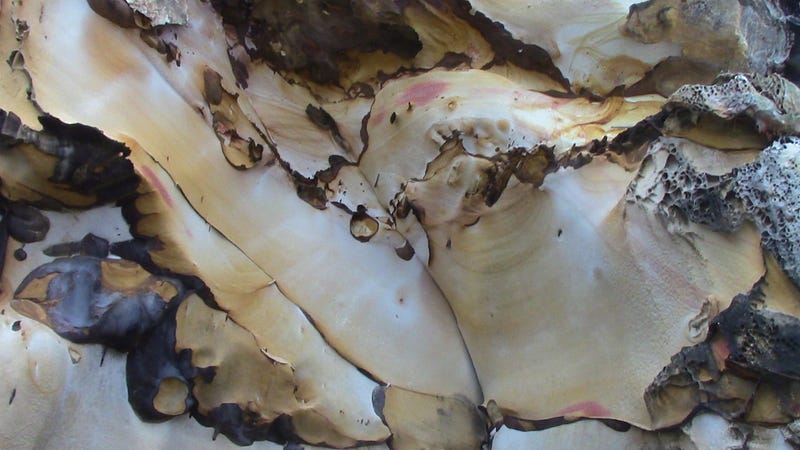
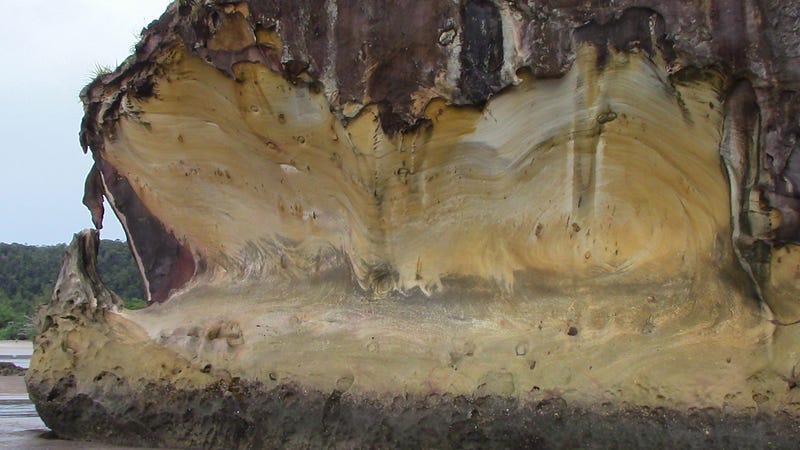
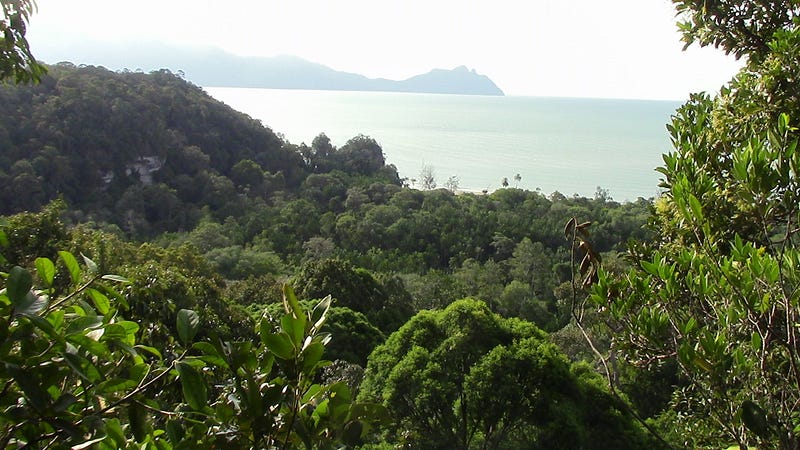
The view from the beach is stunning. Bako National Park is located on a plateau made of horizontally bedded sandstone and conglomerates dated from the Eocene period, 50 million years ago, and called Plateau Sandstone. The rocks of different hue and shapes give to the area a mystic atmosphere. These shapes are caused by rain erosion while the colors are created by the oxidation of the iron present in the rock.
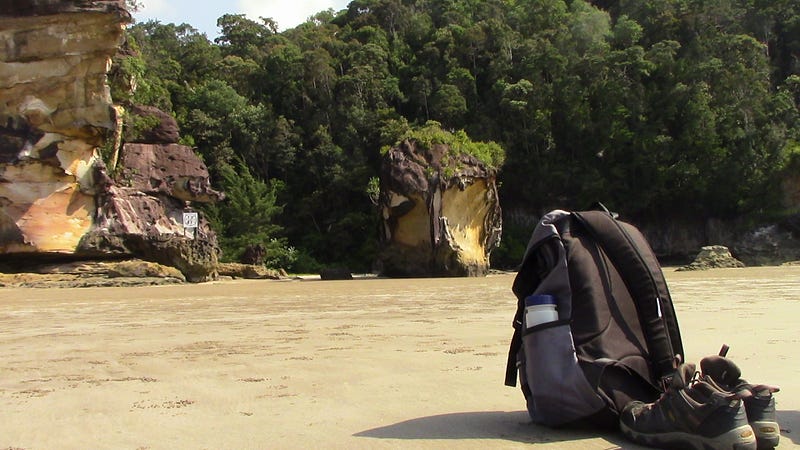
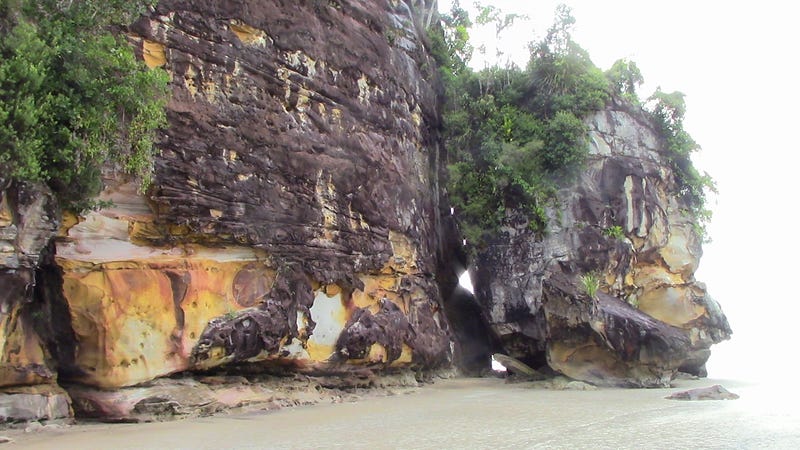
Mystic, isn’t it? © Thuan Sarzynski

The few infrastructures at the “entrance” of the park are some modest housing and a canteen for tourists. These buildings as well as several hiking trails were constructed to welcome local and foreign visitors willing to discover nature with friends or family and get away of their everyday routine. A large portion of these visitors are from abroad especially Europe. For such visitors, visiting Bako is a great opportunity to be close to Nature and observe wildlife.

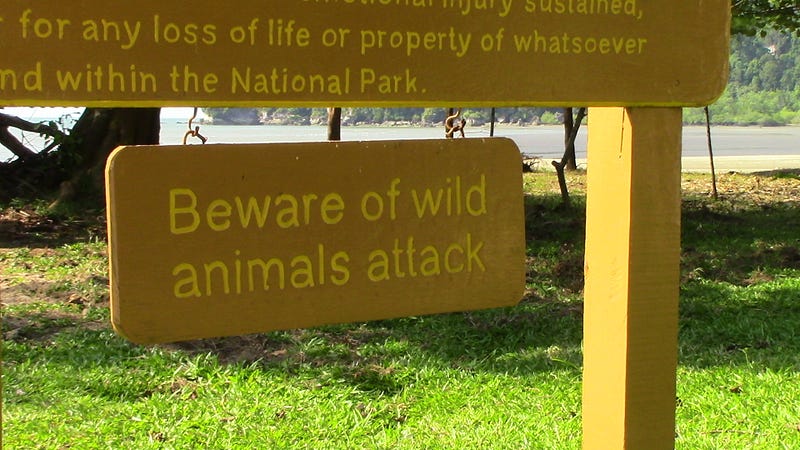
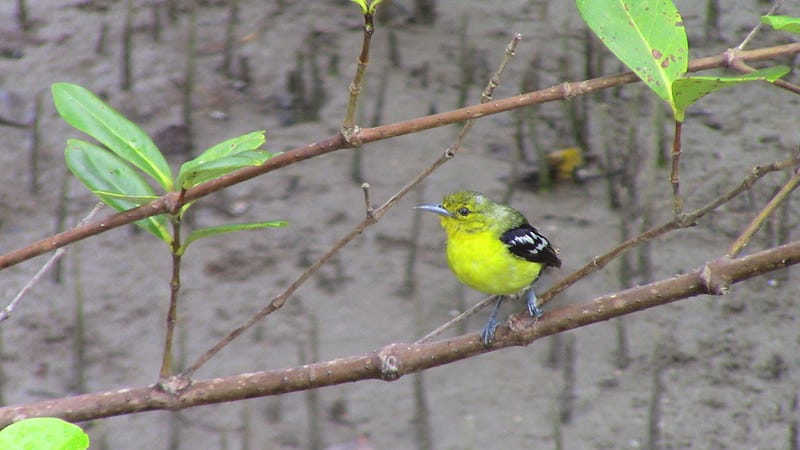
Wildlife in Bako is abundant spanning from small insects or tiny crabs to large snakes and monkeys. The first animals that tourists will encounter in Bako are long tailed macaques (Macaca fascicularis). These monkeys have learnt to live around human settlements and often raid unprotected food. Don’t eat outside!
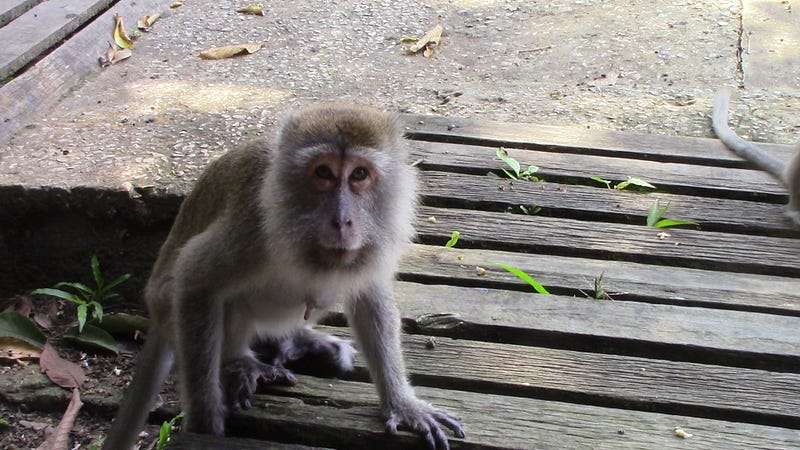
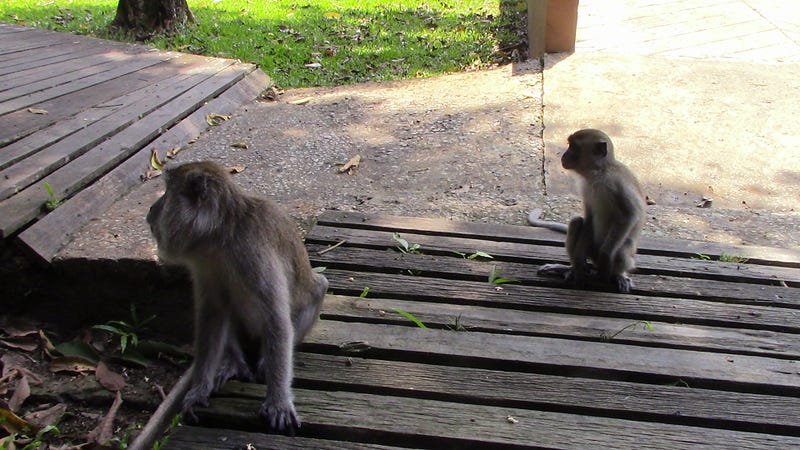
Macaques are evil! © Thuan Sarzynski

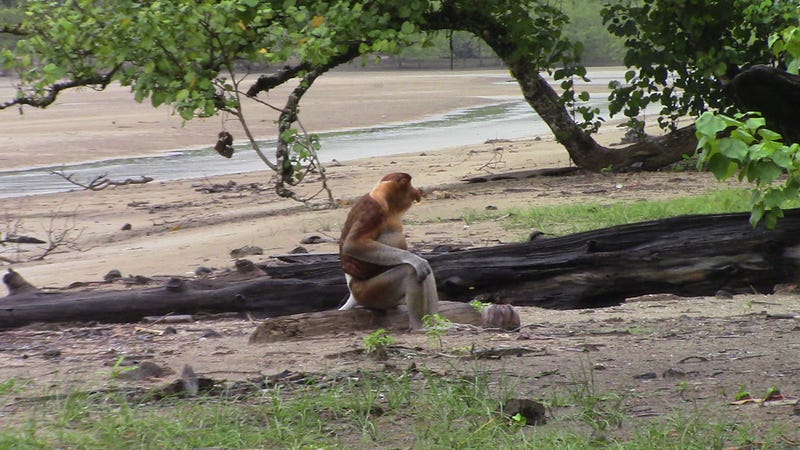
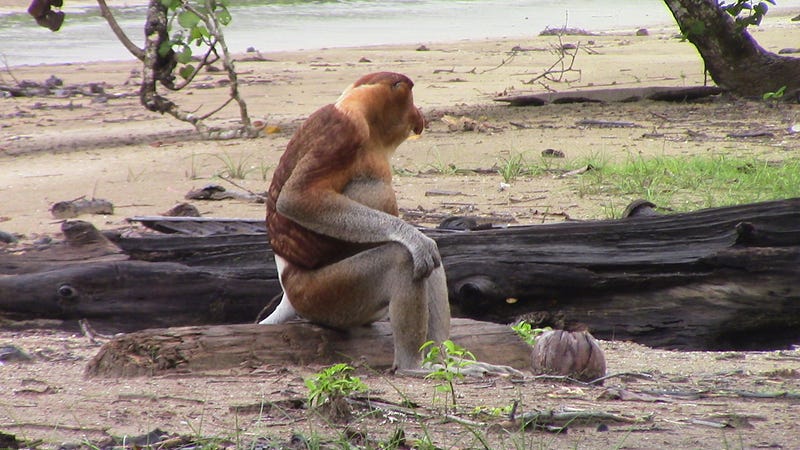
Another monkey which is symbolic of the area is the proboscis monkey (Nasalis larvatus). Males are easily identifiable with their long nose which can be up to 7-in long. The size of the nose is important to successfully attract female, in fact longer is the nose and louder are the calls emitted by the monkey. As a consequence, females can detect male and have an idea of their attractiveness without even seeing them.
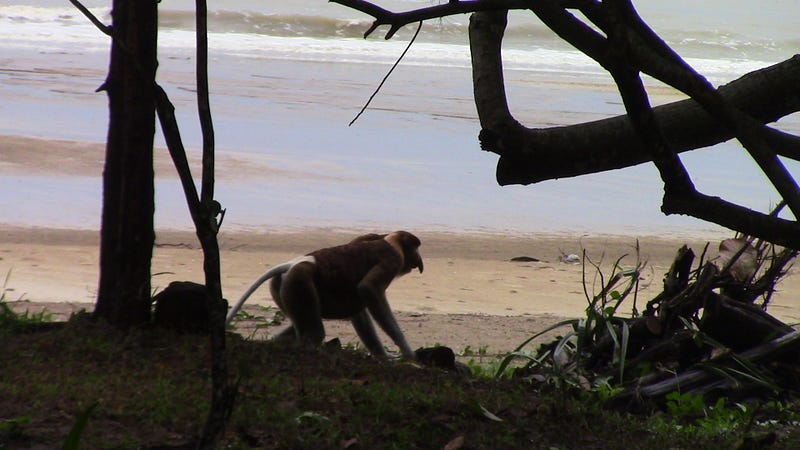
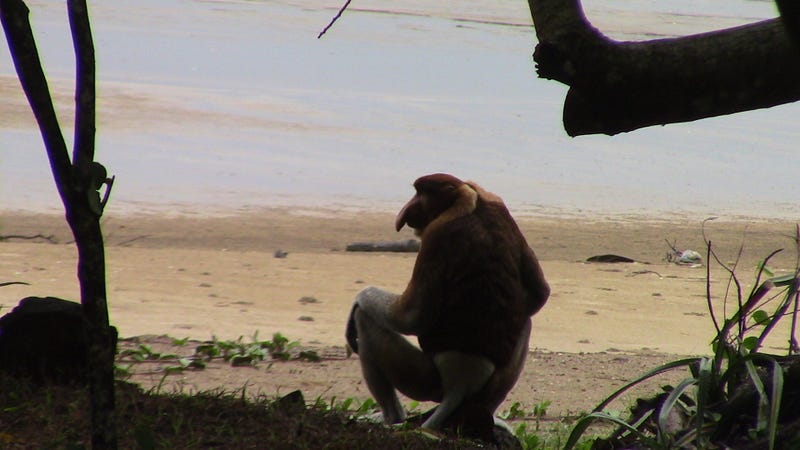
This guy looks familiar… © Thuan Sarzynski

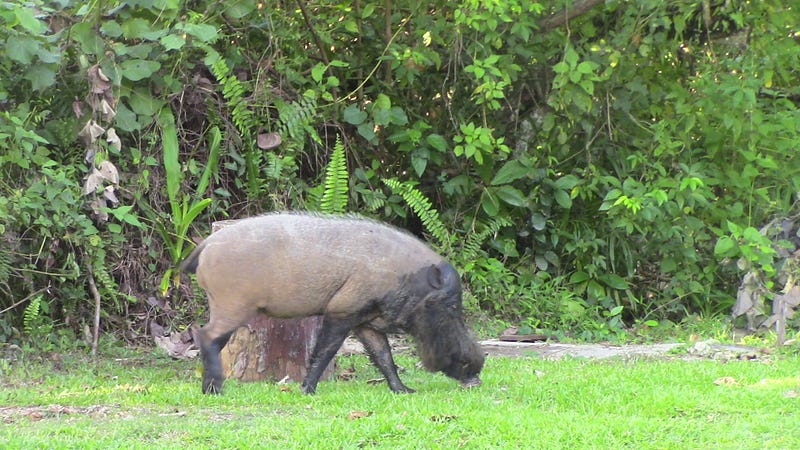
Less attractive but still very charismatic is the bearded pig (Sus barbatus). This wild pig is related to the pig used to make delicious hams. However, it is prohibited to transform the bearded pig into ham because it is classified as “vulnerable” on the IUCN Red list. The loss of habitat due to the expansion of palm oil and the large number of hunters have significantly reduced the population of this unshaven animal. In fact, most of the mammals and large animals on Borneo island are threatened by human activities and habitat loss.
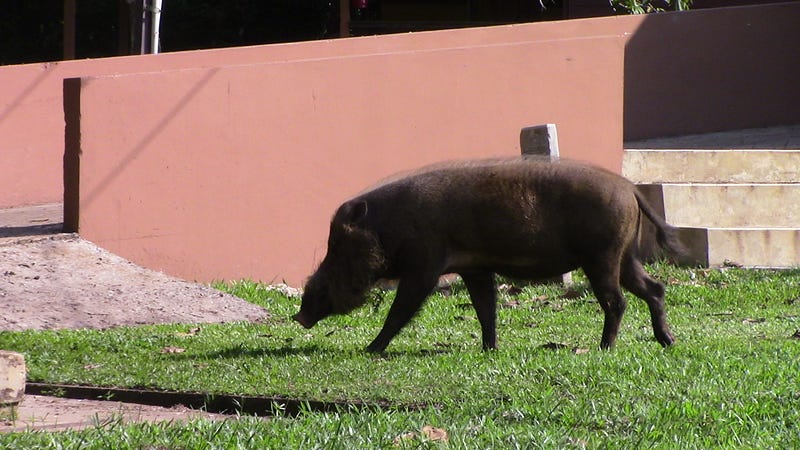
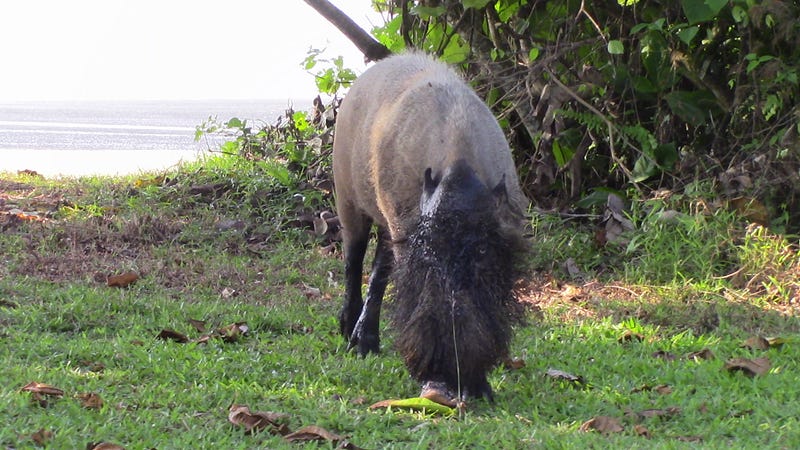
It should shave one day… © Thuan Sarzynski

The role of Bako national park is to protect the tropical forest and its various ecosystems to house the surviving mammals, birds and reptiles. Bako has different ecosystems such as mangrove forest, wet lowland forest, dipterocarp forest and keranga forest.

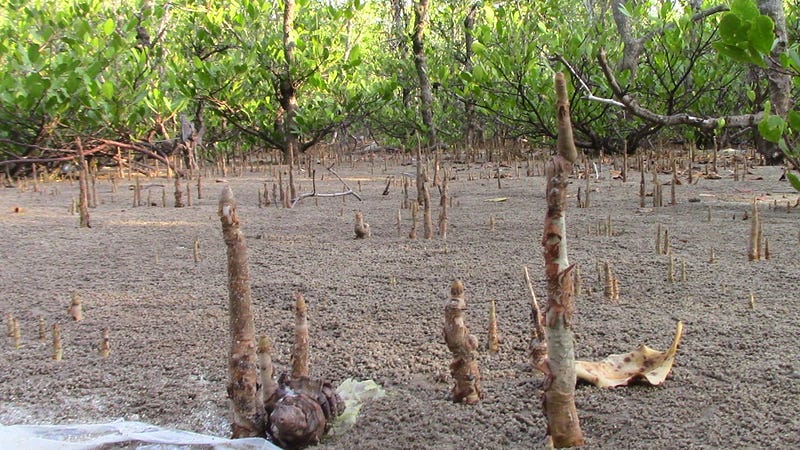
The mangrove forest is dominated by Avicennia and Rhizophora tree species. These plants have developed two adaptations to face the harsh condition of salty and water saturated soil. On the one hand, roots are able to grow upward to avoid water saturated soil and absorb oxygen through special structures called pneumatophores. On the other hand, specialized structure on the leaves can excrete the excess of salt which could harm the plant.
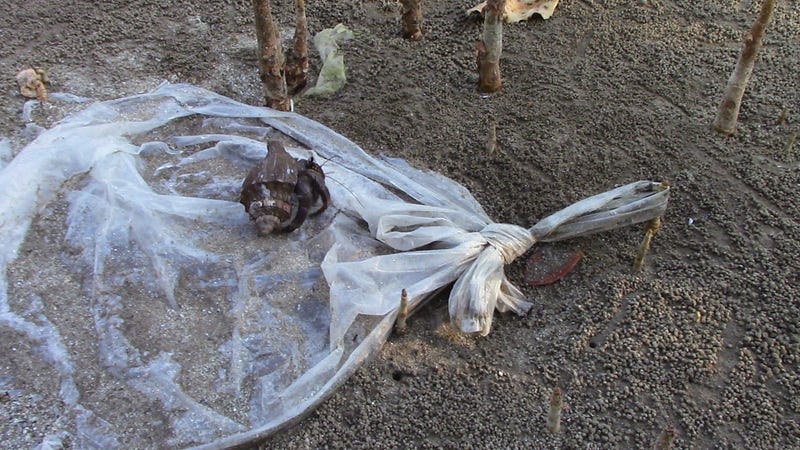
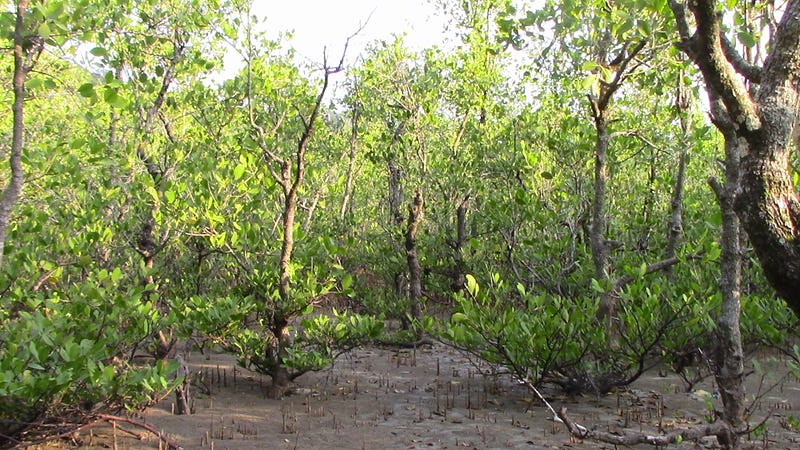
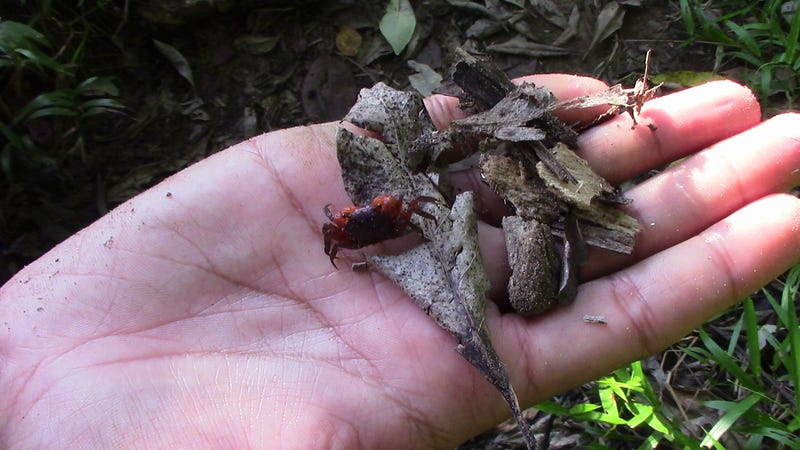
Bottom left are pneumatophores, and bottom right is a fiddler crab © Thuan Sarzynski

The lowland and dipterocarp forests have dense canopies and are dominated by dipterocarp tree species. This family of trees counts about 500 species including some which are 60 m tall and overtake the canopy. The leaves of this tree family have regular, straight and parallel venation pattern. Moreover, the petiole at the base of the leaf often slant to one side. Still, the most important characteristic which actually gave its name to the tree family is the presence of two wings on the fruits (from the greek diptero=wings and carpo=fruit).
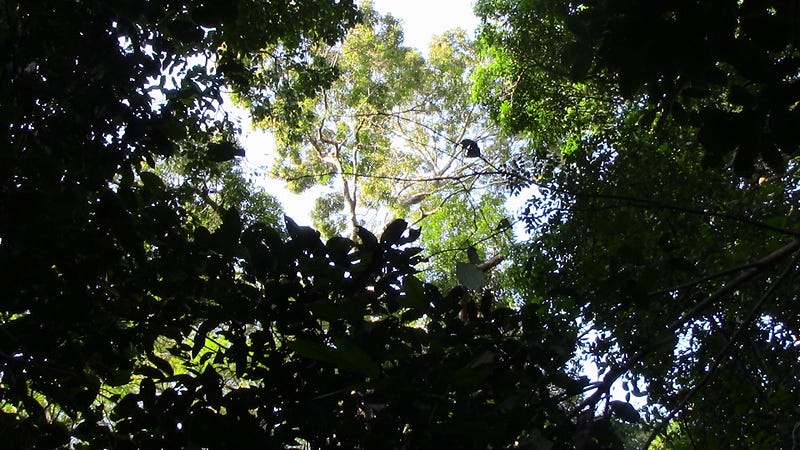
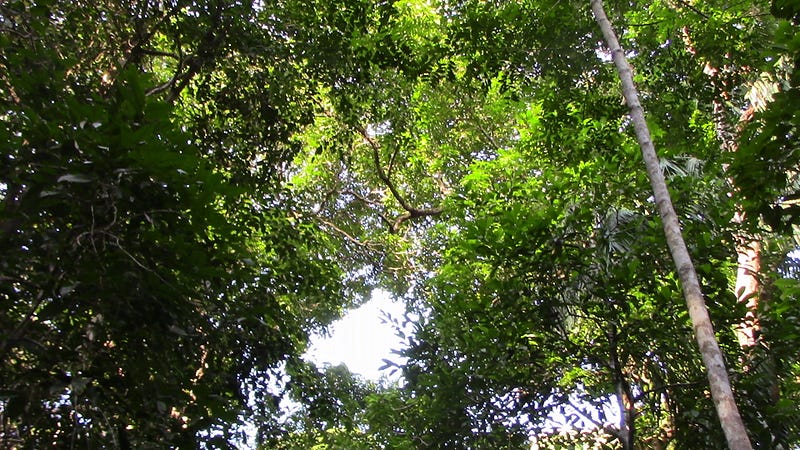
The tropical forest is wonderful and magical © Thuan Sarzynski

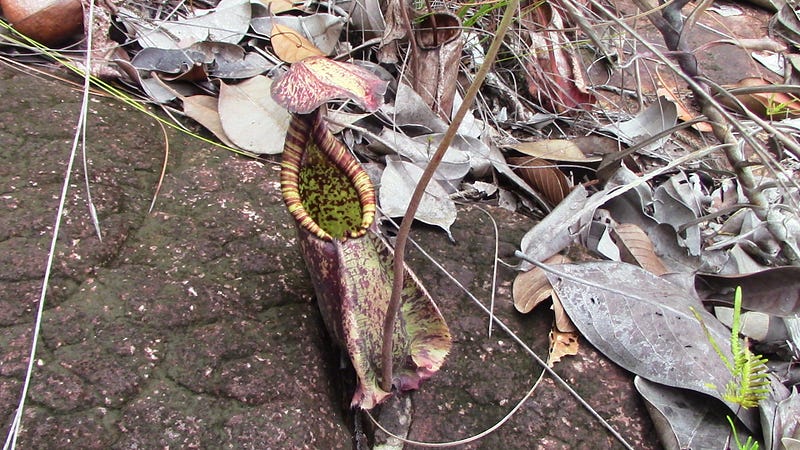
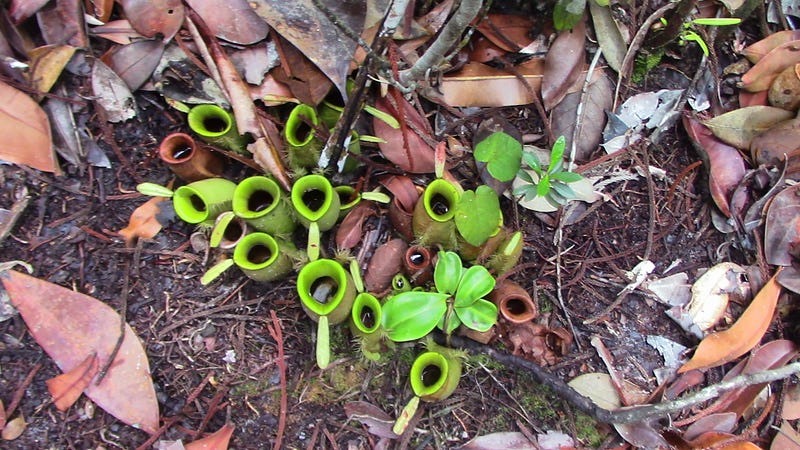
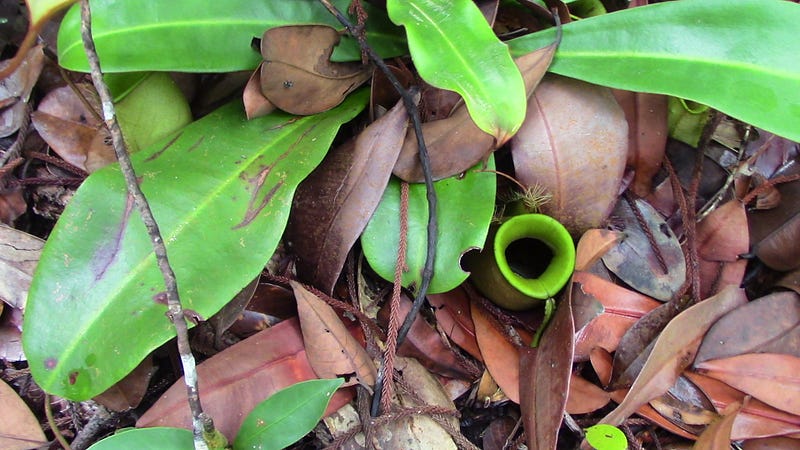
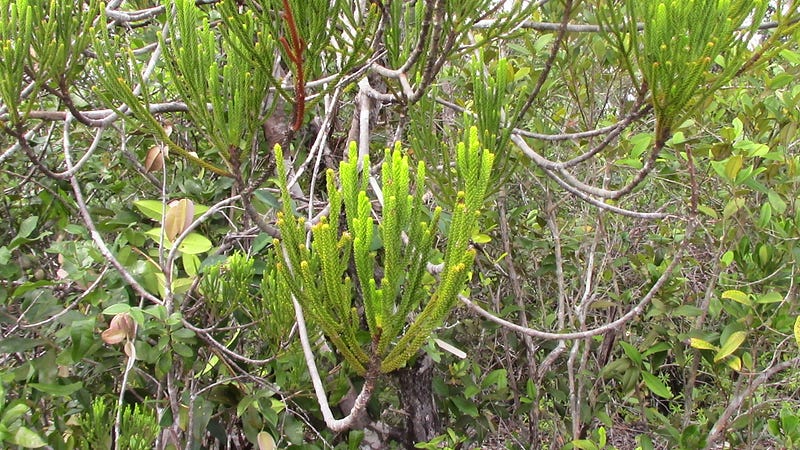
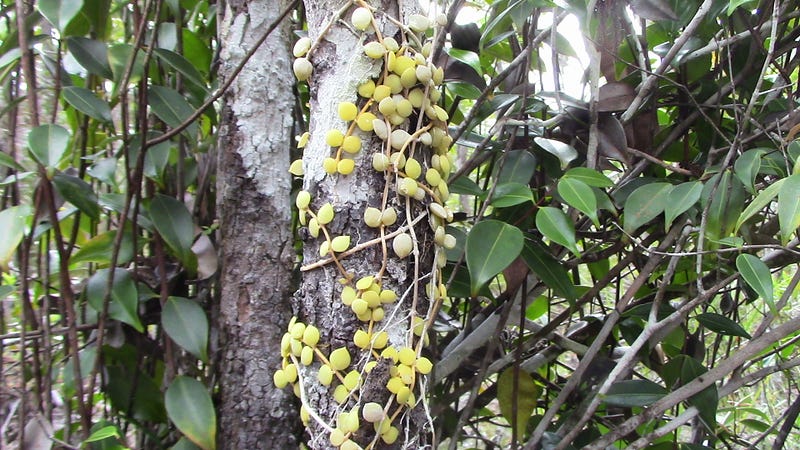
At a higher altitude on sandstone hills stands the kerangas forest. This forest is characterized by widely spaced stunted trees with a sparse leaf area growing on a nutrient poor soil. The lack of nitrogen and phosphate, important nutrients for plant growth, has forced plants to adapt and find other ways to get their food. Next to water ponds, on the wet soil, hikers can find another carnivorous plant. It has sticky hairs which attract and slowly trap unlucky insects. These Drosera plants are commonly called sundews because of their leaf sticky liquid which reflect the light. Hikers can also observe Nepenthes carnivorous plants which climb on trees. They are easy to identify with their hanging traps full of digestive fluid ready to attract insects and small animals. This plant genus counts 170 species which are spread around Asia, Australia and Madagascar. Another atypical plant of the area is not carnivorous but mutualistic. It teamed up with ants to get its daily meal. This epiphytic plant which grows up on other trees has developed a large excrescence hosting ant colonies. In this mutualistic relationship, the plant provides protection to the ants and ants’ wastes fertilize the plant.
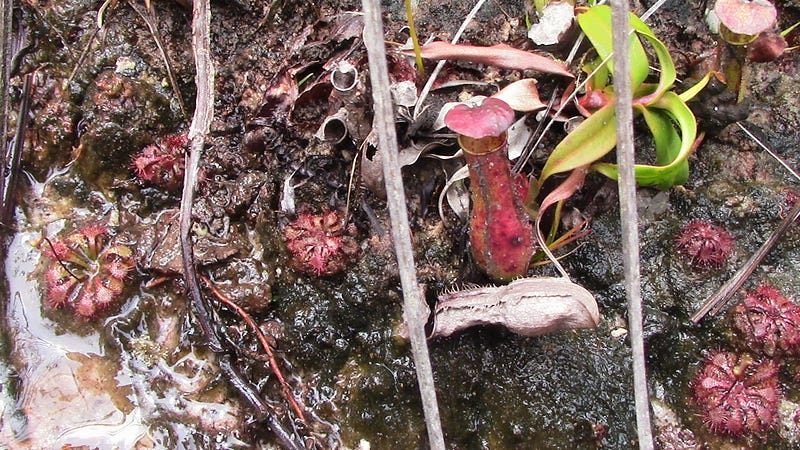
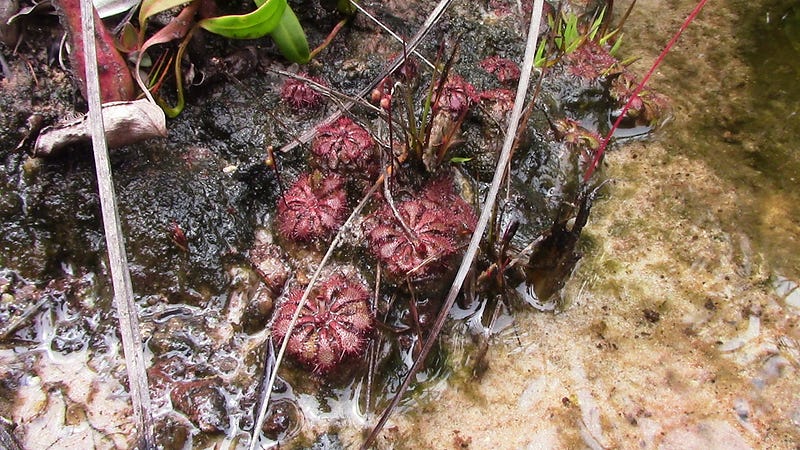
Beautiful carnivorous plants. Insects are slowly digested alive by them. © Thuan Sarzynski

Bako national park is an haven for the unique and threatened biodiversity of Borneo island. When agriculture and human development is constantly demanding more land from natural ecosystems, Bornean plant and animal species might find a safe place in preserved areas like Bako. Eco-tourism is an opportunity for nature lovers to have a look at life forms they would have never seen somewhere else, thus for local population it is an income and a way to conserve their natural heritage.
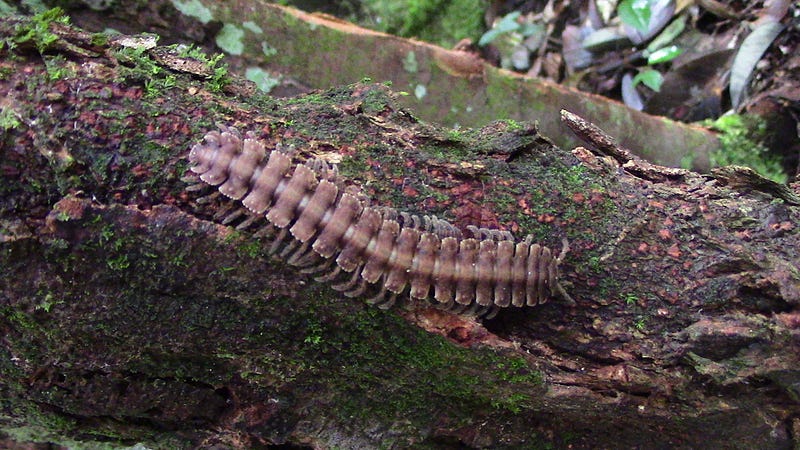
Centipedes are cute, no? © Thuan Sarzynski
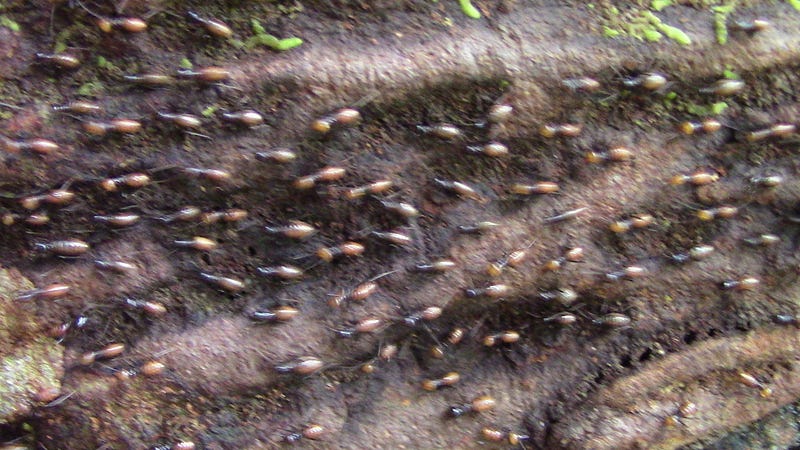
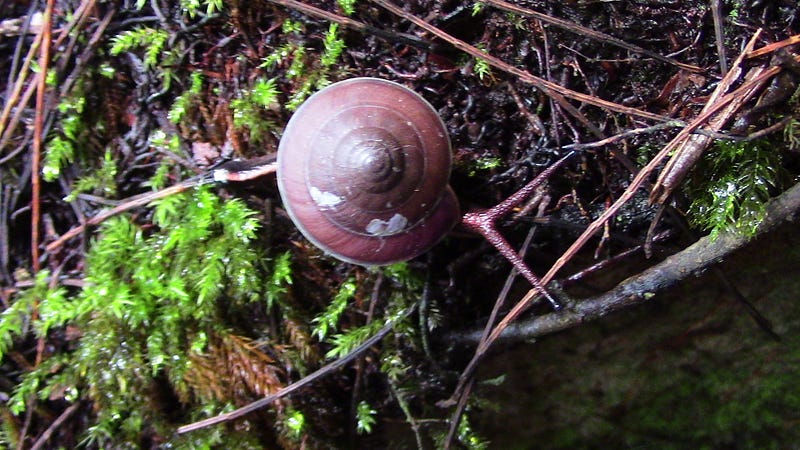
Middle: A termite colony. Right: Cute snail © Thuan Sarzynski
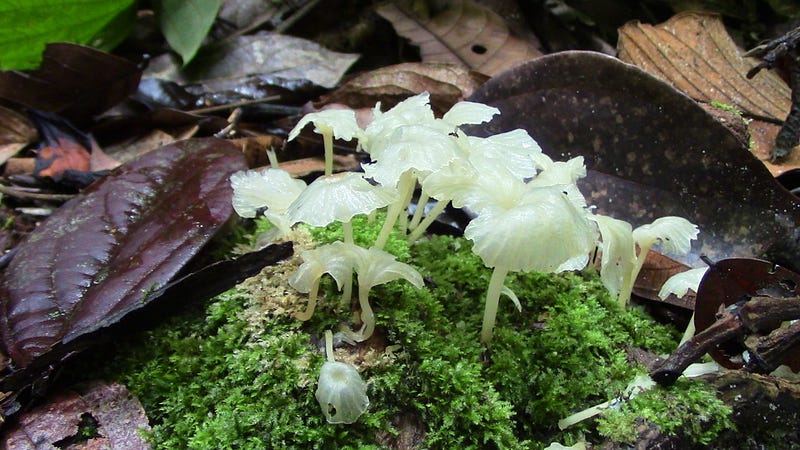
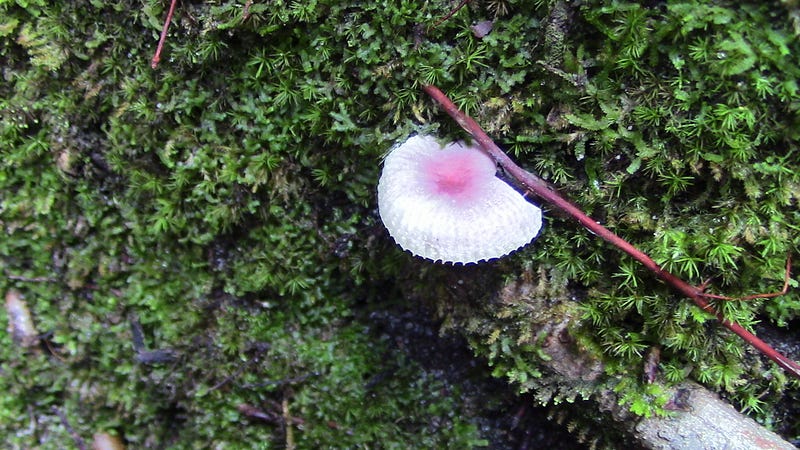
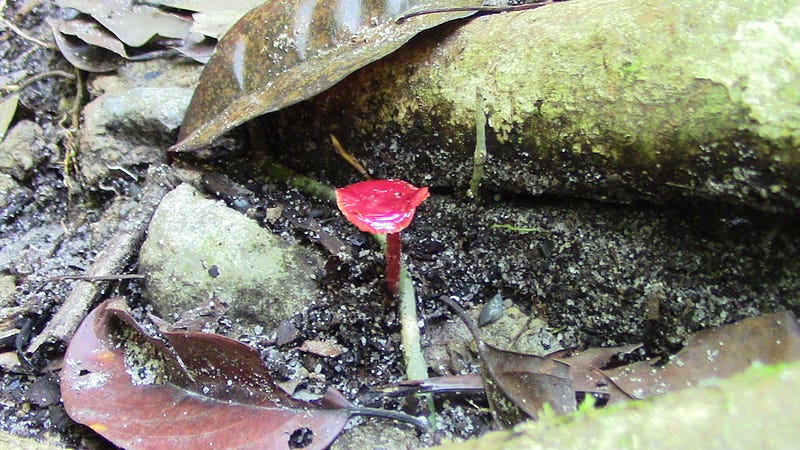
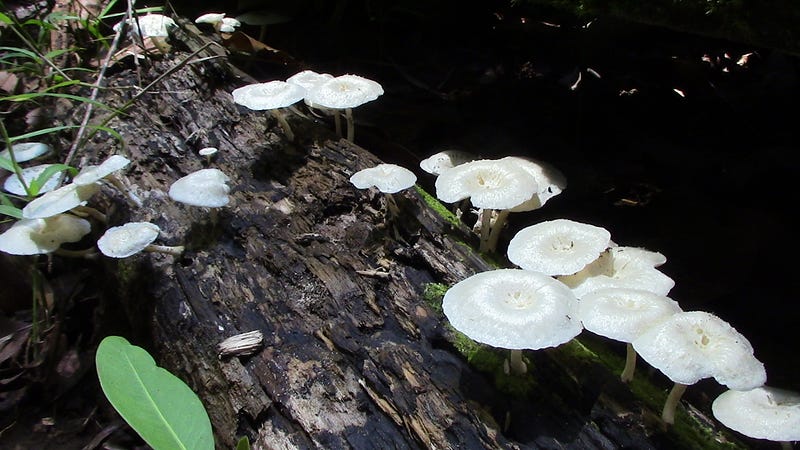
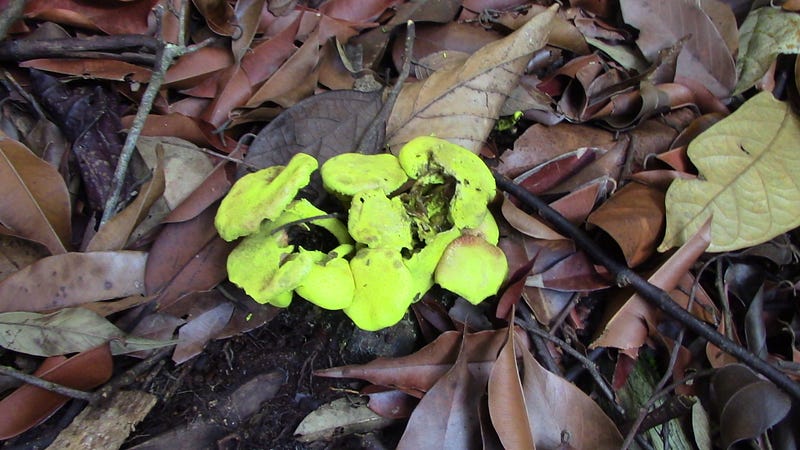
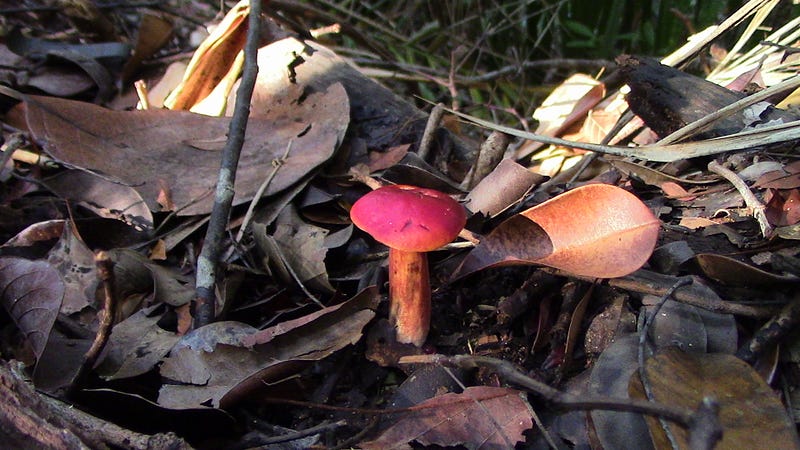
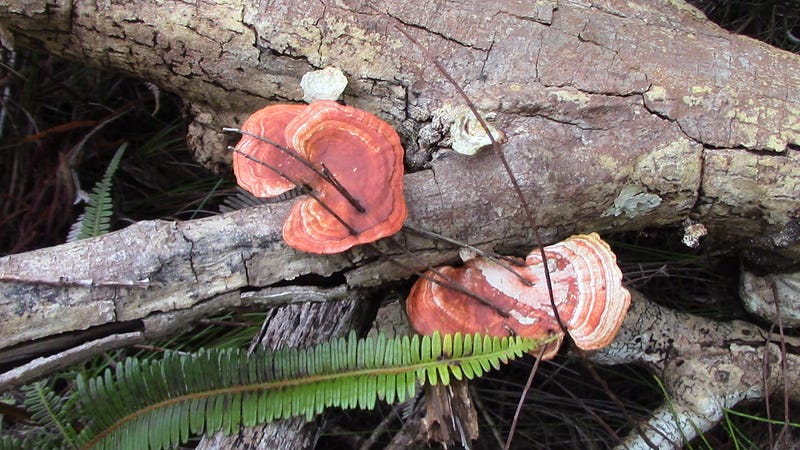
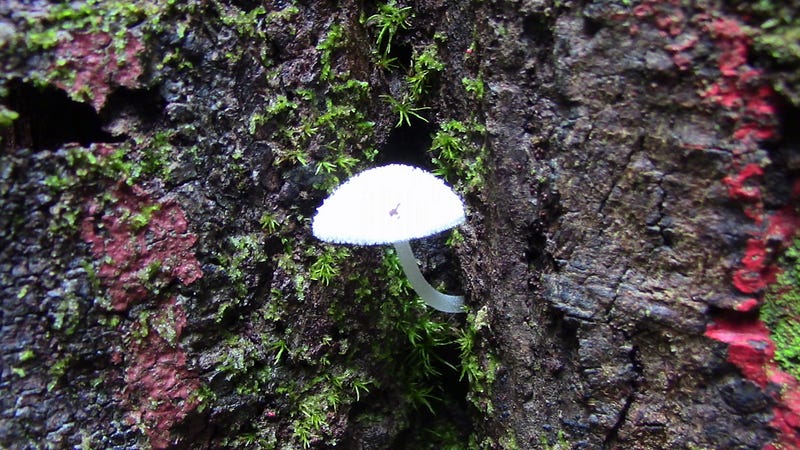
A collection of fungi for you!
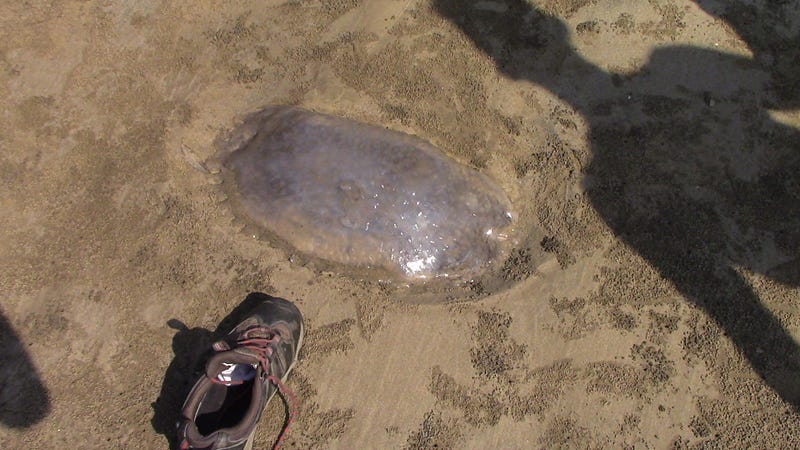
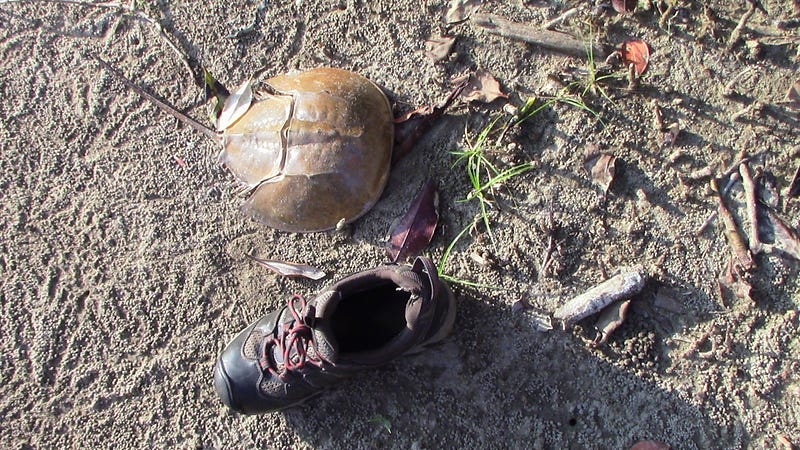
Left: jellyfish. Right: horseshoe crab. © Thuan Sarzynski
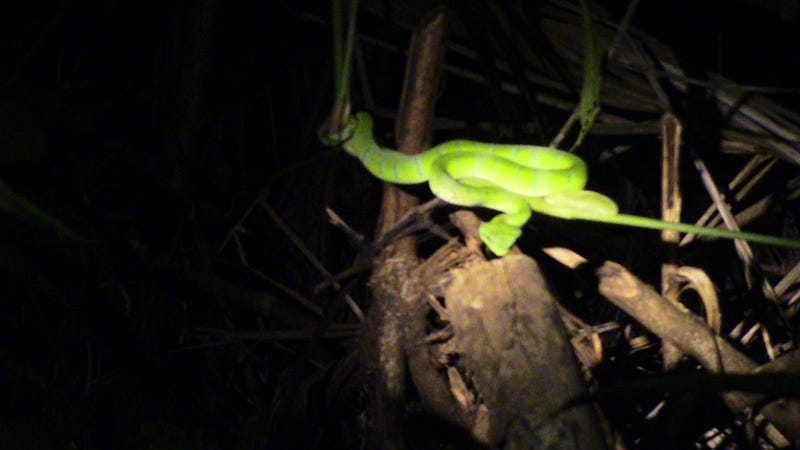
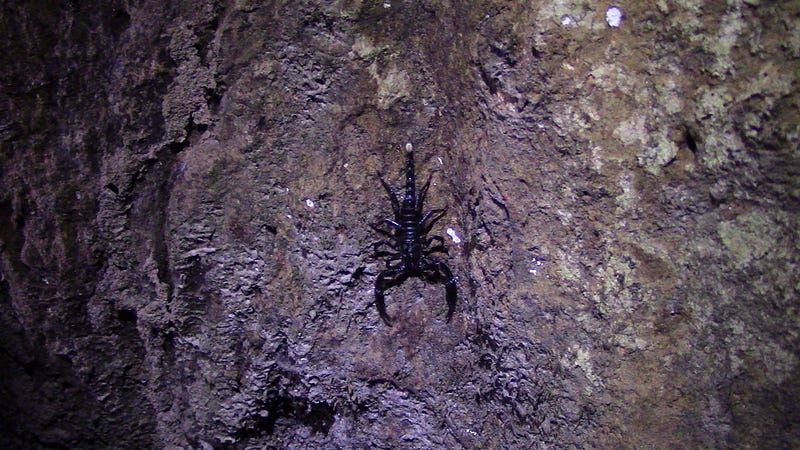
Dear Mom, the green snake bottom left and the scorpion bottom right are deadly
Borneo island is beautiful, isn’t it?
Environment
Nature
Travel
Photography
Wildlife
Recommended from ReadMedium