Visiting the Biggest German Winery
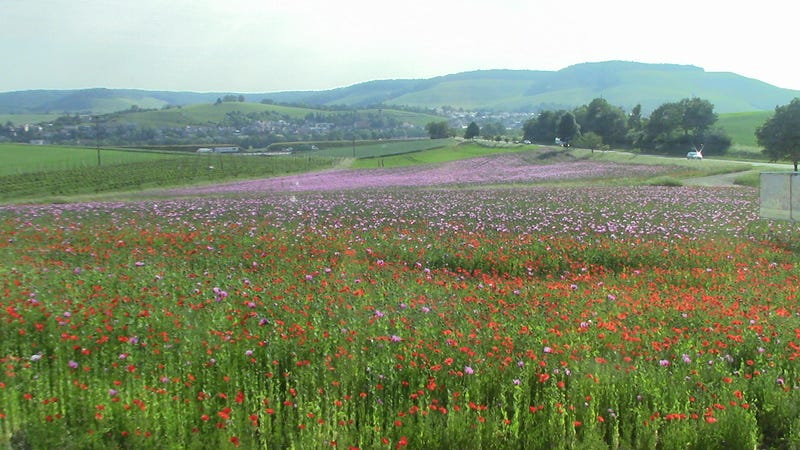
Last week, I visited the largest wine cooperative in Heilbronn in the south of Germany where the weather and soil conditions are suitable for growing wineyard. This cooperative was created in the 19th century so it’s a legitimate organization gathering wine growers since generations. In the last decades it gains in popularity and today 500 producers belong to it.
In the global market, it’s important for farmers to come together to make their voice heard both on the political and economic field. The cooperative achieves this and ensures a stable and fair price to the wine grower.
For the farmer, being part of this cooperative is the insurance of selling his grapes and get a fair financial reward from it. Moreover the cooperative manages the transportation and processing of the grapes. The farmer just has to keep in touch with the cooperative to know when to harvest the fruits.
Harvesting
The harvesting of the grapes has to be done when the weather conditions are optimal and the cooperative facilities ready to receive and process the grapes, thus it has to be plan carefully within a 4 weeks time window. To use heavy machinery and avoid compaction, the soil has to be dry and therefore the cooperative waits for sunny days before sending the combine harvester to farmers. The cooperative facility can process 700 000 kg of grapes per day separating the different grapes harvest by varieties and origin.
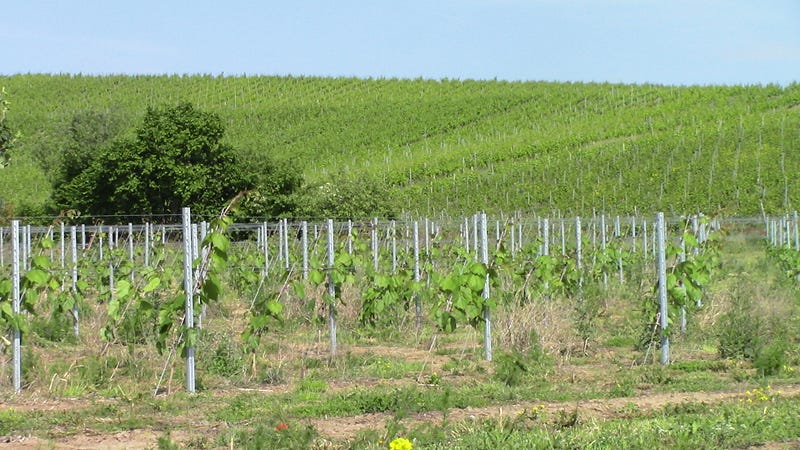
Half of the grapes are harvested with a combine harvester, the remaining fruits on the plant are harvested by hand. Plants located on steep slope cannot be harvested with the combine harvester.
The grape harvest is usually done in september by elders, students or workers from eastern Europe (e.g Poland). Harvesting wine is a very nice cultural experience and I’ll definitely try it out, moreover the worker can choose to be paid with the bottles of wine produced from his hard work!
For the farmer, using the combine harvester instead of workers is more profitable: harvesting by hand costs about 1400$/ha while with the machine it’s only 800$/ha. The combine harvester is also quicker than human: one machine harvests a hectare in 4 hours while 50 persons harvest it in 8 hours.
Processing
All the processing of the grapes into juice and wine is done in the cooperative facility. Grapes are processed directly after harvesting, they are smashed and pressed into juice. The collectors and pressing machines are only used during this 4 weeks of harvesting, it’s a huge investment for such a short time. To save on the energy bill, the processing facility is organized in a way that the gravity makes the grapes fall in the right machine and the juice flow in the right tank.
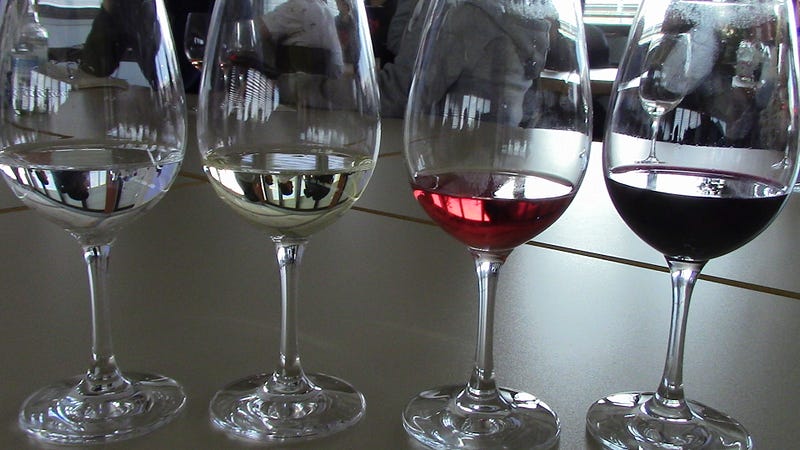
The color of the wine comes from the pigment of the grape skin. Longer the pressed fruits are fermented, more pigments are going from the skin into the juice and stronger is the color of the wine. For white wine, grapes are directly transformed into juice while for a rosé wine, the grapes ferment for 3 hours.
For the red wine, the pressed grapes are heated up at 80°C during 3 min. This way the fruit’s cells burst and release pigments and tannins into the juice giving it its deep red color and bitter taste. Another way to release these chemicals is to use yeast.
Sugars are transformed into alcohol during the fermentation which can lasts up to 3 weeks.
The final taste of the wine depends on the quality of the grapes but also on the way those are processed. Each winemaker has his own secrets to make a wine tasty… These secrets should stay secret, right?
Special wines : Premium and Eiswein
Some products proposed by the cooperative are more expensive and therefore have a special treatment during the cultivation, harvesting and processing.
Premium wineyard are carefully selected and grown. Weather, and soil have to respect strict conditions. Plants are intensively pruned so the fruits receive more sun and nutrients. The farmer has to send a picture of his pruned plants which is then analyzed automatically by a program to check if it was correctly pruned. The harvest is done as late as possible at the exact right time. A farmer cannot cultivate more than half hectare because grapes has to be collected by hand in less than a day. This high quality control ensures the uniqueness and taste of this premium wine.
The “eiswein” translated ice wine in English, is a wine which was harvested at the end of the year when it’s cold: -7°C. The cold condition forces the plant to store more sugar into its fruits. The high concentration of sugar gives a special taste to this wine. This type of wine is rare because its production is only 300 kg/ha while a normal wine is 4000 kg/ha.
Bottling and storing
The cooperative has huge barrels which can contain more than a million liters of wine. In the underground the temperature is constantly cold and the smell of yeast is omnipresent, it smells like cheese. The barrels are so high and large that the atmosphere feels a bit mystic like in a church.
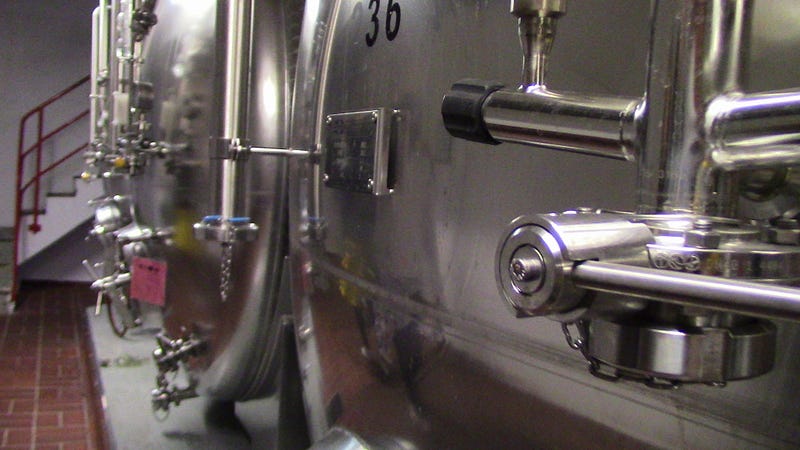
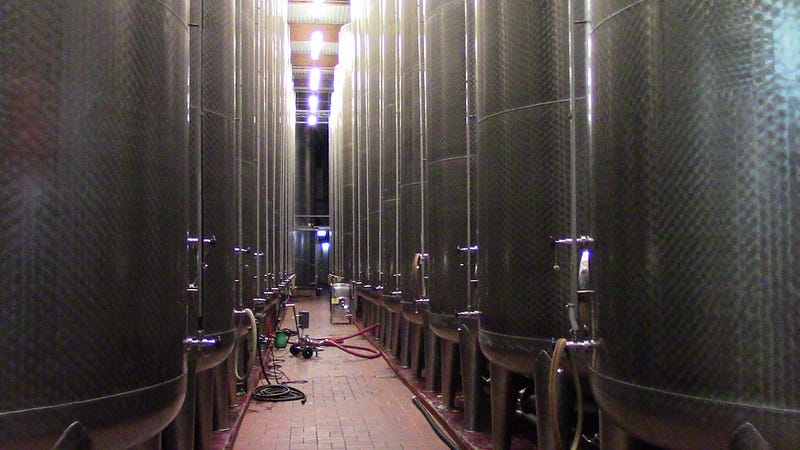
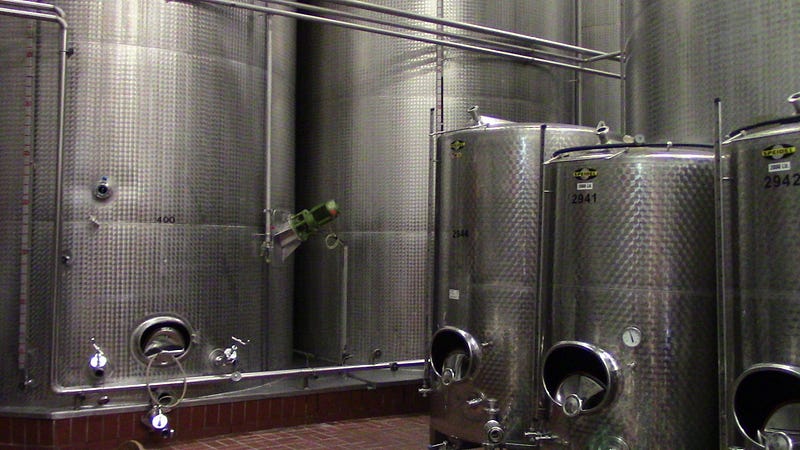
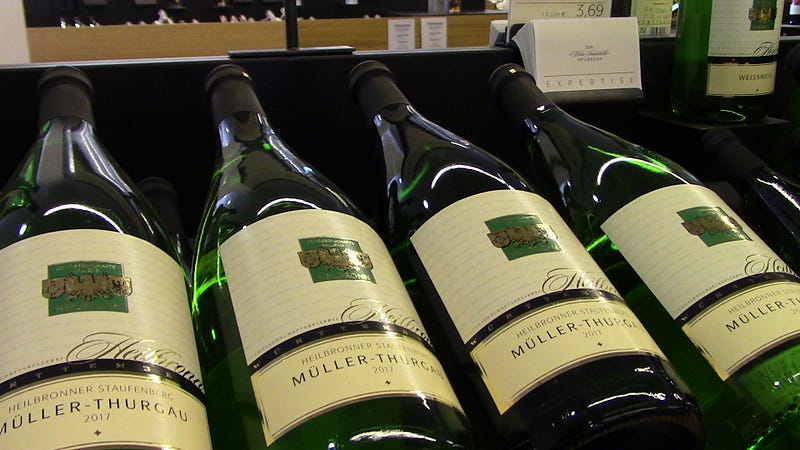
Yeast residues used during the fermentation are dangerous once the wine into the bottle, they continue to produce gas, increase the pressure and can make the bottle explodes. In this case the cooperative would be responsible for these damages, that’s why the wine is sieved and filtered when put in the bottle. The wine is bottled in 1 L standardized bottles, packed in large cardboard boxes and sold to retailers. In Europe, wine can be as cheap as 3 euros a bottle. That’s amazingly cheap compared to the price of hundred euros in Asia or America.
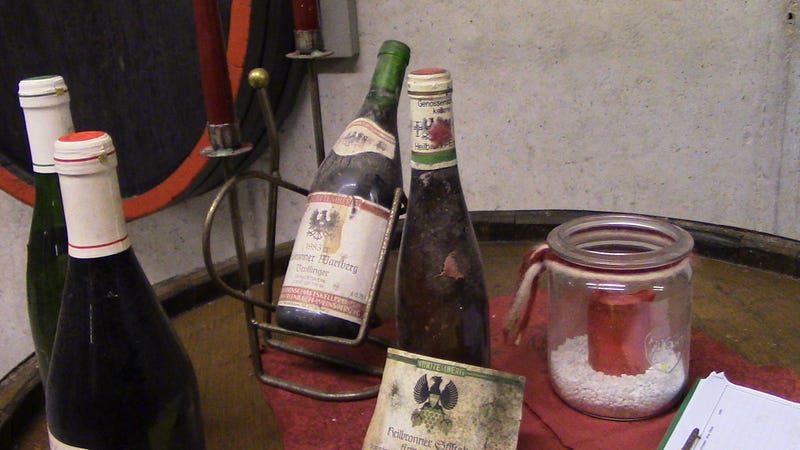
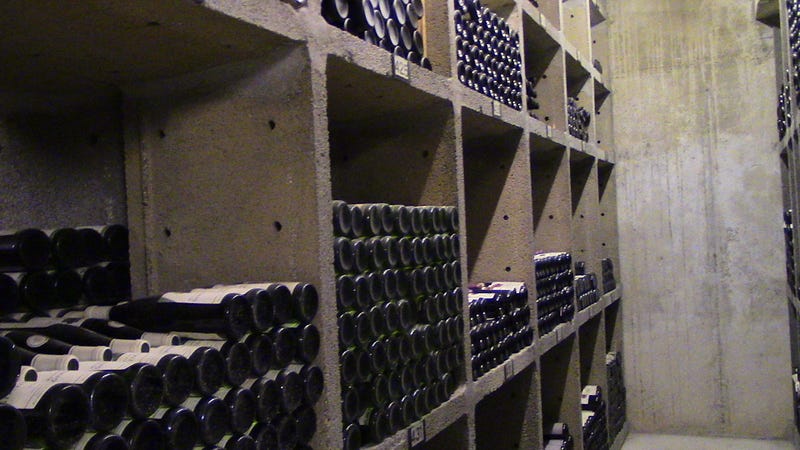
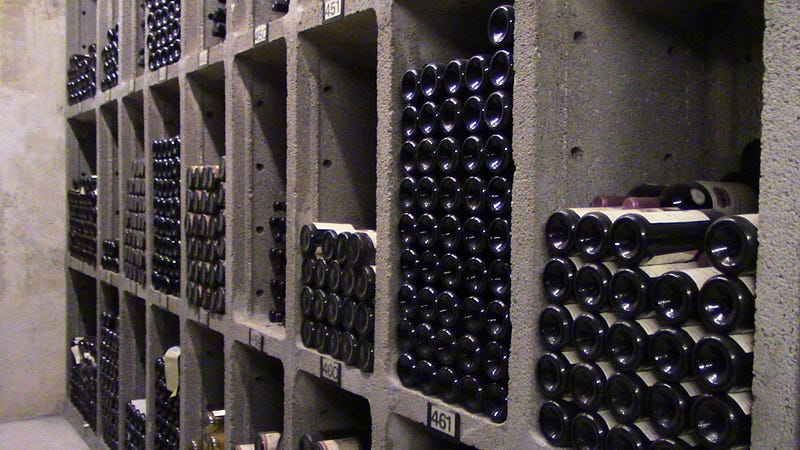
Every year, the wine taster of the cooperative selects the best hundred bottles and stores them in a secret room. This room contains the treasure of the cooperative, 40000 of the best bottles produced in the last decades. The oldest bottle dates from 1959. Every winter, the wine taster comes in this room and tastes each wine to ensure its quality. Seems like a hard job, right?
Marketing strategy
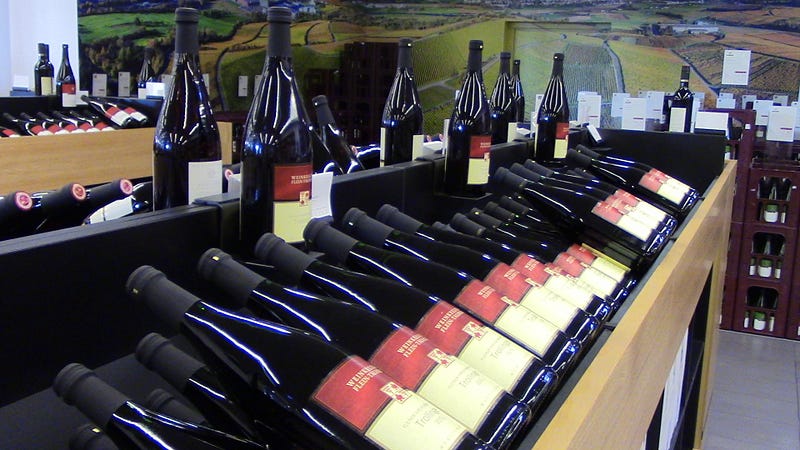
20% of the wine is sold directly to customers, 40% to discounters and 40% to normal retailers. Now the wine market is difficult and on average people don’t want to spend much money for a bottle of wine (~3 €). To attract customers and increase the interest of people in wine, the cooperative created their own store next to the production facilities. The cooperative also created a space for activities like music and movie festivals. In total the cooperative organizes events 200 days a year. When people come to these events, they can have fun, taste the wine and then buy it. There are even two camping spot with electricity and water for camping car.
Wine grower in Germany
Wine growers in Germany are mainly smallholders farmers owning few hectares or even less than one hectare, the farmer with the largest land in the cooperative owns 45 ha.
They usually inherited the land from their parents and want to keep it. Many farmers are cultivating their wineyard as a part-time job because a minimum of 8 hectares are needed to produce enough grapes and become full time. Even if there are machinery being developed, producing wine is still a hard job with many tasks to do by hand. That’s why less and less young people are attracted by this way of life.
In Germany, subsidies are given to farmers depending on investment, diesel consumption, environmental practices and land area. For the latter, wine growers are very disadvantaged because as mentioned earlier they own only small areas.
One of the technology which can improve farmers’ life is the Internet of Things. A farmer, I met during this excursion was using a meteorological station connected to a research center which analyzes these data and advices the farmer about potential pest emergence during wet period. When the meteorological conditions predict a pest emergence, the farmer applies pesticides on his land. Depending on the humidity, the farmer knows how much and how often he has to apply pesticides. This system helps the farmer to control the pest risk without overusing pesticide.
Take-home message and acknowledgement
Wine production is an amazingly interesting topic and you should definitely dive into it. The cooperative achieves its goal, they now have a new wine drinker.
Thank you to the Dr. Birner and Ms. Birkenberg from University of Hohenheim for organizing this excursion and thank you to the Heilbronn cooperative for receiving curious students in their facilities.