
Key Practices For Artists
And by artists, I mean all creative people.
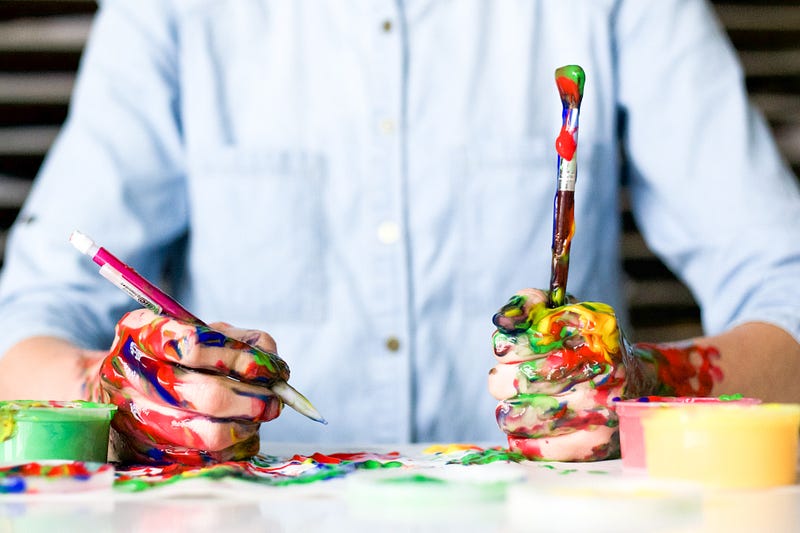
One of the most significant hurdles professional creatives have to deal with is the danger of becoming stuck in a rut or failing to find inspiration to continue their work. The struggle might be in maintaining the passion. It might be problems with staying fresh and current.
Sometimes it’s simple isolation.
Fortunately, it doesn’t have to be this way.
Here are a few simple suggestions to help keep your artistic self whole.
Find Quiet Spaces
Inspiration may be everywhere, but the world can also get a bit noisy and distracting at times–too noisy and distracting. While it’s great to find inspiration, take that inspiration to a quiet place for you to think about and then work on.
Freeing yourself from unnecessary distraction enables you to hear what your brain has come up with more easily, and you can then turn your inspiration into art.
Don’t Ignore the World
Musicians listen to music. Writers read. Artists go to museums and galleries.
Would it surprise you to learn that successful artists also seek experiences outside their medium? Examples from friends of mine:
- Mike has written over 50 novels has seen every Broadway musicals made in the last 35 years.
- Maryanne is a respected short story writer and editor. She is also the best Sri Lankan cook in the Chicago area.
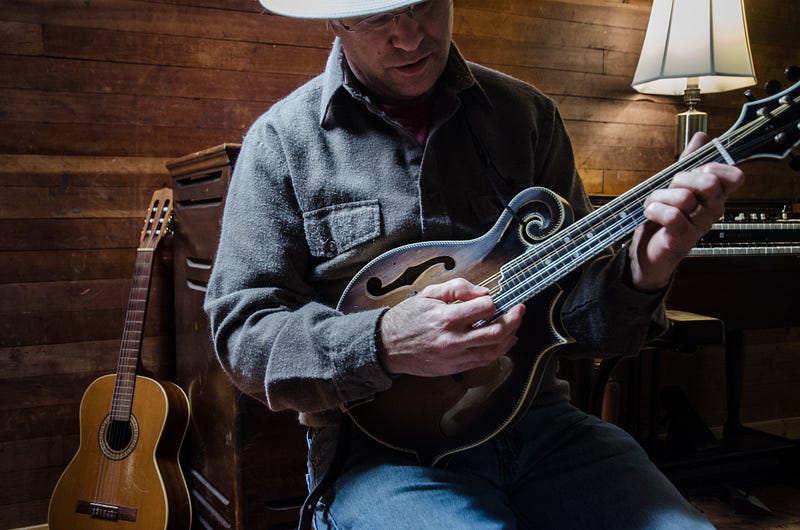
- Bill is a professional bluegrass musician who makes his own furniture and sells them at craft fairs.
- Bob is an award-winning painter who is also a leading authority on Godzilla.
- Keith is a set designer for a world-renowned performing group. He rebuilds classic motorcycles in his spare time.
While it’s important to be devoted to your art, cultivating other interests makes you a well-rounded person and a better artist.
Don’t Fall For Artist Stereotypes
This is aimed at younger artists. I think older ones learn this eventually, but if I can save you some time and hassle now, that’s a win.
Don’t let some nebulous idea of what society thinks an artist is like define you. Writers do not have to cultivate a drinking problem. Painters do not have to function in a manic state. Musicians don’t need a drug problem.
You can be you, and that’s perfectly valid.

When I was younger, I knew too many wannabe writers who cultivated a Hemingway or Bukowski-esque alcoholism who never really ended up doing much of anything. In fact, most of the successful working writers I know barely drink. Some don’t drink at all. Likewise, the musicians I know consistently putting out music do not spend their nights partying.
In both cases, the musicians and writers are all too busy creating for that kind of nonsense.
Join a Creative Community
With the Internet, it’s easier than ever to find a community of like-minded souls to join. As creatives, we are not condemned to live in an isolated bubble of our own experiences and perspectives.
There are thousands of places and groups online where artists can gather to share work, feedback, advice, and more. These places and groups also offer valuable networking opportunities.
If online isn’t your bag, there are very likely places near you that may be a gathering place for other artists, writers, and the like. Check out local libraries, community centers, and other public spaces to see what’s going on.
The idea is to seek out like-minded artists–either online or in real space–and discover how being part of a community can help you grow personally and professionally.
Welcome Feedback and Criticism
This is what separates the amateur creative from the professional.
If you’re an artist who has no interest in other people’s opinions or reactions to your work, then more power to you.
You be you.

But if you want to make a living at this, you need to collect feedback concerning your work and what you can do to improve it. This means putting your ego in check, but it’s for a good cause, right?
Don’t hesitate to use the resources available to you to improve and grow as an artist. While you may want to be careful about relying too much on other people’s opinions (you still need to be true to yourself), you also want to keep an open mind.
Use your judgment on how valuable feedback is. Not all criticism is equal, but you owe it to yourself to at least listen.
Keep A Sense of Perspective
Being an artist is hard. One reason is that it’s tricky knowing how to measure success.
Sure, one way is to look at how much your work earns you, but it’s about more than money, too, right? Are you happy?
Or are you on the road to burnout?
Enjoy what you do. If you can make a living from it, great! Not everyone can. The tips presented in this piece are some ways you can nurture your creative self.
But if you don’t enjoy your work, maybe you should find something you do enjoy and find another way to make a living.
But nothing is set in stone. You can try again later. Sometimes the results are different.
I’ve been living a creative life for over three decades now, but it’s only within the past ten years or so that I feel I’m hitting my stride.
The journey is challenging but worth it.
Yes, I’d recommend it, but I also urge you to keep a sense of perspective. Do what makes you feel good more than what makes you feel bad.
When they say “follow your heart,” they’re giving good advice.
Cheers!
About John Teehan
John lives in Rhode Island with his wife, son, and dog. He specializes in tech, health, business, parenting, pop culture, and gaming. Visit wordsbyjohn.net for more info and rates. Twitter: @WordsByJohn2