
Let’s Talk About Controlling Distractions
Get control over your work habits and space.

I don’t mean to be the cause of distraction, but hey.
It’s a thing. And I won’t spend too much time talking about this so you can get back to work if you need to.
There can be many reasons why we allow ourselves to get sidelined while working from time to time. In some cases, it’s because our heart isn’t into whatever it is we’re working on, and I’ll get to that.
But in most cases, it’s our environment.
Let’s discuss.
Physical Distractions
This could cover anything from a messy desk to a workshop with tools lying all over the place.
Clutter means difficulty finding things when you need them. It means the high possibility of a pile of papers falling off your desk and spilling across the floor. It’s the rank smell of a three-day-old tuna sandwich in your drawer.
Tidy up, man.
Believe me. From harrowing experience, I know how much a neat and clean work area can help you focus. It’s order over chaos, and it’s an extension of your ability to keep things in control. If you can keep a tidy work area, you can keep a firm grip on your work routine.
Digital Distractions
Some people work well with background noise. Others don’t.
I like listening to jazz while I work. Some people hate jazz and prefer heavy metal or podcasts.
That’s all fine so long as it supports your focus.
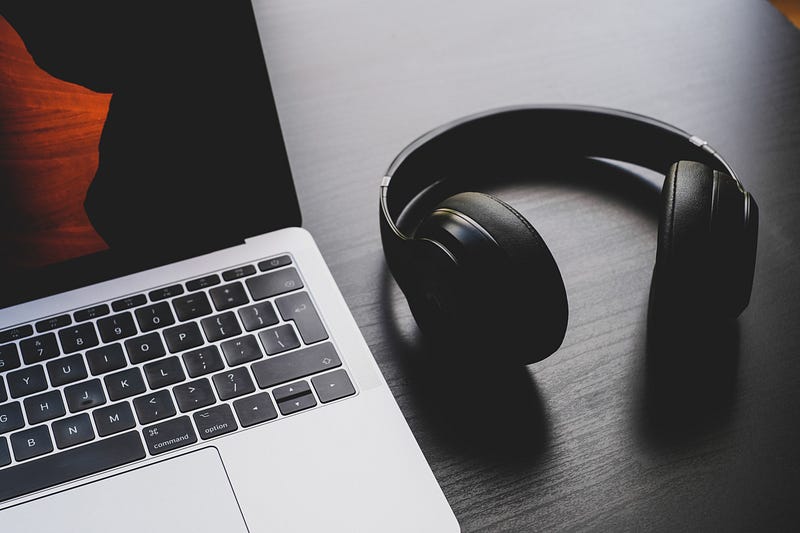
If it doesn’t, turn it off. Or, if you work in an environment with noisy co-workers or housemates, then try earplugs or noise-canceling headphones.
If you play podcasts just to hear some voices during your workday (a common need among those who freelance or work from home), don’t make it a podcast you really need to pay attention to. Just let it be background noise.
If you have a TV or streaming video on nearby, switch it off. It ain’t going anywhere, and you can catch up on the latest Netflix offerings when your workday is done.
The Call of the Wild
Another way to describe this would be social distractions–particularly social media.
Pick a dedicated time in your day for hitting Facebook, Instagram, Twitter, or whatever. Otherwise, turn your notifications off. Place your smartphone screen-side down. Ignore your social media. Like the Netflix offerings, they’ll still be there when it’s time to take a break.
Otherwise, you’ll find yourself randomly scrolling for just another minute until an hour has passed and you’ve gotten nothing done.
But not all social distractions are digital.
Ask co-workers to respect your need for focus and avoid interrupting you whenever possible. The same goes for friends and family if working from home.
When your workday is done, socialize as much as you can, but until then, it’s okay to put up a bit of a barrier if it helps you focus.
The Buzz Inside Your Head
Sometimes the distractions are inside our heads.
That doesn’t make them any less real.
If you’re feeling anxious about a job or something else, take a few minutes to breathe. Put things in perspective. Acknowledge the effect anxiety or other issues have on your work and see if you can’t set them aside for a bit longer.

Remember, though, that if some significant problems are going on in your life, it’s okay to put work aside and deal with emergencies. Not doing so is only going to lead to more serious distractions.
It’s okay to take care of yourself.
When All Else Fails
Do something else.
Seriously. If you’re having trouble focusing on a particular task and nothing seems to help, maybe it’s time to shift gears and work on a different job.
If possible, work on something that involves a change of scenery. Try not to be away from your primary task too long. Just long enough to mentally reset yourself so you can go at it again.
You Got This
Distractions happen. The good news is that they don’t have to rule you.
You rule them.
And at the end of the day, log out or close up shop. Take some time for yourself, family, and friends.
You’ll do great.
Cheers!
About John Teehan
John lives in Rhode Island with his wife, son, and dog. He specializes in tech, health, business, parenting, pop culture, and gaming. Visit wordsbyjohn.net for more info and rates. Twitter: @WordsByJohn2


