
J3 Solar Tracker Turret V1.0
100th Pub Youtube Video about Arduino #arduSerie 100
Hi Hobbyists, This is a Awesome J3 Solar Tracker Turret v1.0, based on Arduino Sun Tracker Turret © CC0.
Lets get Straight to code (GitHub REPO):
The algorithm is phenomenal (Thanks to Arduino Project Hub). Simple !!! It makes the average of the luminosity by zones: Top and Down, Right and Left. Move, then, the servos according to the result.
Perfect !!!
Billing of Material (BOM)4 x 10k Resistors
4 x LdR
2 x 4k7 potentiometers
2 x 9 G Servos
1 x Arduino UNO
1 x Laser Beam 5v
1 x 9 volts Batt
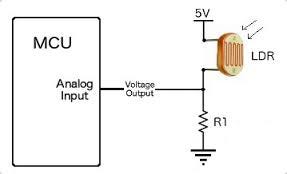
* x Regular Jumpers wiresSee Schematic:
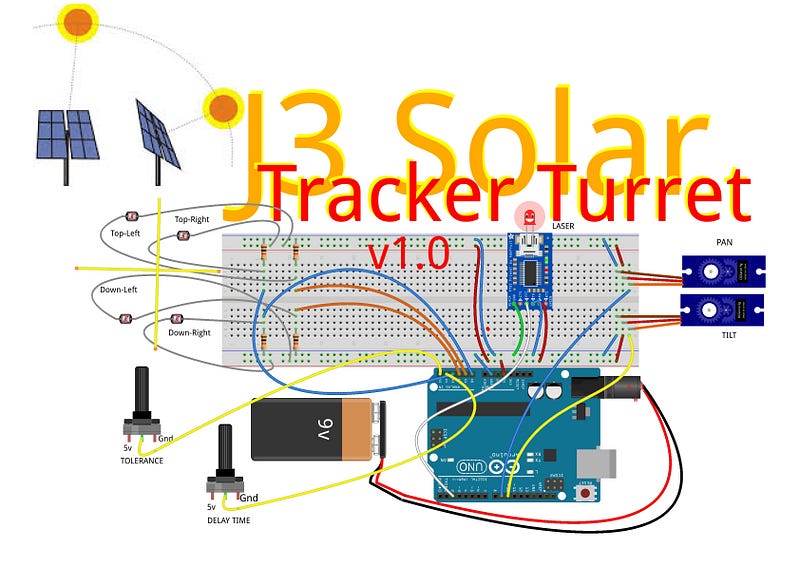
The two potentiometers are the tolerance and the delay time of the loop. We managed to regulate this on the basis of trial and error. Is easy, trust me!!! (see vid n you are done!!!)
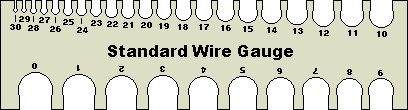
I used 30 AWG gauge wiring. It is very thin. The soldering work of ldr solder iron requires patience. It has only 7 strand count.
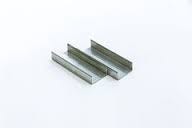
The tips stuck in the breadboard I used staple clips (for prototyping…).
I used a lot of hot glue. I fixed the Arduino, the base of the servos the potentiometers and the battery 9 volts. And also, each end of the clips I used glue to reinforce. Be generous!!!

Ldr are fixed with electrical tape. I’m using a 4 x 10 k resistors and 2 x 4k7 pots.
In the video, you are guided in the making of the box. I used the box of my cell phone. It’s a good trick !!! (but any cardboard should fit… create your own prototyping and/or comment below if you have any suggestions …)
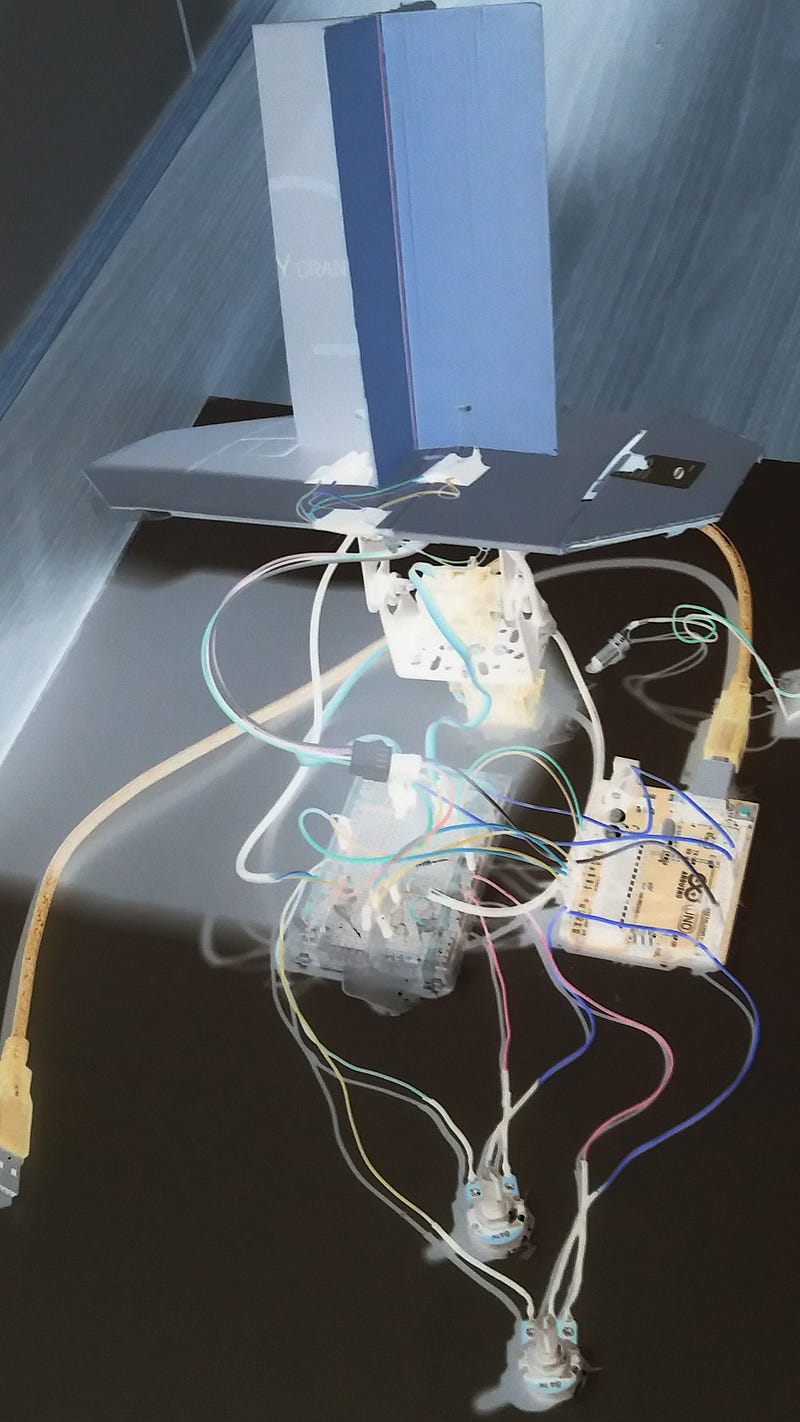
Check out the photos:
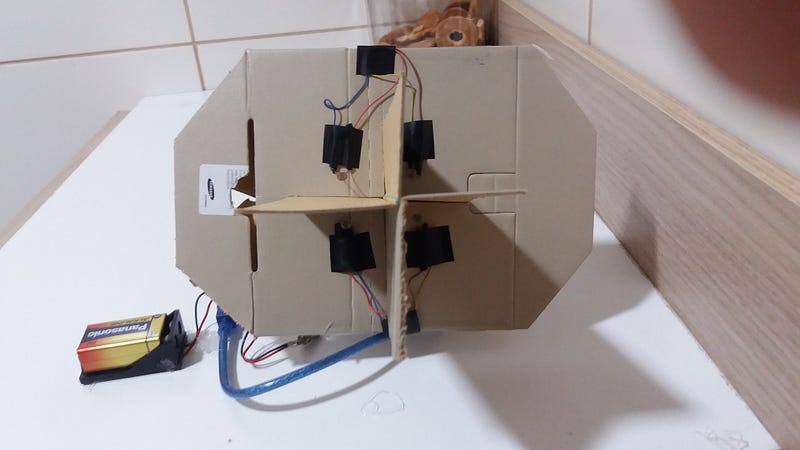
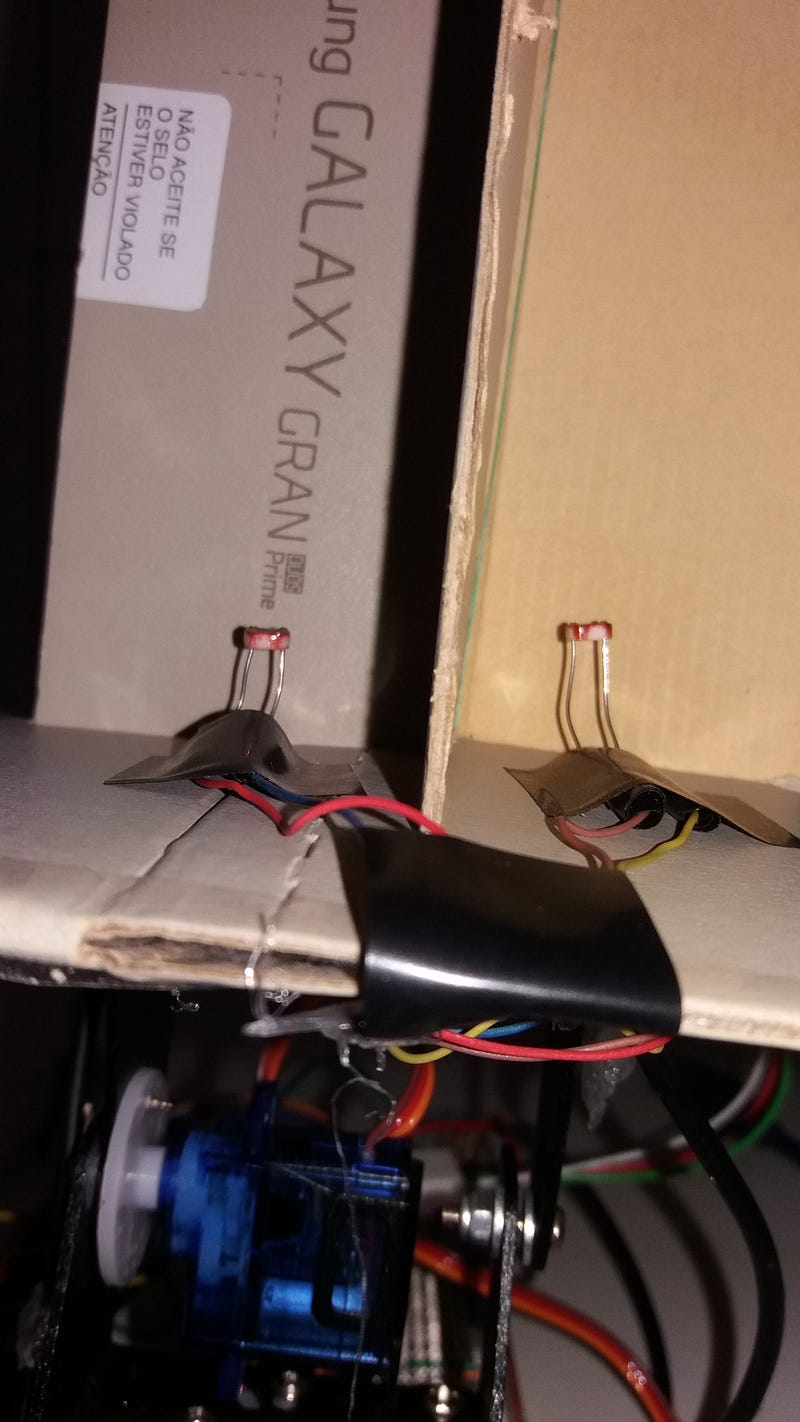
No more for now. That’s it!!! check the video and thank you for following my blog. I am completing 100 videos published on YouTube and I am very happy. By the way, Merry Christmas and Happy New Year!!!
Download All Archives of the Project
Related Posts
J3 Solar Tracker Turret V1.0–100th Pub Youtube Video about Arduino #arduSerie 100
Solar Turret V 1.1 — Improving Design 4 Learning More — ArduSerie #69
Solar Turret v 1.2 — More Responsible Than Ever! Ardu_Serie#70
Solar Turret — Version 2 — The PCB — Designing Printed Circuit Boards — Part I — Ardu_Serie#71
Solar Turret — Version 2 — Part II — Designing Printed Circuit Boards — PCB — Ardu_Serie#72
Arduino Pro Mini — Flashing — Having Trouble Flashing ProMini? Ardu_Serie#67
Reference And Credits:
Arduino Sun Tracker Turret © CC0
Thanks to my friend Pompermaier great Expertise about this issue:)
—Edited @ Dez2018 — Added BOM and Grammarly corrections —


