Life Lessons
It’s Not Your Job
to source another’s happiness

When I was 10 years old, my mother announced:
“I’m not long for this world.”
I remember the panic and pain that suddenly pulsated in my heart from those 6 words. I told her, I’d do anything for her to stay.
“I’m in the fall of my life.”
Fall…that means winter comes next. A time when things die. Oh no! Oh no!
And so began, our co-dependency dance. A dance that began over 40 years ago.
The Stealthy Nature of Co-Dependency

My father died a year ago tomorrow.
When one parent passes, the other parent’s behavior is somehow highlighted, no longer eclipsed by the synergy of both.
Co-dependency is like bacteria; it requires two players to grow and flourish.
Mom always played the verbal violin, and I was her eager audience. I was her psychological Linus blanket, always hoping I could cheer her up, aching to see a smile reach her eyes.
We do things — even unhealthy things — because we get some kind of benefit from doing them.
Mom receives the attention, and I receive emotional crumbs.
The Paradox of Co-Dependency
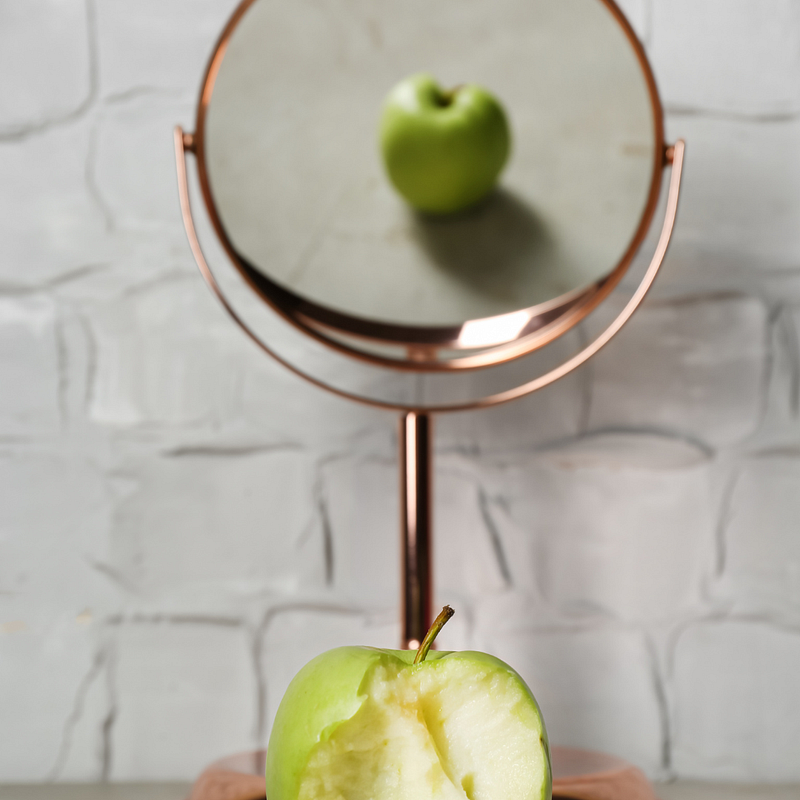
Co-dependency keeps us from growing; it is the psychological high fructose corn syrup of emotional nutrition.
I just returned from visiting my mother. I went on the wings of hope, ignoring the underbelly of harsh reality.
It’s no wonder I emotionally crashed.
In the anniversary week of my father’s passing, I expected her to be sensitive and experience moments of sadness. But I made the mistake of hoping her joy of spending time with her daughter would ease her propensity to focus on the negative.
Co-dependency prevents each party from articulating their needs.
When we dwell in a state of co-dependency, we are giving up our power to another while simultaneously hiding who we are from ourselves and the very person we depend on.
My mother gives guilt trips like happy people give hand waves.
What she is conveying to me between the lines but doesn’t say is:
“I’m scared. I miss you, but I’m not happy with myself, so I’m finding it hard to enjoy your company when I don’t enjoy who I am.”
Instead, she manipulates her language in such a way that, if I’m not vigilant, I find myself playing the role of that 10 year old girl, jumping through figurative hoops to cheer her up.
Spiritual Growing Pains

The body speaks when we aren’t spiritually aligned.
It is no coincidence that I’ve had a rash on the back of my neck this week. Blazing red streaks that make me want to tear at my flesh until it bleeds.
I’m home one day and the rash is starting to recede.
I once heard that when we return to our family, we take on the roles we had in childhood.
Maybe that’s our default mode. But we can make an active choice to — if we don’t care for that role — change who we are when with our childhood family.
But man it’s painful.
The last night I was with my mom, she laid in bed, giving another pity party for herself. Not once had she said, “It’s wonderful to see you,” or “I’m so glad we have this time together.”
No. Our time together was drowned with complaints, frustrations, and enough “F” bombs to start a war. And I let her behavior affect me.
Instead of observing her behavior, I reacted with:
- a blistery rash on my neck
- unspoken hurt and disappointment
- anxiety
- passive-aggression
That night, I listened to her and saw her the way an adult sees a child. I made an internal decision to love her and not tether my sense of peace to her emotional state.
I also gave myself the greatest gift: self-compassion.
Yes, I fell down the proverbial rabbit hole, contorting myself to please my mother. And it led to a hefty dose of pain and anxiety.
And yet, I stopped the emotional train wreck in its tracks and changed course.
The next day, I resisted the well-worn compulsion to please my mother at my own expense.
PAINFUL.
Her emotional violin played louder. Yet still I resisted.
PAINFUL.
Yet, after only a handful of hours, my mother’s behavior started to change. When she wasn’t getting the reaction from me, she didn’t continue the behavior!
When we shift our perception, the world around us changes.
The Hard Work of Self-Care
Spiritual self-care is in its early stages for me. New neural pathways are forming as I make different choices. It’s like writing with your non-dominant hand. It doesn’t feel natural and takes great effort and vigilance.
I spoke with my mother this evening. I listened as she took out her verbal violin music. In between every word was the “woe is me,” melody.
We cannot change what others say or do; we can only control our behavior.
After a good ten minutes on the phone, listening to the negative verbiage, I reminded her of the many ways she is fortunate.
I listened as she argued for her limitations.
And then I told her I loved her and said goodnight.
The “old” me would have remained in that high fructose corn syrup we refer to as the comfort zone, lapping up her unhappiness and sitting with the familiar crumbs of hope.
Self-care means setting boundaries. Self-care is remembering that what you think matters most.
Self-care is nurturing the light from within.
We cannot get sick enough to make another well.
It is not your job to please another.
It is your job to be kind to yourself.
When we cultivate love for ourselves, we are practicing the highest self-care — a gift that radiates to everyone.
Whether or not others want to join the light is an individual choice.
In the meantime, keep that spiritual oxygen mask on yourself.
A shoutout to Karen Schwartz for her insightful piece on the evasive nature of comfort:
Thank you, Liberty Forrest, Author for the heart-provoking writing prompt that inspired this writing:


