
Anger Is Like Lighting Yourself on Fire
And hoping someone else chokes on the smoke

Resentment and anger are self-destructive forces that will consume us if we let them.
For various periods of my life, I’ve let anger and resentments control the way I feel and how I interact with the world around me. Often my anger was justified, and I wanted some sort of justice to be done. I wanted those who had wronged me to be punished — to face some kind of Old Testament, fire-and-brimstone style retribution.
Sometimes I wouldn’t even tell the person. I’d just wait for them to notice that I was pissed off at them. And when they didn’t notice my not-so-subtle cues, well then, then I really flew off the handle.
“How could they possibly be so oblivious to not realize what they had done to me?” I’d fume inside.
More often than not my career has caused my anger. I’ve experienced mistreatment, impossible and inconsiderate deadlines, sniping and undermining staff, catty gossiping, theft of vacations and holidays. In my public relations agency roles, I was repeatedly placed in the middle of terrible account dysfunction and blamed when I couldn’t manage unmanageable situations.
Suffice it to say that I’ve had plenty of well justified reasons. What I’ve finally learned, however, is that reasons don’t matter. In the long run, getting all riled up and loading myself up with resentment only hurt me in the end. My anger was self-imposed insult layered on top of injury.
Ultimately, people are often absorbed in their own self-centered world, and the well-being of others is a very distant, secondary priority for most (not all). How we “expect” to be treated is just a set up.
“Expectations are just resentments waiting to happen.”
It’s true. The less I expect, the less disappointed I am — and the more pleasantly surprised I become when things turn out well.
To help illustrate my point, here’s a specific example from my career:
In a previous job, I was leading a high-pressure project with extremely tight deadlines. A junior team member intentionally went behind my back and scheduled a meeting with all the team participants but me, attempting to steal control of the project. When I found out what was going on, I was furious — especially as this was an ongoing trend of manipulative and undermining behavior.
Here’s how my anger from that experience impacted other parts of my life and what lessons we can take away.
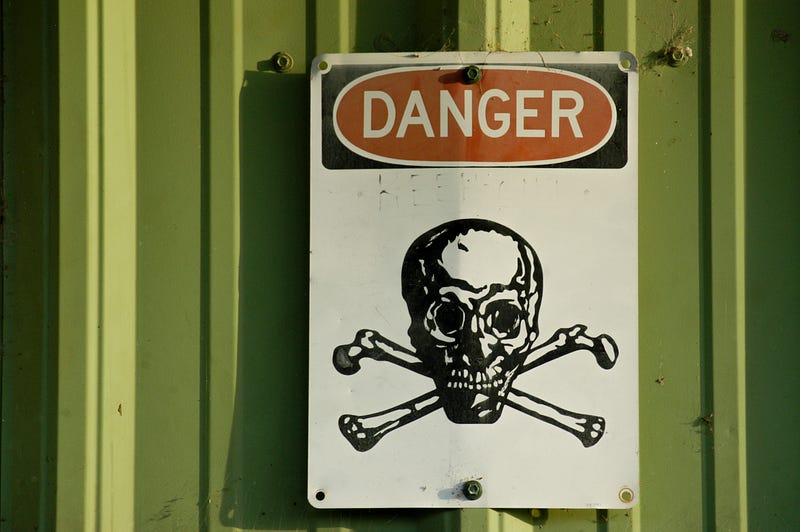
Caustic to Relationships
When we see the world through blood colored glasses, everything turns red.
This is how I feel when anger rises up inside of me. My rage shades my interactions with everyone.
When I left the office that night, I was still furious, and I carried that anger with me. I was short and aggressive with everyone around me. I snapped at my then girlfriend and my parents, who were just trying to make sure I was okay. I needed to walk it off for two hours in the freezing cold, and even that didn’t calm me down.
I basically took all the anger that I built up, and I discharged it onto others — specifically those who cared and wanted to help calm me down.
The anger that we carry with us is corrosive to our personal relationships with those who have absolutely nothing to do with the source of our anger and resentment.
Physiological Dysregulation
How do you feel when your blood is boiling?
With my resentment off the Richter scale that night, I can guarantee you that all of my vitals were well into the red zone. I could feel my pulse race, I was steaming hot and my energy was jacked up.
At that particular job, I had experienced what seemed to be never ending fire drills, client emergencies, last-minute deadlines and other anxiety-provoking situations, resulting in chronic stress. When an individual experiences a significant amount of uncontrolled stress for a long time, it can become “distress” (bad stress) and begins to manifest as irritability and anger.
When individuals experience extended periods of distress, the body has difficulty maintaining homeostasis and regulating the body’s neuroendocrine, cardiovascular and emotional responses. This dysregulation can lead to a wide variety of physiological issues, including high blood pressure, high cholesterol, heart disease, increased inflammation, cognitive deficiencies and depressed mood.
For more information, you can read about chronic stress and allostatic load here and here or, preferably, consult a doctor. “Widen the Window” by Dr. Elizabeth Stanley is a great read about our response to stress and how to overcome it.
In other (smaller) words, my inability to control my excessive levels of stress and anger was physiologically harming my body. In response to annoying social stressors from work, my body was producing elevated levels of cortisol (stress hormone) and adrenaline, which are part of the body’s primal fight or flight response defense.
On the evening in question, my decision to go for a long walk in the cold to “cool off” was actually an attempt to employ a healthy coping mechanism to manage my body’s physiological response. It didn’t fully work, but it was the best I could do in the moment.

Concealing Other Issues and Emotions
Anger has the ability to mask underlying emotions. While I was certainly angry about being undermined, in retrospect, I was hiding other feelings below that justified source of anger.
For example, I was scared of failure on the project. The team involved in the project was flakey and often would have excuses to get out of doing their share, which then fell back on my shoulders. I was being judged on the success of that project, and failure, in my mind, was not acceptable. I was also completely humiliated by the brazen disrespect of being undermined.
When this transgression occurred, I was beginning to realize that this particular job was an extremely bad fit. As a result of poor coping decisions in the past, I had been trying to abstain from alcohol. So not only was I afraid of failing at my job, I was afraid I would fail to maintain my newfound sobriety.
If I had taken a step back in that moment and allowed myself to see beyond my anger, I might have paid more attention to all of the warning signs, left the job and saved myself future heartache.
Stuck in Opposition
When my anger is off the charts, it is usually because I feel slighted, disrespected, mistreated, taken advantage of, etc. As a result, I would be resentful toward the person or thing that I believed had “done something unfair to me.”
I would then turn whoever or whatever caused this “injustice” into the target of my ire, and I would actively try to resist or work against that thing or person. I would fixate upon whatever it was until I either overcame it through sheer force of will or simply crumbled beneath its weight.
Unfortunately, when you try to resist something that is working against you, that thing or person will only push back harder. In my situation, this played out through catty remarks, attempted political manipulation and the torpedoing of deliverables on this and future projects.
In retrospect, I enabled this particular employee to have control over my anger and emotions. By leaving the office angry and continuing to be irate for several days, I had actually relinquished my control over myself and given it to the person I wanted to resist.

Where Does that Leave Us?
There’s a lesson in the headline of the story: The anger and resentment that I build up inside only damages myself.
The object of my resentment will never feel its negative physiological impact; only I will. Their relationships will not be worse off because I’m mad. They’re not going to take my resentment home with them. My anger isn’t going to make them emotionally volatile.
To the contrary, my anger might actually make the other person satisfied. When the object of our anger is a manipulative person (as they can be), they often take pleasure in controling the emotions of others. It gives them a perverse sense of power.
All out wars with coworkers usually don’t end well. Even if you happen to win the battle, you’re likely going to come out worse for wear, and your reputation will have taken a hit. I’ve learned that it’s better to focus on learning what to expect for next time — so that you can preempt any destructive behavior. Manipulators can only fool people for so long; eventually their “cleverness” catches up with them.
For me, I’ve found that the best option is to hit pause, take several steps back and look at my anger with a wide lens, searching for anything else in the picture. If I can locate the emotions and issues behind my anger, then I can take proactive steps in a productive direction that enables me to feel some control. Other coping skills I’ve found effective are talking with friends (or a therapist), working out, writing and meditation.
After much therapy, I’ve realized that all I can really control is whether I “react” impulsively to the source of my frustration or choose to “respond” in a calm and composed manner. Others will always do things that are frustrating, disappointing or even depressing. I have no control over their behavior.
There’s also one other thing that helps me. Manipulators often get very annoyed when they are unsuccessful at provoking someone or eliciting an emotional reaction. So, when I know that someone is manipulating me, I respond with no emotion whatsoever. It’s okay for me to take a little pleasure from their frustration, isn’t it?
If you like that story, you might also like these. But no pressure.