
Is Organic Milk Better for the Environment ? Not Really …
Milk, your ever first drink ! Do you remember the time you were breastfed by your lovely Mom ? Probably not.
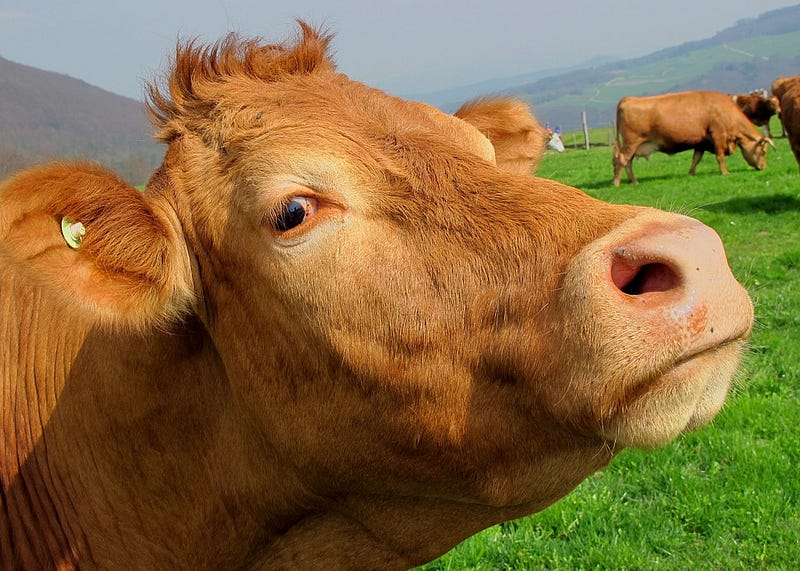
Now the only milk you drink is most likely coming from an adorable cow. A cow having a happy life or a cow having a shitty life. If the milk is organic the chance for your cow to have a joyful life is higher.
Today, organic farms care about customers health, but not only. To a certain extent, they may care about their animal well-being and their impact on the environment. Do you think your lovely cow from an organic farm has a lower impact on the environment ?
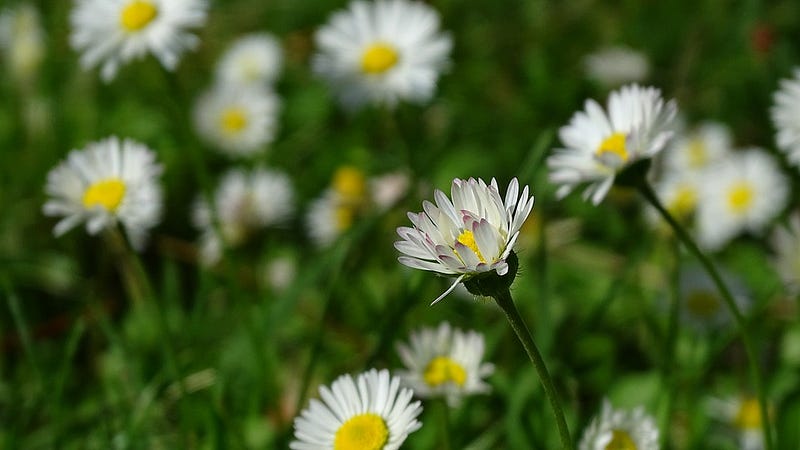
Let’s call her Marguerite. Marguerite is a French word which means daisy flower. I do not know why, Marguerite is a very popular name in France…for cows. I guess it is related to the many daisies growing on French meadow. Who knows…
Marguerite has one favorite activity : eating. She spends about 8 hours a day grazing, chewing and eating. A full time job! Fortunately, she is well equipped with her very tough teeth and her four stomachs. The farmer is a very nice guy and gives her enough space to walk around the meadow. Furthermore, he gives her a very good food : good fresh grass and good dry grass.
- The first problem with all this delicious grass is the space needed to grow it. To grow Marguerite’s grass, the farmer needs about half more space than his conventional neighbour. Nonetheless, Marguerite’s farmer does not use pesticides or synthetic fertilizers to grow the grass, which is good for the environment. As you may know, producing those chemicals are a pain in the ass regarding energy use and carbon emissions. Moreover, they can pollute surrounding rivers, lakes and seas. If we do not have water anymore, we would have only milk to drink…
- The second problem with Marguerite’s eating habit is the time it takes her to digest. This grass is rich in cellulose and other tough components hard to cut down, but Marguerite is not alone to tear down this grass, symbiotic bacteria living in her gut are helping her breaking down this tough food. Unfortunately, these bacteria emit huge amount of methane while doing this job. Since Marguerite needs more time to digest, she produces more methane than a conventional cow. The methane like the carbon dioxide is a greenhouse gas, not good for climate change…It’s even 20 times worse than carbon dioxide.
Usually, what do you do after eating?
Personally, I take a nap. But Marguerite does not.

Marguerite poops and she poops a lot. She poops about 50 times more than me (and I poop a lot). All this poo is a huge source of pollution! It emits different gases such as nitrous oxide, methane and ammonia.
- All of them are greenhouse gases and have an impact on global warming… 2ºC warmer, it is already too warm.
- Marguerite produces a bit more ammonia than her friends from conventional farm. The ammonia, called NH3 by his close friends, has a bad impact on the environment. After a complex chain of chemical reactions, it releases cations in the soil or the water and makes them acid like a lemon (almost). This acidification affects plants and may increase risks of damages by drought or diseases. It can also be toxic for humans and animals.
Marguerite is a good cow, a happy cow. She did not know that her habits had so unpleasant impacts on the environment. As we are living together on only one planet, we can only hope that she will change her habits and maybe stop drinking milk.
Why do you drink milk ? Would you like to stop drinking milk ?
Freely inspired by this scientific paper.