

I’m Now A Digital Minimalist. Here’s How It’s Changing My Life.
Minimalism can be applied to the digital world, too.
The home feed on Twitter. The news feed on Facebook. The bottom line on various news channels. Millions of songs and recommendations on Spotify.
It was exhausting just to write that!
We have a lot of stuff in this day and age. It feels like we have too much. I feel like we have too much.
I had too much, until I didn’t.
Last night, I watched a documentary on Netflix called Minimalism: A Documentary About the Important Things. It was intellectually challenging, despite already agreeing with the premise of their thesis.
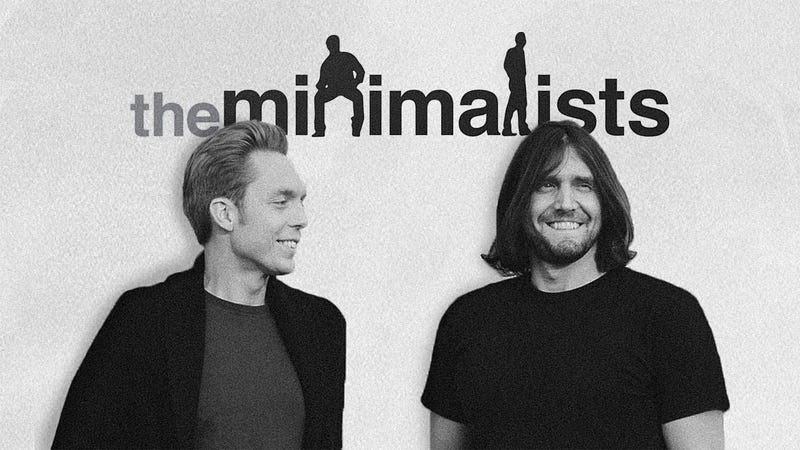
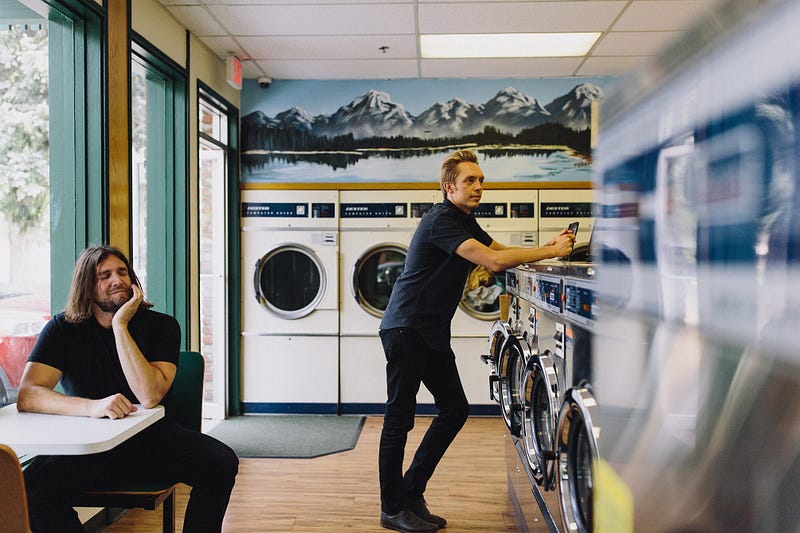
Minimalism featured two best friends of twenty years who experienced true happiness for the first time in their lives. In the movie, Ryan Nicodemus explained that him and his best friend since childhood, Joshua Fields Milburn, had cushy jobs in corporate America and were not fulfilled. Then one day Ryan sees Joshua never happier in his life and wonders why. It was because Joshua learned of something he never encountered: minimalism.
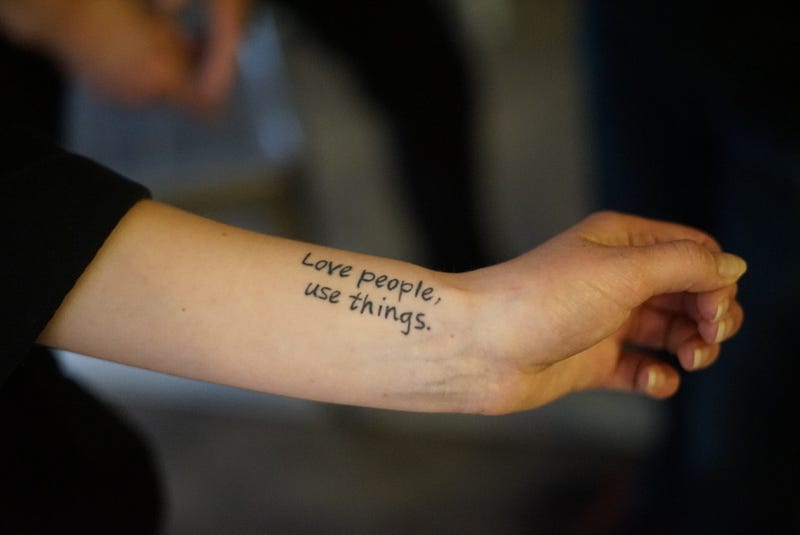
The way that I see it, there’s are an overarching principle of minimalism that should be addressed. It’s ownership: we must take responsibility for our actions and outcomes of those actions. This means being more conscious of our choices and behavior. Why are we spending forty-minute sprees scrolling on Facebook or Twitter? Do we really need to take our phones with us to the toilet, too? Whatever happened to pooping in peace?
Aside from dirty jokes, we do these things without thinking of doing them first. It’s automatic, and we’re subconsciously powering the mechanics. We wake up to our alarms on our phones to only turn them off and read all of our notifications. Then the rest of the day is a series of events that are, more or less, between the menial tasks du jour to being on our phones. And we view our phones as the temporary saviors of busyness. That is, we have so much going on in our days that we justify using our phones as a way to distract us to pass time.
From a physical goods perspective, I’ve been a minimalist for years — and I’m quite proud of it. In sophomore year of college, when I first lived off campus, I did not have a big meal plan and mainly ate at home. Due to budgetary constraints, I wasn’t able to eat out that much. So I had a choice: am I going to do what everyone does — eat $1 hyper-processed ramen noodles — or will I be scrappy and think of something else?
After trying out different ideas, I ended up finding my niche: egg whites, bread, and veggies. By default, I didn’t eat that much meat in college. Meat at the grocery store was pretty expensive, and over time I became more conscious of what my choice of eating meat means for the world (hint: it’s not good for the environment). At the same time, I had to get protein somewhere somehow. So I did a bit of research — reading nutrition labels — and I found that eggs are quite heavy in protein. Because I have a cholesterol problem, I refrained from eating yolk and mainly ate egg whites. But egg whites alone were boring, so I experimented with mixing a bunch of veggies. Eventually I found the best way of cooking everything: putting olive oil on the skillet, sautéing the veggies first, and dumping the egg whites and cooking/flipping until done. Most of the time the veggies I ate were kale, spinach, onions, mushrooms, and bell peppers. I would mix them up depending on what I was able to afford and what I was in the mood to eat. Bell peppers are the most expensive out of all five, so whenever I was in the mood to treat myself I bought bell peppers. Almost every day, there was at minimum kale in the egg whites.
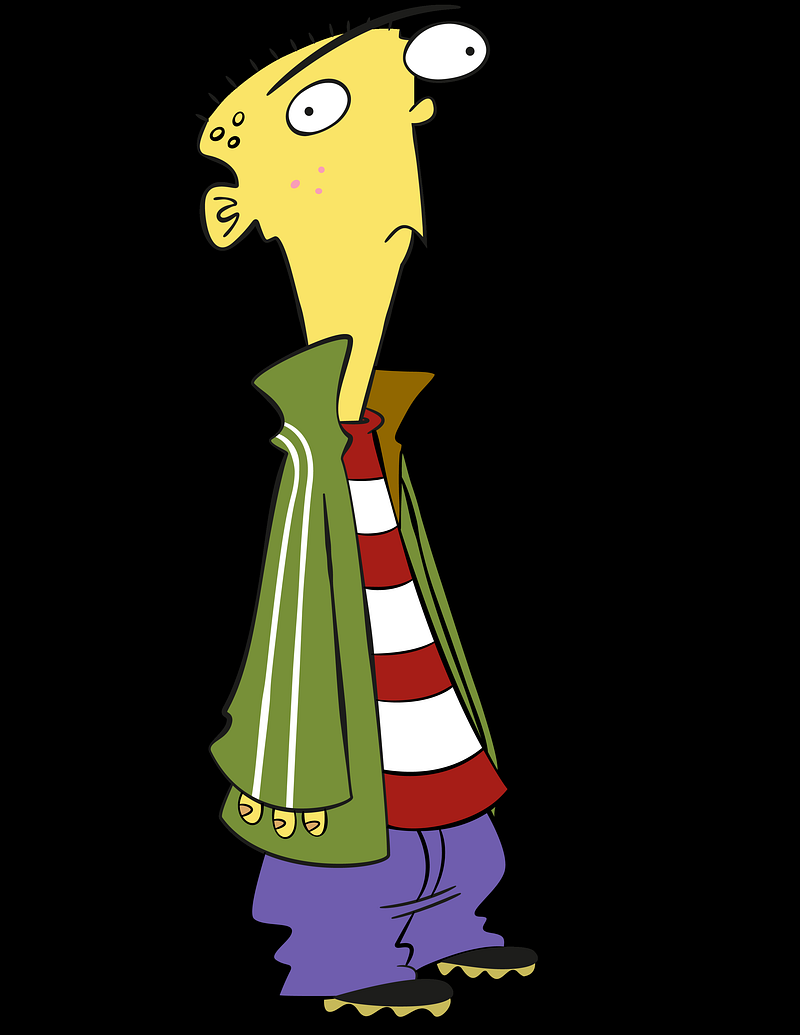
My experience cooking scrappy led me to an important discovery: in cooking, it’s all about flavor. In America vegetables are boring. Growing up I watched Cartoon Network and Nickelodeon and all the shows showed eating veggies as something kids detested. I’ll never forget Ed from Ed, Edd n Eddy crying about eating broccoli. Broccoli was for chumps!
But if you season everything well, veggies actually taste better than meat. And you feel less bad while eating them. In college I started by using sea salt and whole black pepper — eventually I upgraded to seasonings from Trader Joe’s.
When you look at how much I ate, I spent less than five dollars per day on food.
And I was happy. I didn’t yearn to eat better food, as my cooking was better than what most restaurants offered. Why would I spend almost twenty dollars on an average meal in D.C., when I could cook at home for less than five dollars a day?
It was this experience cooking with raw ingredients, seeing how to make something out of almost nothing, that first introduced me to minimalist behavior. For the next three years, I have essentially lived out of nothing more than a suitcase’s worth of clothes. I barely go shopping, if ever. Maybe once or twice a year, and I’m still a frugal shopper when I do that. I used to have a lot of tchotchkes in college, mainly memorabilia: the Washington Post newspaper when the Pope visited, a poster of Dwyane Wade with two NBA Finals trophies, etc. But I left that all behind in Nashville. Now I have nothing more than my Kindle, my computer, a few books, my guitar, and my clothes. Only a suitcase’s worth of them.
One reason why I love minimalism so much is that I feel less burden by stuff in my life. I don’t care for fashion trends (and I still dress well), I don’t bother being fearful of what I’m missing out on, I don’t waste time wondering what to do with stuff that I’m not using.
Growing up, I had a huge collection of these expensive football jerseys…that I would never wear. I had LeBron shoes for two or three consecutive years. I had more than thirty hats, ranging from teams of multiple sports. It drove my mom crazy that I had all of this stuff and would never use it. I didn’t realize why when I was 12, but now I do at 22.
Although I’ve been a good minimalist from physical goods for the past three or four years, I have been a poor minimalist, even to this day, from digital goods. I’m getting better, though.
Until recently, I engaged in obsessive behavior with all of my accounts. In the past month, I’ve only checked my Medium stats page twice or thrice. Not too long before, it was twice or thrice a day — usually more. I was checking my Twitter every time I wasn’t doing something important, and would get overwhelmed by all the sound bytes on my feed. So many opinions from so many people! And when I wanted to escape from all that, I would open up my Spotify, to only skip and see what’s playing next. You’d think that having unlimited access to songs, to sound bytes, and to my blog’s performance would make me a happier person. But it didn’t. More did not give me more.
It was less that gave me more.
I stopped waking up to first read my push notifications. Nowadays I turn my alarm off looking the other way so Face ID doesn’t unlock the notifications and tempt me. I stopped having so many conversations via texting. I might have a convo via text once or twice a week, but now no more than that. Last week I unsubscribed from Spotify and all together have not listened to a single song from anyone since.
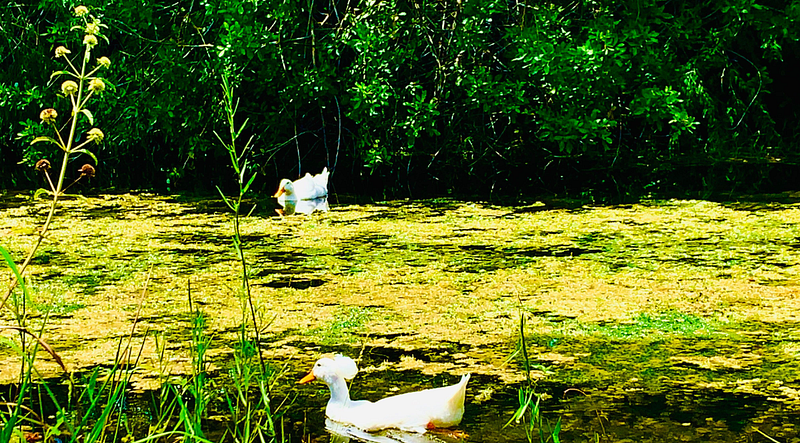
Other than quarantine loneliness (which I’m solving! That’s for a different article…), I’m thriving! I haven’t been enjoying the moment more since quarantine started. It’s gotten to the point where my attention span has recovered so much, that I didn’t even bring anything with me outside while writing this. I could’ve brought my guitar outside, but playing while writing in between paragraphs would screw up my flow. I’ve now accustomed myself to only doing one activity at a time. No more multitasking during the day. Instead, doing multiple tasks — one at a time — over a day.


And without listening to music, I now reflect on the music I’ve jammed to in the past. I sing the melodies out loud of my favorite songs, contemplating on how they can be done on my guitar. Music is no longer more digital stuff that numbs my mind, it’s something that intellectually challenges me. The way Radiohead chooses how to pick and strum the same e minor chords on some of their songs compared to some of Nirvana’s. I never thought about that until I stopped listening to music and reflected on what I listened to.
But that’s probably the biggest issue of not pursuing digital minimalism. Although I’m a physical goods minimalist, without digital minimalism my mind is still cluttered. Stress from all the messages and emails I have yet to return. Ignoring that stress with the mind numbing tactic of skipping songs on Spotify, to only never be happy with the next song. Going on Twitter, to only realize that I fooled myself again with more information. That’s the good of the digital era: information. Songs, tweets, Insta pics, news feed posts, etc. This is all information. And we use information to numb ourselves from the clutter when it’s information that is the clutter.
As my Jewish mother would say, it’s all tchotchkes.
The most freeing part of minimalism, whether it’s from physical or digital goods, is that of ownership. It’s my choice to keep and put this stuff in my life. It’s my decision to clutter my life with digital tchotchkes, just like I used to clutter my life with physical tchotchkes.
All I can do is choose wisely. And so can you.
Some of this reporting came from Minimalism: A Documentary About the Important Things. You can stream it on Netflix.
P.S. If you liked my story, here are some of my favorite personal essays I’ve written!


