
Content Creation
I'm Exploring a Three-Part Content-Generation Framework. Here It Is if You Want To Test Drive It
I'm confident it'll work.
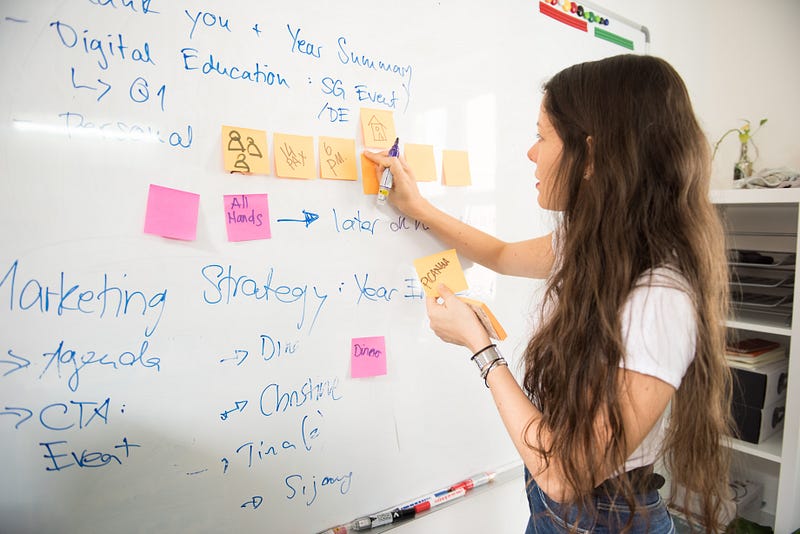
To consistently create content on the internet, you need to have a system.
Otherwise, you'll burn out, get frustrated, and most likely give up. As a content creator, I know that one of the biggest reasons that lead to exhaustion is not a lack of talent but poor execution.
So this past week, I came up with a method that could help creators be more efficient.
My idea was partly inspired by one of Justin Welsh's newsletter articles about creating a creator funnel.
There are three parts to it. Here is what I came up with:
1. A Rapid Idea Generator
I recently started writing on Quora.
I have no interest in building an audience there or making money from it. Instead, I want to use it to get past writer's block.
Rather than spend a lot of time brainstorming for topics, all I need to do on Quora is browse my feed and find a question I feel competent enough to answer.
As a bonus, that same answer on Quora could then be repurposed into an article here on Medium or some other platform.
For some of you who don't want to use Quora, you can also use similar sites like Reddit or any platform where people are asking specific questions.
I've learned that the longer it takes to ideate, the more difficult it is to stay motivated enough to actually make content. The point of a rapid idea generator is to reduce friction in your content production system.
2. An Audience Expander and Content Idea Tester
I invested a lot of time on Twitter in October. I'm still grinding there and will continue to do so for the foreseeable future.
Twitter is fantastic because:
A. It's a great way to build an audience and be part of a community.
You can build a following if you tweet regularly, connect with like-minded people, and stay nice to others. It's not easy, but it's doable.
As with any other platform, showing up consistently is vital. If you are willing to play the long game, that platform has plenty of potential for growth.
B. It's a place where you can validate ideas in real-time.
If you have an idea for, let's say, an article, tweet something about it.
Within minutes (or seconds), you will begin to see people engage with your post. If they like what you posted, you'll know. You'll also know if they don't because they won't engage with your post.
No matter how people respond to your tweets, you'll gain an understanding of what type of content works.
Think of a tweet as a small bet on your ideas. If it flops, at least you won't have to waste your time writing a long post that nobody will read.
I get that some people don't like Twitter. Frankly, it took me a while to like it. The rapid pace of the platform used to overwhelm me.
If Twitter really isn't your thing, any social media platform should do. LinkedIn is a good one. TikTok, YouTube shorts, or Instagram could be other options if you're into photos or videos.
The important thing is to find a platform where you can post short content (i.e., tweets, short videos, photos) and receive rapid feedback from its users.
3. A Credibility Enhancer
This could be any platform where you can post long-form content, such as podcasts, YouTube channels, or newsletters.
I'm already on Substack, so I'll continue going the newsletter route.
I'm also queasy in front of cameras. LOL. So I won't be focusing on YouTube for now.
Whether you choose to make videos, podcasts, or newsletters, having a credibility enhancer is a way to show your potential audience that you can dive deep into your topics.
Credibility enhancers give you substance as a content creator. Spewing out a one-liner on Twitter or posting a quirky TikTok video may get you quick attention. But if you want a long-term connection with an audience, you need to invest in long-form content.
Bonus: Medium
Medium is where my digital writing journey started. I'll forever be grateful to this platform.
I didn't include Medium in my framework, though.
Why? Because if you already have a podcast, YouTube channel, or newsletter, you technically don't need Medium. Medium is just another form of a credibility enhancer if you think about it.
Of course, it's not a bad idea to diversify by being on different platforms. But I only recommend you do this if you have the bandwidth to do so.
If you're busy, don't overwhelm yourself by trying to be everywhere.
Just stick with the bare minimum amount of platforms you need to have some kind of functioning structure.
My main reason for being on Medium is mainly out of love for the platform. Despite spiraling views, reads, and Partner Program earnings, I'll stick with it.
There is one practical benefit to being on Medium, though. It's not that important if you don't want to be a freelance writer. If you do, Medium is a place where you can build a portfolio and demonstrate your chops to potential clients.
It's much easier to build a library of content here rather than guest post on a bunch of blogs that may or may not respond to your submissions.
And, of course, there's the money from the Medium Partner Program (MPP).
People paint a bleak picture when they see the earning trends on Medium going down.
But that shouldn't bother you. You're not supposed to rely on this platform to make a living.
Treat Medium as a springboard for bigger things. Look at the MPP money as icing on the cake.
TL;DR
Growing as a content creator is about long-term sustainability, not short-term intensity.
For you to stay in the game, you need to pace yourself by having a system. The framework I introduced in this article includes the following:
- A rapid idea generator-a website or forum where you can answer questions people are already asking.
- An audience expander/content idea tester-a platform with a built-in audience so you can build your following and test ideas before investing more time into them.
- A credibility enhancer-a platform where you can share long-form content and demonstrate to your audience that you are capable of deep thought
- Optional: Medium-Medium can enhance your credibility as a creator, make you some extra money, and build your portfolio if you want to become a freelance writer. It's there if you want it, but the key is to have the other three parts of the framework in place first.
Test out this system and see if it works for you!


