
If You Had A Narcissistic Parent, You Don’t Know How To Feel Safe
Unsafe environments create unsafe nervous systems.
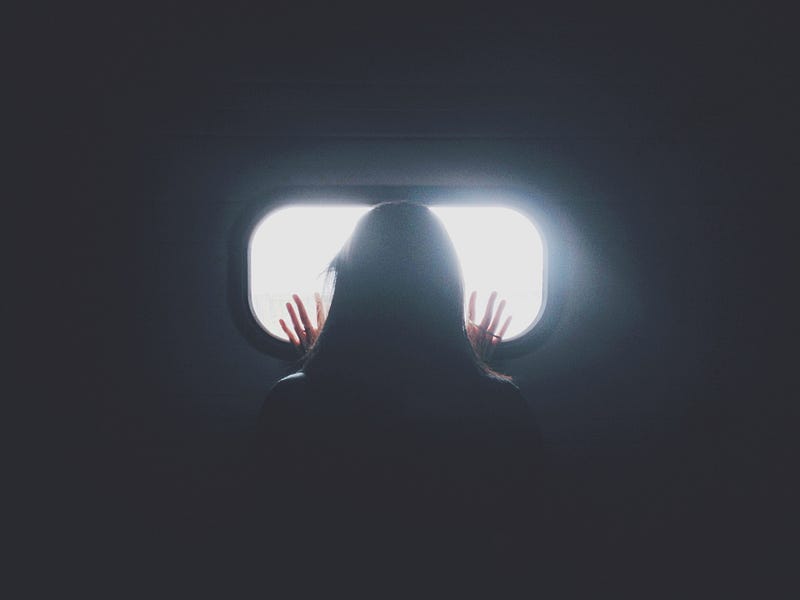
The environment we grow up in has a huge impact on our nervous system, whether we’re aware of it or not.
If we grew up in a loving and stable environment, our nervous system is mostly calm. Even when obstacles arise, it knows how to seek safety.
On the other hand, if we grew up in an unstable environment where our emotional needs were rarely met, our nervous system becomes dysregulated. That’s because we don’t have a secure base that makes us feel calm and supported. Instead, we feel like we need to be hyper-vigilant, constantly ready for the next threat.
Now imagine living like this every single day for years, or even decades. No wonder children of narcissistic parents struggle with severe anxiety — it’s the only way to cope with the chaos around us.
Safety Is A Core Need. If We Don’t Feel Safe, The Other Needs Can’t Be Met
Safety is the foundation through which we interpret life. If this need is not met (both physically and emotionally), it’s impossible to navigate life in a healthy way.
You can’t feel loved if you don’t feel safe. You can’t feel seen or heard if you don’t feel safe. You can’t express yourself if you don’t feel safe.
Many adult children of narcissistic parents struggle with feeling safe even after cutting their parents out of their lives. They’re so used to feeling on edge and having a dysregulated nervous system that they have no idea of how to find balance.
Some signs of dysregulation are:
- you don’t sleep well (your nervous system has a hard time relaxing);
- you feel very tired and fatigued during the day;
- you struggle with intrusive thoughts (your mind never turns off);
- you have trouble focusing on tasks or conversations;
- you’ve been experiencing some unexplained physical symptoms (the nervous system regulates every other system in the body, so anxiety often leads to other issues);
- you’re highly sensitive to other people’s emotional states;
- you feel irritable and overwhelmed.
“A normally regulated nervous system experiences the stress but returns to normal when the threat has passed. This period during which you have the ability to self regulate is called the window of tolerance, and most people move through several of these cycles daily. One example is rushing to get somewhere and running late but relaxing once you reach your destination on time. However, the system works very differently when the body experiences trauma.
Traumatic events push the nervous system outside its ability to regulate itself. For some, the system gets stuck in the “on” position, and the person is overstimulated and unable to calm.”
Unknown Author in How Does Trauma Affect the Parasympathetic Nervous System?
How To Feel Safe
Although it can take a long time for you to learn how to feel safe, it’s possible to regulate your nervous system and find some balance.
Years of conditioning don’t simply disappear, so please be gentle with yourself. More often than not, this is a long, arduous process that involves a lot of trial and error.
I’ve spent the past 3 years experimenting with all kinds of habits, techniques, and supplements. I’ve finally found a few things that work for me, but it took a long time for me to get to this point — and even now, I’m still learning more about my body as I go.
In this article, I talk more about what I’ve been doing to regulate my nervous system. Here’s the short version:
- prioritizing sleep (having a night routine that makes me feel calm and grounded, being careful about the content I consume right before going to bed…);
- taking supplements that do wonders for my nervous system, like Magnesium, Reishi, and Lion’s Mane (there’s plenty of research available, so highly recommend googling “magnesium/reishi for anxiety”);
- making time for “unproductive things” that make me feel good and stimulate my creative side (meditation, yoga, writing, coloring…)
- journaling, which is amazing to get my thoughts out of my head. I’ve been using my own Self-Healing Workbook as well as other guided journals I’ve purchased!
The only thing I didn’t mention in that article was CBD oil. It’s been a godsend! It’s the only thing that relieves my anxiety instantly. I’ve been using Nordic Oil for months and I’ve partnered with them, so if you want some premium CBD oil to make you feel calm and relaxed, use this link!
Unsafe environments create unsafe nervous systems.
We learn to cope with these environments by being hyper-vigilant and reactive, however, the problem is that we carry this coping mechanism with us. We’re constantly anxious even when there are no threats.
It may take some time for you to discover healthier coping mechanisms. Healing is not linear.
One thing is for certain: the more you resist the healing process, the longer it lasts.


