
I will never stop playing videogames
An ode to videogames and their benefits
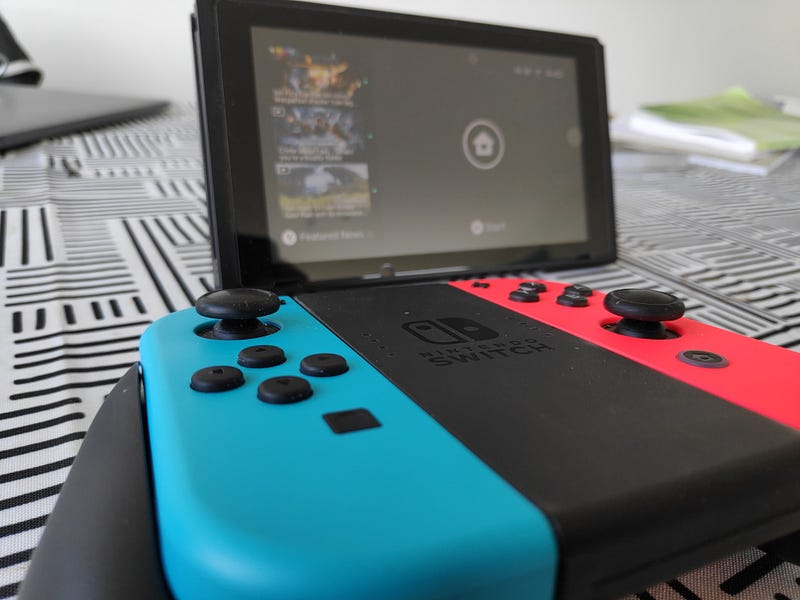
Oh, videogames. There’s often a bad rep surrounding you. Your adversaries are doing their best to point out your destructive, addictive and time-wasting nature. On the other hand, there exist those who defend you with all their might. Those hardcore advocates tend to be the ones who play videogames the most. Perhaps their pro-videogame campaigns are a way to support their own gaming habits.
Having grown up with videogames (from the age of 6 until now, a good 20 years of my life), I belong to the latter category of videogame enthusiasts. I appreciate them deeply, and I believe there’s more to videogames than harsh criticism.
Well, videogames are fun!
Kicking things off, videogames are packed with lots of entertainment value. Their vast majority was created for the sole purpose of offering the player a relaxing and enjoyable time. From Tetris, all the way to the latest gaming titles, gamers spend a considerable amount of time delving into exciting virtual worlds, discovering new strategies and methods for beating a level, and working towards completing the game.
There are many ways a videogame can tick that entertainment box for me.
Some videogames manage to achieve that through exquisite storytelling. They captivate me with intricate plots, quests and missions that add to the aesthetic and appeal of the game. Some of the videogames out there have such exciting and interesting story lines that can easily compete against the best movies, TV series and books out there (try playing Bioshock, the Witcher or Nier: Automata without having your jaw drop after witnessing their depth and hidden messages)!
Other games focus on the cooperative way of their gameplay. Games like Overcooked and Portal require teamwork and coordination to be played effectively. They reward cooperation and proper communication between players, oftentimes maintaining competitive elements. This is something I find helpful for building or maintaining relationships, and also getting to know a fellow gamer’s personality through the way they play the game.
And then there are those games that are technically challenging, which is what makes them so enjoyable. Having to overcome a demanding level, boss fight or puzzle to proceed creates a challenge that is pleasurable to whoever takes it on (Dark Souls is a prime example that immediately springs to mind). The sense of accomplishment after beating that challenge is what hooks me, which leads to that satisfying dopamine rush!
Whatever fun and entertainment means to you, chances are a videogame exists that fits your criteria as well!

The escapist’s refuge
Life is not always sunshine and rainbows. We are all meant to experience challenges, stress and fear. When disaster strikes, people deal with it using different coping mechanisms, in line with their personality, upbringing or social surroundings.
Spending time in a fictitious, pixelated environment is my way to deal with hardship. I use a videogame’s “enclosure” to self-isolate, contemplate on personal circumstances and hurdles, and let off some steam after a stressful event.
And it helps.
I don’t consider myself a careless individual who avoids responsibility and accountability, mindlessly floating around. However, I sometimes feel I need to take a step back, reorder my priorities and reassess my values. After an eventful situation, I find indulging in my favorite videogame cathartic.
In that sense, I find a place where I can get in touch with my thoughts before coming back to reality. The virtual world ensures I get to channel any negative energy into something harmless and entertaining. I escape reality for some time, just to come back stronger and more focused.
A sense of control and freedom
If you think that a videogame is just a mindless time-waster, I challenge you to think again, and to think differently.
“But it’s the same thing as watching TV. You just sit there for hours on end, with your eyes glued on a screen. I doubt you even eat or go to the toilet!”
Yes, my attention is focused exclusively on a monitor or TV, watching many pixels mixing up to bring a concept to life. But I am not just staring at a screen, I am the protagonist and main actor of whatever is happening. I am driving the action within the confines the game developers set up for me, however narrow or wide those may be.
I love having that control over whatever is happening in the game. I enjoy the sensation of being able to explore and find new ways to perceive things, ways I was not previously aware of.
True, the plot, characters, environments and structure of a videogame may all be virtual. However, that does not necessarily make them fake or less realistic. With the same logic, a book is fake since it has to be reconstructed in your head. A movie is also not real since it portrays actors who are simulating seemingly realistic scenes. The same applies for TV series.

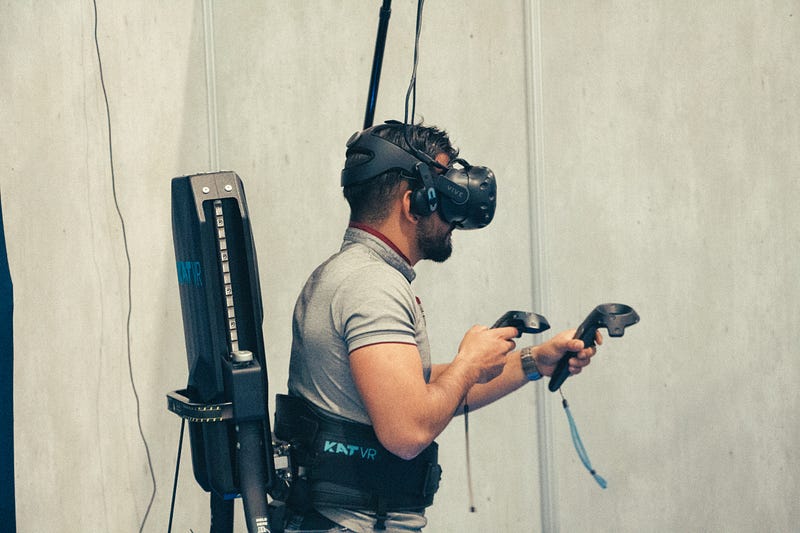
Yet a videogame is a new world that can be experienced more intimately and thoroughly than any of the above. That is due to the interactive elements that make videogames what they are. It is no wonder that, in order to have any gaming experience, you need your trusty controller or mouse and keyboard in hand. Those are the tools that allow the user to interact in so many ways with the environment that surrounds them.
It’s that very sense of independence and interactive control that I find so attractive in videogames.
Valuable life lessons
Videogames, out of the many other hobbies and activities out there, is probably the one that taught me the most valuable lessons. Similarly to an online battle, I was prepared for some of my harshest real-life battles through digital games.
I obtained life lessons I was not taught in any class, book or documentary. Having a genuine curiosity to explore the confines of a made-up world, I gained experiences and was able to better shape my character and viewpoint on various topics.
To be able to absorb those valuable life lessons, the player has to have the appropriate receptive mindset. Investing time and effort in a videogame should not be a mindless activity, but one that requires attention and critical thinking for someone to grasp new concepts, ideas, patterns and useful information.
Here are some examples from what different game genres instilled in me:
First Person Shooters (FPS): Decision-making, attention to detail, and the impact of small actions and mistakes
Multiplayer Online Battle Arenas (MOBAs): Strategy, collaboration, teamwork, communication and perseverance
Racing Games: How to drive properly, and more importantly, how to not drive
Role-Playing Games (RPG): Skill synergy, focusing on the end-goal or future state, the compounding effect of small and incremental improvements and investments
There are definitely great takeaways from a gaming session, for those who are willing to identify them.

Artistic and philosophical gems
Let’s face it. Most people wouldn’t mention videogames when asked to think of something with an artistic or philosophical vibe. However, there are some videogames out there that are phenomenal representations of philosophy and art. Some of them contemplate topics such as morality, ethics, good and evil, and many other elements that philosophers pondered for centuries. Others are full of beautiful imagery, powerful soundtracks and various other artistic components that make them aesthetically pleasing.
From that point of view, videogames are very underrated and oftentimes underappreciated.
Who would have thought that Nier: Automata would be able to touch on topics such as consciousness, emotions, machine intelligence, and the meaning of life in general, in such a powerful way? Or that Journey is a game offering audiovisual excellence that is artistic beyond any doubt?
Those jaw-dropping and awe-inspiring creations offer the best gaming experience to any player. Those elements are enough to justify spending hours exploring beautiful worlds and intricate, hidden meanings.

Game on (responsibly)
Videogames have lots to offer. They can function as a way to cope with anxiety and life’s hurdles, they can educate and, of course, entertain. They are also able to bestow upon us life lessons and messages that can lead to our self-development and growth.
Videogames, like anything else, have their disadvantages. Videogame consumption that is excessive and not moderated can lead to an unhealthy lifestyle. They may also be costly to invest in and maintain, and they can be addictive, especially for younger people.
However, when approached with a healthy and critical mindset, electronic games can offer so many benefits and insights, that it is hard to argue their positive impact. While they are not suitable for everyone, those who can use them effectively can have their lives changed at the press of a button (or two)!
As for myself, I will probably keep playing my favorite videogames until I am no longer able to hold the controller!
Game on!
If you enjoyed my pro-videogame campaign, feel free to have a look at some of my other stories:


