avatarDr Mehmet Yildiz

Free AI web copilot to create summaries, insights and extended knowledge, download it at here

11796

Abstract

ncreased Alertness</h1><p id="266f">Caffeine’s ability to increase alertness is well-documented. The mechanism behind this is attributed to caffeine’s interaction with adenosine receptors in the brain.</p><p id="1a53">By binding to adenosine receptors, caffeine effectively blocks the action of adenosine. Consequently, the brain produces less adenosine, leading to reduced feelings of drowsiness and increased alertness.</p><p id="984f">Coffee or tea drinkers report experiencing heightened alertness and improved wakefulness. It is a common strategy to fight tiredness and boost alertness during sleep deprivation.</p><p id="396a">For example, <a href="https://www.sciencedirect.com/science/article/pii/S0149763416300690">this paper</a> states that “Caffeine effectively offsets physical and cognitive degradation with sleep loss.”</p><p id="60b1">Multiple studies have demonstrated caffeine’s capacity to enhance alertness and wakefulness.</p><p id="c241">For example, <a href="https://www.sciencedirect.com/science/article/abs/pii/S0278691502000960?via%3Dihub">this 2020 review </a>examining its effects on human behavior highlighted that “Caffeine increases alertness and reduces fatigue. This may be especially important in low-arousal situations (working at night)”</p><h1 id="a6f1">2 — Enhanced Memory</h1><p id="d4e1">Caffeine has a positive effect on memory as a cognitive enhancer. This effect is attributed to caffeine’s ability to influence memory processes via its effects on adenosine receptors and neurotransmitter systems.</p><p id="5561">Several studies have investigated the effects of caffeine on memory and have provided evidence supporting its benefits for enhancing memory.</p><p id="c6b5"><a href="https://www.nature.com/articles/nn.3623">This paper in Nature</a> concluded that “caffeine enhanced the consolidation of long-term memories in humans. Caffeine enhanced performance 24 hours after administration according to an inverted U-shaped dose-response curve; this effect was specific to consolidation and not retrieval.”</p><p id="419a"><a href="https://content.iospress.com/articles/journal-of-alzheimers-disease/jad091315">This paper</a> states that “Caffeine facilitates performance in tasks involving working memory but hinders performance in tasks that heavily depend on working memory. Caffeine appears to improve memory performance under suboptimal alertness conditions.”</p><p id="4eec"><a href="https://www.cureus.com/articles/60112-the-neurophysiology-of-caffeine-as-a-central-nervous-system-stimulant-and-the-resultant-effects-on-cognitive-function#!/">This 2021 review</a> highlighted that “The majority of the studies reviewed suggest caffeine as having a significant positive effect on both short and long-term memory in adults and the elderly.”</p><p id="4715">During my observations, some people reported experiencing improved memory and enhanced recall after consuming caffeine. They used it as a cognitive aid during studying or when performing tasks that require memory retention.</p><h1 id="ece0">3 — Improved Focus and Attention</h1><p id="a8ba">Caffeine can positively affect focus and attention. Based on studies, caffeine can potentially improve attention span, allowing us to sustain focus for a longer duration.</p><p id="19b2">Empirical studies have provided insights into caffeine’s role in enhancing attention span. <a href="https://link.springer.com/article/10.1007/s00213-021-06054-9">This 2022 study</a> investigated caffeine’s attentional control for improved and impaired performance in healthy older adults and Parkinson’s disease according to task demands.</p><p id="f8de"><a href="https://link.springer.com/article/10.1007/s00213-021-06054-9">The study</a> concluded that “When removing withdrawal effects as a factor, we demonstrate caffeine has beneficial effects on selective attention but is a double-edged sword for visual temporal attention and would need careful targeting to be clinically useful.”</p><p id="c699"><a href="https://www.sciencedirect.com/science/article/abs/pii/S0278262603002069">This paper</a> informs that “Studies using ERP measures indicate that caffeine affects attention, independent of specific stimulus characteristics. Behavioral effects on response-related processes turned out to be mainly related to more peripheral motor processes.”</p><p id="56c4">However, papers reviewed by <a href="https://www.cureus.com/articles/60112-the-neurophysiology-of-caffeine-as-a-central-nervous-system-stimulant-and-the-resultant-effects-on-cognitive-function#!/">this 2021 study</a> indicate that “studies did not support caffeine as having a significant effect on attention, but that it did play a role in enhancing processing speed.”</p><p id="570f">People during my research reported experiencing enhanced focus and attention after consuming caffeine. But I acknowledge the placebo effect as caffeine is widely promoted as a tool for focus and attention.</p><p id="d6c7">Like me, they used it as a cognitive enhancer to increase concentration during demanding tasks or periods of cognitive strain like traveling and conference presentations.</p><h1 id="f2b7">4 — Faster Reaction Time and Better Task Switching</h1><p id="6526">Caffeine’s stimulant properties and impact on neurotransmitters can expedite neural processing, causing faster reaction times and improved task-switching abilities.</p><p id="add4">This is why athletes and bodybuilders commonly use caffeine to enhance performance in sports that demand quick, intense, and controlled reactions.</p><p id="fd3e">As caffeine stimulates the central nervous system, the resulting increase in neural activity, mainly through the release of dopamine and norepinephrine, enhances alertness and arousal.</p><p id="0667">This heightened neural activity enables faster transmission of signals in neural networks, facilitating quicker reaction times and more efficient task switching.</p><p id="7f58">Numerous studies have investigated the effects of caffeine on reaction time and task switching, providing evidence for its positive impact.</p><p id="fa85">For example, <a href="https://www.mdpi.com/2072-6643/6/2/637">a study</a> published in the journal Nutrients demonstrated that caffeine consumption improved reaction time and performance on tasks such as martial arts requiring rapid responses.</p><p id="ddf1">The study concluded that “caffeine reduced reaction time in non-fatigued conditions and delayed fatigue during successive taekwondo combats.”</p><p id="79b6">During my observations, some people reported experiencing faster reaction times and improved ability to switch between tasks after consuming caffeine.</p><p id="9c1a">The people I observed used it as a cognitive aid to promote quick thinking and agility in sports, driving, problem-solving, and manual tasks at work.</p><h1 id="f4f2">5 — Decreased Fatigue</h1><p id="5b38">Caffeine can reduce fatigue due to its ability to stimulate the nervous system and increase the release of neurotransmitters. Studies have consistently demonstrated the benefits of caffeine in reducing fatigue.</p><p id="6737">This 2016 <a href="https://link.springer.com/article/10.1007/s00421-016-3496-6">randomized clinical trial</a> concluded that “a significant decrease in subjective fatigue was found after caffeine consumption. Caffeine significantly improved time to exhaustion by 12%.”</p><p id="9a90">The study informed that “Perception of effort and surface electromyographic signal amplitude of the vastus lateralis was lower and heart rate was higher in the caffeine condition when compared to placebo.”</p><p id="a42e"><a href="https://www.ncbi.nlm.nih.gov/books/NBK532309/#:~:text=The%20vastus%20lateralis%20(VL)%20is,vastus%20intermedius%20(VI)%20muscles.">Vastus lateralis</a> is a muscle located on the outer side of the thigh. It is one of the four muscles that comprise the quadriceps muscle group in the front of the thigh.</p><p id="04d7">However, the study confirmed that “caffeine did not reduce the peripheral and central fatigue induced by high-intensity cycling exercise in moderate hypoxia.”</p><p id="5739">During my observation, like me, some people reported experiencing reduced fatigue and increased energy levels after consuming caffeine. They used it to lower tiredness during extended wakefulness or when experiencing sleep deprivation.</p><h1 id="93f0">Key Considerations about Caffeine Use</h1><p id="3597">We all might respond to caffeine differently due to dosage, personal tolerance, sensitivity, and genetic makeup. The duration and magnitude of these effects can differ among people.</p><p id="8022">One concern with caffeine is that the body can quickly adapt to its effects, leading to a tolerance build-up. As a result, higher doses may be required to achieve the same desired effect.</p><p id="e870">To counteract this, taking periodic breaks from caffeine consumption and exploring alternative stimulants can be beneficial.</p><p id="df7a">Potential withdrawal symptoms can be challenging for some people when reducing or discontinuing caffeine intake.</p><p id="2e00">Caffeine can offer cognitive enhancements. Yet, we must consider the potential side effects associated with its consumption.</p><p id="d155">Some concerns are sleep disturbances, increased anxiety, and jitteriness, especially when excessive amounts of caffeine are consumed close to bedtime.</p><p id="63f2">Being mindful of the timing and quantity of caffeine intake can help us mitigate these adverse effects. Understanding the underlying mechanisms that drive caffeine’s cognitive effects allows us to appreciate its benefits better.</p><p id="10b5">However, obtaining individualized advice from qualified healthcare professionals is necessary. They can provide insights and personalized guidance, especially for those with underlying health conditions that may interact with caffeine or be affected by its excessive consumption.</p><p id="3da9">By being informed, aware of potential risks, and obtaining professional advice, we can make informed decisions regarding caffeine consumption, optimizing its potential benefits while mitigating risks and minimizing drawbacks.</p><div id="5c4e" class="link-block"> <a href="https://readmedium.com/tina-quit-caffeine-nicotine-and-alcohol-and-replaced-them-with-healthier-options-8f0308ad0225"> <div> <div> <h2>Tina Quit Caffeine, Nicotine, and Alcohol and Replaced Them with Healthier Options.</h2> <div><h3>According to this neuroscientist, caffeine, nicotine, and alcohol might affect the brain’s biochemistry.</h3></div> <div><p>medium.com</p></div> </div> <div> <div style="background-image: url(https://miro.readmedium.com/v2/resize:fit:320/1*mqkQZgBrPwylrVbEEWwmKA.jpeg)"></div> </div> </div> </a> </div><h1 id="f1da">Takeaways</h1><blockquote id="c9b1"><p><i>1 — Excessive caffeine consumption especially close to bedtime can disrupt sleep, increase anxiety, and cause jitteriness.</i></p></blockquote><blockquote id="c951"><p><i>2 — As the body can develop a tolerance to caffeine, requiring higher doses for the same effects, taking breaks from caffeine and exploring alternative stimulants might be helpful.</i></p></blockquote><blockquote id="581d"><p><i>3 — Be aware of potential withdrawal symptoms when reducing or discontinuing caffeine intake.</i></p></blockquote><blockquote id="96ac"><p><i>4 — Make informed decisions about caffeine consumption, balancing its benefits and potential risks.</i></p></blockquote><blockquote id="ddaa"><p><i>5 — Consider potential interactions with underlying health conditions and mediation when consuming caffeine and obtain

Options

personalized advice from qualified healthcare professionals for guidance.</i></p></blockquote><p id="4d7a">I also wrote about several other supplements that you may access via the attached links:</p><blockquote id="f457"><p><a href="https://readmedium.com/d39511441651"><i>Lutein/Zeaxanthin</i></a><i>, <a href="https://readmedium.com/2b156c2c9410">Phosphatidylserine</a>, <a href="https://readmedium.com/boron-heres-why-we-need-this-necessary-micronutrient-in-our-diets-6c0e7d7fe838">Boron,</a> <a href="https://readmedium.com/urolithin-a-supplementation-might-improve-mitochondrial-health-muscle-strength-and-longevity-aa6065cc8f1c">Urolithin</a>, <a href="https://readmedium.com/e907672585b2">taurine</a>, <a href="https://readmedium.com/citrulline-101-six-health-benefits-based-on-two-decades-of-experience-6833d51a2b30">citrulline malate</a>, <a href="https://readmedium.com/biotin-101-an-independent-review-of-vitamin-h-de5f57389744">biotin</a>, <a href="https://readmedium.com/lithium-orotate-helped-elaine-to-defeat-bipolar-disorder-3840407b97ff">lithium orotate</a>, <a href="https://readmedium.com/seven-proven-health-benefits-of-alpha-lipoic-acid-60123f4d8084">alpha-lipoic acid</a>, <a href="https://readmedium.com/what-if-theres-a-hope-to-improve-immunity-why-nac-is-a-critical-molecule-for-health-a7fcf9189200">n-acetyl-cysteine</a>, <a href="https://readmedium.com/1d360f4446d">acetyl-l-carnitine</a>, <a href="https://readmedium.com/why-i-take-100-mg-coq10-ubiquinol-daily-7273c61ba1c">CoQ10</a>, <a href="https://readmedium.com/4e7ee05b83df">PQQ,</a> <a href="https://readmedium.com/what-i-learned-from-experimenting-with-nadh-9cecd6213fdc">NADH</a>, <a href="https://readmedium.com/d62f22add143">TMG</a>, <a href="https://readmedium.com/five-remarkable-health-benefits-of-the-most-researched-fitness-supplement-9ce620a36e2">creatine</a>, <a href="https://readmedium.com/b13731bef208">choline</a>, <a href="https://readmedium.com/b0251c803417">digestive enzymes</a>, <a href="https://readmedium.com/f1ae8b89401e">magnesium</a>, <a href="https://readmedium.com/zinc-is-an-essential-mineral-and-its-deficiency-matter-for-health-9a13555b7a9d">zinc</a>, <a href="https://readmedium.com/my-testimony-of-hydrolyzed-collagen-b808289b4ea9">hydrolyzed collagen</a>, <a href="https://readmedium.com/what-we-know-about-nootropics-why-they-matter-73e324b9ecc0">nootropics</a>, <a href="https://readmedium.com/1-mg-pure-nicotine-helped-me-write-10-000-words-84d132dbbd0">pure nicotine</a>, <a href="https://readmedium.com/why-is-activated-charcoal-in-my-emergency-bag-is-it-hype-or-hope-ab0b4cbcec4a">activated charcoal</a>, <a href="https://readmedium.com/why-vitamin-b12-matters-for-health-how-to-address-deficiency-8476f7abd2b4">Vitamin B12</a>, <a href="https://readmedium.com/dementia-perspectives-on-korsakoffs-syndrome-vitamin-b1-deficiency-d9ed74c44575">Vitamin B1</a>, <a href="https://readmedium.com/vitamin-d-as-a-steroid-hormone-not-just-another-supplement-495a2f55c984">Vitamin D</a>, <a href="https://readmedium.com/why-do-we-need-vitamin-k2-d83e75ece893">Vitamin K2</a>, <a href="https://readmedium.com/the-necessity-of-omega-3-fatty-acids-for-the-body-and-brain-82a6246e9e05">Omega-3 Fatty Acids</a>, <a href="https://readmedium.com/f1744eba70d0">N-Acetyl L-Tyrosine</a>, <a href="https://readmedium.com/the-more-i-learn-about-cod-liver-oil-the-more-compelling-it-gets-832f48409fc3">Cod Liver Oil</a>.</i></p></blockquote><p id="3ee2">Thank you for reading my perspectives. I wish you a healthy and happy life.</p><div id="855d" class="link-block"> <a href="https://readmedium.com/100-insightful-life-lessons-from-my-circles-for-the-last-50-years-92c4e12840b0"> <div> <div> <h2>100+ Insightful Life Lessons from My Circles for the Last 50+ Years</h2> <div><h3>Links to personal stories with valuable perspectives gained from people whose paths crossed with mine via serendipitous…</h3></div> <div><p>medium.com</p></div> </div> <div> <div style="background-image: url(https://miro.readmedium.com/v2/resize:fit:320/1*IwZPDQyGSX6YvuHVOdzXpQ.png)"></div> </div> </div> </a> </div><p id="f452">As a new reader, please check my holistic health and well-being stories reflecting my reviews, observations, and decades of experiments optimizing my <a href="https://readmedium.com/9d8b86921946">hormones</a> and <a href="https://readmedium.com/90c34e0a9266">neurotransmitters</a>.</p><blockquote id="ee0a"><p><a href="https://readmedium.com/why-we-should-take-petechiae-seriously-and-6-steps-to-deal-with-it-16bcef785290"><i>Petechiae</i></a><i>, <a href="https://readmedium.com/57ffd9b9a71b">ALS,</a> <a href="https://readmedium.com/defeat-metabolic-syndrome-and-slim-down-waistline-with-three-tips-2abaa6c7a2ef">Metabolic Syndrome</a>, <a href="https://readmedium.com/why-442-million-people-live-diabetic-and-what-we-can-do-about-it-d843bb8cbcf8">Type II Diabetes,</a> <a href="https://readmedium.com/get-healthier-leaner-three-doable-tips-to-defeat-fatty-liver-disease-4468b7045d18">Fatty Liver Disease</a>, <a href="https://readmedium.com/lower-the-risks-of-heart-disease-and-strokes-in-five-steps-8e203e94f599">Heart Disease</a>, <a href="https://readmedium.com/heres-how-to-lower-the-risks-of-strokes-in-5-steps-336c4af24d1a">Strokes,</a> <a href="https://readmedium.com/rewire-the-brain-to-melt-unwanted-belly-fat-preventing-obesity-12902d711b1d">Obesity</a>, <a href="https://readmedium.com/reduce-liver-cancer-risks-with-healthy-lifestyle-choices-e9fb28be291e">Liver Cancer</a>, <a href="https://readmedium.com/heres-how-colonoscopy-saved-peter-s-life-6dfb6a7e03f7">Colorectal Cancer</a>, <a href="https://readmedium.com/74cad3bbc701">Autoimmune Disorders,</a> <a href="https://readmedium.com/why-high-homocysteine-levels-matter-and-how-to-optimize-them-58af6d4b0fc9">Homocysteine</a>, <a href="https://readmedium.com/make-your-lungs-healthier-proactively-73bc5031f366">Lungs Health</a>, <a href="https://readmedium.com/make-your-pancreas-healthier-via-lifestyle-choices-e7f0d925bb5f">Pancreas Health</a>, <a href="https://readmedium.com/make-your-kidneys-healthier-via-lifestyle-choices-b9f38d6cc468">Kidneys Health</a>, <a href="https://readmedium.com/shocking-stats-about-non-communicable-diseases-70377b7a8d4c">NCDs</a>, <a href="https://readmedium.com/five-tips-to-prevent-infectious-diseases-96fc44ef3d93">Infectious Diseases</a>, <a href="https://readmedium.com/make-your-brain-healthy-with-ten-lifestyle-approaches-d4c0f95f6ad6">Brain Health</a>, <a href="https://readmedium.com/three-lifestyle-habits-to-lower-dementia-risks-1c008ce4b1ee">Dementia</a>, <a href="https://readmedium.com/heres-how-i-eliminated-depressive-suicidal-feelings-in-7-steps-in-my-younger-years-32b2b5d7223a">Depression</a>, <a href="https://readmedium.com/six-tips-to-prevent-brain-atrophy-and-lower-the-risks-of-mental-disorders-1373a763e62c">Brain Atrophy</a>, <a href="https://readmedium.com/what-mothers-need-to-know-about-neonatal-disorders-20c5c82c20e5">Neonatal Disorders</a>, <a href="https://readmedium.com/heres-how-i-got-healthier-and-smoother-skin-via-5-lifestyle-and-holistic-health-methods-51cdb26f320b">Skin Health</a>, <a href="https://readmedium.com/heres-how-altering-my-diet-solved-the-unbearable-teeth-problems-sustainably-95bd5b512b7f">Dental Health</a>, <a href="https://readmedium.com/three-tips-for-improving-bone-health-and-reducing-the-risks-of-osteoporosis-7952a47ef314">Bone Health</a>, <a href="https://readmedium.com/six-tips-to-heal-a-leaky-gut-via-lifestyle-choices-and-support-from-professionals-67fcd1981cdb">Leaky Gut</a>, <a href="https://readmedium.com/how-a-leaky-gut-might-lead-to-a-leaky-brain-and-7-steps-to-lower-risks-daf8bc7810b1">Leaky Brain</a>, <a href="https://readmedium.com/heres-how-i-defeated-brain-fog-with-six-lifestyle-habits-decades-ago-f72609bcd6a9">Brain Fog</a>, <a href="https://readmedium.com/here-is-how-i-defeated-chronic-inflammation-via-9-lifestyle-habits-a684f047d9fd">Chronic Inflammation</a>, <a href="https://readmedium.com/three-tips-to-eliminate-insulin-resistance-and-shrink-waistline-685f9ae8648">Insulin Resistance</a>, <a href="https://readmedium.com/three-tips-to-optimize-cortisol-to-melt-belly-fat-and-keep-lean-muscles-9fba2e12868e">Elevated Cortisol</a>, <a href="https://readmedium.com/make-your-body-leptin-sensitive-to-lose-visceral-fat-with-a-simple-metabolic-shift-be283fcc7f8e">Leptin Resistance</a>, <a href="https://readmedium.com/how-an-elderly-couple-eliminated-anabolic-resistance-and-lowered-the-risk-of-sarcopenia-in-7-steps-8cbf0394c6ae">Anabolic Resistance</a>, <a href="https://readmedium.com/cholesterol-paradox-and-how-it-impacted-my-health-positively-ea15ac938843">Cholesterol</a>, <a href="https://readmedium.com/why-high-triglyceride-levels-matter-and-how-to-optimize-them-d56c120d585a">High Triglycerides</a>, <a href="https://readmedium.com/heres-how-to-lower-risks-of-metabolic-disorders-or-reverse-them-in-5-steps-3a3c479774c2">Metabolic Disorders</a>, <a href="https://readmedium.com/d8e0a2c39509">Gastrointestinal Disorders</a>, <a href="https://readmedium.com/heres-how-thyroid-hormones-can-affect-our-health-and-well-being-71fc9345102b">Thyroid Disorders</a>, <a href="https://readmedium.com/heres-how-i-fixed-my-anemia-in-3-steps-and-regained-an-abundance-of-energy-1b07beeed83b">Anemia</a>, <a href="https://readmedium.com/dysautonomia-in-awareness-month-2585d55969ab">Dysautonomia</a>, <a href="https://readmedium.com/heres-how-solving-anemia-and-chronic-inflammation-improved-my-cardiac-output-7df24783b5b1">cardiac output</a>, <a href="https://readmedium.com/9-steps-to-overcome-neuromuscular-dysfunctions-and-boost-mobility-fae9dbcb1c0f">Neuromuscular Dysfunctions</a>, and <a href="https://readmedium.com/6-tips-to-improve-bladder-health-and-lower-the-risks-of-urinary-track-disorders-1720468412cb">urinary track disorders</a>.</i></p></blockquote><p id="2c4a">More stories like these are on <a href="https://medium.com/sensible-biohacking-transhumanism"><b>EUPHORIA</b></a>.</p><p id="ff44"><b>Disclaimer: </b>My posts do not include professional or health advice. I only document my reviews, observations, experiences, and perspectives to provide information and create awareness.</p><p id="6eb7">I publish my lifestyle, health, and well-being stories on <a href="https://medium.com/sensible-biohacking-transhumanism"><b>EUPHORIA</b></a><b>.</b> My focus is on cellular, mitochondrial, metabolic, and mental health. Here is my collection of <a href="https://readmedium.com/vital-life-lessons-from-24-stories-297daea4ab80">Insightful Life Lessons from Personal Stories</a>.</p><div id="c06f" class="link-block"> <a href="https://dr-mehmet-yildiz.medium.com/subscribe"> <div> <div> <h2>Get an email whenever Dr. Mehmet Yildiz publishes. He is a top writer and editor on Medium.</h2> <div><h3>undefined</h3></div> <div><p>undefined</p></div> </div> <div> <div style="background-image: url(https://miro.readmedium.com/v2/resize:fit:320/0*1aMv-ig9vLjJzOr5)"></div> </div> </div> </a> </div><p id="37ed">You are welcome to join <a href="https://readmedium.com/master-copy-onboarding-new-writers-d20e5ad97a86">my publications</a> on Medium as a writer by sending a request <a href="https://digitalmehmet.com/contact">via this link.</a> 25K writers contribute to my publications. You may <a href="https://dr-mehmet-yildiz.medium.com/membership">join Medium with my referral link</a> to enjoy<b> unlimited content.</b></p></article></body>

I No Longer Drink Coffee But Still Benefit from the Cognitive Power of Caffeine

Blocking adenosine action and increasing neural activity, caffeine can be a valuable cognitive enhancement tool if used correctly.
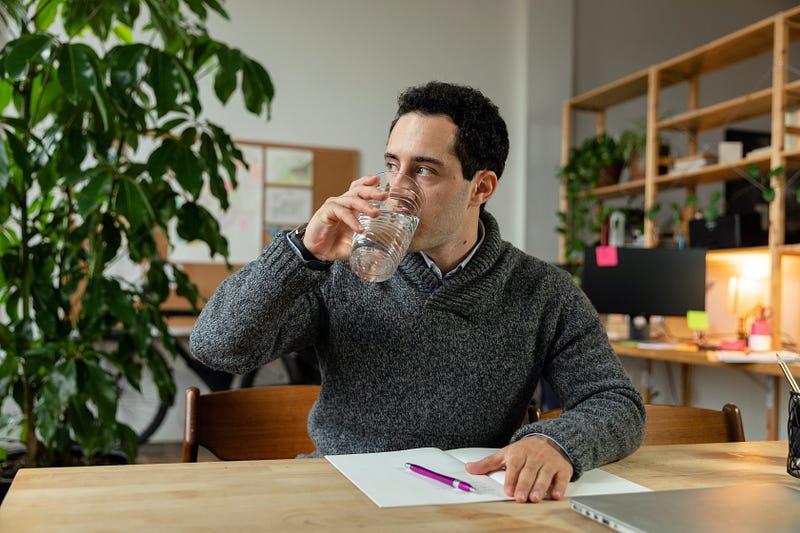
Photo by RDNE Stock project from Pexels

Coffee is a favorite drink for many. Yet, unlike the majority, I love drinking water and using caffeine tablets occasionally. Caffeine is used so much that, as documented in this review paper in 2021, “it is one of the world’s most consumed drugs. Two billion cups of coffee are consumed per day worldwide.”

Recently I wrote about nine effective supplements in my emergency bag that helped me in stressful situations, especially during my travels from Australia to Europe, Asia, and America.

Subscribers who saw caffeine as a supplement in this list were surprised and wanted to know more about it. I touched on the pros and cons of caffeine in my previous articles, especially related to cognitive performance, which is compelling.

However, recognizing the interest and desire for more information by subscribers, I’d like to provide a detailed exploration of the various ways caffeine might positively impact our cognitive function. I have been investigating the effects of caffeine on the brain since the 1990s.

By examining the research from scientific literature and triangulating it with my study observations and personal experiments, my goal is to create an awareness of the double-edged nature of caffeine as an excellent tool when used correctly. If misused, it can cause serious health issues.

A High-Level Overview of Caffeine

Caffeine is a stimulant for the nervous system. It has a similar structure to adenosine, a biochemical that stimulates relaxation and sleep.

I introduced adenosine and its importance for sleep in a previous article. In the literature, caffeine is known as an adenosine receptor antagonist.

In summary, adenosine is a naturally occurring molecule in the body that regulates sleep and wake cycles. As a nucleoside, it comprises a nitrogen-containing base (adenine and ribose sugar).

Adenosine is so critical for the body that it exists in all cells in various forms. Besides regulating sleep and wakefulness, it is also involved in energy metabolism, blood flow regulation, inflammation, and neuroprotection.

Measuring adenosine levels in the bloodstream is challenging as they rapidly form or disappear, as explained in this paper.

The critical mechanism of caffeine’s impact is its binding to adenosine receptors, blocking their action. This blocking can increase neural activity, as adenosine can no longer bind. Thus, caffeine can increase the release of excitatory neurotransmitters.

Caffeine is an intensely researched molecule. Many studies associate caffeine consumption with benefits for the brain (cognitive performance), which I will cover in the next section.

The cognitive benefits of caffeine are not exclusively dependent on the ritual and sensory aspects of coffee or tea consumption but on the effects of caffeine as a potent molecule for the nervous system.

What I mean by the statement is that people who prefer alternative sources of caffeine and have specific dietary preferences like restrictions might still reap the cognitive benefits of caffeine.

For example, I no longer consume coffee or other drinks that contain caffeine because they upset my digestive system.

However, I still benefit from caffeine by taking caffeine tablets in a controlled manner. This allows me to get a precise dose of caffeine that I know will be effective.

Some theories explain the cognitive effects of caffeine on the brain. One theory is that caffeine blocks adenosine receptors, which promote relaxation and sleep. When adenosine receptors are blocked, the brain produces less adenosine. Thus, it can increase alertness.

Another theory is that caffeine stimulates the release of neurotransmitters like dopamine and norepinephrine. These neurochemicals can boost wakefulness and give us a heightened mental state.

Studies have shown that caffeine could positively influence memory consolidation and retrieval. It might improve our memory and learning. However, scientists still investigate the specific mechanisms for these effects.

Executive functions (cognitive flexibility, inhibitory control, and working memory) might be positively influenced by caffeine consumption. Caffeine can enhance these cognitive processes, facilitating adaptive behaviors and decision-making.

Individual responses to caffeine might vary due to genetic differences, tolerance, and other characteristics. Its effects might vary depending on dosage, timing, and personal sensitivity.

Cognitive science, neuroscience, psychology, and psychiatry studies provide valuable insights into the mechanisms, impact, and implications of caffeine on cognitive function for our understanding of its benefits.

Caffeine has many cognitive benefits. However, we must know its potential side effects like anxiety, insomnia, headaches, and stomach upset. Digestive disorders were one of the reasons I stopped drinking coffee and tea, even though I love their aroma.

Caffeine can interact with medications like antidepressants, antihistamines, pain relievers, bronchodilators, and diet pills. Therefore, we must talk to our healthcare consultants before consuming large amounts of caffeine.

As documented by Mayo Clinic, the recommended daily caffeine intake for adults is 400 milligrams. This is equivalent to about four cups of coffee, eight cups of tea, ten cans of cola, or two energy drinks. Individual tolerance to caffeine varies, so some people may experience side effects at lower doses.

Summary of Research on Caffeine’s Bodily Effects

As there are over 38 thousand reports about caffeine in the scientific literature, in this section, I briefly summarize many years of research documented in this NIH book chapter. You may check its citations, which provide details on each item in the source.

“Caffeine has low toxicity with minimal physiological side effects in adults in lower doses, but higher doses can be toxic. The effects of caffeine can vary depending on tolerance.

In caffeine-naive subjects, a 250-mg oral dose of caffeine has been shown to increase systolic blood pressure by approximately 11 mm Hg. It may cause a temporary decrease in heart rate followed by an increase above baseline.

Regular caffeine users deprived of it might experience a significant increase in systolic blood pressure. Some studies have reported no significant changes in blood pressure or heart rate even after a 500-mg oral dose of caffeine.

Higher doses of caffeine (up to 800 mg) are well-tolerated, according to various studies. However, specific cardiovascular effects of caffeine at doses above 500 mg require further investigation. It is an antioxidant and colon cleanser.

Caffeine doses around 350 mg do not have clinically significant effects on cardiac rhythm or heart rate or cause major dysrhythmias. Caffeine can relax smooth muscles in the bronchial tubes and induce diuresis.

The respiratory rate might increase in caffeine-naive people following a 250-mg dose. The effect of caffeine on body temperature in humans remains less studied.”

The research, in summary, informs, “Studies indicate that caffeine can have significant effects on mood and performance, even at relatively low doses, in non-sleep-deprived individuals and has effects on alertness in moderately sleep-deprived individuals.”

The study highlights that “caffeine is effective in reversing the performance degradations and the alterations in mood and alertness produced by prolonged sleep deprivation. The results indicate that these beneficial effects can be long-lasting and not at the expense of serious mood or physiological side effects.”

What Does Caffeine Do in the Brain?

Caffeine is a brain stimulant. It works by binding to adenosine receptors in the brain, blocking their action. This blocking can increase neural activity, which can have cognitive benefits.

Caffeine’s effects on alertness, focus, attention, and memory collectively improve cognitive performance.

By enhancing these cognitive functions, caffeine can positively impact tasks requiring mental processing and performance. It also lowers the risks of dementia.

For example, a 2020 review published in the Journal of Alzheimer's Disease concluded that “caffeine consumption may reduce the risk of dementia and cognitive decline, and may ameliorate cognitive decline in cognitively impaired people.”

In the following subsections, I will briefly touch on each cognitive function linking to prominent studies in the literature.

1 — Increased Alertness

Caffeine’s ability to increase alertness is well-documented. The mechanism behind this is attributed to caffeine’s interaction with adenosine receptors in the brain.

By binding to adenosine receptors, caffeine effectively blocks the action of adenosine. Consequently, the brain produces less adenosine, leading to reduced feelings of drowsiness and increased alertness.

Coffee or tea drinkers report experiencing heightened alertness and improved wakefulness. It is a common strategy to fight tiredness and boost alertness during sleep deprivation.

For example, this paper states that “Caffeine effectively offsets physical and cognitive degradation with sleep loss.”

Multiple studies have demonstrated caffeine’s capacity to enhance alertness and wakefulness.

For example, this 2020 review examining its effects on human behavior highlighted that “Caffeine increases alertness and reduces fatigue. This may be especially important in low-arousal situations (working at night)”

2 — Enhanced Memory

Caffeine has a positive effect on memory as a cognitive enhancer. This effect is attributed to caffeine’s ability to influence memory processes via its effects on adenosine receptors and neurotransmitter systems.

Several studies have investigated the effects of caffeine on memory and have provided evidence supporting its benefits for enhancing memory.

This paper in Nature concluded that “caffeine enhanced the consolidation of long-term memories in humans. Caffeine enhanced performance 24 hours after administration according to an inverted U-shaped dose-response curve; this effect was specific to consolidation and not retrieval.”

This paper states that “Caffeine facilitates performance in tasks involving working memory but hinders performance in tasks that heavily depend on working memory. Caffeine appears to improve memory performance under suboptimal alertness conditions.”

This 2021 review highlighted that “The majority of the studies reviewed suggest caffeine as having a significant positive effect on both short and long-term memory in adults and the elderly.”

During my observations, some people reported experiencing improved memory and enhanced recall after consuming caffeine. They used it as a cognitive aid during studying or when performing tasks that require memory retention.

3 — Improved Focus and Attention

Caffeine can positively affect focus and attention. Based on studies, caffeine can potentially improve attention span, allowing us to sustain focus for a longer duration.

Empirical studies have provided insights into caffeine’s role in enhancing attention span. This 2022 study investigated caffeine’s attentional control for improved and impaired performance in healthy older adults and Parkinson’s disease according to task demands.

The study concluded that “When removing withdrawal effects as a factor, we demonstrate caffeine has beneficial effects on selective attention but is a double-edged sword for visual temporal attention and would need careful targeting to be clinically useful.”

This paper informs that “Studies using ERP measures indicate that caffeine affects attention, independent of specific stimulus characteristics. Behavioral effects on response-related processes turned out to be mainly related to more peripheral motor processes.”

However, papers reviewed by this 2021 study indicate that “studies did not support caffeine as having a significant effect on attention, but that it did play a role in enhancing processing speed.”

People during my research reported experiencing enhanced focus and attention after consuming caffeine. But I acknowledge the placebo effect as caffeine is widely promoted as a tool for focus and attention.

Like me, they used it as a cognitive enhancer to increase concentration during demanding tasks or periods of cognitive strain like traveling and conference presentations.

4 — Faster Reaction Time and Better Task Switching

Caffeine’s stimulant properties and impact on neurotransmitters can expedite neural processing, causing faster reaction times and improved task-switching abilities.

This is why athletes and bodybuilders commonly use caffeine to enhance performance in sports that demand quick, intense, and controlled reactions.

As caffeine stimulates the central nervous system, the resulting increase in neural activity, mainly through the release of dopamine and norepinephrine, enhances alertness and arousal.

This heightened neural activity enables faster transmission of signals in neural networks, facilitating quicker reaction times and more efficient task switching.

Numerous studies have investigated the effects of caffeine on reaction time and task switching, providing evidence for its positive impact.

For example, a study published in the journal Nutrients demonstrated that caffeine consumption improved reaction time and performance on tasks such as martial arts requiring rapid responses.

The study concluded that “caffeine reduced reaction time in non-fatigued conditions and delayed fatigue during successive taekwondo combats.”

During my observations, some people reported experiencing faster reaction times and improved ability to switch between tasks after consuming caffeine.

The people I observed used it as a cognitive aid to promote quick thinking and agility in sports, driving, problem-solving, and manual tasks at work.

5 — Decreased Fatigue

Caffeine can reduce fatigue due to its ability to stimulate the nervous system and increase the release of neurotransmitters. Studies have consistently demonstrated the benefits of caffeine in reducing fatigue.

This 2016 randomized clinical trial concluded that “a significant decrease in subjective fatigue was found after caffeine consumption. Caffeine significantly improved time to exhaustion by 12%.”

The study informed that “Perception of effort and surface electromyographic signal amplitude of the vastus lateralis was lower and heart rate was higher in the caffeine condition when compared to placebo.”

Vastus lateralis is a muscle located on the outer side of the thigh. It is one of the four muscles that comprise the quadriceps muscle group in the front of the thigh.

However, the study confirmed that “caffeine did not reduce the peripheral and central fatigue induced by high-intensity cycling exercise in moderate hypoxia.”

During my observation, like me, some people reported experiencing reduced fatigue and increased energy levels after consuming caffeine. They used it to lower tiredness during extended wakefulness or when experiencing sleep deprivation.

Key Considerations about Caffeine Use

We all might respond to caffeine differently due to dosage, personal tolerance, sensitivity, and genetic makeup. The duration and magnitude of these effects can differ among people.

One concern with caffeine is that the body can quickly adapt to its effects, leading to a tolerance build-up. As a result, higher doses may be required to achieve the same desired effect.

To counteract this, taking periodic breaks from caffeine consumption and exploring alternative stimulants can be beneficial.

Potential withdrawal symptoms can be challenging for some people when reducing or discontinuing caffeine intake.

Caffeine can offer cognitive enhancements. Yet, we must consider the potential side effects associated with its consumption.

Some concerns are sleep disturbances, increased anxiety, and jitteriness, especially when excessive amounts of caffeine are consumed close to bedtime.

Being mindful of the timing and quantity of caffeine intake can help us mitigate these adverse effects. Understanding the underlying mechanisms that drive caffeine’s cognitive effects allows us to appreciate its benefits better.

However, obtaining individualized advice from qualified healthcare professionals is necessary. They can provide insights and personalized guidance, especially for those with underlying health conditions that may interact with caffeine or be affected by its excessive consumption.

By being informed, aware of potential risks, and obtaining professional advice, we can make informed decisions regarding caffeine consumption, optimizing its potential benefits while mitigating risks and minimizing drawbacks.

Takeaways

1 — Excessive caffeine consumption especially close to bedtime can disrupt sleep, increase anxiety, and cause jitteriness.

2 — As the body can develop a tolerance to caffeine, requiring higher doses for the same effects, taking breaks from caffeine and exploring alternative stimulants might be helpful.

3 — Be aware of potential withdrawal symptoms when reducing or discontinuing caffeine intake.

4 — Make informed decisions about caffeine consumption, balancing its benefits and potential risks.

5 — Consider potential interactions with underlying health conditions and mediation when consuming caffeine and obtain personalized advice from qualified healthcare professionals for guidance.

I also wrote about several other supplements that you may access via the attached links:

Lutein/Zeaxanthin, Phosphatidylserine, Boron, Urolithin, taurine, citrulline malate, biotin, lithium orotate, alpha-lipoic acid, n-acetyl-cysteine, acetyl-l-carnitine, CoQ10, PQQ, NADH, TMG, creatine, choline, digestive enzymes, magnesium, zinc, hydrolyzed collagen, nootropics, pure nicotine, activated charcoal, Vitamin B12, Vitamin B1, Vitamin D, Vitamin K2, Omega-3 Fatty Acids, N-Acetyl L-Tyrosine, Cod Liver Oil.

Thank you for reading my perspectives. I wish you a healthy and happy life.

As a new reader, please check my holistic health and well-being stories reflecting my reviews, observations, and decades of experiments optimizing my hormones and neurotransmitters.

Petechiae, ALS, Metabolic Syndrome, Type II Diabetes, Fatty Liver Disease, Heart Disease, Strokes, Obesity, Liver Cancer, Colorectal Cancer, Autoimmune Disorders, Homocysteine, Lungs Health, Pancreas Health, Kidneys Health, NCDs, Infectious Diseases, Brain Health, Dementia, Depression, Brain Atrophy, Neonatal Disorders, Skin Health, Dental Health, Bone Health, Leaky Gut, Leaky Brain, Brain Fog, Chronic Inflammation, Insulin Resistance, Elevated Cortisol, Leptin Resistance, Anabolic Resistance, Cholesterol, High Triglycerides, Metabolic Disorders, Gastrointestinal Disorders, Thyroid Disorders, Anemia, Dysautonomia, cardiac output, Neuromuscular Dysfunctions, and urinary track disorders.

More stories like these are on EUPHORIA.

Disclaimer: My posts do not include professional or health advice. I only document my reviews, observations, experiences, and perspectives to provide information and create awareness.

I publish my lifestyle, health, and well-being stories on EUPHORIA. My focus is on cellular, mitochondrial, metabolic, and mental health. Here is my collection of Insightful Life Lessons from Personal Stories.

You are welcome to join my publications on Medium as a writer by sending a request via this link. 25K writers contribute to my publications. You may join Medium with my referral link to enjoy unlimited content.

Mental Health
Health
Science
Lifestyle
Self Improvement
Recommended from ReadMedium