
I Don’t Want To Write About The Snowman Plate That Broke My Heart
The most regular objects can hold the biggest memories
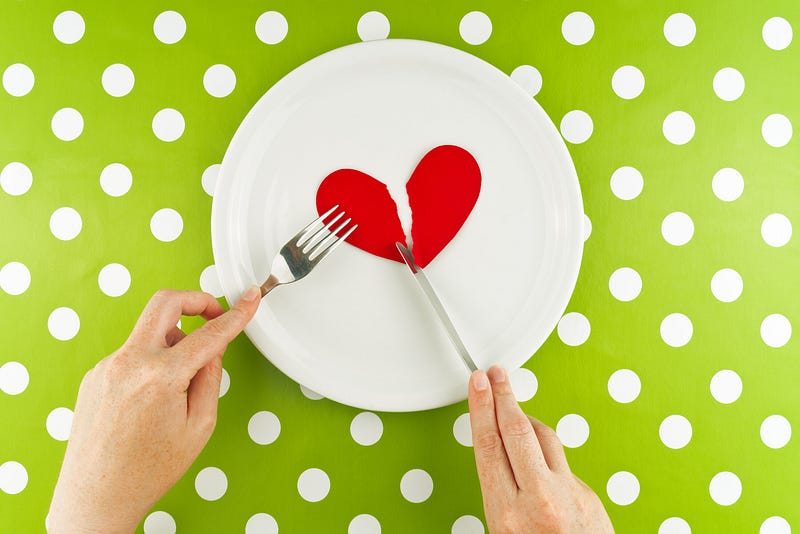
The red plate had a design of a snowman’s face, which was once covered in a pile of holiday cookies. After so many trips through the dishwasher, the plastic cracked, until finally, a triangle of red broke off.
Several times I thought: I need to put the plate somewhere special or someone will think it’s trash.
But I didn’t. It was the kids’ favorite plate to eat lunch on—a Christmas plate even in June with a quesadilla and orange slices.
Every time we used the plate my heart smiled.
It wasn’t an heirloom or a treasure from far away. It was just a plate my dad brought me cookies on a long time ago.
“Whoever gets to the counter first can have Grandpa’s plate for lunch!” My daughters would race over — excited and sometimes even deferential. “You can have the plate today,” my oldest would say to her sister.
My dad died when my daughters were 2 and 5 years old. When he was alive, he was ever-present. He would take out every single toy when he was left alone with his granddaughters and leave a trail of toast crumbs wherever he went.
The plate became a pain. It didn’t stack well with the other plates.
My dad was also kind of a pain and didn’t always stack well with others.
He didn’t get certain social cues, would wear blown-out sweatpants, button-down shirts misbuttoned, and had loud, well-informed opinions he would gladly give away in our local coffee shops.
He was also the smartest and most engaging man in any room. He had a way of making you believe in the best part of yourself and would light up people with his praise.
Today would have been my dad’s 70th birthday.
I miss being annoyed and loved by him.
One day I walked into the kitchen and the plate was gone. I turned to my husband who occasionally goes on an organizing frenzy.
“Did you throw away the snowman plate?”
“Yes.” His eyes got large. He could hear the tension in my voice. My kids stopped playing and tuned in, the way kids do when they feel the energy in a room go askew.
I started crying, but my voice stayed level.
“That was from my dad. It’s the kids’ favorite plate for lunch. How could you not know that? My dad is never going to waltz in here and bring me another plate of cookies. And I miss that so much. You know I do.”
I left the kitchen and went to our bedroom for space.
My husband knew he screwed up.
The plate was so much more than a plate.
It was another lost thing that could never be retrieved again. It was such a small nod to my dad, but it tied my kids to memories that will exist mostly in the wilds of their hearts.
My husband came into the room to own up. Suddenly my fury wasn’t just about grief. The plate became a symbol of how alone I felt — how I was doing the majority of the parenting and I was exhausted. It was about how unseen I felt in our marriage. “How come you didn’t know that plate was part of everyday life around here? How come you weren’t paying attention?”
I took my husband’s apology, “I am so sorry,” and put it aside with all the other useless and vital things we say to each other to mend wounds.
I still miss the plate.
But since then, I’ve found other ways to live alongside my losses.
My dad was a writer too, and every time I send an essay out into the world, it’s like I’m continuing our conversations.
I didn’t want to write about the plate because I’m ready to set aside hurting.
And yet, it feels good to be reminded of my dad on his birthday.
He would have said to me, “Mercedes, we are all so full of contradictions.”
Dad, grief is like that too. It immerses you in pain and fills you up with joy for the present. Happy Birthday.
Want to get an email from me every time I publish? Join my email list by clicking here.
Writing and reading on Medium is fun. It’s like being part of a world-wide workshop. If you want to give it a try, use my referral link.
Here’s a couple other stories about managing loss…