
I Didn’t Mean to . . . Intentions Don’t Excuse Your Actions
When you hurt someone, they rarely care what your intentions were.
I recently wrote an article which details a business situation that happened to me recently, where someone misinterpreted something that I wrote and then responded in a public way suggesting that I was lacking in ability. They then went on to approach someone else I was in business with who had provided me with a great opportunity to become involved in something that would really have helped me and complained to them. The second individual responded by telling me I was no longer welcome to be part of the team.
My first piece about was had to do with the harmful effects of gossip, how it’s something that can ruin someone’s reputation, and can’t be reversed. In this case, because the first person didn’t just insult me publicly but went behind my back and talked about me to others, there were several negative consequences, which are continuing to affect me even now, weeks after the incident.
Several days ago I contacted the individual who was the head of the second organization which I’d been thrown out of as a result of this situation. I simply wanted them to read what I’d actually written verbatim and understand that the response I’d received hurt my reputation and the individual’s other actions had continued to have considerable fallout. I wanted the person to understand that when you act on someone’s accusations without looking into it because you know them and don’t know the person the accusations are about, you can just as significantly impact their reputation as the first person.
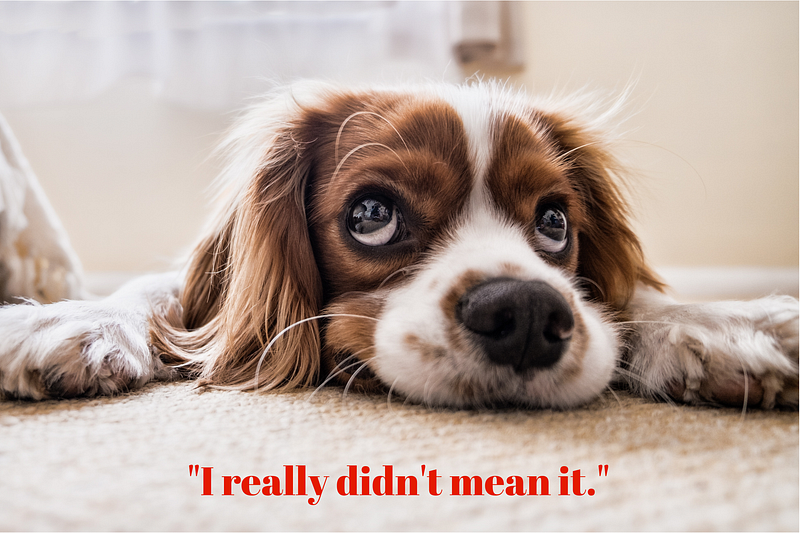
This second individual at least took the time to reply but they made the comment that never fails to annoy me. “I didn’t mean to harm your reputation.”
I really am not a person that takes offense at every little thing, and when something is really not meant as any kind of insult I am generally not offended. When someone says they didn’t mean to do something, if they truly had no way of knowing that their words or actions could harm someone, then I understand.
I do have a problem, however, when they would have been able to realize that there was definitely potential for harm, had they just stopped and really considered their actions for a moment. Unfortunately, at some point, giving careful thought to how our actions might impact others became unimportant. We entered into an egotistical era and if something we do hurts someone else we think on some level, “That’s not my problem.”
In this case, had the second person considered the ramification of acting on the complaints of one member of the team without investigating what had been alleged and without any impartiality because the two individuals are friends, they would have been more likely realized the potential for harm. It doesn’t take a ton of introspection to understand that allowing a person to bad mouth someone who was an equal member of the team and letting what was essentially a misinterpretation be spread among the other team members is going to cause problems for the individual. It is bound to hurt their reputation and possibly other other work relationships as well.
When I received the reply, it immediately rubbed me the wrong way. They didn’t deny that what I had explained was true, nor did they actually apologize for anything that had happened. They didn’t claim that they didn’t know the situation would harm my reputation. They simply said they hadn’t intended for what happened to hurt me.
The bottom line is that I don’t really care if they meant it or not, I care that any reasonable person in this situation who stopped to think about what what might possibly happen as the result of their actions would have known. In my mind, while they may not have consciously meant it, not taking the time to think about how someone could be hurt by their actions meant that they also didn’t not mean it (sorry for the double negative).
We know that our words and our actions do have consequences not just for us but for others as well. It’s not enough to fail to consider the effects our choices have on those we interact with. And it is a choice to not worry about whether what we are doing in a given situation has the potential for harm.
If someone accidentally kills someone, a judge doesn’t let them walk away because they didn’t mean to do it. Manslaughter is a crime where there is no intent to seriously harm or kill someone or there is the extreme, reckless disregard for life. If you show a disregard for the harm you might inflict despite there being no actual intent to hurt anyone, if someone dies as the result of your actions, you will go to jail. The courts don’t care what you meant to do, they only care about the fact that you hurt someone.
The same thing should be true of our words and actions in regard to how we treat each other. We should consider it unacceptable to cause another person harm due to our reckless disregard for their well being even if there is no intent to do harm. We shouldn’t allow ourselves the safety net of hiding behind our intentions, when the lack of intent simply means the lack of forethought.
We should make it an automatic practice to think through the consequences of all of our actions and what we say about other people. Whenever you hear yourself say, “I didn’t mean it,” or “I didn’t intend for that to happen,” when you learn that something you did or said hurt someone, stop and examine whether you could have predicted the possible harm that resulted.
The more you do this, the more you will come to see that you could have predicted what happened with some foresight. Then consider how you could have handled the situation differently to prevent yourself from hurting the person. When someone hurts you because of thoughtlessness, and tells you they didn’t mean to, don’t let them completely off the hook. Let them know why they should have been able to predict the outcome of their actions.
It is only when we are willing to hold ourselves and others accountable for causing pain by failing to think about what might result, that we will make a difference in preventing avoidable harm. It is this willingness that we must develop. Until we see it as important, nothing will change. We have a responsibility to one another. We are all in this together.
Natalie Frank has her Ph.D. in Clinical Psychology. She specializes in Pediatrics and Behavioral Medicine.

If you enjoyed reading this story, you might also enjoy these:
You can find links to my other work on Medium and follow me here. Thanks for reading!


