avatarIrene Fassler

Free AI web copilot to create summaries, insights and extended knowledge, download it at here

3218

Abstract

year on December 22nd!</p><figure id="6fbc"><img src="https://cdn-images-1.readmedium.com/v2/resize:fit:800/1*zAYG9AZzgWO4wqcLizOdmg.jpeg"><figcaption>Photo: screenshot from <a href="https://nationaltoday.com">google search</a></figcaption></figure><h2 id="b7ff">The social benefits of a cookie swap</h2><p id="8021">While known best for their gastronomic benefits, cookie exchanges also are the perfect opportunity to make and foster social connections.</p><figure id="530c"><img src="https://cdn-images-1.readmedium.com/v2/resize:fit:800/1*nOE8g4NgPDUcvPx7P_2MQg.jpeg"><figcaption>Photo from the author’s archives</figcaption></figure><p id="33a3">The importance of social connections to our overall wellbeing has received much attention over the past two years and the <a href="https://www.mayoclinic.org/healthy-lifestyle/adult-health/in-depth/friendships/art-20044860">medical field</a> now distributes advisory bulletins on the health benefits of friendships and connections of all types, including reducing stress, boosting happiness, and fostering a sense of belonging.</p><p id="74ae">Cookie exchange parties also provide an excellent opportunity to share cultures and traditions through family recipes and stories. And in today’s world where dietary restrictions abound, cookie swaps have the ability to expand our repertoire of recipes to include plant-based, dairy-free, gluten-free, nut-free, and a host of other options.</p><h2 id="40d7">How to host a low-stress cookie swap</h2><p id="5f93">Cookie swaps can take on different forms, from informal gatherings with a few friends to more structured events. Some are even held as competitions. Given the inherent stress of the holiday season, a low-stress cookie swap may be the better choice at this time of year. Here are some suggestions on how to keep your cookie swap low-stress while still focusing on fostering connections:</p><figure id="ee60"><img src="https://cdn-images-1.readmedium.com/v2/resize:fit:800/1*ZMb-cQyfR2g9BuO8gbBtQA.jpeg"><figcaption>Photo from the author’s archives</figcaption></figure><p id="e2c0">1. <b>Keep it informal:</b> Leave your manager’s hat at the office. Let guests bring whatever kind of cookie they want. If having free-for-all gives you a case of hives, add in a bit of structure and start with an ice breaker or share stories about the recipes used.</p><p id="df84">2. <b>Keep it short:</b> We are all busy at this time of year. The swaps don’t have to be a long, drawn-out affair. Host one during a lunch hour at work or state an end time in your invitation and host one for an hour or two over the weekend.</p><p id="e16c">3. <b>Keep it small:</b> Resist the temptation to invite your entire neighborhood. Especially during times when being socially distant continues to be a goal, 8–10 people make the party size manageable and the number of cookies you walk away with reasonable (sort of).</p><p id="e91d">4. <b>Keep it fair:</b> Avoid any unintended inequities. Suggest to your guests ahead of time how many cookies to bring. This way everyone walks out with the same number.</p><p id="f0ff">5. <b>Keep everyone informed: </b>Have your guests bring a copy of the recipe. This prevents an allergy faux pas and

Options

also eliminates the need for guests to chase after an interesting recipe for replicating a cookie that’s a hit at home.</p><p id="6f9f">6. <b>Keep them secure for travel: </b>Provide a pre-fab box or some other take-out container appropriate to the number of cookies each guest will take home.</p><h2 id="61fd">Wrapping up the swap</h2><p id="a57a">The best part of any cookie swap is the connections made with new friends and old ones.</p><p id="afe7">Go ahead and schedule a swap! Invite your friends, family, neighbors, or even a community group. Bake a batch of cookies and be the recipient of more than edibles in return. It’s a delicious way to satisfy your hunger-to-belong!</p><p id="4eaa"><i>If you missed scheduling a cookie swap this holiday season, no worries. Valentine’s Day, Easter, Fourth of July, or any other day of the year — are all perfect times to host a cookie exchange party!</i></p><p id="93ba"><i>Over the last 3 months, <a href="https://culinary-communities.com">Culinary Communities</a> has hosted different formats of monthly get-togethers fostering connections in and around the Boston area. There was a Saved by Supper Club event, a potluck event and in December, a cookie swap. I plan to continue hosting events into the New Year, both in-person and online. Be the first to know! Send me a note so I can add your name to the CC email list.</i></p><p id="281b">Through my blog Hunger-to-Belong, I post articles regularly about food’s intrinsic ability to bring people together. In today’s world challenged by long-standing social divides and our more current need to stay socially distant, it is critical to proactively foster social connections, both minor and more substantive. If you enjoyed this article, here are a couple more to read.</p><div id="0392" class="link-block"> <a href="https://readmedium.com/how-to-use-a-potluck-spirit-to-cultivate-social-connections-e0d8504b6897"> <div> <div> <h2>How to use a Potluck Spirit to Cultivate Social Connections</h2> <div><h3>Potlucks make me uncomfortable. This is crazy considering how much I enjoy hosting (and attending) food-centric events…</h3></div> <div><p>medium.com</p></div> </div> <div> <div style="background-image: url(https://miro.readmedium.com/v2/resize:fit:320/1*KZZ9ijnrHAd6UU8LeWRChw.jpeg)"></div> </div> </div> </a> </div><div id="ba29" class="link-block"> <a href="https://readmedium.com/communal-dining-strategies-to-building-longer-tables-c863081ea11b"> <div> <div> <h2>Communal Dining: Strategies to building longer tables</h2> <div><h3>We were sitting at the bar, in a city that wasn’t our own. The conversation next to us became heated and I turned to…</h3></div> <div><p>medium.com</p></div> </div> <div> <div style="background-image: url(https://miro.readmedium.com/v2/resize:fit:320/1*GZrLETpsPwOk2BgHHsKmJg.jpeg)"></div> </div> </div> </a> </div></article></body>

How to Improve Your (Social) Health With a Cookie Exchange!

Have cookies become a form of social currency?
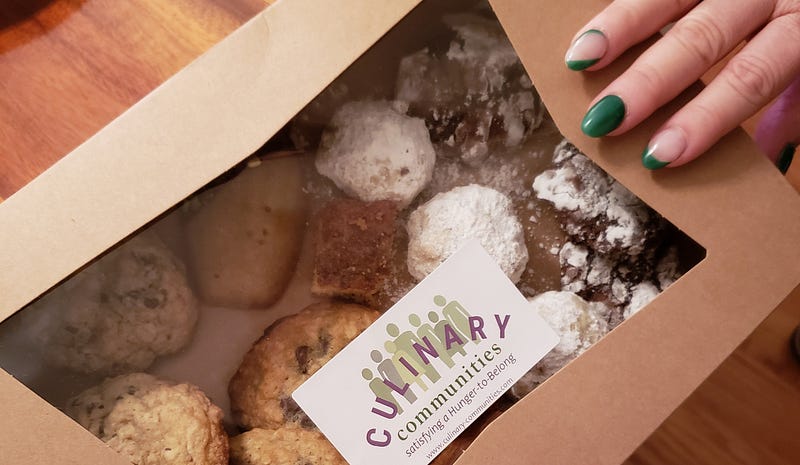
Photo from the author’s archives

Are you looking for a way to make some new social connections this holiday season?

Swapping classics like sugar cookies and gingerbread is a popular holiday tradition that fills not only our cookie jars and our stomachs, but also our hearts and souls by fostering social connections and satisfying our hunger-to-belong.

But when did cookies become a form of social currency?

A short history of the cookie swap

The word “cookie” comes from the Dutch word “koekjes” which is derived from “koek”, a small cake traditionally served on New Year’s Day. While the dessert is reported to have originated in the 7th century (CE) in Persia, koekjes emigrated to America in the early 17th century along with the Dutch settlers. The name of the small cakes eventually evolved into the more English-sounding word, “cookie” sometime between the 17th and 19th centuries, depending on the source.

Photo from the author’s archives

Swapping cookies or small cakes among families and friends have been taking place during festive gatherings since the Middle Ages though it wasn’t until the 18th century that the practice found its way to America. These events gained in popularity in part thanks to George Washington, who popularized the gatherings by hosting several of his own.

Cookies’ place in society today

Today, cookies are so revered that childhood icons are created to celebrate them (who can forget the Cookie Monster?). And cookie manufacturers have enough clout to be the subject of lobbying efforts as was the case for Nabisco who redesigned its Animal Crackers box in 2018 in response to pressure from PETA to release the animals from their cages. Cookie swaps have become so popular that we now have a special day to celebrate them; National Cookie Exchange Day is celebrated every year on December 22nd!
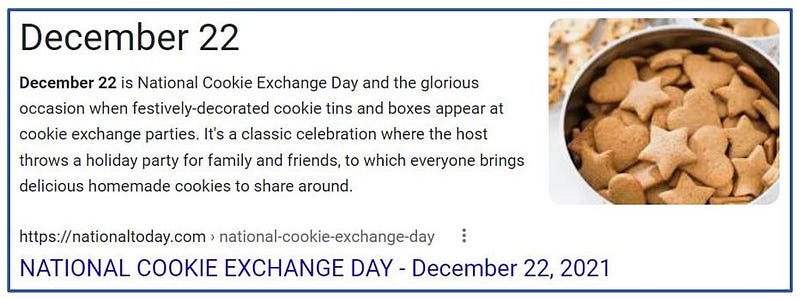
Photo: screenshot from google search

The social benefits of a cookie swap

While known best for their gastronomic benefits, cookie exchanges also are the perfect opportunity to make and foster social connections.
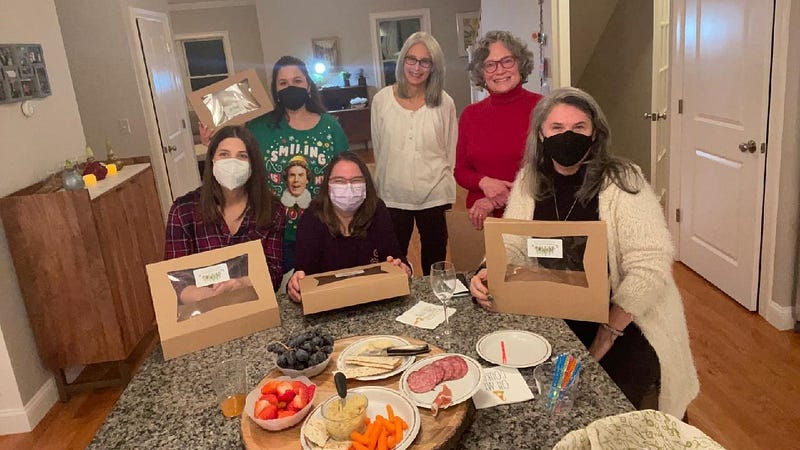
Photo from the author’s archives

The importance of social connections to our overall wellbeing has received much attention over the past two years and the medical field now distributes advisory bulletins on the health benefits of friendships and connections of all types, including reducing stress, boosting happiness, and fostering a sense of belonging.

Cookie exchange parties also provide an excellent opportunity to share cultures and traditions through family recipes and stories. And in today’s world where dietary restrictions abound, cookie swaps have the ability to expand our repertoire of recipes to include plant-based, dairy-free, gluten-free, nut-free, and a host of other options.

How to host a low-stress cookie swap

Cookie swaps can take on different forms, from informal gatherings with a few friends to more structured events. Some are even held as competitions. Given the inherent stress of the holiday season, a low-stress cookie swap may be the better choice at this time of year. Here are some suggestions on how to keep your cookie swap low-stress while still focusing on fostering connections:
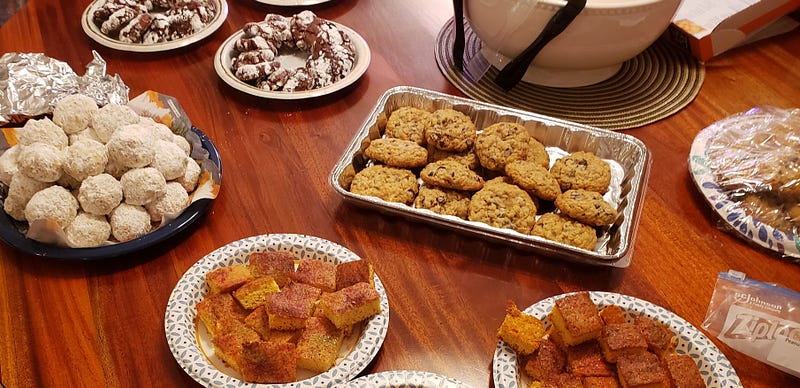
Photo from the author’s archives

1. Keep it informal: Leave your manager’s hat at the office. Let guests bring whatever kind of cookie they want. If having free-for-all gives you a case of hives, add in a bit of structure and start with an ice breaker or share stories about the recipes used.

2. Keep it short: We are all busy at this time of year. The swaps don’t have to be a long, drawn-out affair. Host one during a lunch hour at work or state an end time in your invitation and host one for an hour or two over the weekend.

3. Keep it small: Resist the temptation to invite your entire neighborhood. Especially during times when being socially distant continues to be a goal, 8–10 people make the party size manageable and the number of cookies you walk away with reasonable (sort of).

4. Keep it fair: Avoid any unintended inequities. Suggest to your guests ahead of time how many cookies to bring. This way everyone walks out with the same number.

5. Keep everyone informed: Have your guests bring a copy of the recipe. This prevents an allergy faux pas and also eliminates the need for guests to chase after an interesting recipe for replicating a cookie that’s a hit at home.

6. Keep them secure for travel: Provide a pre-fab box or some other take-out container appropriate to the number of cookies each guest will take home.

Wrapping up the swap

The best part of any cookie swap is the connections made with new friends and old ones.

Go ahead and schedule a swap! Invite your friends, family, neighbors, or even a community group. Bake a batch of cookies and be the recipient of more than edibles in return. It’s a delicious way to satisfy your hunger-to-belong!

If you missed scheduling a cookie swap this holiday season, no worries. Valentine’s Day, Easter, Fourth of July, or any other day of the year — are all perfect times to host a cookie exchange party!

Over the last 3 months, Culinary Communities has hosted different formats of monthly get-togethers fostering connections in and around the Boston area. There was a Saved by Supper Club event, a potluck event and in December, a cookie swap. I plan to continue hosting events into the New Year, both in-person and online. Be the first to know! Send me a note so I can add your name to the CC email list.

Through my blog Hunger-to-Belong, I post articles regularly about food’s intrinsic ability to bring people together. In today’s world challenged by long-standing social divides and our more current need to stay socially distant, it is critical to proactively foster social connections, both minor and more substantive. If you enjoyed this article, here are a couple more to read.

Mental Health
Community
Food
Holiday
Social Health
Recommended from ReadMedium