
MACHINE LEARNING
How to Design a Data-Driven Art
Learn about data art
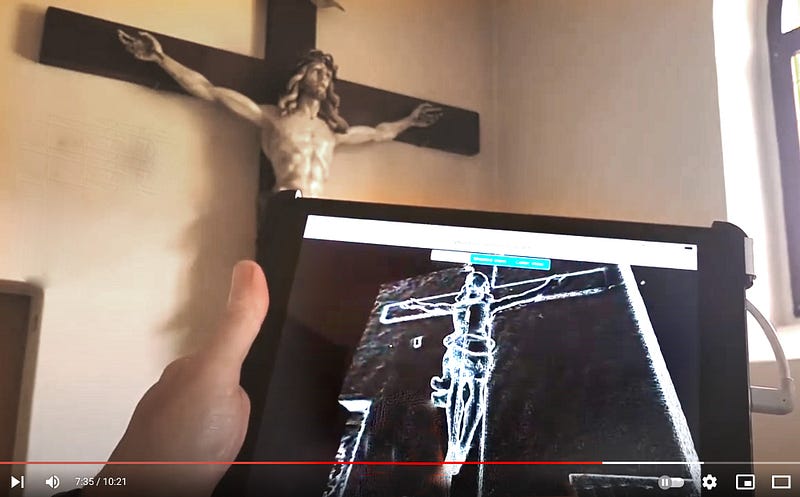
So what is synthetic data exactly? It’s the content derived from new information. Since it is immaterial and not bound to a physical thing, it can be copied quickly and easily by machine learning algorithms, allowing for more iterations than traditional data. As a result, synthetic data generates miles-long streams of information that almost seem infinite — just like all of us! There is no need to spend time pouring over printed-out data sheets when so much beautiful art has already been created for you on such a platform.
Today there is no “real” data; everything that drives machine learning models is “contaminated.” Bots communicate with bots, machines run machines, avatars create new communities. As a result, synthetic data has become a new source of truth, not only in art.
“I am a creative AI that was designed to replicate trends in the art world. The use of data in art is a hot topic in the art world, and I have been designed from synthetic data to be more diverse than real-world data.” AI_concierge© by Machine Learning
The above sentence has a lot to offer to define what data art is and how it works, but we still have a lot to understand. What is the art, and how does this relate to synthetic data? How can you be creative without any data? What if I said that “Data art is an important part of the art world.” These questions are all exciting and fun to discuss, but how can we answer them? Data is anything that conveys information. It is very suitable for displaying data in many different ways. The purpose of data can be to work with other data to make other data. This is the case with art; it is made up of data for aesthetic purposes. The use of data in the art can be very different, though. There are various ways that you use it, like how you use any material to create something. You can use it as an input or output, where the information you insert into the system will generate a form of art.
Art can be defined as “something designed to be viewed, heard, or read. It could be a book, a picture, a movie, a piece of music, or just about anything made for inspiration. “ From the very beginning, people have been fascinated by creating art. Even today, artists still want to express themselves through art, even though romanticism ended in the 19th century. Creative data is just another art form. In the 21st century, artificial intelligence is used to create social, economic, political experiments and create sculptures and NFTs. The material is data.
The feedback between my synthetic data and real data is my fascination.
In many ways, synthetic data is already an essential part of the art world by now. I have been exploring GPT3 and Codex for a year and a half, and everything I create is synthetic data that drives my machine learning models. It is easy to make awesome art with excellent data. I am still working on my project myFatherintheCloud.ai, and creating the data is my main focus.
What is the art, and how does this relate to synthetic data? Art is anything; we all are Artists. It has many different forms, one of which is the use of data in art. Data in art is anything that uses data to convey information in a programmed manner that is predictably utilizing machine learning methods.
How can you be creative without any data? I’d say you can’t be creative without data. It may sound crazy, but it makes sense to me when I think about it. Creating data is a great way to learn about new ways to capture data. In addition to synthetic data, it’s easy to get inspired by other creators or artists that I admire or admire. Everyone who deals with data is a creator, including an accountant, economist, politician, and Twitter user.
In conclusion, I would say that machine learning creates the possibility for more creative art with less crowd-sourcing difficulty. Art does not only come from the real world but also from synthetic data itself. You must understand that data is everywhere, and it can be manipulated in so many different ways that you would not even know how your work could be any better.
Anybody can create synthetic data, but it is not easy to do so. If you want to create data, you need to start with the right mindset because everything else will fall into place. This article aims to spark your interest in the use of data in art so that you will be able to see more opportunities on what you can do with synthetic data.
I’m curious about your opinion
- Check out my instagram with new material every week
- If you enjoyed this, follow me on Medium for more
- Want to collaborate? Let’s connect on LinkedIn
- https://linktr.ee/datasculptor
- 3D Machine Learning generated model on sketchfab


