
How To Protect Your Resources
With panic scammers seeks their victims

While everyone struggles to move on with life, their jobs and not focused on fraud, scammers are just waiting in the wings to still your identity, packages, credit cards, gifts, gift cards and anything they can get their hands on. My friend’s car was stolen recently. With scammers and thieves there is no limit and all things are up for grabs.
For consumers as you get on with life and make ends meet, scammers lie awake figuring out their next victim and event. Shoppers are under near constant assault (gift cards) amid what is being called the country’s first trillion dollar holiday season.

While this is suppose to be a joyous return to life time for friends and families everywhere, often happiness is upended with nightmares of scams. The joy of shopping carefree is a thing of the past. You can’t leave anything in your car while shopping or you can’t have packages delivered to your home. Thieves are always lurking to take your possessions bought with your hard earned money and credit cards.
The only way to avert scammers is to be aware of where they are lurking. They are focusing on gift cards, phishing, sneaky emails, fake charities and relatives in distress calls.
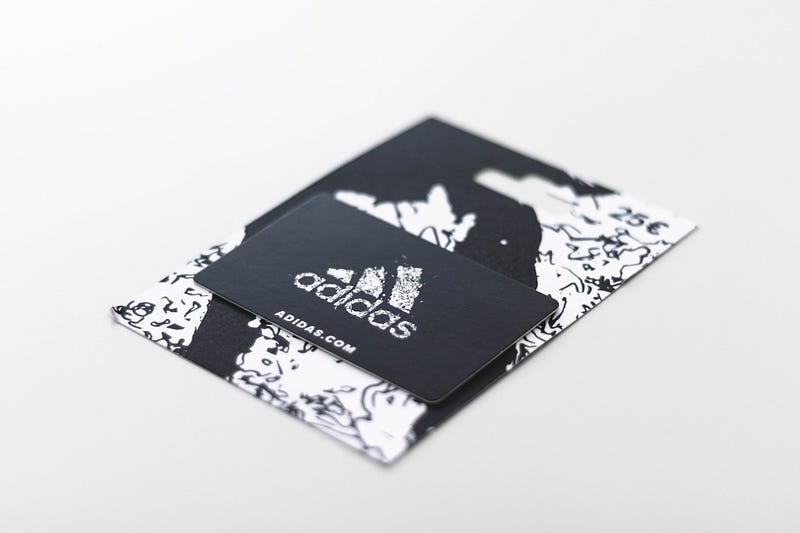
Gift cards are a main attraction for scammers. According to the Mercator Advisory Group, a payment industry consulting firm, estimated nearly $100 billion was loaded onto gift cards last year. The scammers are very aware of the billions of dollars spent for gift cards, also. They go to great length to cut themselves in for a piece of the action. No matter what precautions are put in place to prevent scammers from stealing gift cards, they have manged to find ways to abuse gift cards. i.e. They go into stores peel back the stickers covering gift card, obtain the PINs and write down the card number. After the card is purchase, they go online and try to make a purchase. Other scammers employ software programs to test possible combination of card number and pin on a retailer’s website to make purchases.
Consumers need to be cognizance if gift card had been tampered with and if not, only peel away the sticker or scratch the pin when making a purchase. Let’s face it, as popular as gifting gift cards are, many go unused. This had proven to be a cash cow for the merchants.
Phishing is when email inboxes became inundated with what looked like messages and freebies from prominent retailers. While some may be legit, others are a way for scammers to get your personal information or have you download a malicious program. One time, I was told of a $75 dollar coupon from a merchant being posted on social media, but was confirmed a fake by the merchant. Never click on a unfamiliar link. When in doubt hover your cursor over the link and see what appears. If a recognizable brand appears, you are probably okay, but if a lot of unrecognizable letters, numbers and symbols appear, it’s probably a scam. There are so many scams on the internet that it’s hard to list them off. The best rule is always proceed with caution on websites and pre-checked boxes that commit you to things and products unfamiliar. Also, clicking on these link in these emails can download a virus to your computer and destroy your files along with getting your personal info. Rule of thumb, when in doubt make that call and investigate.
Fake Charities preys on consumers who desire to do good especially during difficult time like corona virus. Many fake charities pop up out of nowhere and during any tragedy, ie. earthquake, shooting, fires, health causes, fundraising, and etc. They exploit the joy of giving by many, elderly a main target. Investigate the charity that you wish to support to ensure it’s legit.
Relatives in distress calls is becoming too all common place. There was once this lady who received a call and was told her grandson was in need of help and she needed to send money to help him. She became very frantic. She hung up and called her daughter who advised her it was a scam and that’s exactly what it turned out to be. These types of calls play and bank on one’s emotions causing them to act on impulse following the scammers instructions for money. Sometimes these callers pretend to be a policeman or someone in authority to catch your attention, inform of the danger of a love one while requesting money in some fashion.

Grandparent scam primarily targets seniors where they are instructed to wire money or gift card numbers to some unfamiliar location to help a relative. One time my mother and father were told to wire hundreds of dollars to a love one but when they went to do it, was advised by a bank teller not to do it.
Sneaky Emails — I have received tons of emails regarding my PayPal account going to be being closed if I don’t follow the enclosed instructions. These bogus emails usually have a link to click on, take you to a bogus site and extract or request your personal info. Any such emails from a merchants, shipping company like FedEx or UPS, call them instead of clicking on the link.
In conclusion, scammers prey on emotions and know all the right button to push. They are con artists on steroids! If you get a call, email or anything that looks like a scam, it probably is. Proceed with caution and investigate before acting.
For additional reads:
