
How to get a Grip on Life, Grip your Handshake
How to make your handshake count and effective
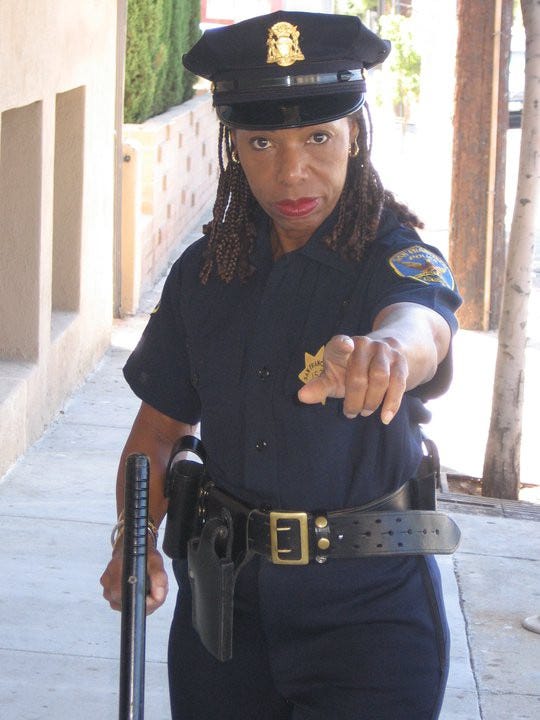

A firm handshake is very crucial especially in the business world just like a kiss and hug was crucial in the churches long ago. A firm handshake often meant the shaker was a confident person unlike the limp handshake which connoted an insecure person. I have often done both. Most of the time when I have extended a weak or limp handshake, it was done to be polite but not committed in the interaction. Whereas my firm handshake was one extended for a positive confirmation and performed totally out of obligation or politeness.
Having been the recipient of a limp weak handshake, I have made every effort to do the opposite so much so that when I met with a casting director once, I gave her a firm handshake to my regret, for she replied, “Oh you hurt my hand!”, of course I immediately apologized and sent a note conveying the same. Honestly, I really don’t think my handshake was that hard, she was probably not used to such firm handshake. Now, I monitor my handshake not to have a repeat performance as before.
Lately, I have heard that a firm handshake had a direct correlation and is a predictor of good health and a longer life. Yes, a firm handshake is recommended at all times but now when you shake as such, it will remind you of your longevity status. We all want to experience longevity so why not start with a firm handshake as a wake-up call.

Prior research has shown that there is a strong link between a firm grip and expected longevity. It has been found that hand shakers who retain a higher grip of strength throughout life have been found to have a lower risk of several common, life-threatening diseases, i.e. heart disease, respiratory disease and/or cancer. This was confirmed via a published 2018 study, The BMJ , where they examined how the grip strength of over 500,000 adults between the ages of 40 and 69 correlated to their rates of healthy outcomes and longevity. Other factors included in the study consisted of each diet, sedentary time and socioeconomic status.
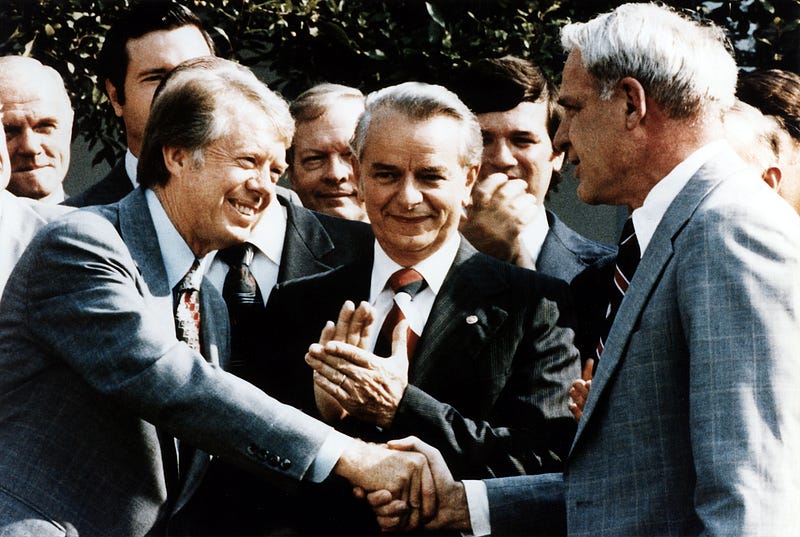
From the study, it was concluded that a grip strength proved to be a better predictor of cardiovascular disease than traditional metrics like blood pressure and physical activity. It had been stated that a weak grip from an elderly person connoted declining health and it was also concluded the same to be true for adults in their 40s. There was a link between grip strength and risk of death, heart attack and/or stroke for participants between the ages of 35 and 70.
Grip Strength Does Matter
Grip strength is a viable barometer for longevity. Your biological age does play a major part in your grip as your chronological age. Biological age depending on one’s daily physical regimen which could be much younger than one’s chronological age. While no one can inhibit aging but it can be slowed down with a healthy lifestyle. An unhealthy lifestyle also affects your chronological age in a negative manner.
Pertaining to the elderly, a good grip may be needed to perform everyday functional activities like opening jars, carrying groceries, using a walking cane or holding onto railings, etc.
Steps to improve Grip Strength & Endurance
- Regular resistance training, i.e. resistance bands
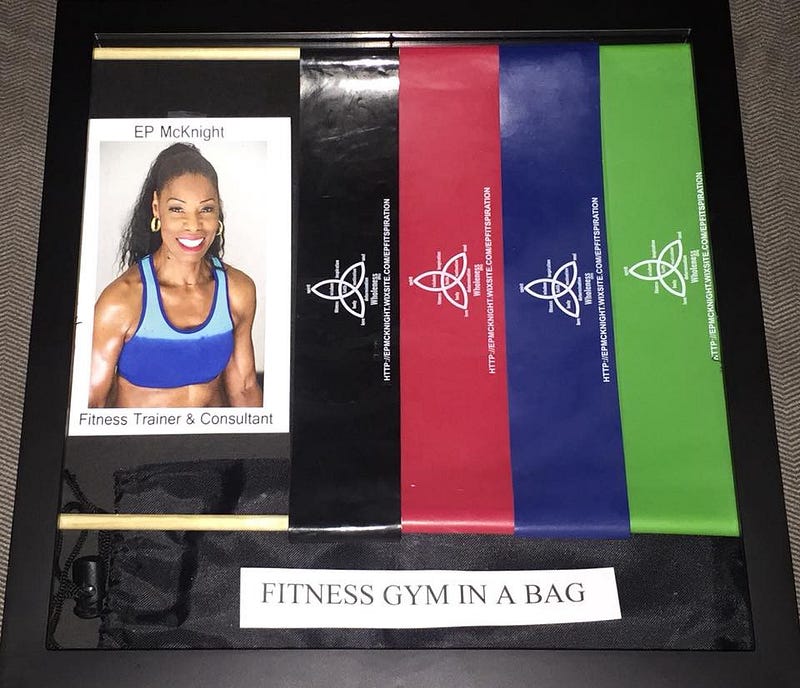
2. Pulling exercises, i.e. dead-lifts, rows and chin-ups/pull-ups
3. Farmer’s Walk
How to do Farmer’s Walk
a. Standard: Grab two heavy dumbbells, kettle-bells, or farmer’s bars and walk as far as you can.
b. Single: Grab one heavy implement and walk as far as you can.
c. Barbell: Dead-lift a loaded bar and walk.
d. Overhead Dumbbell: Grab two dumbbells, press them overhead to lockout, and walk with them overhead.
4. Dead Hangs from a pull-up bar (focus on good shoulder retraction, posture and breathing.) Modify for your body type.
These exercises are crucial in maintaining a tall, strong posture with a neutral spine and tighter core. When walking or standing or sitting, keeping the shoulders down and back is crucial to the alignment of the body.
When walking make smaller steps and walk longer distances/or heavier weights will have a direct benefit in challenging and increasing your grip strength. Begin with lighter weights and/or dumbbells and increase when comfortable to do so.
In conclusion, if unsure what to do and how to use equipment, young and elderly, seek a trainer and especially elderly seek doctor’s advise before engaging in any workout routine, especially if haven’t done so in the recent past to avoid injury. Make a strong firm hand grip your body’s truth of longevity.
Additional reads:


