
Five Ways the Kitchen Helps Keep Students Organized
A look at five important kitchen organization hacks that help students stay organized in the classroom.

Keeping organized in the kitchen means everything is in its proper place, stored well, and labeled in such a way as to make it easier when you need to find it later.
When it comes to meal prep or cooking, we keep all ingredients ready by organizing and getting them ready before we cook.
We do this in order to make the outcome of what we are doing (i.e. what we want to eat or drink) the best it can be by ensuring things go efficiently and smoothly while we are in the kitchen.
Let’s apply this logic now to the classroom.
In school, therefore, teachers and students should keep their supplies, goals, and thoughts organized in order to achieve similar desired outcomes — the efficient running of what needs to get done in the classroom.
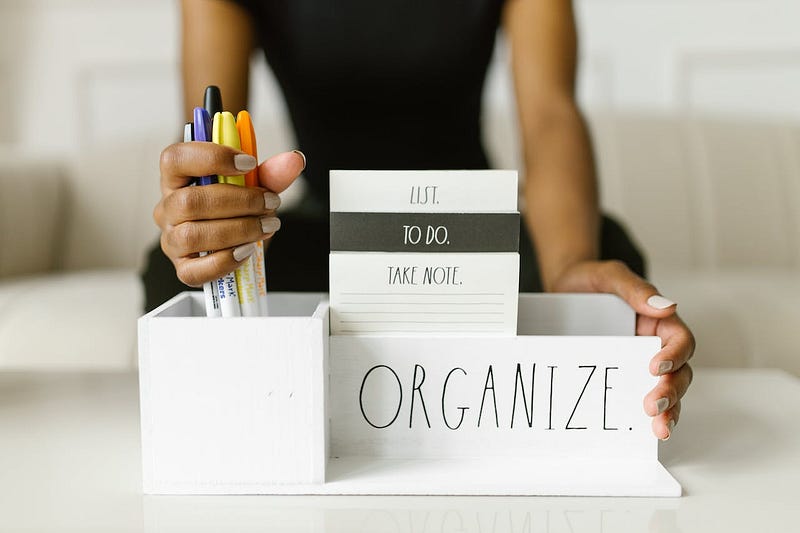
So I would like you to keep this goal in mind as we journey through the rest of this article.
Five Ways to Stay Organized in School
The five ways teachers and students can stay organized at any stage in school would be to;
- Write it down
- Label it
- Categorize it
- Schedule it
- Establish a Routine
So what is “it”?
Whatever you need to keep organized!
Write it down
One way to stay organized is to write down what needs to be organized!
Easy right?
When you write down what supplies you need, what thoughts need to be expressed, or what goals need to be met, then keeping organized will be easy!
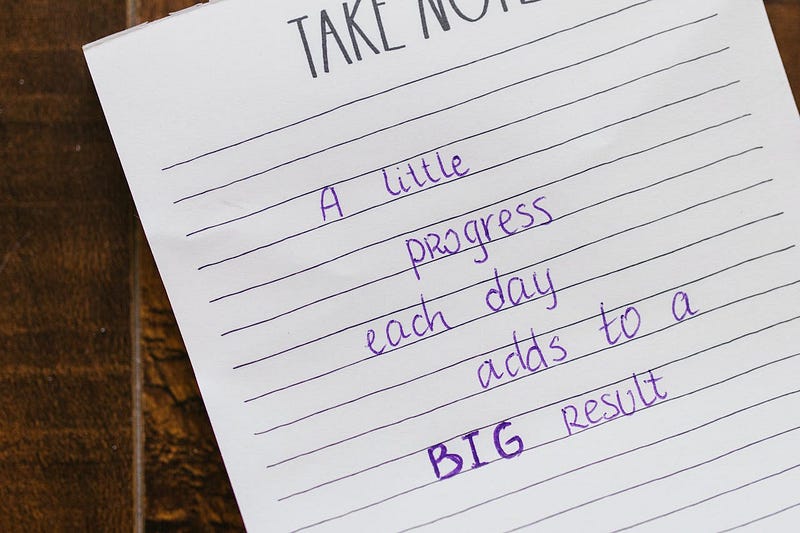
Seriously!
Label it
Keeping your supplies labeled makes it much easier to find, or to remember what its purpose is.
Labeling your thoughts helps to manage your emotions.
Huh?
How can we label our thoughts?
By deciding its function. It is to judge? to plan? to make someone laugh?
Labeling your goals makes it easier to see whether or not you can achieve it or not!
Categorize it
So what is the difference between labeling and categorizing things or ideas?
In labeling, we recognize its purpose or function.
In categorizing, we create groups we can label.
Categorizing just makes everything look nicer!
Don’t you agree?
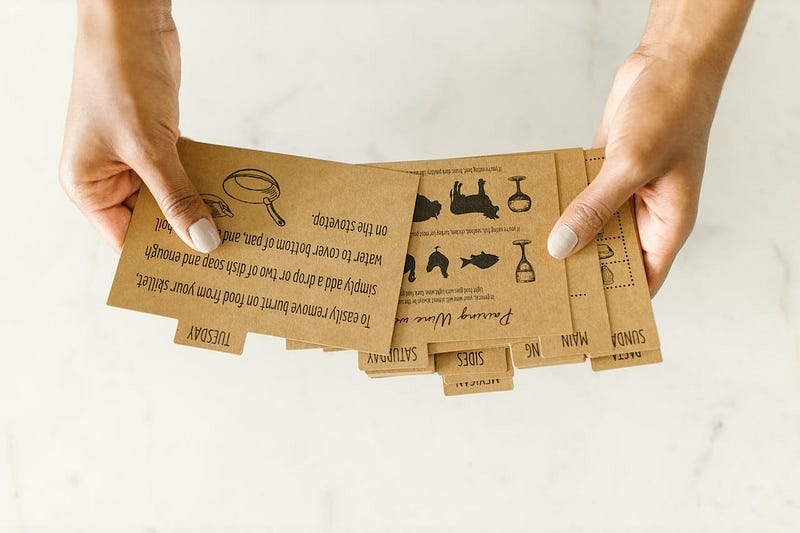
Your supplies such as pens, or papers, or color co-ordinated file folders will be easier to find!
Categorizing your thoughts as positive or negative will help you see how to get rid of the negative thoughts!
Categorizing your goals as now or later will help you see how easy it is to meet your goals!
Schedule it
After you categorize your work, thoughts, or goals to do, as now or later, you can make achieving your purpose and goals and not to mention communicating easier!
Schedule work or goals that can get done easier first, that way you build confidence in getting the harder work or goals done later.
Scheduling your thoughts is as simple as “think before you speak”!

Easier said than done, I know, but give it a chance!
Establish a Routine
In getting supplies you need for school, think about getting them ready at the same time every day.
For example, get your supplies ready the night before so that you don’t have to rush in the morning!
Routines are like habits when it comes to your thoughts.
Get into the habit of using kind words even if you don’t feel like it.
Setting goals doesn’t have to be something big.
A simple goal of brushing your teeth every morning and night is not too much to ask!
You can do it!
A Video Tutorial
If you would like to listen to how I explain the five ways to stay organized from kitchen to classroom, watch my video below, and let me know what you think!
If you enjoyed this video, please like it and consider subscribing to my channel — The ETI Academy channel — to hear my thoughts on more educational topics in K-12 education!
Final Thoughts…
I hope you enjoyed reading this article and found it useful for building good organizational skills that will help with your educational goals whether it be for teaching or learning or both!
For more benefits the organization brings to education, click to read more from our articles connecting the kitchen to the classroom.


