
Five Skills that Go from Kitchen to the Classroom
A look at five important life skills students can transfer from the kitchen to the classroom.
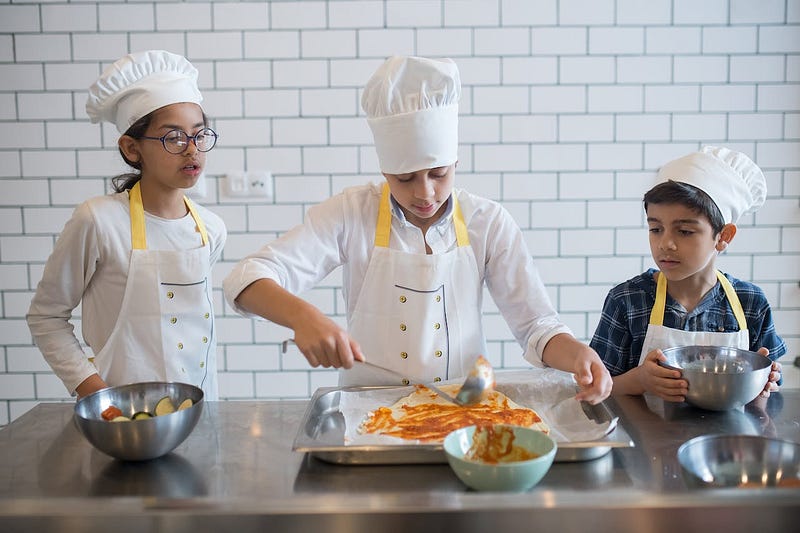
What’s Cooking in the Kitchen?
We can gain transferable skills from kitchen to classroom that can help us throughout our lives!
Keep reading as I show you how important life skills such as; organization, time management, critical thinking, problem solving, and communication can transfer themselves from kitchen to classroom.
I. Building Organizational Skills
From kitchen to classroom, the kitchen inspires education through building our organizational skills.
Organization in the kitchen means having all the ingredients planned, prepared, and ready to be assembled!
Being organized makes mealtime preparations easier to follow and understand when you have all the ingredients ready as you follow the steps to putting them altogether.
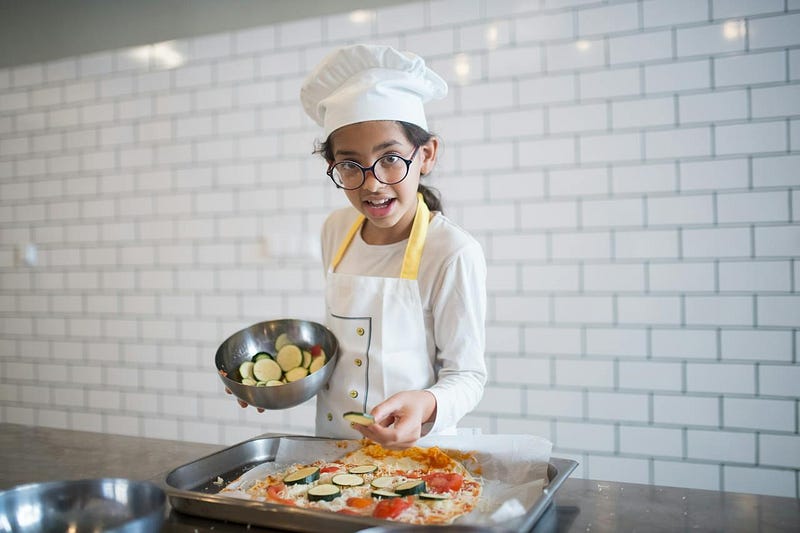
In the classroom, this means having all materials necessary for the lesson planned, prepared, and ready to be used.
In school, teachers and students need to keep their supplies, goals, and thoughts organized.
This helps set the stage for important educational strategies to used by both teachers and students in order for both to get the most of out the lesson when it comes to teaching and learning.
Click here to learn more about how to stay organized in school.
II. Establishing Time Management Skills
From kitchen to classroom, time management, as any great cook will tell you, is vastly important in the kitchen!
We all know the importance of time management in following directions to a recipe, and the results that can happen when we don’t pay attention to time.
We could undercook, or overcook the meal, as bad consequences.
When we do pay attention to time, we end with amazing results (the meal), and a recipe we can cherish for years to come.
A simple example would be boiling an egg. You may not get it right the first time, but once you pay attention to the timing it takes to boil eggs, you’ll get it right every time!
Similarly when we learn the value of time management in the classroom, much more can be done by both teachers and students.
This doesn’t necessarily mean getting more paperwork done, but instead more time to discuss the lesson, review the lesson, and present other creative means to enjoy the lesson.
We can turn boiling an egg into many fun and exciting science, math, and language activities.
How do you find boiling an egg as it relates to science, math, and language?
Math; it relates to numbers, both for the clock timing, and temperature, as well as measuring how much water is actually needed.
Science; it relates to how heat and temperature work.
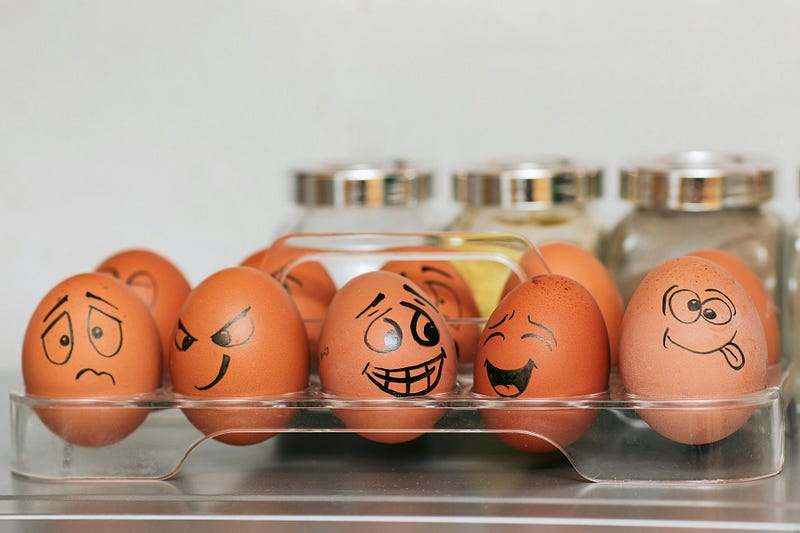
Language; communicating how to properly boil the egg, which can bring about so many different emotions!
Students can click here to learn more about how to better manage their time in school.
Teachers can click here to learn more about how to better manage their time in school.
III. Building Critical Thinking Skills
From kitchen to classroom, when we become more independent, we learn to depend on our own without assistance from others, i.e., building our critical thinking skills.
How does one get there?
By simply following the necessary steps or directions to get to where they need to be.
In the kitchen, this relates to understanding how one cooks or bakes!
Being able to skillfully understand how to put together a food recipe so that everything comes together peacefully and smoothly, allows others to learn and follow along.
When we follow tried and tested recipes, we become more independent in creating and exploring different ways to create our own tasty dishes each and every time!
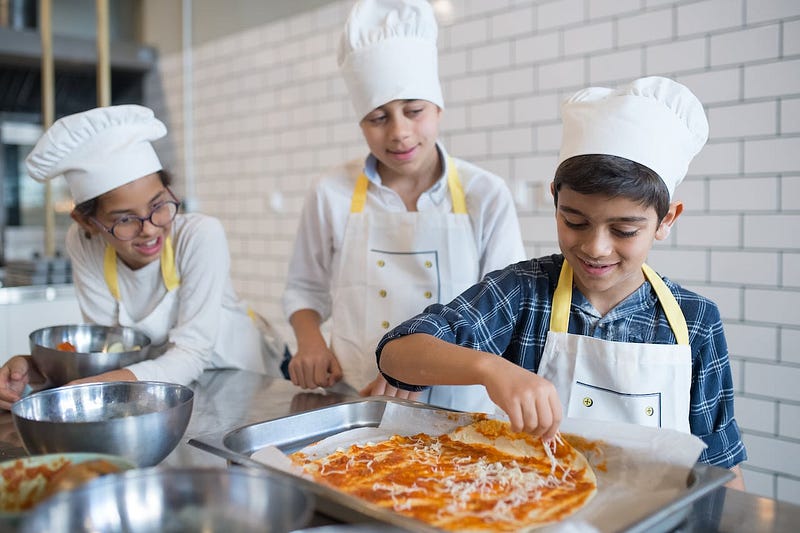
In the classroom, this relates to building critical thinking skills.
Students can learn to become more self-reliant when they are afforded the opportunity to explore, ask, and present new ways of thinking on different educational topics.
When the class runs as it should, students can benefit from the time given to teaching and learning the lesson for the day.
When the class runs as it should, students can benefit from the time given to teaching and learning the lesson for the day.
By including students they value the rewards and consequences even more, and so everyone in the class benefits.
IV. Improving Our Problem-Solving Skills
Problem-solving in the kitchen can result in some pretty amazing dishes!
From having to come up with ingredients to replace initial ingredients we don’t have, or to changing the recipe to meet dietary restrictions, if done properly, problem-solving in the kitchen is one amazing skill!
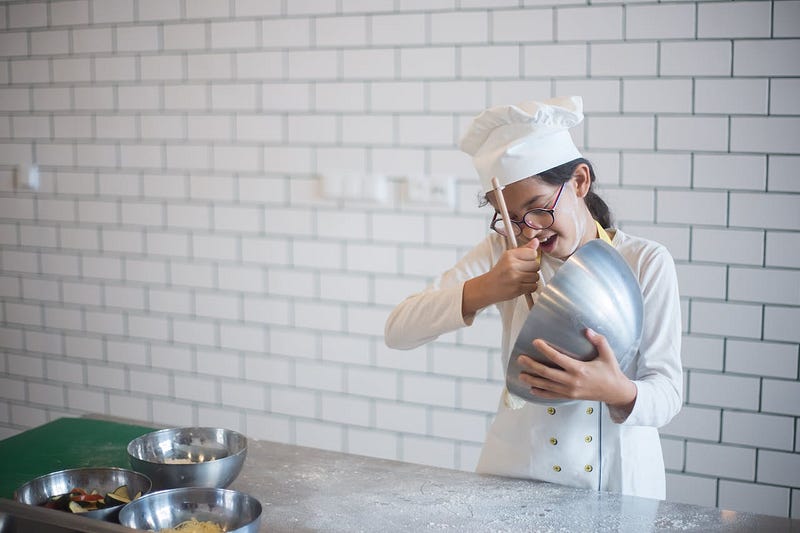
In the classroom teachers and students may come across a whole host of problems. For example, materials may not be ready and available to use, or there could be problems with technology (no internet = no online classes).
If problems in the classroom are not quickly resolved, there may be greater issues with classroom management.
Classroom management may not be effective, and students may have a hard time connecting to teachers as they try to explain and understand the lesson.
The best approach to problem-solving starts with a positive mindset, followed by a three-step process. First, recognize details about the problem. Second, understand what you are looking for. Finally, use the best approach to the solution.
V. Enhancing Our Communication Skills
Communication in the kitchen can be seen as reading the recipe guide, communicating verbally how to follow the directions, or completing the recipe.
Explaining while you cook may look like an easy task, but as anyone who has tried and succeeded will tell you, it’s a lot harder than it looks!
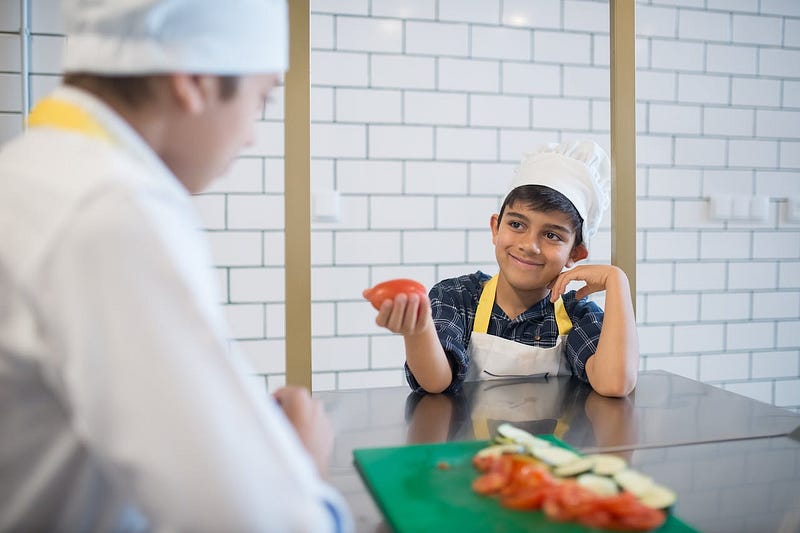
In the classroom, improving language skills through the four means of communication is one of the most important goals for both teachers and students. With the right choice of words, communication in any form will always be at its best.
How can we improve our communication skills in the classroom?
- Don’t be afraid to ask questions
- Learn to listen to what others are saying
- Consider your words when you are explaining your thoughts to others.
Kitchen to Classroom Video
Watch how I get creative in explaining these five skills in my video below.
If you enjoyed this video, please like it, and subscribe to The ETI Academy YouTube channel!
Final Thoughts…
One important thing to remember when you find yourself either in kitchen or classroom is to work smarter, not harder.
What does ‘work smarter, not harder’ mean when we know hard work helps determination?
It means that we focus our energy on using the proper skills (like organization, problem-solving, communication, and following directions) so that saves us time and energy.
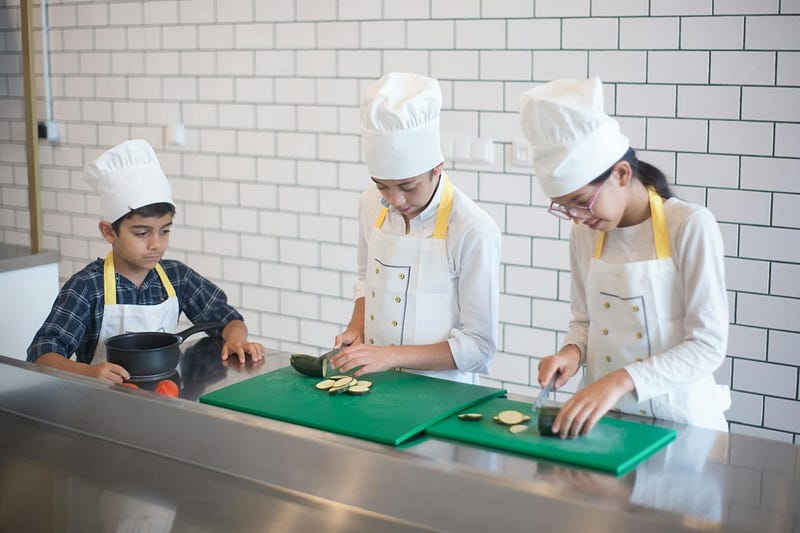
When we save energy we build our confidence and enthusiasm for the time we spend in the kitchen or the classroom!
These are just some of the important ways to see how the kitchen inspires education.
Kitchen to Classroom Video Series
I have an entire video series playlist covering each of these five valuable skills we can connect from the kitchen to the classroom.
If you enjoyed this article, please read my other articles connecting the kitchen to the classroom when it comes to building skills for learning.


