Fwatch%3Fv%3D1ioz1XDDMCE&image=https%3A%2F%2Fi.ytimg.com%2Fvi%2F1ioz1XDDMCE%2Fhqdefault.jpg&key=a19fcc184b9711e1b4764040d3dc5c07&type=text%2Fhtml&schema=youtube" allowfullscreen="" frameborder="0" height="480" width="854">
</div>
</div>
</figure></iframe></div></div></figure><p id="5f35"><b>Who volunteers at the Human Library and why?
</b>The human books, aka volunteers, carry titles representing their experiences such as ‘Brain Damaged’, ‘Molested’, ‘Homeless’ and ‘HIV+’.</p><p id="1e70">The volunteers come from a range of backgrounds and are happy to share their stories with strangers.</p><p id="025d">Bill Carney, a university instructor and a ‘book’ by the title of Black Activist, <a href="https://www.forbes.com/sites/kimelsesser/2020/07/13/the-human-library-is-tackling-diversity-and-inclusion-one-person-at-a-time/?sh=bf73cc34fd00">tells Forbes Magazine</a> why he takes part:</p><blockquote id="5dd8"><p>“It’s easy to hate a group of people, but it’s harder to hate an individual, particularly if that person is trying to be friendly and open and accommodating and totally non-threatening.”</p></blockquote><h2 id="9f7f">Corporate sessions</h2><p id="3940">The non-profit has branched out globally, educating Google’s workforce, and helping other big names. Think eBay, Eli Lily and, the IMF. The Human Library stands out in a climate of regular corporate inclusion courses because each organization can tailor the program to its needs.</p><p id="95d7">Did you know corporations spend roughly <a href="https://www.mckinsey.com/featured-insights/gender-equality/focusing-on-what-works-for-workplace-diversity">$8 billion</a> yearly on inclusivity training?</p><p id="085e">Still, <a href="https://hbr.org/2016/07/why-diversity-programs-fail">research shows</a> standard programs don’t increase diversity. On the contrary, they often decrease it by attempting to police managers’ thoughts and actions. Unfortunately, <a href="https://hbr.org/2016/07/why-diversity-programs-fail">studies find</a> this kind of force-feeding tends to activate bias rather than stamp it out.</p><h2 id="e4e7">Interested? Here’s how you can participate</h2><p id="d45d">The Human Library operates on 6 continents and organizes events in 85 countries. Also, Covid has pushed events online, making it easier to join.</p><p id="31ec">Wherever you live, you can take part:</p><ul><li>Find out what’s involved in being a volunteer and read the human book <a href="https://humanlibrary.org/book-of-the-month-nichola-swallow/">Nichola’s story</a>.</li><li>Do you defy a stereotype? Sign <a href="https://humanlibrary.org/meet-our-human-books/">up</a> if you want to share your story.</li><li>Interested in setting up an event? Read <a href="https://humanlibrary.org/human-l
Options
ibrary-organizers/organizer/">more</a>.</li></ul><h2 id="3d58">Final words</h2><p id="cbaa">The Human Library lets people borrow a human book to learn from their life stories. Volunteers carry titles representing their experiences, and there is a wide range to choose from, from ‘Bipolar,’ to Alcoholic,’ ‘Refugee,’ and ‘Convert.’</p><p id="983b">The Danish non-profit has branched out globally and organizes events worldwide. I have outlined above how you can take part.</p><p id="f6dc">Considering human books are a remarkable vehicle for our national curiosity trait, I predict any events held in the Netherlands will be a roaring success.</p><p id="ade6">Here’s to tackling diversity one person at a time.</p><p id="595d"><b>Like what you read? </b>
Sample more stories by the same author:</p><div id="8577" class="link-block">
<a href="https://readmedium.com/its-2021-and-girls-still-do-most-of-the-washing-up-42d41ce4a5a2">
<div>
<div>
<h2>It’s 2021 And Girls Still Do Most Of The Washing Up</h2>
<div><h3>A parents' guide to ending the gender divide.</h3></div>
<div><p>medium.com</p></div>
</div>
<div>
<div style="background-image: url(https://miro.readmedium.com/v2/resize:fit:320/1*Ohbp5GzgPrwAHX6eFMgwWA.jpeg)"></div>
</div>
</div>
</a>
</div><div id="cb3e" class="link-block">
<a href="https://readmedium.com/i-cant-come-out-it-will-destroy-my-mum-fbcb921bcd15">
<div>
<div>
<h2>‘I Can’t Come Out. It Will Destroy My Mum’</h2>
<div><h3>‘I won’t tell her, ever. My sister ran off with a married man, and my brother dropped out of school. I’m the only one…</h3></div>
<div><p>medium.com</p></div>
</div>
<div>
<div style="background-image: url(https://miro.readmedium.com/v2/resize:fit:320/1*b8nlqlE92qLkkX5WUwkKMA.jpeg)"></div>
</div>
</div>
</a>
</div><div id="244e" class="link-block">
<a href="https://readmedium.com/make-up-sets-for-3-year-olds-how-toy-companies-keep-the-gender-divide-alive-ed355e8d2d5b">
<div>
<div>
<h2>Make-up Sets For 3-year-olds? How Toy Companies Keep The Gender Divide Alive</h2>
<div><h3>Let’s challenge stereotypes so kids can be kids.</h3></div>
<div><p>medium.com</p></div>
</div>
<div>
<div style="background-image: url(https://miro.readmedium.com/v2/resize:fit:320/1*p0DaycyZXzr9-GHJKU_tNg.jpeg)"></div>
</div>
</div>
</a>
</div></article></body>
How Human Books Make Us See We’re All the Same
Tackling diversity one person at a time.
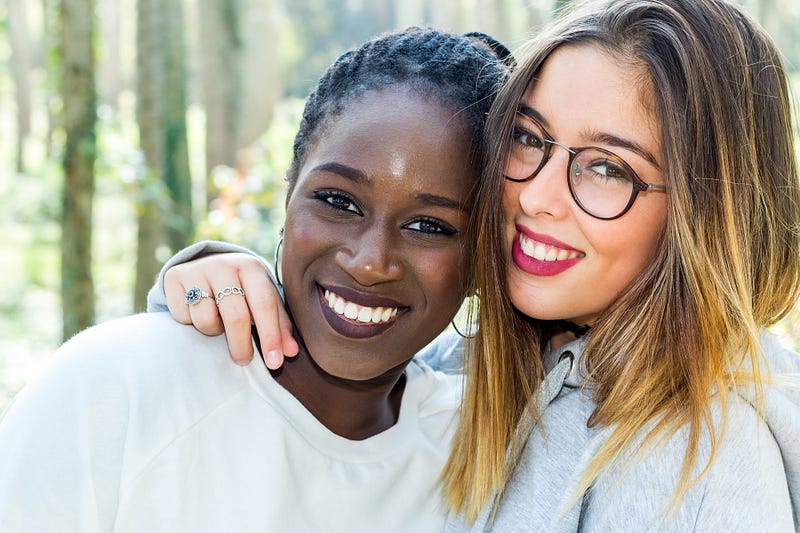
Image by Depositphotos.com
I won’t lie; I have a curious mind.
When I meet people, I want to know all about them; do they argue with their siblings? What about kids? Do they have a secret favorite? Hell, even their shoe size is interesting to me. I thought it was just a character trait. Until I read Maggie La Faye’s enlightening post on moving to Amsterdam, where she says:
‘I have found that part of the famous Dutch directness includes directly asking questions about many things that sometimes have shocked me.’
I understand newcomers view our curiosity as directness, but to me, it’s as natural as breathing. However, I repress it to spare my Irish kids’ blushes.
So that’s why, when I learned about the Human Library, I couldn’t wait to share this intriguing initiative.
“Every human book from our bookshelf, represent a group in our society that is often subjected to prejudice, stigmatisation or discrimination because of their lifestyle, diagnosis, belief, disability, social status, ethnic origin, etc,”
Like many good ideas, the initiative originated in Scandinavia. Danish brothers Ronni and Dany Abergel set up the Human Library organization and movement after launching the concept at Roskilde Festival in 2000.
Unjudging a book by its cover
Challenging stereotypes through dialogue, the library allows readers a 25-minute conversation with people whom they might never meet in everyday life.
Using their unique approach to tackle diversity, the founders hope readers can overcome biases by getting to know the human behind their stories. Ideally, they want readers to unjudge the person they borrowed.
Watch them explain their concept:
Who volunteers at the Human Library and why?
The human books, aka volunteers, carry titles representing their experiences such as ‘Brain Damaged’, ‘Molested’, ‘Homeless’ and ‘HIV+’.
The volunteers come from a range of backgrounds and are happy to share their stories with strangers.
Bill Carney, a university instructor and a ‘book’ by the title of Black Activist, tells Forbes Magazine why he takes part:
“It’s easy to hate a group of people, but it’s harder to hate an individual, particularly if that person is trying to be friendly and open and accommodating and totally non-threatening.”
Corporate sessions
The non-profit has branched out globally, educating Google’s workforce, and helping other big names. Think eBay, Eli Lily and, the IMF. The Human Library stands out in a climate of regular corporate inclusion courses because each organization can tailor the program to its needs.
Did you know corporations spend roughly $8 billion yearly on inclusivity training?
Still, research shows standard programs don’t increase diversity. On the contrary, they often decrease it by attempting to police managers’ thoughts and actions. Unfortunately, studies find this kind of force-feeding tends to activate bias rather than stamp it out.
Interested? Here’s how you can participate
The Human Library operates on 6 continents and organizes events in 85 countries. Also, Covid has pushed events online, making it easier to join.
Wherever you live, you can take part:
Find out what’s involved in being a volunteer and read the human book Nichola’s story.
Do you defy a stereotype? Sign up if you want to share your story.
The Human Library lets people borrow a human book to learn from their life stories. Volunteers carry titles representing their experiences, and there is a wide range to choose from, from ‘Bipolar,’ to Alcoholic,’ ‘Refugee,’ and ‘Convert.’
The Danish non-profit has branched out globally and organizes events worldwide. I have outlined above how you can take part.
Considering human books are a remarkable vehicle for our national curiosity trait, I predict any events held in the Netherlands will be a roaring success.
Here’s to tackling diversity one person at a time.
Like what you read?
Sample more stories by the same author: