
How Asia Churns Out “Perfect” Pop Stars — And Luxury Brand Ambassadors
Celebrities partnering with and promoting brands is nothing new; it’s a marketing strategy that’s been employed consistently by companies across all sorts of industries since the cult of celebrity became a thing.
In recent years, however, you may have noticed a rise particularly in young east Asian celebrities becoming the faces of more and more fashion brands. Specifically, here we will be discussing Korean pop idols: they’re usually teenagers or in their early twenties, talented, and fresh-faced, with the ability to appeal to both youthful audiences and to their parents.
What makes K-pop stars uniquely powerful as brand ambassadors, especially in the high-end fashion and beauty spaces, is the distinctive ways in which their fandoms are set up and the cultural environment in which they operate. Idol fan culture is an intentional design by the entertainment companies that manage K-pop groups, and has increased in prominence over the past decade, having flourished more than ever amidst the growing scrutiny of social media, parasocial relationships, and late-stage capitalism.
The intensity with which fans support their idols is a large part of what makes them so effective as brand ambassadors — but this stardom is a double-edged sword.
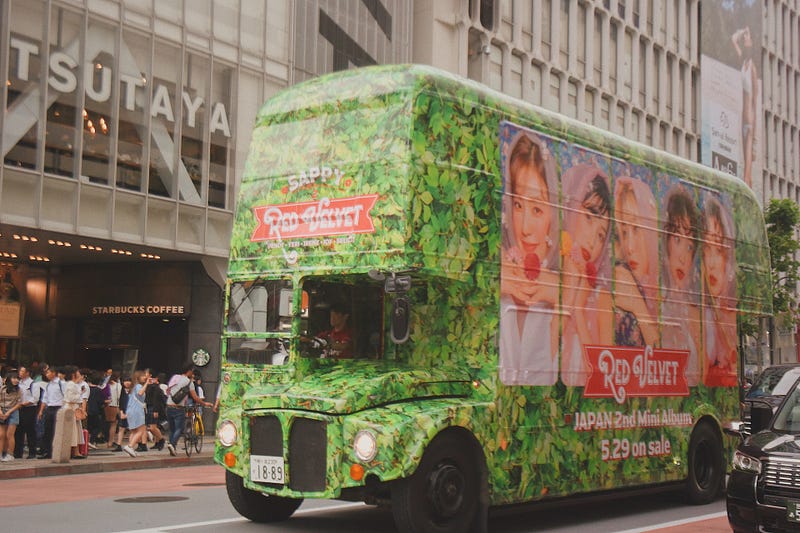
In recent years K-pop has gained prolific mainstream traction and attention internationally, paralleled by the growing numbers of partnerships the industry has made with luxury fashion labels. Some idols have done an excellent job of bringing allure and visibility to their respective brands. (Some others, on the other hand, have done the exact opposite.)
HOW A K-POP IDOL IS CREATED
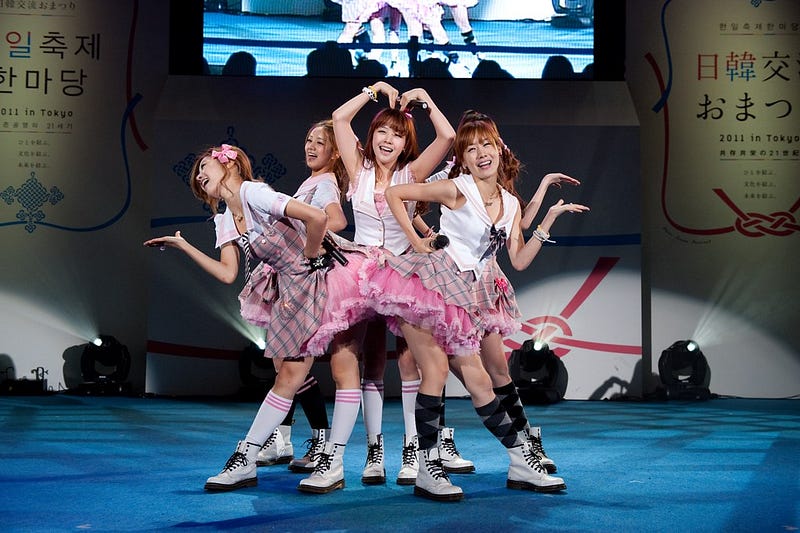
K-pop stars — who are usually Korean but often come from multi-national and other Asian backgrounds — are primed since inception to serve as perfect role models in the public eye. This is thanks to a rigid, well-established system that takes in trainees at a young age (early teenagers, preteens, and often even children) and hones their skills for years. Korean entertainment companies teach their recruits how to sing, dance, perform, be likable on national TV, and often speak another language to appeal to international fans.
When the company deems they’re finally ready, which usually takes 2–4 years but sometimes even up to 11, the trainees get to debut usually in groups as beautiful, polished, talented idols. A variety of tactics, from competitions to reality shows, are used to garner attention to newly debuted idols, although those that come from Korea’s most famous “big 3” entertainment companies tend to gain numerous fans even with limited promotion.
There are a number of historically problematic issues with the idol industrial complex, such as the tradition of starving trainees to lose weight or crazy work schedules that force idols to go days without sleep. There’s much to be said on this and the efforts to reform the industry, but this would be a topic for another article, another day.
What’s undeniable, however, is that the K-pop system has been very effective in producing excellent pop stars who acquire incredibly devoted fans. The strong idol-fan relationship is intentional, as idols are trained not only to sing and dance but also specifically to relate to their fans.
Part of an idol’s job involves participating in live broadcasts, reality TV shows, frequent social media uploads and more to provide continuous content for their followers to consume. Entertainment companies purposefully aim to establish what feels like an intensely personal connection between star and fandom, showing off idols’ personalities, likes and dislikes, and their relationships with their band members.
The Asian music industry is intentionally designed to make fans feel like they’re friends with their idols far more than the Western labels do. Parasocial relationships don’t develop by accident — they are, in fact, the goal.
HARDCORE FANS AND LUXURY BRANDS
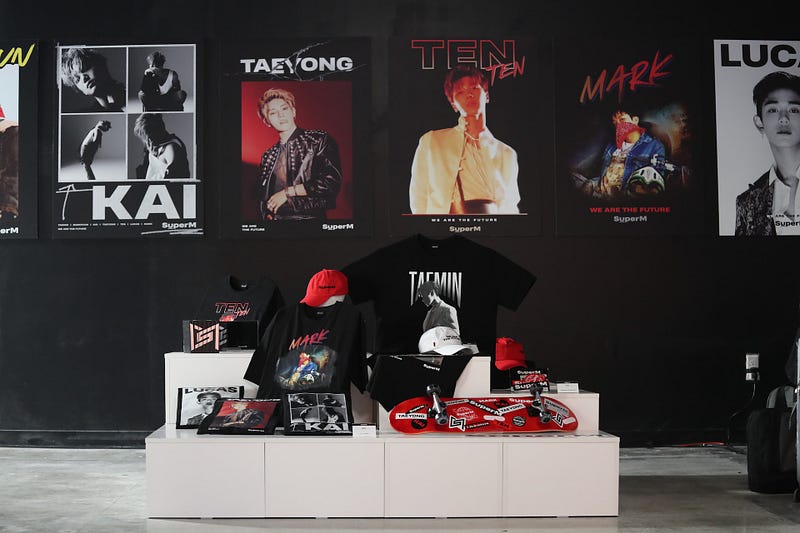
The enhanced relationship construction of idol culture creates extremely devoted fans. And extremely devoted fans — sometimes described as “stans,” an Internet term invented from an Eminem song, make up a large target market who want to support and show appreciation for their idols the best they can.
Naturally, faithful fanbases present a significant audience for companies who want to boost the success of their products and marketing campaigns. Brands have caught on to the value that these idols can bring in revenue and reputation — and this is especially for the luxury fashion industry, whose large margins and entire operating model are predicated upon perceived status.
Thus, it’s unsurprising that in the last 5 years nearly all the top designer houses have appointed Asian pop stars as brand ambassadors. The role and responsibilities of a brand ambassador may vary from company to company, but generally involve activities such as participating in advertising campaigns, promoting the brand on social media accounts, promoting the brand at in-person events, using social networks to generate brand awareness, and bringing attention to new product releases.
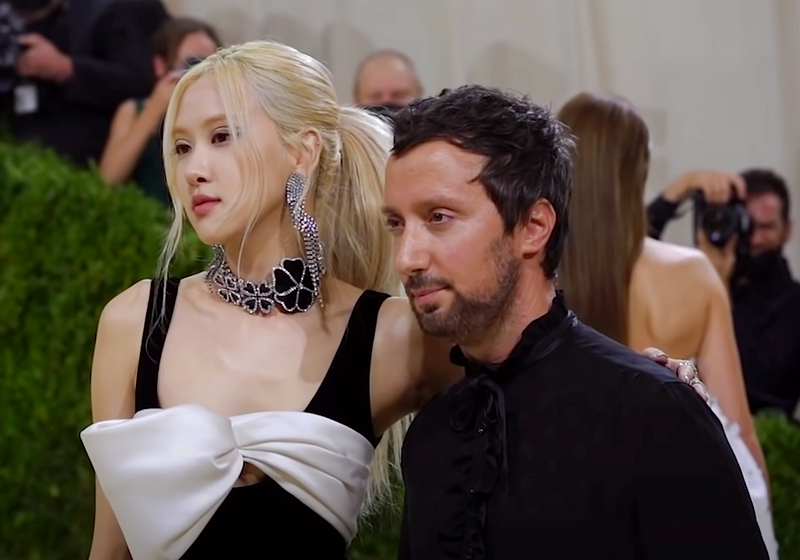
- For example, Givenchy selected all of SM Entertainment’s girl group Aespa as their brand representatives.
- Fendi appointed K-pop band member and solo artist Jackson Wang as their men’s collection spokesperson (appealing to both Korean and Chinese audiences).
- Louis Vuitton snagged all of BTS, arguably one of the hottest bands in the world right now, as their house ambassadors, featured in some of their shows over the last several years.
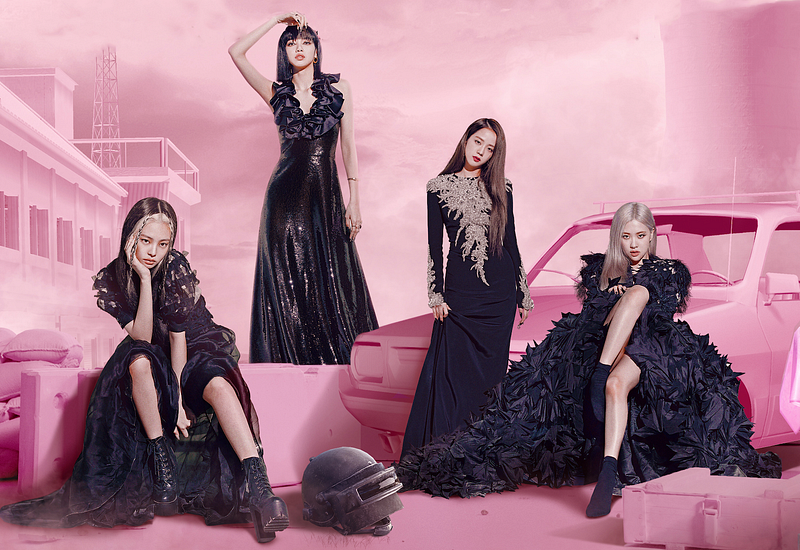
- And Bulgari, Celine, Chanel, Dior, Tiffany and Saint Laurent have all partnered with members of girl group Blackpink. The list goes on and on.
A colloquial Chinese term refers to celebrities like these idols or actors as “traffic stars”: who have massive fanbases that drive extraordinary traffic for anything they’re involved in or promote. In the earlier days of celebrity-brand partnerships, it was a risk for companies to collaborate with anyone other than an established A-lister. How could a fresh face or a rising star possibly bring in more sales than an industry veteran?
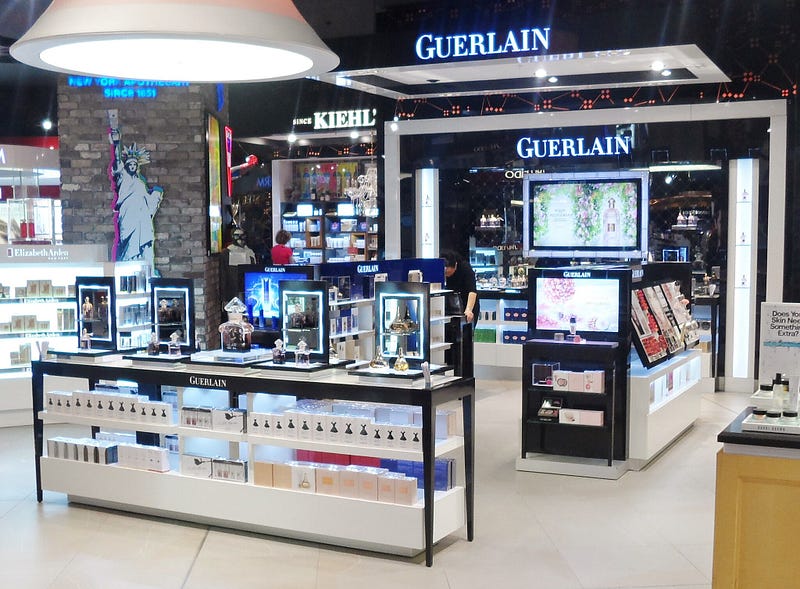
But it soon became clear that this kind of risk had a hefty payoff. In 2015, the Chinese drama The Lost Tomb was released, hurling its then-unknown lead actor Yang Yang into overnight fame. When beauty brand Guerlain chose him as a brand representative in 2016 and named a lipstick shade after him, it was seen as a bit of a gamble — his virality could have been simply a passing trend. But then the lipstick sold out in no time at all. Many of his fans were left scrambling to find other sites or secondhand sellers from which they could get their hands on it.
THE STARS WHO BRING IN THE BIG BUCKS
Snce then, fashion and beauty brands in particular have been snapping up idols and traffic stars as soon as they skyrocket into fame. Especially when it comes to luxury labels, which tend to have more significant social associations in East Asian countries, such brand partnerships can be extremely mutually beneficial interactions.
For many K-pop idols, getting picked up by a luxury brand can represent a marker or symbol of their success in the eyes of their fans. Their name becomes tied to one or more brands they become ambassadors for, which in turn elevates the star’s name in status, particularly to their local audiences. This trend in general also reinforces the connection between the elite connotations of high fashion luxury and idol celebrity stature. Nowadays, it’s becoming more and more common to see Asian pop idols populating the front seats of fashion shows during fashion weeks.
When one has an understanding of the way idol-fan culture functions in Asia, the eagerness of brands to partner with traffic stars like K-pop idols are really no surprise. Part of the uniquely extreme dedication and loyalty that fans harbor towards their idols is also an implicit feeling of responsibility for the idol’s success and reputation.
Fans contribute to their idol’s value, through monetary and social engagement strategies. Fans also want to engage with things that connect them to their idol and solidify their sense of personal relationship with them. Thus, products that very popular idols are chosen to promote often sell out extremely quickly. Fandoms want to show their support → brands using an idol to represent a product line or a marketing campaign give them an easy, straightforward way to do so.
Sometimes this can happen even unintentionally. In 2019, Jungkook, the youngest member of the internationally-popular K-pop boy group BTS, randomly mentioned a brand of fabric softener he used during a live broadcast with fans. The next day, a quantity of approximately two months’ worth of said fabric softener was sold out in South Korea. His fans had flocked to local stores in person and online and bought all of it up.
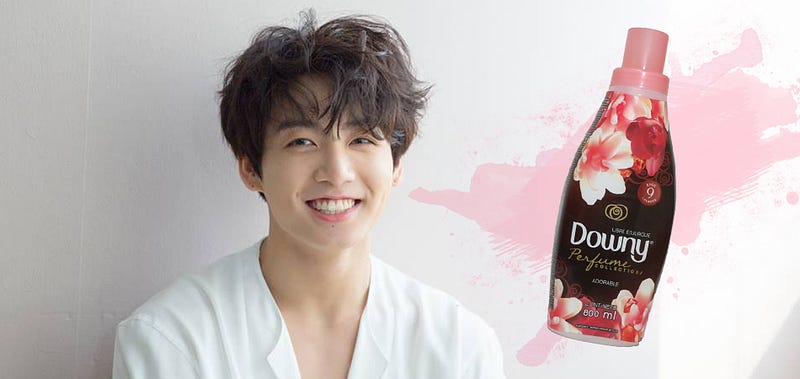
This is actually just one example of many instances where even Jungkook as an individual specifically sold out a bunch of things by simply wearing them or using them. The most popular idols are capable of selling out a product line simply because they’re an idol.
UPSIDES AND DOWNSIDES FOR LUXURY BRAND AMBASSADORS
In a sense, idol culture has subverted the ‘traditional’ (for lack of a better word) hierarchy of stardom when it comes to commercial value. We see this with the rise of niche influencer marketing and the growth of idol culture. The types of stars we might have usually considered as A-list celebrities are no longer always the go-to choice for brand representatives, particularly in the luxury fashion and beauty space. They don’t rope in sales the same way traffic stars like pop idols can, with crowds of adoring young fans (often mostly Gen-Z and millennials) who rally behind everything they promote.
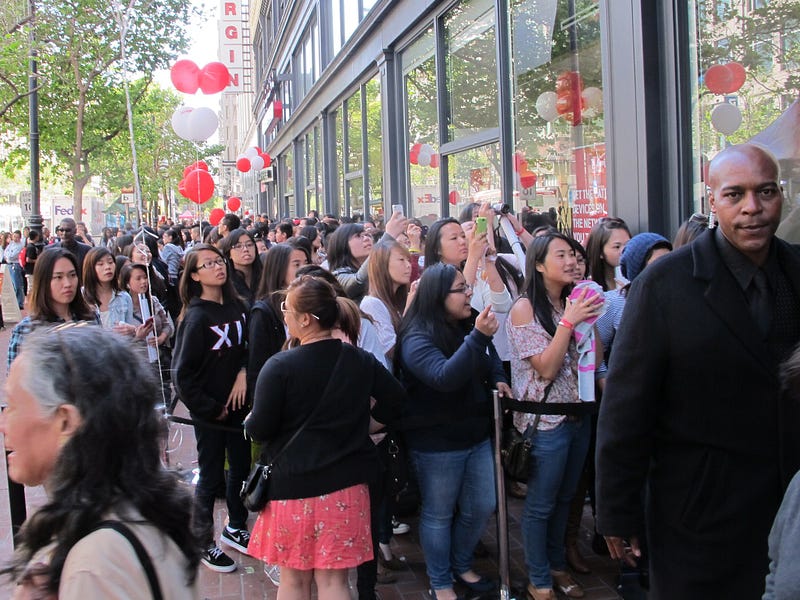
When strategically tapped into, the right star (and their fandom) as a brand ambassador can make products go viral, sell out entire lines of collections, and generate millions of online impressions, to the point that the campaigns essentially market themselves.
It may seem like the dream goal to land the perfect idol-label partnership. What company doesn’t want to sell out an item overnight? What could go wrong with seeking out fans who show up in droves to buy things associated with their favorite artist?
As it turns out, quite a bit. Even with all the extraordinary potential benefits idol ambassadors can bring, in the era of cancel culture and social media rumors, they bring with them a definitive risk.
From being publicly dragged on social media to publicly censured by the government, pop idols face much higher-stakes consequences when something goes wrong. This can be attributed to multiple factors, including East Asian cultural norms and the intensity of parasocial relationships. Maybe a celebrity committed a wrongdoing and broke the law; maybe they were associated with someone who broke the law; maybe their actions were misperceived on camera; maybe fans of another idol simply decided to start some beef. The outcome means backlash not only for the individual — but for the companies they represent.
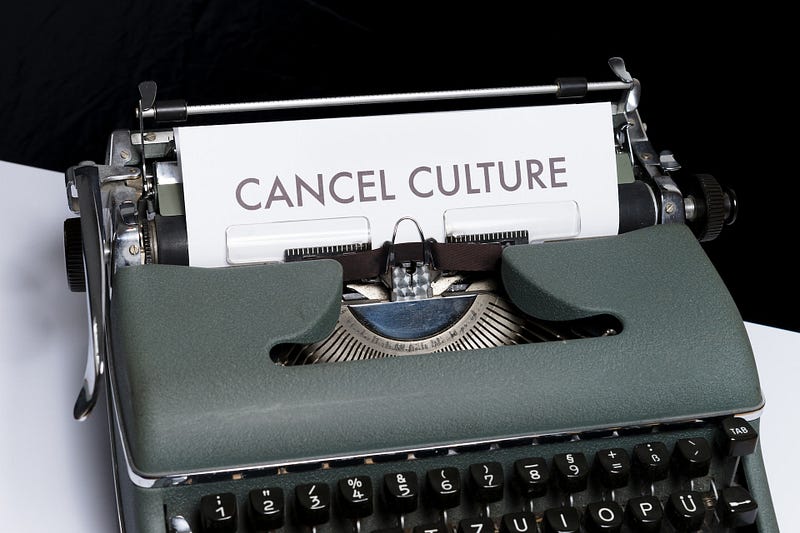
Brand ambassadorship is thus a double-edged sword. Especially when entering the highly-sought-after Asian markets, which many luxury houses currently target, there’s a lot to learn and be aware of. Brands that forget to do their due diligence to understand a new cultural audience will find it much harder to avoid scandal and controversy — which are both, in today’s day and age, often inevitable.
Stay tuned next week for Part 2, in which we will explore the downfall of certain idols in the public eye — and the implications for the luxury brands they were associated with.


