avatarAngela G.W

Free AI web copilot to create summaries, insights and extended knowledge, download it at here

4112

Abstract

ietal emphasis on collectivism</a>: having strong social networks, paying attention or at least awareness to social norms, and using social status symbols. Embedded into the foundation of Chinese relationships is the concept of 面子 (mianzi), 脸 (lian), or face, which is essentially one’s personal reputation, honor, and social standing amongst peers. It is upheld in business transactions, in everyday life, in the way you treat other people, and the way you represent yourself.</p><figure id="52e8"><img src="https://cdn-images-1.readmedium.com/v2/resize:fit:800/1*o9eQ8XDmukNO3sHi8JqNOA.jpeg"><figcaption>Chinese people tend to be very community-oriented. (Photo by PVT Pauline via <a href="https://creativecommons.org/licenses/by-sa/3.0/deed.en">CC BY-SA 3.0</a>)</figcaption></figure><p id="1c58">Wearing a Tiffany’s necklace or carrying a Birkin bag or driving a Rolls-Royce is not <i>just</i> showing off that one has the wealth and means to purchase these luxuries. It’s also showing off the cultural connotations associated with these items, an indication to others that one has achieved a certain <i>level</i> of success, affluence, prestige and appreciation for the finer things in life. This applies to not only owning these items for yourself but also gifting them to friends or family or business colleagues, as a sign of the respect and consideration one has for that relationship.</p><p id="862d">(There are, of course, frequent social conversations about whether recognizable luxury logos are <i>actually</i> considered “classy” or indicative of wealth, but that is not the conversation here. Historical “logo-mania,” which comes and goes in popularity, is still frequently desired in order to emphasize the value of a designer purchase.)</p><p id="2935">At the same time, however, it’s important to recognize generational shifts in consumption values and habits. Younger generations — the demographic that will be making up the majority of fashion purchases in the years to come — don’t place quite the same emphasis on the aforementioned factors when it comes to brand choices.</p><figure id="ed42"><img src="https://cdn-images-1.readmedium.com/v2/resize:fit:800/1*I2JcNPM_Vg8EwC6dLcS0KA.jpeg"><figcaption>Members of China’s Gen Z care about different values compared to previous generations. (Photo by Blue Jean Images via stock.adobe.com)</figcaption></figure><p id="f080">For designer brands hoping to make headway in the Chinese market, all eyes are on millennials, zillennials, and Gen Z’ers. As the <a href="https://jingdaily.com/new-codes-luxury-western-luxury-china-gen-z/">first generation</a> to grow up in Chinese society with mass-scale digital access, during the most stunningly rapid period of economic growth in the country, members of the youngest generations are self-aware of being bombarded with more ideas online than ever before. They’re more internet-savvy than ever before, they have more access to luxury than ever before. They are more likely to care about expressing their individual personalities and buying from brands that speak to their personal values, which include things like sustainability, uniqueness, engagement, and self-expression.</p><h2 id="0ed8">THE CHINESE GOVERNMENT AND THE LUXURY MARKET</h2><p id="bbe9">But luxury businesses cannot cater only to their buyers — their most important client will always be the Chinese Communist Party, which has the power to determine their success or failure like a light switch.</p><p id="055d">Especially throughout the last 10 years, China’s government policy has become inextricable from any consideration of China’s society and economy, due to its regular intervention in the market. The top designer fashion companies are forced to pay particularly close attention to the whims of political movements as a result. For example:</p><ul><li>The rising national narrative of promoting “common prosperity” pushes Chinese citizens to reject materialism and crack down on ostentatious wealth. Domestic demand for head-to-toe designer logos has subsequently tempered itself.</li><li>China’s large-scale pandemic-relate

Options

d restrictions from 2021 to the end of 2022, in accordance with the government’s zero-tolerance Covid policy, dealt severe damage to the economy and to consumer spending. Naturally, banning people from leaving their homes presented a challenge to shopping malls trying to make money. Many foreign luxury companies withdrew plans to expand brick-and-mortar retail in China as a result.</li></ul><figure id="a526"><img src="https://cdn-images-1.readmedium.com/v2/resize:fit:800/1*LhSv3A3UHnmDWVftCTbEWA.jpeg"><figcaption>President Xi Jinping’s COVID-19 era policies dealt severe damage to the Chinese economy. (Photo by <a href="http://www.kremlin.ru"><i>www.kremlin.ru</i></a><i> via <a href="https://creativecommons.org/licenses/by/4.0/">CC by 4.0</a>)</i></figcaption></figure><p id="57de">Months later, China’s economy is still reeling from the aftereffects of extended shutdown during the pandemic. Although Chinese tourism is back on the uptake, much of it <a href="https://www.fdiintelligence.com/content/news/chinese-tourists-are-back-but-for-now-they-stay-local-82977">remains domestic</a>, which isn’t quite what Western luxury houses are hoping for. And as political tensions within China’s international relations have the potential to escalate within the next several years, fashion companies have much to watch out for on both the supply and demand side.</p><h2 id="6d4c">FROM HERE ON OUT: LUXURY TRENDS IN 2023 AND BEYOND</h2><p id="e74b">Despite these interventions, which of course warrant brands paying attention to, there’s still a large appetite for fashion, beauty, luxury goods, especially among the younger generation. The demand still exists for designer fashion, but preferences and qualities have shifted, and brands — particularly foreign ones — must pay attention to several key changes in the landscape.</p><p id="7855">The first is the rise of domestic Chinese luxury brands and domestic tourism, which poses ever-increasing competition to overseas companies. While travel outside the country was severely restricted, creativity and consumption within China’s borders flourished. This ties into the general trend of nationalism that is on the uptake and actively encouraged by the government. Particularly within younger demographics, we may see more people experimenting with and opting for homegrown Chinese designers.</p><p id="db18">The second issue is the current downward spiral of the Chinese economy. Only the ultra-wealthy, the top 0.1%, are not actively scaling back their luxury spending habits as China’s GDP growth slows. As the economic repercussions of “zero-tolerance” COVID-19 continue to unfold, the housing market crashes, and the inflation rate rises, saving has become much more popular than spending, especially on expensive goods.</p><figure id="9e48"><img src="https://cdn-images-1.readmedium.com/v2/resize:fit:800/1*XRBE_CsUgTDWYadiOPdkgw.jpeg"><figcaption>Demand for luxury products throughout the next few years will be unpredictable. (Photo by <a href="https://unsplash.com/@_thedl?utm_content=creditCopyText&amp;utm_medium=referral&amp;utm_source=unsplash">David Lezcano</a> on <a href="https://unsplash.com/photos/pair-of-brown-leather-dress-shoes-with-box-NfZiOJzZgcg?utm_content=creditCopyText&amp;utm_medium=referral&amp;utm_source=unsplash">Unsplash</a>)</figcaption></figure><p id="1d2b">Social media has also managed to popularize thriftiness, meaning there is a thriving culture in Gen Z and millennials that encourages saving over the traditional flaunting of one’s luxuries. <a href="https://fortune.com/2022/10/01/china-millennials-gen-z-anti-consumerism-frugal-living-movement-retail-real-estate/">Consumerism is out. Conscious spending is in.</a></p><p id="da51">With retail sales generally trending downward, brands must find new ways to keep people buying. Only time will tell how consumer behavior continues to unfold in China and internationally as both political and economic conditions wobble about in the upcoming year. The only certainty is that nothing is guaranteed for fashion and business, luxury or otherwise.</p></article></body>

Why the Luxury Industry Caters to China Before Anyone Else
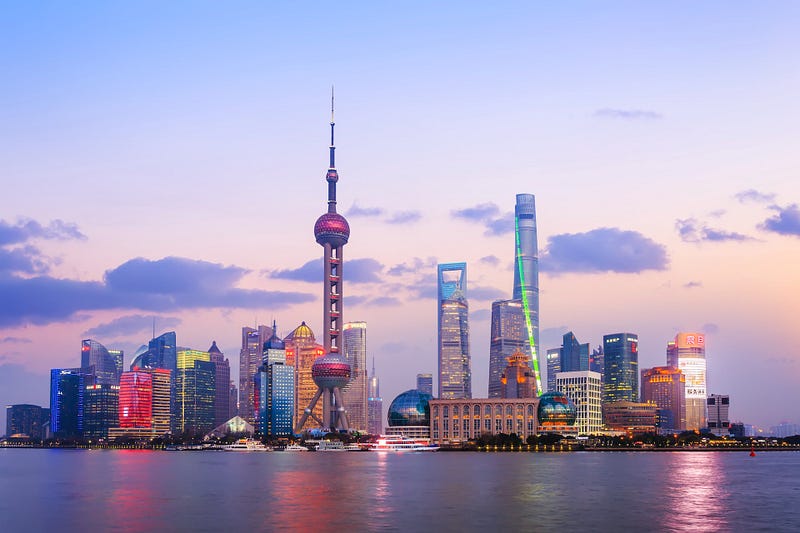
China is becoming a hub of modernity and fashion, with one of the biggest luxury audiences in the world. (Photo by Edward He on Unsplash)

The biggest name brands in fashion and beauty care about China because, to put it simply, it’s so lucrative.

This is obviously a large-scale overgeneralization, but a lot of Chinese people love shopping. They love expensive shopping. They love buying and wearing and gifting big-name brands. According to the consulting firm Bain, China is expected to become the biggest luxury market in the world by 2025.

Why is China such a uniquely, overwhelmingly powerful market? For the most part, it comes down to 2 main categories of contributing factors that distinguish China’s luxury market patterns: its demographic growth and its cultural values that shape consumption habits.

AN EXTREMELY BRIEF OVERVIEW OF CHINA’S CONSUMER DEMOGRAPHICS

China has a population of 1.4 billion people and one of the fastest-growing middle class populations in the world. According to the Pew Research Center, this middle class income band grew from approximately 39 million in the year 2000 to 707 million people in 2018, multiplied by 18. Naturally, in that time many of their spending habits have also increased accordingly.
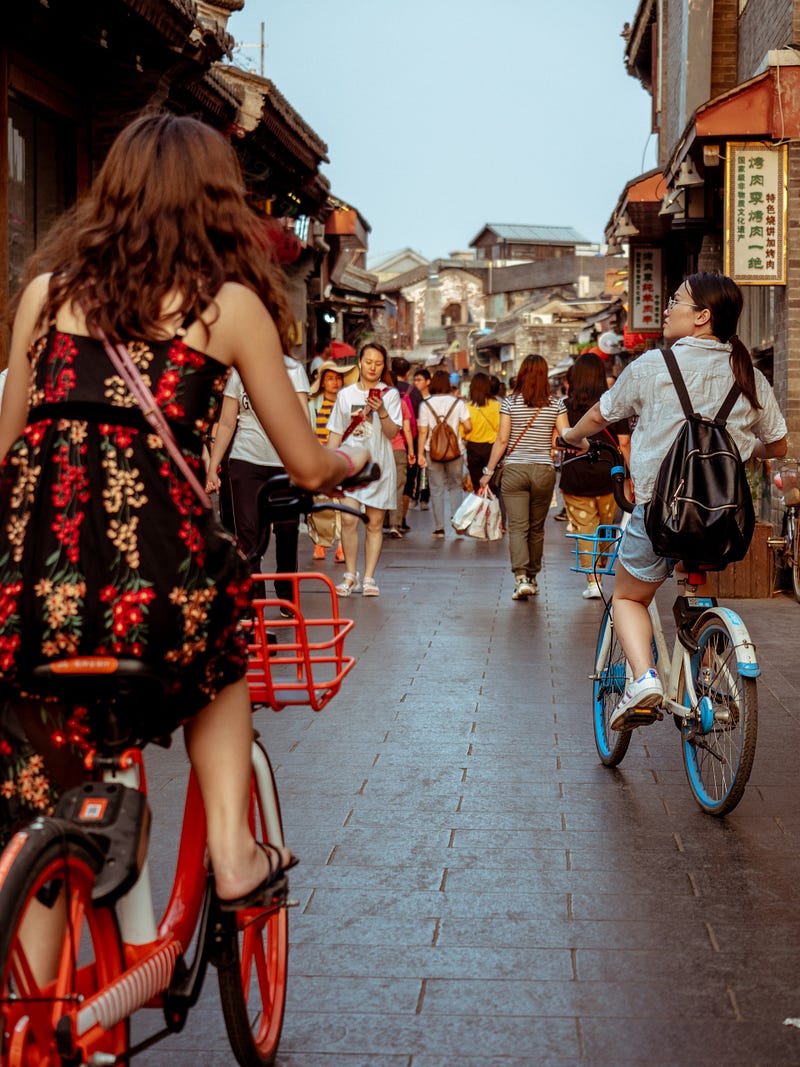
Until recently, China had the world’s largest population. (Photo by Jamie Street on Unsplash)

There has also been the growth of a generation of “new money” in China. Some people started out middle class perhaps or maybe with not a lot of money, but, at some point in the last twenty years (prior to the COVID-19 era) during China’s economic boom, a number of them were able to grow their wealth to a spectacular degree and even become high-net worth individuals or HNWIs.

As the economy has burgeoned, incomes have risen and lifestyles have expanded. Consumers have more money they are ready to use and especially in the digital age, there are more influences that surround them with messages of things to buy. This is partly due to China’s massive internet penetration rate, which has led to a proliferating e-commerce market that now dominates the Chinese buying economy: 95% of all purchase decisions start out online.

HOW CULTURAL COLLECTIVISM HIGHLIGHTS THE DEMAND FOR LUXURY

Then there is the cultural aspect. China is a very large, heterogeneous country (any business looking to make money there thus requires a good knowledge of audience segmentation) but on the whole, there are sets of traditional and social values that permeate most of the population.

Something that sets apart East Asia from the West is a societal emphasis on collectivism: having strong social networks, paying attention or at least awareness to social norms, and using social status symbols. Embedded into the foundation of Chinese relationships is the concept of 面子 (mianzi), 脸 (lian), or face, which is essentially one’s personal reputation, honor, and social standing amongst peers. It is upheld in business transactions, in everyday life, in the way you treat other people, and the way you represent yourself.
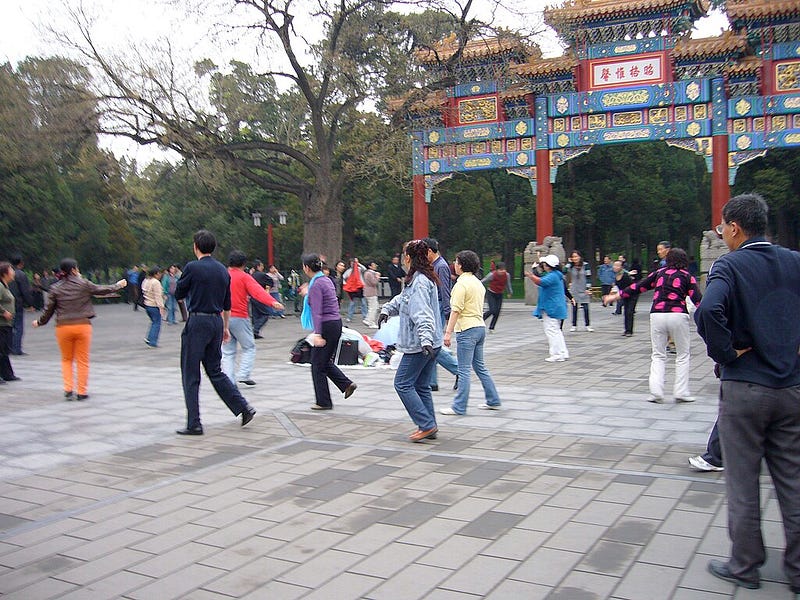
Chinese people tend to be very community-oriented. (Photo by PVT Pauline via CC BY-SA 3.0)

Wearing a Tiffany’s necklace or carrying a Birkin bag or driving a Rolls-Royce is not just showing off that one has the wealth and means to purchase these luxuries. It’s also showing off the cultural connotations associated with these items, an indication to others that one has achieved a certain level of success, affluence, prestige and appreciation for the finer things in life. This applies to not only owning these items for yourself but also gifting them to friends or family or business colleagues, as a sign of the respect and consideration one has for that relationship.

(There are, of course, frequent social conversations about whether recognizable luxury logos are actually considered “classy” or indicative of wealth, but that is not the conversation here. Historical “logo-mania,” which comes and goes in popularity, is still frequently desired in order to emphasize the value of a designer purchase.)

At the same time, however, it’s important to recognize generational shifts in consumption values and habits. Younger generations — the demographic that will be making up the majority of fashion purchases in the years to come — don’t place quite the same emphasis on the aforementioned factors when it comes to brand choices.

Members of China’s Gen Z care about different values compared to previous generations. (Photo by Blue Jean Images via stock.adobe.com)

For designer brands hoping to make headway in the Chinese market, all eyes are on millennials, zillennials, and Gen Z’ers. As the first generation to grow up in Chinese society with mass-scale digital access, during the most stunningly rapid period of economic growth in the country, members of the youngest generations are self-aware of being bombarded with more ideas online than ever before. They’re more internet-savvy than ever before, they have more access to luxury than ever before. They are more likely to care about expressing their individual personalities and buying from brands that speak to their personal values, which include things like sustainability, uniqueness, engagement, and self-expression.

THE CHINESE GOVERNMENT AND THE LUXURY MARKET

But luxury businesses cannot cater only to their buyers — their most important client will always be the Chinese Communist Party, which has the power to determine their success or failure like a light switch.

Especially throughout the last 10 years, China’s government policy has become inextricable from any consideration of China’s society and economy, due to its regular intervention in the market. The top designer fashion companies are forced to pay particularly close attention to the whims of political movements as a result. For example:

  • The rising national narrative of promoting “common prosperity” pushes Chinese citizens to reject materialism and crack down on ostentatious wealth. Domestic demand for head-to-toe designer logos has subsequently tempered itself.
  • China’s large-scale pandemic-related restrictions from 2021 to the end of 2022, in accordance with the government’s zero-tolerance Covid policy, dealt severe damage to the economy and to consumer spending. Naturally, banning people from leaving their homes presented a challenge to shopping malls trying to make money. Many foreign luxury companies withdrew plans to expand brick-and-mortar retail in China as a result.
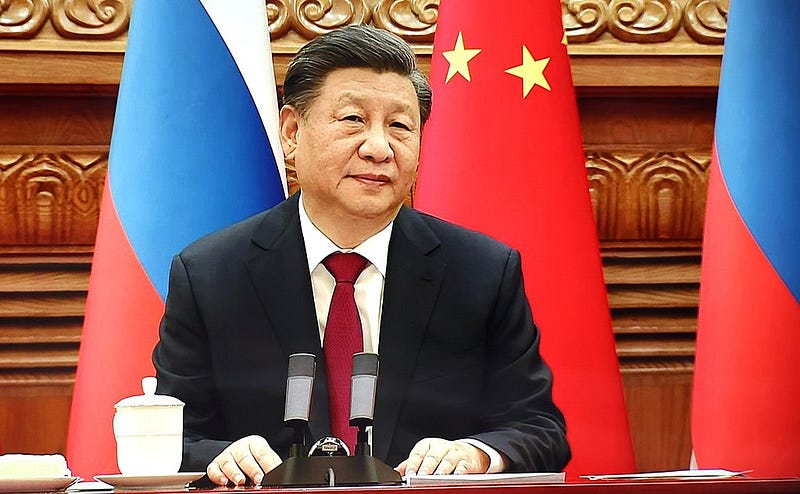
President Xi Jinping’s COVID-19 era policies dealt severe damage to the Chinese economy. (Photo by www.kremlin.ru via CC by 4.0)

Months later, China’s economy is still reeling from the aftereffects of extended shutdown during the pandemic. Although Chinese tourism is back on the uptake, much of it remains domestic, which isn’t quite what Western luxury houses are hoping for. And as political tensions within China’s international relations have the potential to escalate within the next several years, fashion companies have much to watch out for on both the supply and demand side.

FROM HERE ON OUT: LUXURY TRENDS IN 2023 AND BEYOND

Despite these interventions, which of course warrant brands paying attention to, there’s still a large appetite for fashion, beauty, luxury goods, especially among the younger generation. The demand still exists for designer fashion, but preferences and qualities have shifted, and brands — particularly foreign ones — must pay attention to several key changes in the landscape.

The first is the rise of domestic Chinese luxury brands and domestic tourism, which poses ever-increasing competition to overseas companies. While travel outside the country was severely restricted, creativity and consumption within China’s borders flourished. This ties into the general trend of nationalism that is on the uptake and actively encouraged by the government. Particularly within younger demographics, we may see more people experimenting with and opting for homegrown Chinese designers.

The second issue is the current downward spiral of the Chinese economy. Only the ultra-wealthy, the top 0.1%, are not actively scaling back their luxury spending habits as China’s GDP growth slows. As the economic repercussions of “zero-tolerance” COVID-19 continue to unfold, the housing market crashes, and the inflation rate rises, saving has become much more popular than spending, especially on expensive goods.
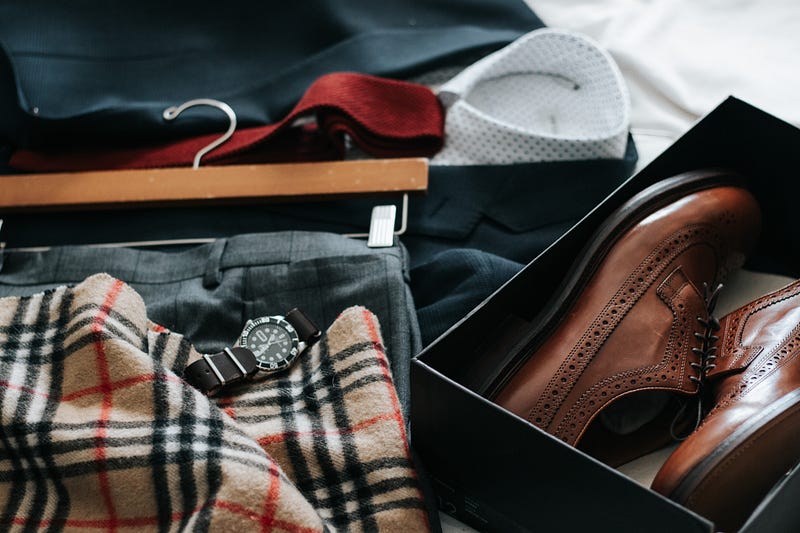
Demand for luxury products throughout the next few years will be unpredictable. (Photo by David Lezcano on Unsplash)

Social media has also managed to popularize thriftiness, meaning there is a thriving culture in Gen Z and millennials that encourages saving over the traditional flaunting of one’s luxuries. Consumerism is out. Conscious spending is in.

With retail sales generally trending downward, brands must find new ways to keep people buying. Only time will tell how consumer behavior continues to unfold in China and internationally as both political and economic conditions wobble about in the upcoming year. The only certainty is that nothing is guaranteed for fashion and business, luxury or otherwise.

Fashion
Economics
Politics
Life
Culture
Recommended from ReadMedium