When Idol-Brand Partnerships Fail: The Bad, the Worse, and the Digital
(You can read the first part of this analysis here — recommended but not necessary to understand this article!)
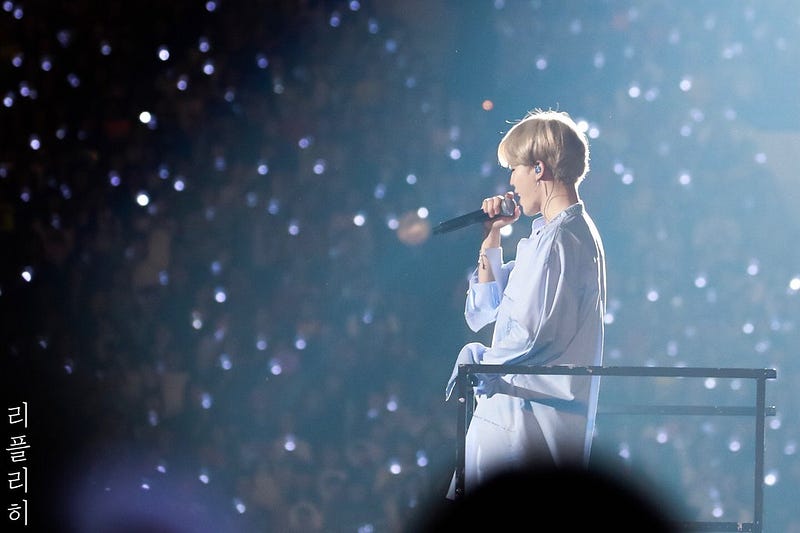
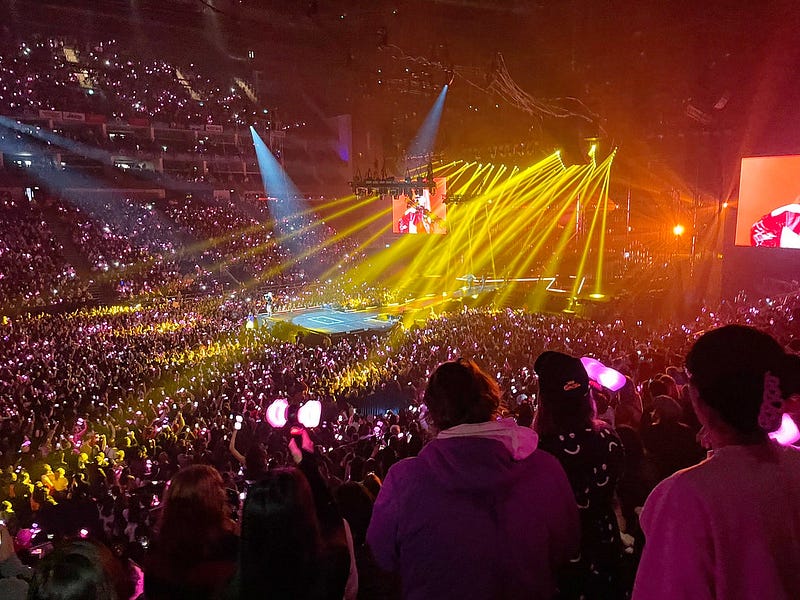
Idol-centered music and entertainment skyrocketed in popularity during the pandemic, although they’ve had numerous fans from all over the world for many years before. As K-pop and its counterparts gain global significance and recognition, the luxury industry has caught on to the immense financial value its individuals can bring. The international exports of K-culture contributed an estimated $12.45 billion to the South Korean economy in 2021, a number that only seems to increase year over year.
In the previous article, we discussed the immense power that Asian pop idols can bring as brand ambassadors to the luxury fashion and beauty space. But for all the positives that idols can produce — sold-out products, social media buzz, online impressions — there’s a catch. Far less attention is paid to the dark side of the carefully cultivated culture that gives Asian pop stars the millions of adoring fans and the loyal, commercially viable followings in the first place: the immense pressure to maintain that spotless reputation.
In the current era of the world we live in, personal image and passionate fanbases can vanish nearly in the blink of an eye, as quickly as they came. When a pop idol becomes the face of a brand, their downfall becomes the brand’s downfall.
Thus, as AI, Web3 digital design, and similar technologies have peaked in popularity over the last several years, it may be unsurprising to see more and more brands turn to self-created virtual representation as an advertising strategy. Nowhere are the stakes for marketing campaigns higher than in the wide-margin, image-dependent luxury industry; so as designer labels aim for greater rewards, they also work with unprecedented new types of risk.
HOW TO GET CANCELLED — TRY THIS ONE EASY TRICK!
Companies, influencers, and consumers today navigate one of the most stringent and most unforgiving social media landscapes possible, particularly in East Asia. Netizens have volatile opinions and very little patience. If an idol is ‘canceled’, anything and everything linked to that celebrity goes down with them.
The reasons for ‘cancellation’ are numerous, especially in the rigorous, micromanaged world of K-pop, some with more merit than others. Sadly, the frequent reality is simply that idols find it too hard to live up to the brutally high standards of behavior for young celebrities in Asia. Amidst the crowds of every idol’s passionate fans are also nitpickers analyzing their every move, waiting for them to make a mistake so they can be called out online. The wrong bored facial expression captured on camera can be interpreted by netizens as disrespect. An innocent conversation between two people caught from a bad angle on video can be interpreted as a serious conflict.

By the industry’s design, idols are pressured to look and act flawless whenever making public appearances, regardless of how little it may align with reality. Perhaps that’s the reason scandals take off so easily — when the standard is perfection, it really doesn’t take much to slip up.
By far, however, one of the most egregious controversies a K-pop idol can become embroiled in is a dating rumor. Romantic availability — or at least, perceived availability — is essential to the fans’ development of intentional parasocial relationships and in turn, the star’s marketability. If an idol is not single, however, it disrupts the idealized connection fans have and challenges that sense of ownership over the celebrity’s personal life.
- Singers HyunA and Dawn were forced to leave their entertainment company, Cube, after being outed as a couple.
- Chen from boy group EXO lost numerous fans after revealing that he was engaged and expecting a child.
- Dating rumors surrounding BTS’s V and Blackpink’s Jennie resulted in huge backlash against both stars, even though said rumors were never even officially confirmed.

Relationship gossip, like all gossip, doesn’t even have to be true to negatively affect a K-pop idol’s public image and fanbase in a snowball effect. Fans have been known to boycott idols by refusing to support their groups or associated brands based on unsubstantiated — and sometimes even denied — hearsay.
WHEN IDOLS RUN AFOUL OF THE LAW
That’s not to say, however, that all controversies are without basis. During the past several years, a number of high-profile criminal cases in East Asia have garnered massive coverage and international attention — none of it positive — due to the involvement of K-pop idols.
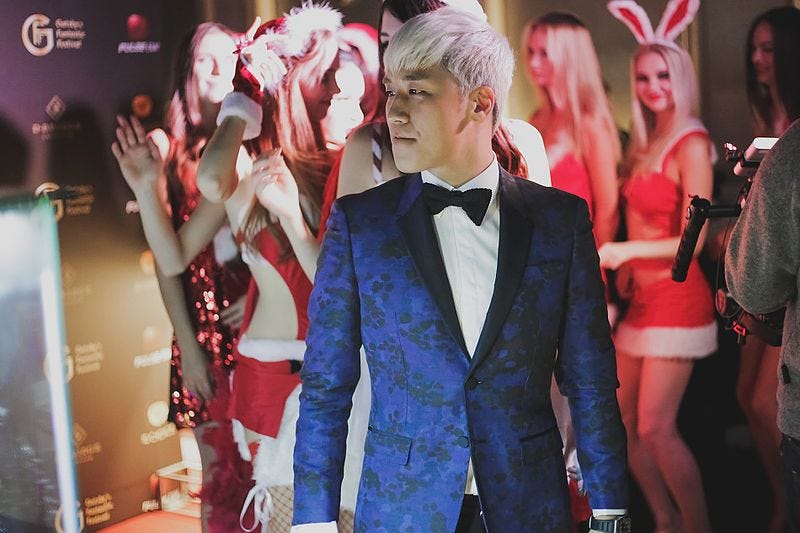
In 2019 the infamous Burning Sun scandal shook South Korea to its core when it exposed a huge underground prostitution and sex trafficking ring that had been covered up for years by corrupt officials. Most egregious to the general public, however, was the fact that several of the criminals at the heart of the ring were beloved male K-pop singers — the most famous being Seungri from BIGBANG. Once credited with being the first boy band to experience wild popularity outside of Korea, BIGBANG found its legacy and name tarnished simply by association for some time after Seungri’s conviction. Even his fellow band members, who had no association with the crime, suffered backlash from fans and the public.
Another well-known fall from grace involves Chinese-Canadian star Kris Wu, who started his career in K-pop band EXO before going on to great fame as a rapper, TV show host, and actor in China. After being found guilty of numerous counts of sexual assault, Wu was sentenced to 13 years in prison in 2022, a term length that was upheld in China’s appeals court this year. It’s thought that the Chinese government was also using the harsh consequence to send a message: no star is too big, too renowned, too famous, to be punished for illicit behavior.
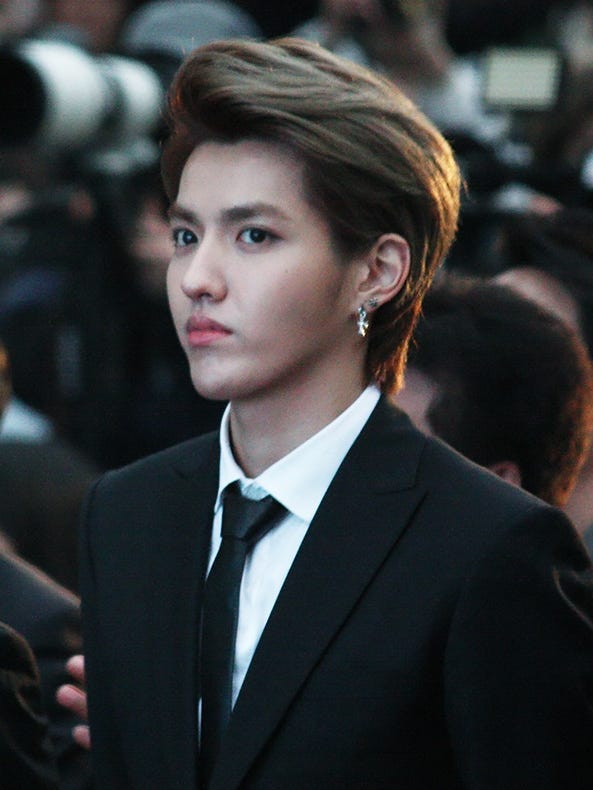
How did this affect the world of fashion brands? Wu, who boasted massive fanbases in both China and Korea, had been appointed as a brand ambassador for Bulgari, Louis Vuitton, Porsche, Lancome, and many more. His 2017 collaboration with Burberry had cemented his status as a fashion icon and was credited with revitalizing Burberry’s recognition in China. But in the wake of his scandal, his name was now a poisoned chalice to the labels he had worked with.
Some of these brands were quicker than others to pull their partnerships in the face of the controversy. Those who were smart denounced his behavior, to make their positions clear. Those who were slow to action faced shame and threats across social media, with many netizens calling for widespread boycotts.
These examples highlight the dangerous gambles that come with celebrity representatives for brands. Where an idol’s name once promised sales, fans, and engagement, they can suddenly present a greater liability legally and financially.
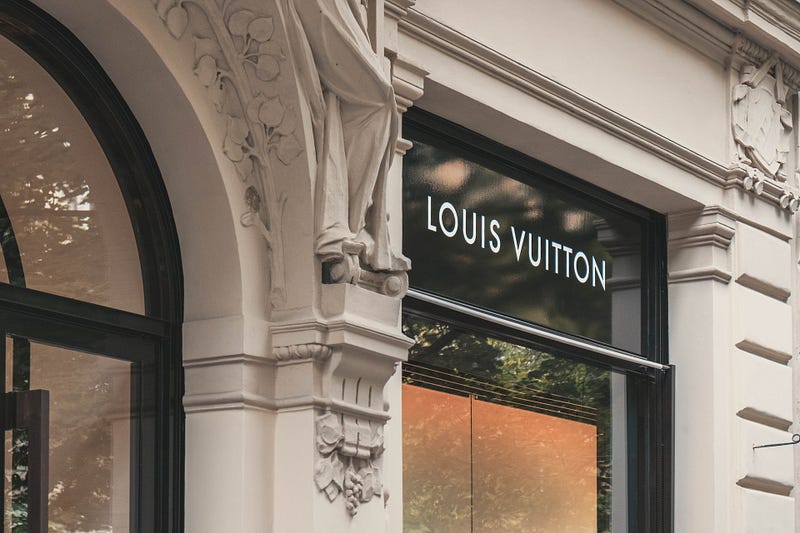
The luxury beauty and fashion industries, which are famously high-profile, need to be very careful about their marketing strategies and campaigns and ambassadors as a result. As the media environment — and idols’ offline behavior — grows ever more unpredictable, some brands may find the rewards of appointing a celebrity ambassador no longer worth the risk.
HUMANS MAKE MISTAKES. VIRTUAL IDOLS DON’T.
Certainly, overreliance on idol star power for engagement and sales is a problem for any company’s marketing strategy. Even the most stringent of investigations cannot always guarantee that a brand will not at some point have to reevaluate their partnership with an idol. If luxury designers want to take advantage of a profitable audience, they must learn to navigate and minimize the ever-evolving risks in the market landscape.
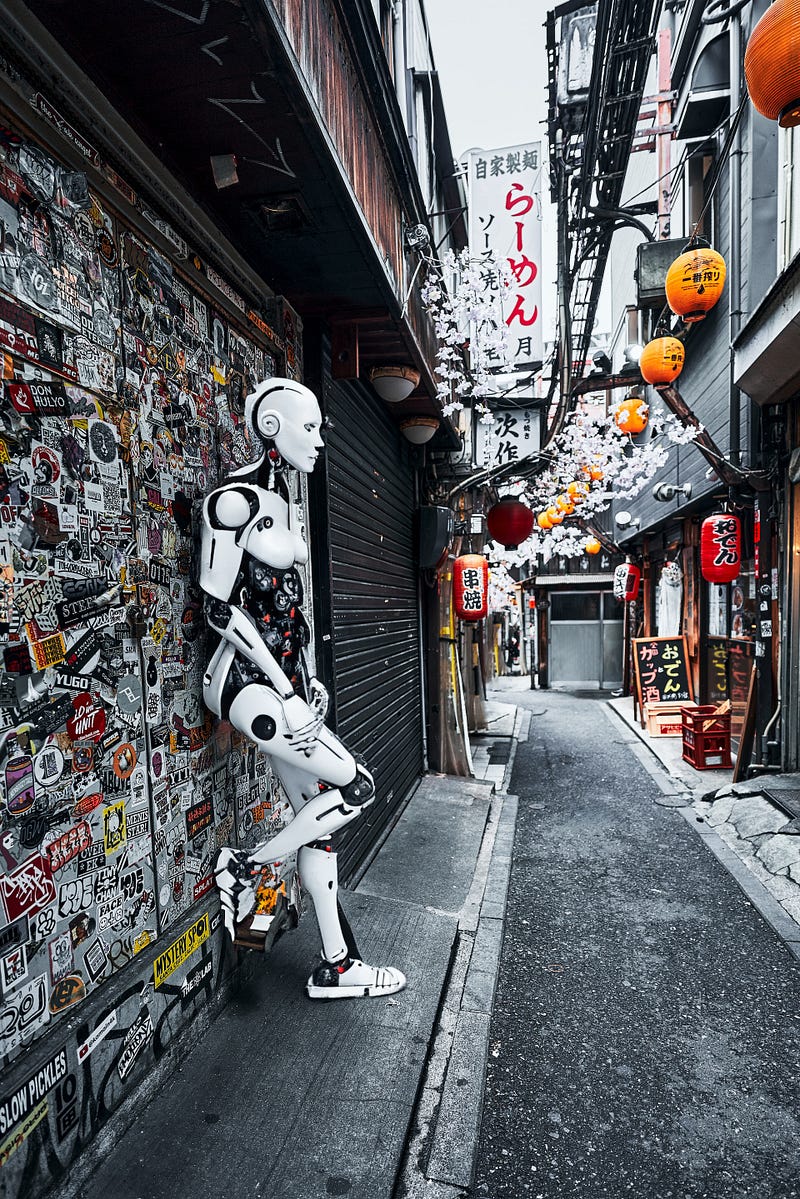
For some, the solution has been to then go with virtual idols. These computer-generated characters, with distinct personalities and appearances, are gaining particular prominence in the Asian entertainment space to intrigued audiences. By utilizing their digital presence for marketing and representation, companies can promote sales and engage with consumers in new, interactive ways.
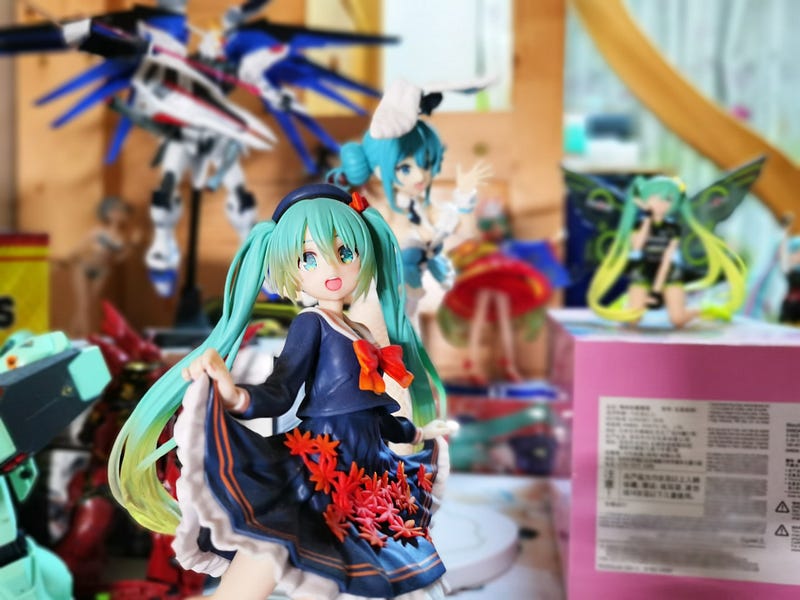
Take a look at Hatsune Miku, one of the first and most popular virtual idols from Sapporo, Japan, who’s made over $120 million in revenue from her songs. Created in 2007 and boasting long turquoise hair, Miku has been extremely popular with pop audiences despite having an entirely computer-synthesized voice. And she’s not the only non-human entity to showcase the spending power virtual idols can have.
- Beauty brand Nars launched a digital advertising campaign featuring 3 virtual idols and 0 human ones. As part of its effort to penetrate the Asia market, each avatar represented a different shade of lipstick and were created entirely from scratch.
- Xing Tong (星瞳), a digital character from Tencent’s QQ dance game series, was hired to represent Chinese athletic wear brand Li Ning as well as Levi’s jeans during Shanghai Fashion Week.
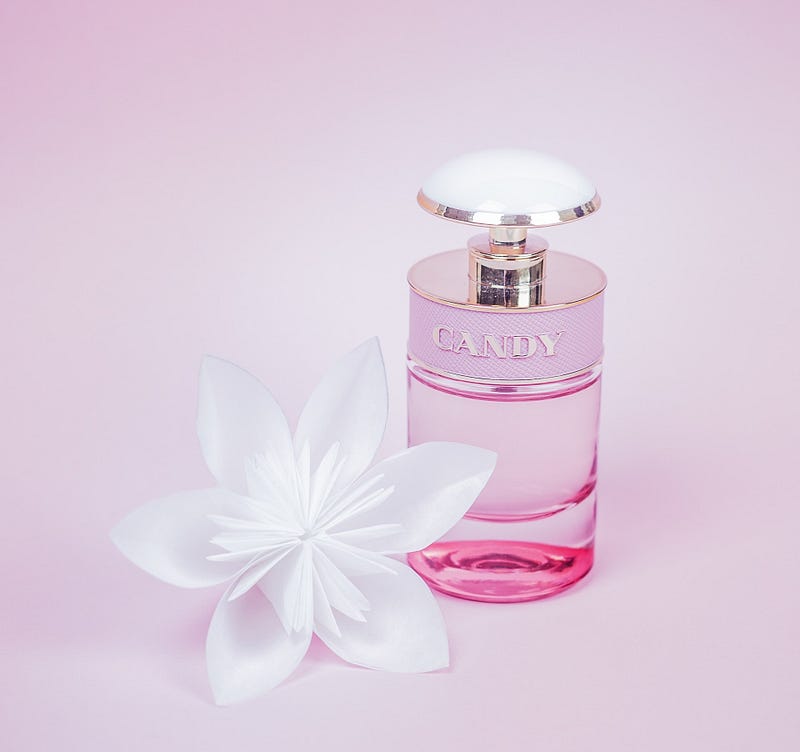
- Prada relaunched their fragrance Candy with an eponymously named virtual “muse” to represent the product. In the past, they also partnered with digital influencer Li’l Miquela during 2018 Milan Fashion Week to upload behind-the-scenes backstage content.
- Fashion influencer and pop star Noonoouri, represented by modeling agency IMG, has been tapped as the face of brands such as Skims, Balenciaga, Tommy Hilfiger, and Vogue China. Despite her decidedly non-human appearance, she’s advocated for social justice issues alongside the fashion industry.
Unlike real celebrities who may make mistakes or say the wrong thing, virtual idols allow brands to meticulously shape their image without the unpredictability of real-life issues. Digital idols don’t have off days; they don’t get sick; they don’t have relationships — unless, of course, their creators decide to give them one. This control over narrative, coupled with the power to perfect and fine-tune aesthetic design, makes virtual idols an attractive choice for brands seeking a reliable, polished representation.
NEW DIGITAL IDOLS HAVE NEW DIGITAL PROBLEMS
Of course, the rise in popularity of virtual brand ambassadors brings with it its own complex issues and questions. The ethical implications related to the potential displacement of real-life models and idols by virtual counterparts is often compounded by the topic of representation for minority groups.
For example, Li’l Miquela’s appearance in a 2019 Calvin Klein campaign — in which she shared a kiss with Bella Hadid — sparked backlash for queerbaiting, as no real-life LGBTQ+ individuals were involved or represented in the campaign. While virtual influencers offer creative possibilities, the need for authentic representation and inclusivity remains a crucial sticking point in the industry.
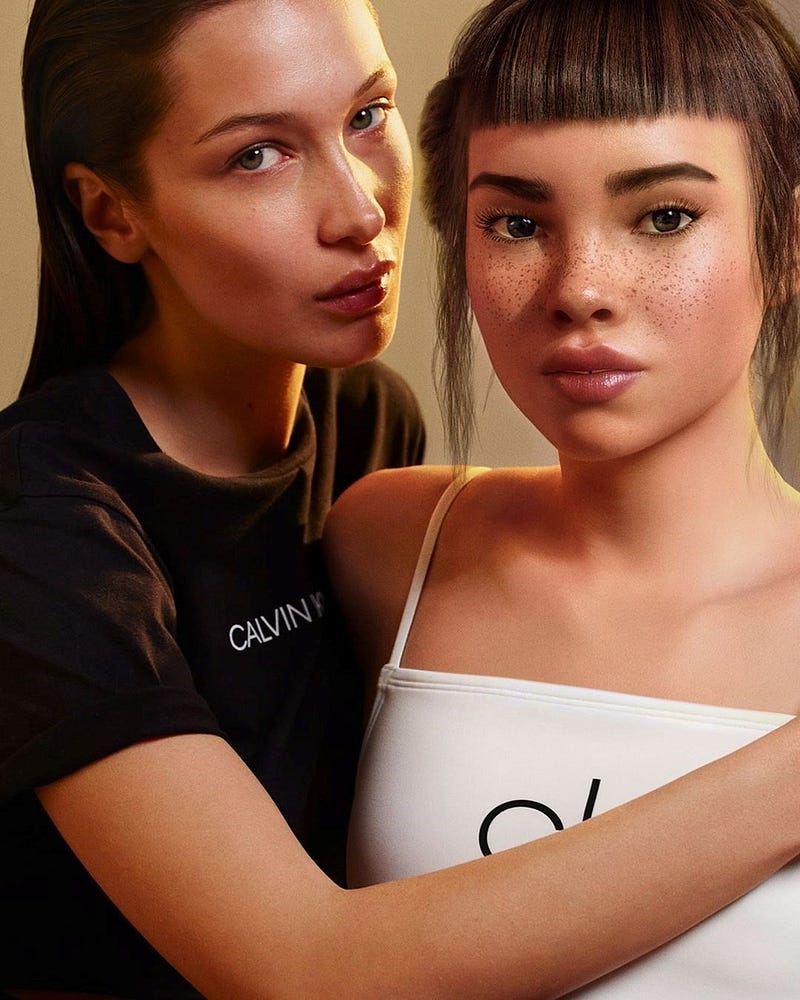
Another related issue involves the promotion of impossible beauty standards, a problem for which the fashion industry has long been critiqued. Since a virtual ambassador is made up of perfectly crafted pixels and visual effects, its disconnect with the consumer experience is higher than for human models, especially for products worn on the face and body. Critics have called out the potentially negative messaging, particularly to young audiences, that inhumanly beautiful virtual idols may convey.
As the fashion industry continues to expand the ever-shifting landscape of brand representation, navigating these creative and ethical obstacles can be challenging. Both human and digital idol ambassadors come with their own unique sets of benefits and difficulties; while human idols bring authenticity and relatability, virtual idols offer creative possibilities with defined narratives.
Companies must carefully manage issues of representation, PR, and inclusivity to ensure their ambassadors bring only the most of positive engagement to their storytelling. As the world enters a new year weathering macroeconomic challenges, which have dealt blows to the luxury industry in particular, we can expect to see new levels of experimentation with brand representation that connect with audiences in unusual ways.