
STORYTELLING
How Magic Metaphors Spark Our Stories
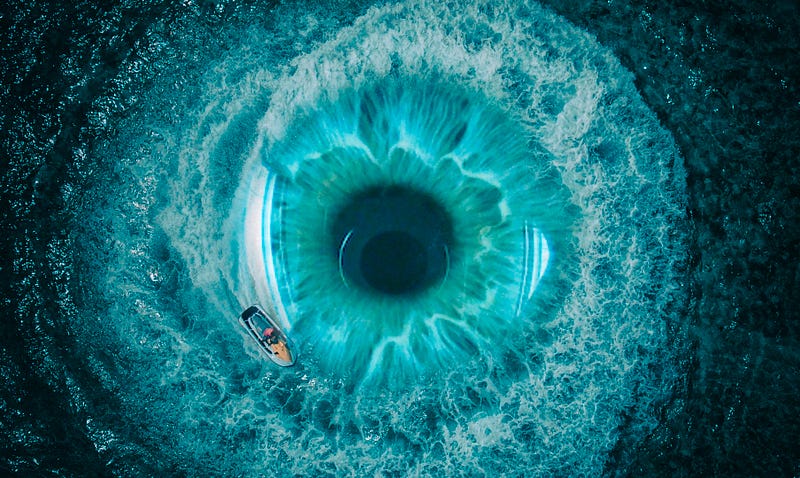
This image combines an eye and water. So, what about tears?
Words are like drops of blood in our stories. But we need veins to transport the red flow. We need cells as a destination. We need neurons as information messengers. We need hormones to give the cycles their rhythm. We need them all!
Life is like a big, warm-blooded body.
And our stories come to life only when we feel life’s connections and feed our flow with words, images, and movement.
Our stories are art. We want to move mountains with them.
And it doesn't matter if you’re writing a rational explanation of some complicated technical innovation, or poetry. The story needs LIFE. In this story, I’ll tell the 3 secrets of how my stories come alive. And how you can spice up your stories as well.
Let’s create storytelling magic with
- Warm-blooded metaphors
- Imaginative images
- Inspiring anecdotes
Create the magic and tell the stories!
Rational and Emotional
I write them both. The explanatory stories informing readers about nature-based solutions and technology for our broken world. Rewilding our souls. Feminine ways of productivity. And poetry.
Although I often can’t help myself to include some explanations in my poetry. I’m still a rational girl who wants people to understand as well as feel the emotion.
In my 1.5 years now on Medium, I have come to the conclusion that the best-performing stories have the right dose of both. Rational and emotional. Let me give you three examples and tips on how you can enhance your stories with this knowledge too.
1. Warm-Blooded Metaphors
As soon as you’ve found your own unique writing voice, you will notice that certain metaphors just pop up in your brain. It’s like magic! In my case, my writing includes the vast wisdom of Mother Nature.
So my metaphors are filled with natural phenomenons.
When I write about climate change and economies I use the metaphor of upstream solutions. Because the economy is full of flows. Money flows. Value flows. And they are just like a river. So next, the metaphors of salmon, water drops, and waves are coming up.
These metaphors warm my rational, explanatory stories.
Readers like warm stories. Readers are warm-blooded beings with a beating heart. In school, they get enough boring rational explanations to put them to sleep. While learning should be fun. Wisdom should be trickled into our brains like honey on sensual skin.
So now you say to me: but I don’t write about nature.
Hmm…
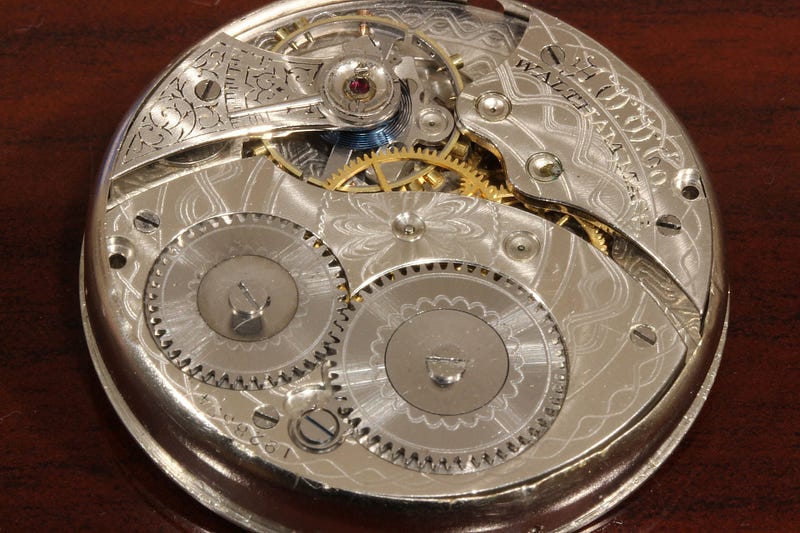
Maybe you should. Nature is everywhere and the only basis of our life on this planet. But aside from that. There are other metaphors that can enhance your stories and make them come alive. If you write about hardcore technology you might compare some complicated explanation to the inner working of a clock.
Although a body is even more ingenious than a clock. So you might still consider favoring body and planetary metaphors over technological metaphors…
Please, let your imagination flow and give me some great metaphors in the comments so we can all learn from how YOU do it.
2. Imaginative Images
Images are connected to our stories in a deeper way than we can imagine. We have five senses. Or six. But the easiest one to access and the most dominant one is our sight. Our eyes. Our view.
So we can make it easy for our readers to get the message by adding imaginative images to our words. Why do I say imaginative? Well, readers want to be surprised as well.
So the best pictures are always the ones who add a little spice to our story. They shouldn’t be bland, overused photographs of exactly what you say in your story. They should stretch the edges of your story. Expand them.
My title image and my title tell you about eyes and water and tears. My title makes connections. And that’s what our brain loves to do as well.
So, if we cook our stories with a bit of right and left brain, the full brain of our readers will be touched. And our message will come across in a deeper way.
3. Inspiring Anecdotes
Our readers are humans. Social beings who want to connect with other humans. So, we give them that in our stories. We show them who we are by telling anecdotes.
I just got married. That’s beside the point. But in this case still relevant because I wrote a story about it in P.S. I Love You.
“Mike saw my soul first. He was patient. He told me what he saw, but I wasn’t ready. I was planning to spend the rest of my life without a fixed life partner. I was finally free! The first two parts of my life had been about youth (25 years) and career, and marriage (23 years). In the third part of my life, I just wanted Purpose with a capital P.”
And it gives you a peek into my brain. Into my life. Into my journey towards love. That’s what our readers like to do. Connect to us. Authentically. Honestly.
But also here, I want to stress that anecdotes don’t only belong in emotional stories. They should warm up our explanatory stories as well.
Did you know that stories with just facts have a retention rate of 5-10%? And that stories with anecdotes are remembered 65–70% of the time? It’s Stanford research. And Forbes wrote about it. Let’s act upon it in our educational stories!

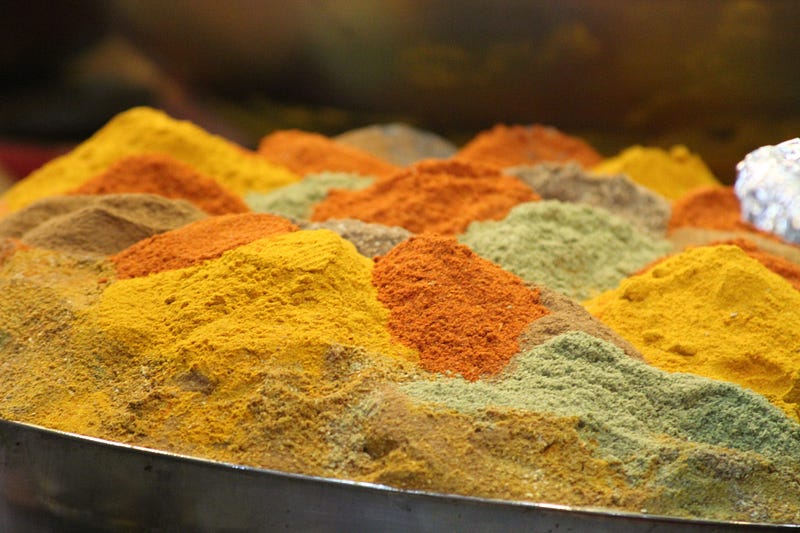
Most writers love reading. And I’m no exception. So I hope you’ll give me what I want most. Spice, juicy stories. With stretched edges, lively metaphors, and touching anecdotes. And please make sure the dosage of all ingredients won’t overwhelm me. Find a healthy balance.
Our humanity needs warm stories now more than ever…
If you want to connect, you can find me in my food forest or via LinkedIn, Facebook, Twitter, Instagram, or my website.
© Désirée Driesenaar