
Gardening With Children
Organic gardening basics
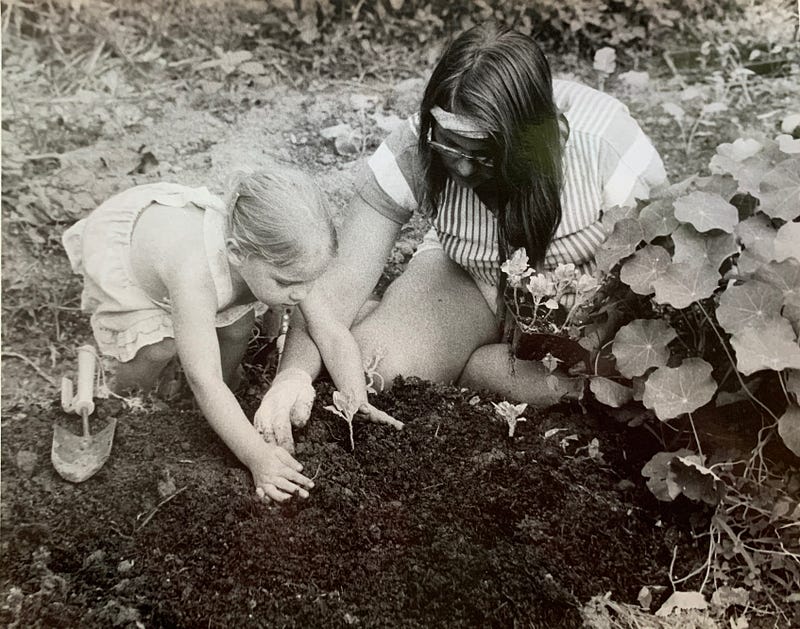
Children can help with gardening beginning at a very young age, starting a lifelong love of the outdoors. Whether a spot for children to play in the garden, a garden of their own, or a faerie garden where adults and children alike can find whimsy, gardens offer opportunities for people of all ages.
Gardening with a toddler
Babies and toddlers like to put things in their mouths. One reason why organic gardening is great for babies and toddlers is the fruit and vegetables you grow are safe to eat right in the garden!
Toddlers have brains that are like little sponges. Everything you teach them will be interesting to them, whether it’s the names of the plants, which ones are good to eat, or how to hold a plant by its leaf and not by the stem when you are placing a seedling. My daughter enjoyed taking people on tours of her favorite vegetables and the edible flowers we were growing. I can still hear her little two-year-old voice saying, “dese are nat-turt-sheeums, and you can eat them!”
When you design your garden, you can create spaces for little ones to be nearby and playing while you garden. For example, a small kiddie pool and/or a sandbox will provide the baby with something fun to do while you work in the garden. Just be prepared for the fact that your toddler may prefer to always be right by your side!
Gardening with children
Children love to get involved in the garden. You can get kids involved in your garden design as well as with planting and day-to-day upkeep. The children I know, gardeners since toddlerhood, know what to do in the garden. They will often do some weeding while standing around because they notice that it needs doing.
One of the things that I’ve found to be a lot of fun with elementary school-aged children is to create whimsical settings that provide space to explore, engage in creative play, or just sit and read. Using found items and inexpensive craft supplies, you can let children help turn a shady garden area into a magical playground.
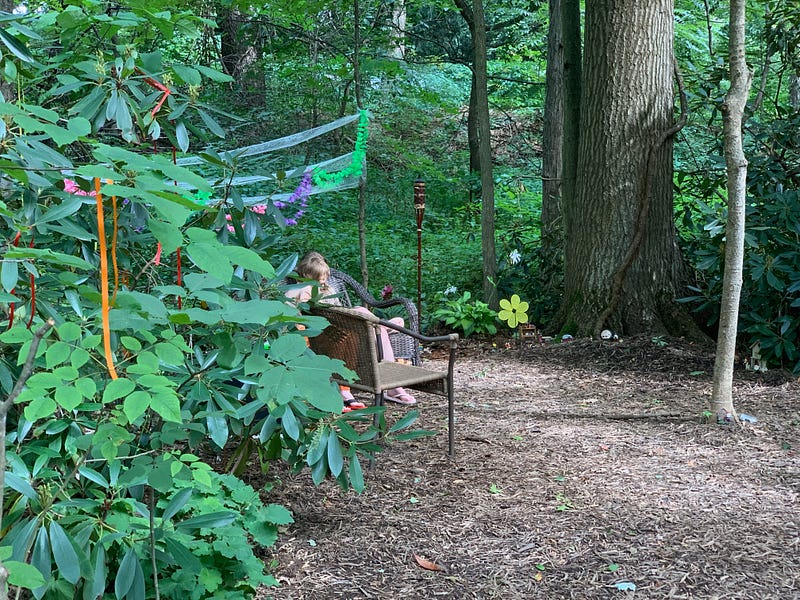
One of the best investments I made in my garden was to create a fairy garden for my grandkids. They were ages 8 and 10, and they loved it. That fairy garden became the setting for a series of faerie tale videos I taped for my family during the months the pandemic separated us. I talk about that garden and the process, complete with lots of pictures, in this piece:
Teenagers and gardening
Teenagers care about the environment and health and are likely to support organic gardening. If you raise your children to be gardeners, they've developed their own style and level of interest by this time. On the other hand, if you’re introducing young people to gardening for the first time, political and philosophical reasons are likely to be relevant factors to discuss.
I found that by the time my daughter was in her teens, she could do anything I could do in the garden, and often more. She didn’t always have an interest in growing and maintaining a large garden, but she could be called in for help when my garden needed an intervention. She always had some plants growing and often managed to create unique gardens as she went through college and beyond.
More about organic gardening
I’ve been writing about organic gardening quite a bit this year. You might also enjoy these pieces:
Crystalclearcandace has been gardening for over 50 years and working with children for nearly 40 years. She teaches classes on organic gardening and is writing a book about children. She has a website where you can learn more.


