
GLOBETROTTERS WRITING PROMPT
From The Dust in the Desert to the Mist Rising in the Wetlands
Terrains of the vast African continent
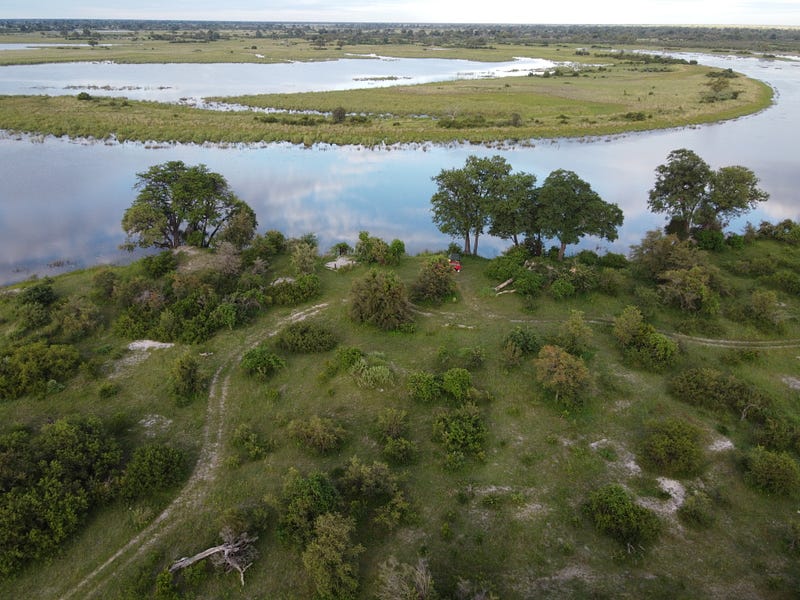
The rain is dropping onto the roof of our tent. The raindrops appear to fall slower and slower. The sky is clearing up as the birds begin to sing again. The roaring thunder from earlier this morning is long gone and almost forgotten. Another day in the wet season. In Africa.
No place on earth has ever fascinated and intrigued me as much as the African continent. While many think it’s one country, Africa has 54 countries hosting more than 3,000 tribes speaking in over 2,000 languages to each other.
If this doesn't represent the variety of this vast continent, I am going to mention its geographical features that spread further than just the well-known Sahara desert.
In Africa, you can find red and black sand. You can find sand on beaches and inside one or the other desert. You can find the longest river (Nile) and you can find the tallest lone-standing mountain peak on earth.
You can get heat stroke and die of cold. You can experience sand and snow storms. Yes, it does snow in Africa and not just on top of the tallest mountain on the continent.
I haven’t been to all 54 countries on this continent but I’ve been to 9 so far. And the rest are on my list. I’ve seen snow on top of Kilimanjaro and I’ve felt the power of a sandstorm inside the oldest desert on Earth. I’ve experienced the heaviest rains in my life in Africa. I’ve experienced floods and droughts.
And I fell in love with this continent. With every piece of it.
I’d like to share and explain my love by presenting the diverse terrains I have come across in the past eight years of traveling and living in Africa.
Deserts
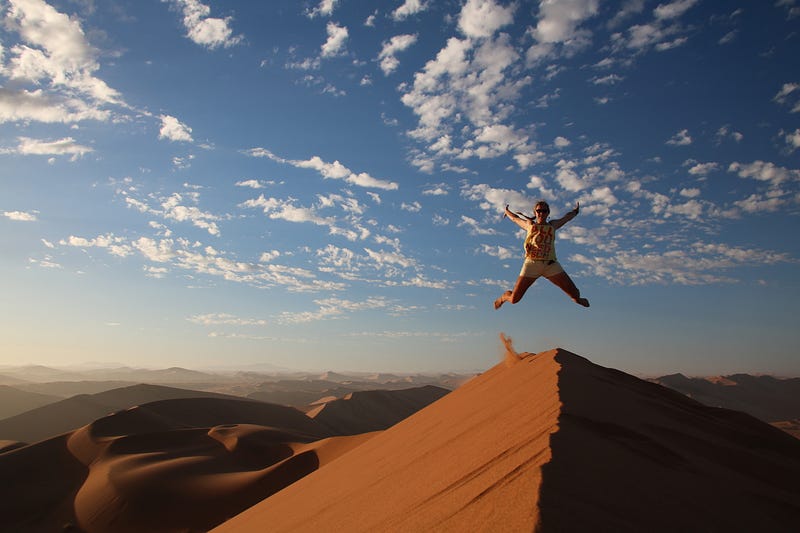
While it took me a few months to get to experience a desert and it wasn’t even on my list during my first visit, I will never forget my thoughts and feelings when I saw those massive dunes for the first time.
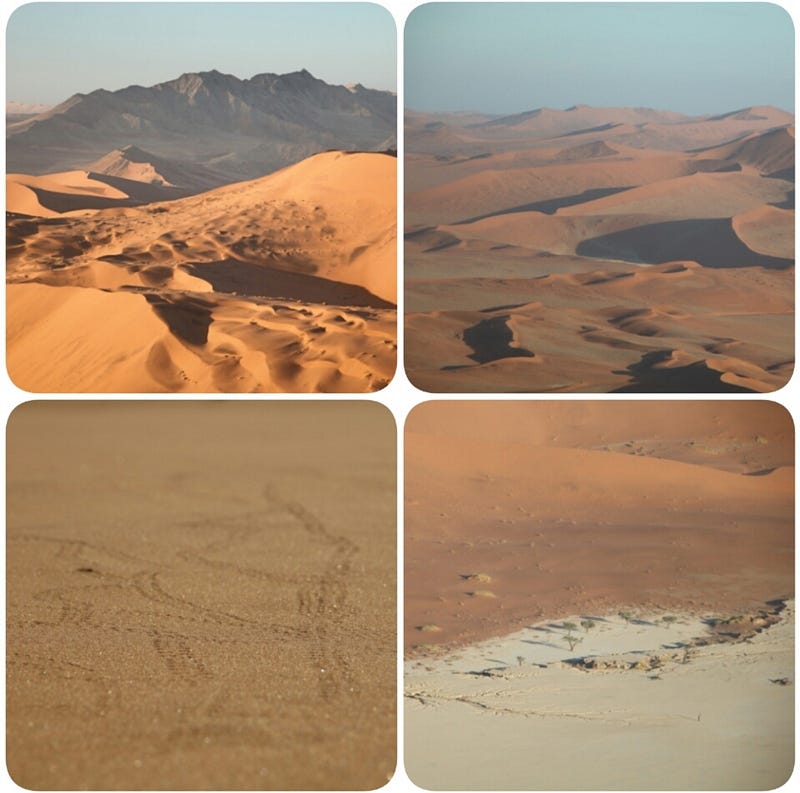
The Namib desert is the only desert I’ve ever been to and it is the oldest on Earth. Hosting some of the highest dunes on Earth, I did experience what it means to climb them. And getting lost.
Seeing sand and sand for miles with no other landscape feature up to the horizon is something you will only grasp when standing atop one of those infamous sand dunes. It’s a feeling I can’t describe and an experience like no other.
When flowers bloom in the desert
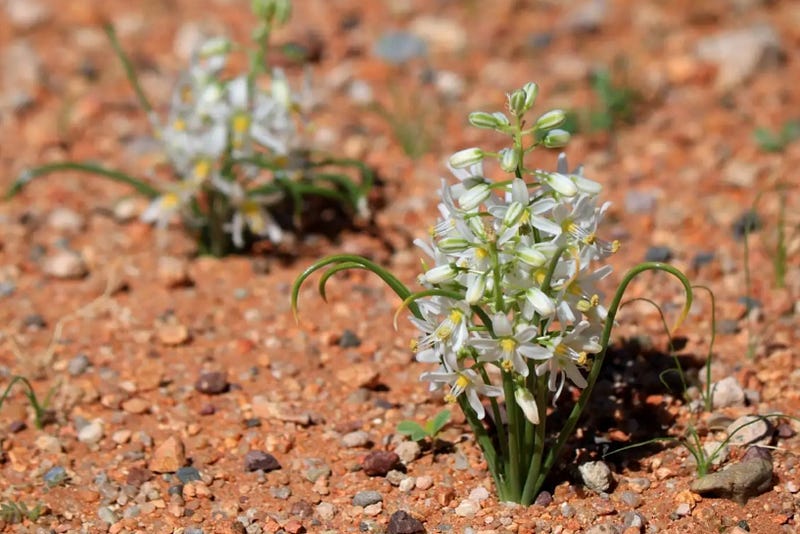
I lived in a desert city for several years. Years that were known as a long drought. Trust me, I did learn to feel and breathe with the desert. Where there was the slightest cloud on the horizon, I had hope. And when raindrops were falling I started to dance.
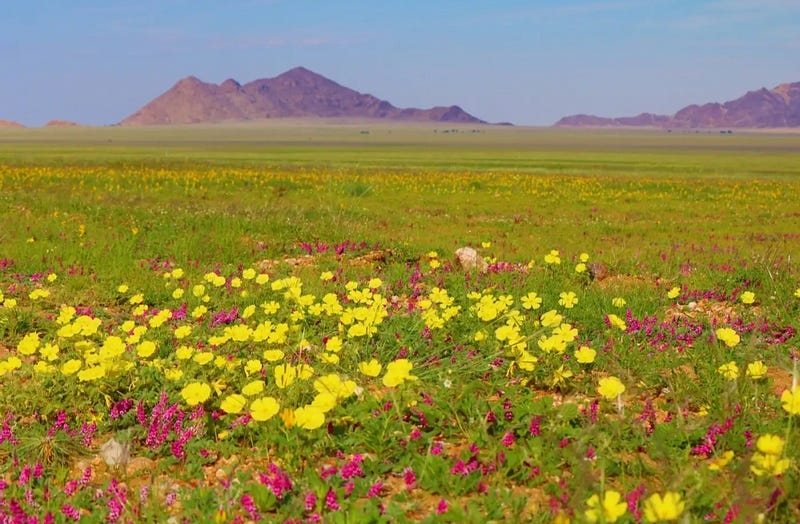
But seeing flowers bloom in the desert was something I never imagined experiencing and it became my favorite memory of living in a desert. Seeing such beauty emerge from nothing but barren sand after years and years of drought is the highest level of mother Earth’s creation.
When the desert comes to life
Talking about. I’ve seen flowers bloom in the desert on different occasions in various years. In some, there were only small flowers. In other years I saw a field up to the horizon covered in blooming desert lilies.
And once, only once, I did experience the desert turning into a lush green meadow. There weren’t just flowers blooming up to the horizon but the barren desert sand had disappeared underneath a thick layer of green leaves, grass, and blossoms.
To you, it might just look like a normal field in nature. To me, it is something much more. Seeing the picture below, I can hear the buzzing of bees and other insects, I can smell the scent of wild thyme and I can see grassland up to the horizon.
When rivers flow in the desert
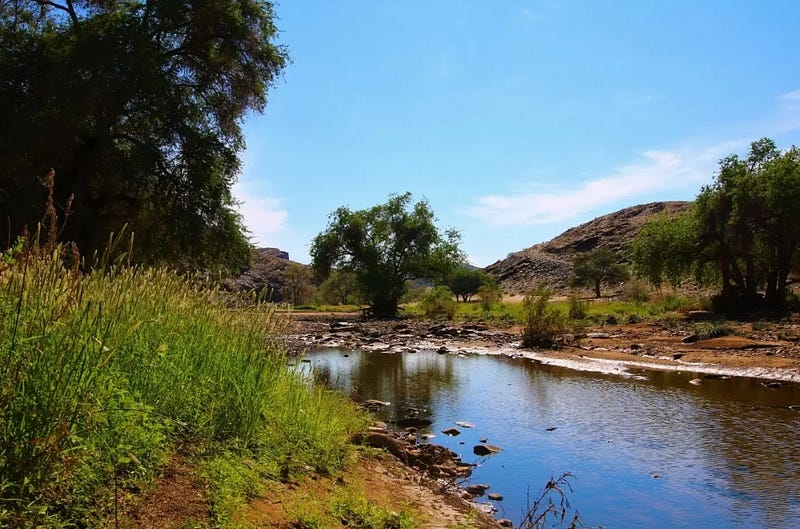
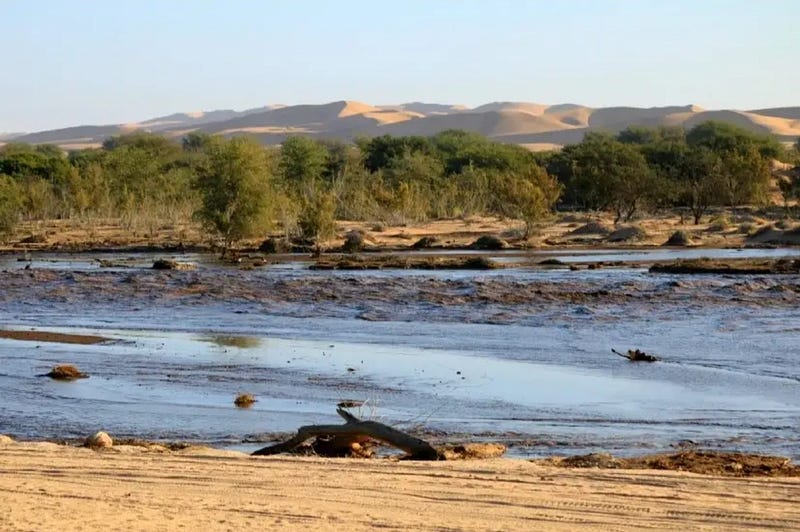
Before going to Africa, I connected rivers always with water. But once over there I learned the meaning of a riverbed and the dry version of them which are more common than the flooded version.
I camped, saw the milky way and played in the soft sand of the dry riverbeds in Africa. I tried to imagine what they must look like with water in them but nothing came close to what they really were like.
These ephemeral rivers can be more dangerous than the labyrinth of sand dunes as more humans drown every year in the deserts of the world than die out of thirst. Did you know that?
You won’t know when the water arrives as rainfall hundreds of kilometers away from your location can cause a river to flow and create a heavy flood. You’ll be under blue skies without ever having seen a cloud in weeks but all of a sudden the sand beneath your feet starts to soak up.
I’ve played in the mud in rivers in the desert and splashed with joy. When rivers flow in the desert I’m cautious but excited. Flowing rivers mean life as they bring water through the deserted country.
The savanna
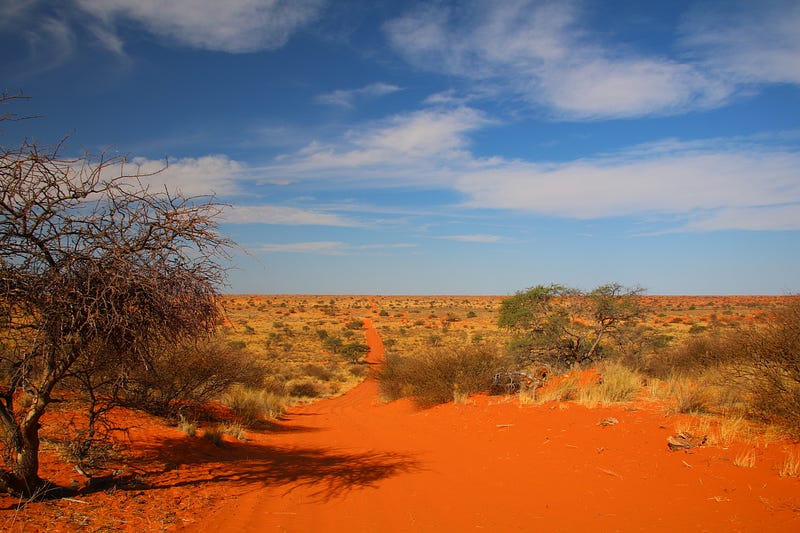
In between deserts and wetlands there are many more landscapes. One of the terrains I'd like to highlight is the savanna. Just as hot as a desert and almost as dry but with much more vegetation it's a stunning terrain.
I’ve walked on red sand while pushing bushes aside and sat on horseback overlooking the diverse beauty of a savanna. I slept inside this terrain while lightning was happening all around us and rain could be seen on the horizon.
Rock formations
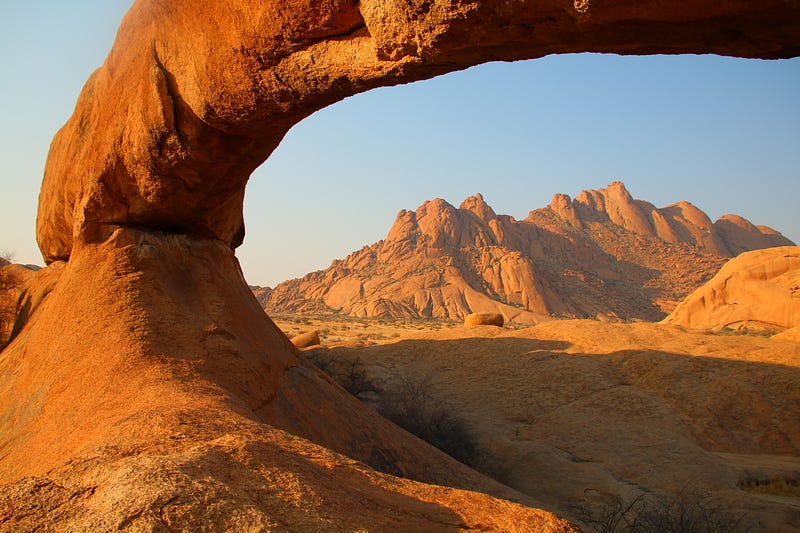
Another landscape feature between the dry and wetlands are rocky terrains. Those with lots or with little vegetation covering them as nature always finds its way around harsh living conditions.
I've scrambled across large boulders and rock climbed under the unforgiving African sun in stunning surroundings between rock arches and steep mountain slopes.
The moonlandscape
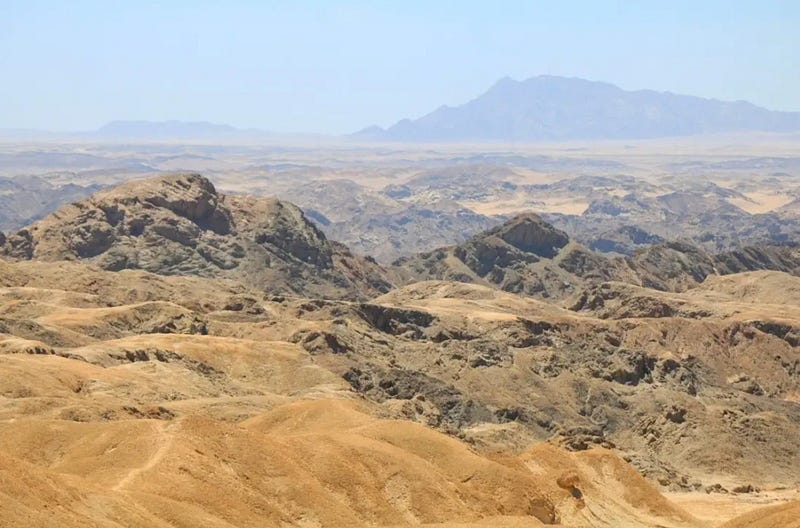
And I’ve walked on the moon. Or at least in a landscape that reminds you of the terrain on the moon. With a thousand hills and just as many valleys with no more vegetation than a few lichens, this landscape is also part of the desert but differs a lot from the sandy dunes of the Namib.
When it rains
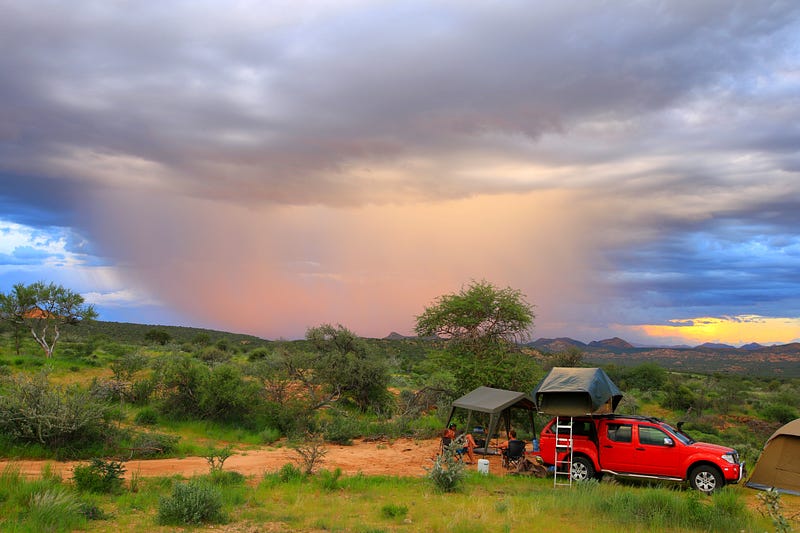
When talking about Africa, I can't go without mentioning the rain. It the desert, the savanna or the wetlands, it doesn't matter. The rain changes the landscapes like no other and with almost immediate effect.
The smell of rain in Africa is one scent I will never forget and always long for. Rainfall is what keeps everything alive and it makes nature burst into joy and it turns my face into a smiling one.
A crater — a piece of heaven on earth
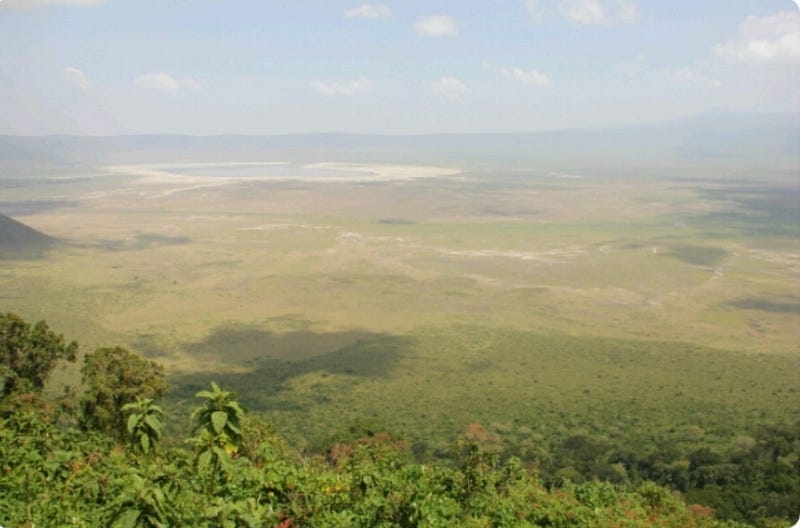
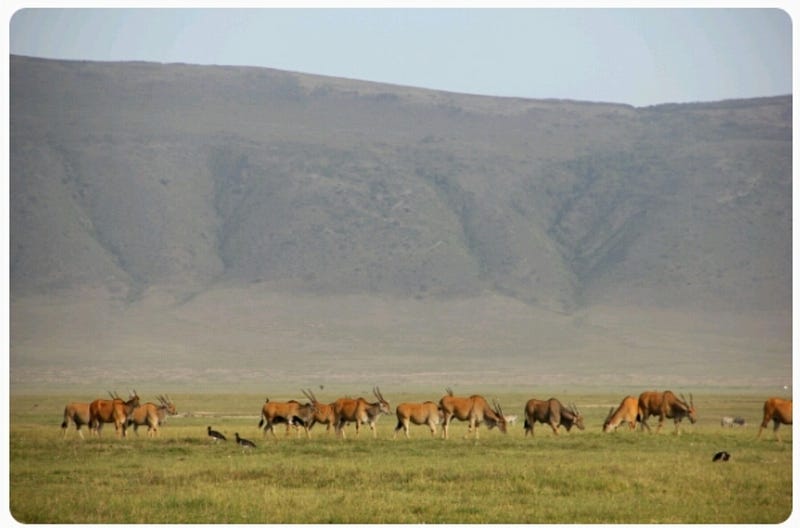
We're moving on from desert life to a much more green terrain. Where once meteorites fell onto Earth or volcanos were throwing up lava, a new crater emerged.
One of those craters is located in Tanzania and hosts the largest zoo on Earth. Just that it’s not a zoo. It’s the pure African wilderness. Lots of wildlife and stunning scenery. Mountain slopes are covered in rainforest and the valley is just one large meadow with a lake in the middle.
When the mist is rising
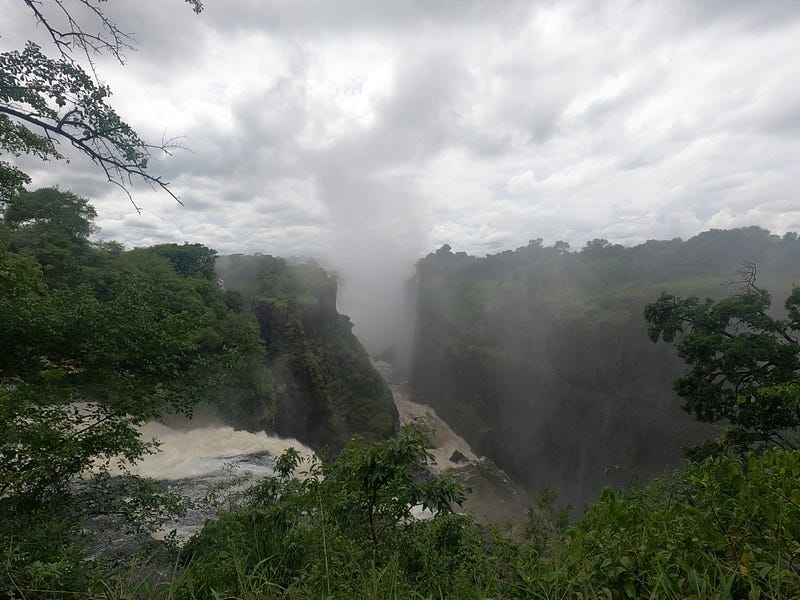
When a lot of water comes down to Earth or rises, a stunning phenomenon happens where water moves the other way around. It rises from the Earth and moves up into the sky.
Rising mist can be found at waterfalls with a heavy flood and they can make you just as wet as a rainshower from the clouds above. A phenomenon I’ve only experienced in Africa. At least with that force.
A rainforest
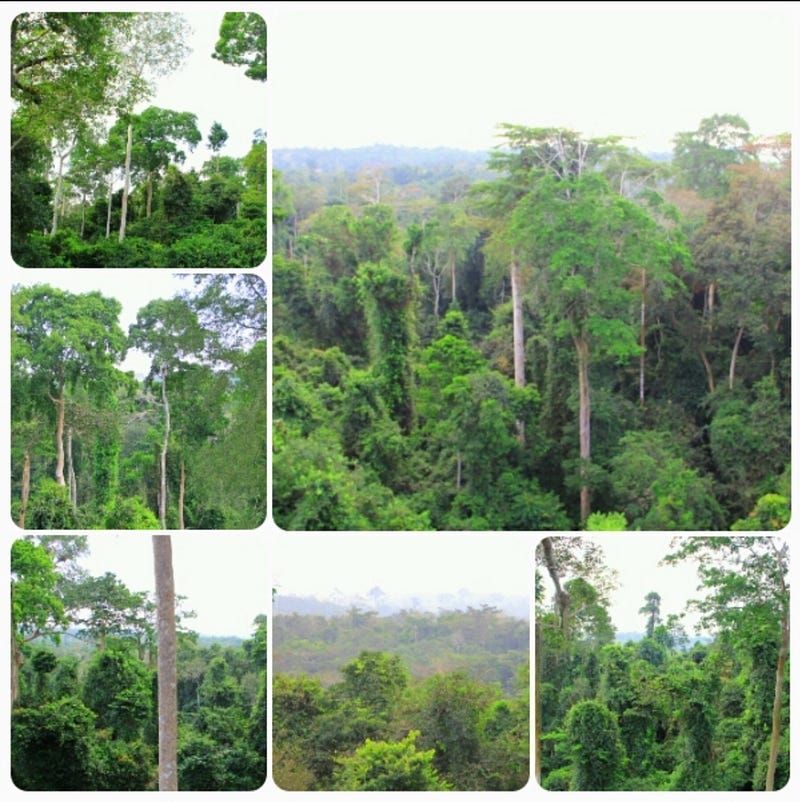
Or is it a jungle? Whatever you want to call it but this forest is like no forest I’ve ever seen before. Treetops on several levels rise almost up to 100 meters above the ground.
Water is constantly dropping from the leaves even when it doesn’t rain. Birds are singing and butterflies of all sizes dance between the trees and plants on various levels.
I've walked on a suspension bridge above the normal forest canopy but below the tree tops of the giant jungle trees. I could see nothing but trees up to the horizon and monkeys hanging and swinging from vines.
The wetlands
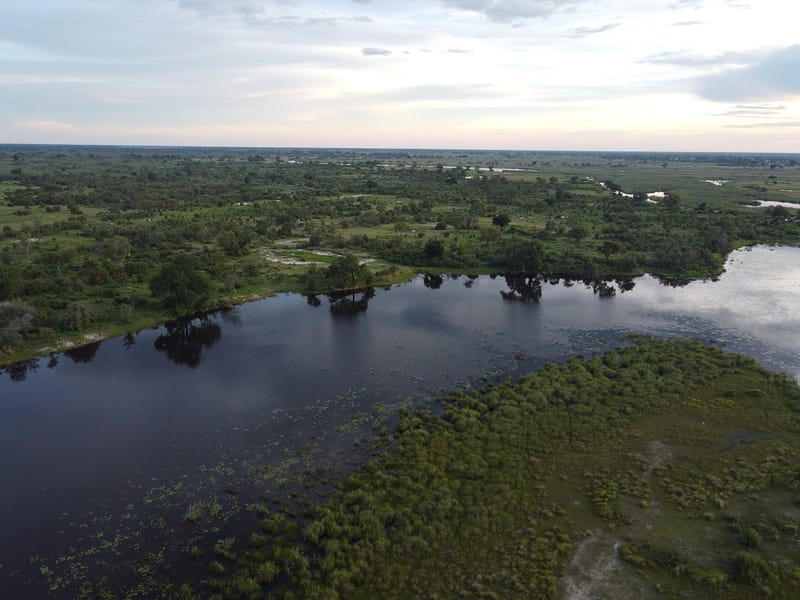
From the jungle, I’m moving on to a more calming but just as wet place. Wetlands are terrains that are either permanent or more often just seasonal floodplains.
It's a wildlife paradise and heaven on Earth. Locals are paddling in dugout canoes through the water canals passing crocodiles and hippos in the water while elephants are moving on land. I've heard lions roar at night while sleeping in a small tent pitched in the bush.
Water — everywhere
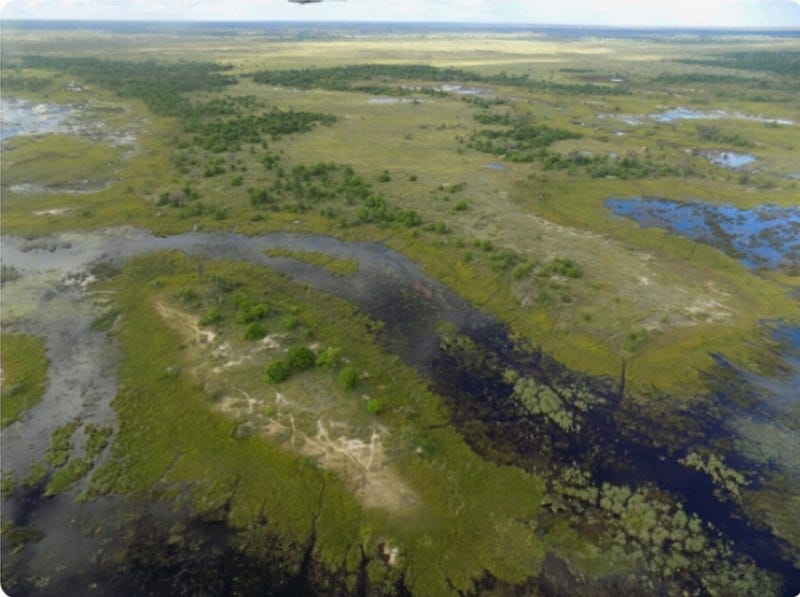
From wetlands I'm moving on to the flooded version where everything is just under water. You can only get access via air or water. It's very remote, raw and wild.
But beautiful.
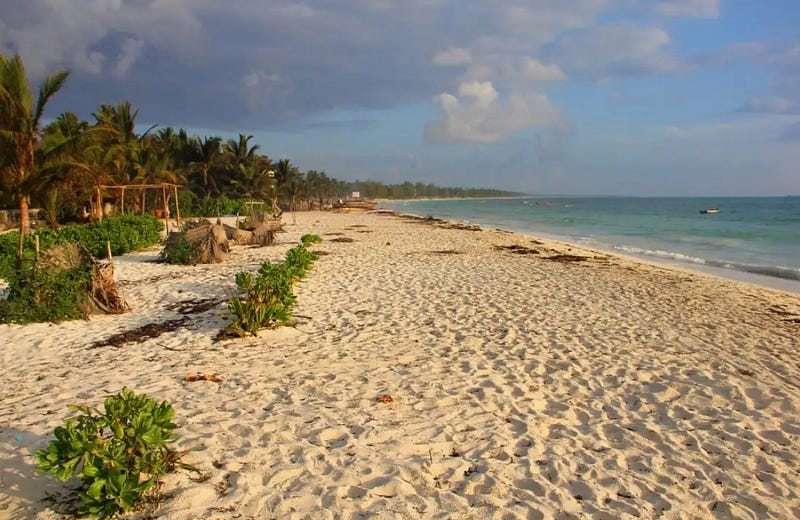
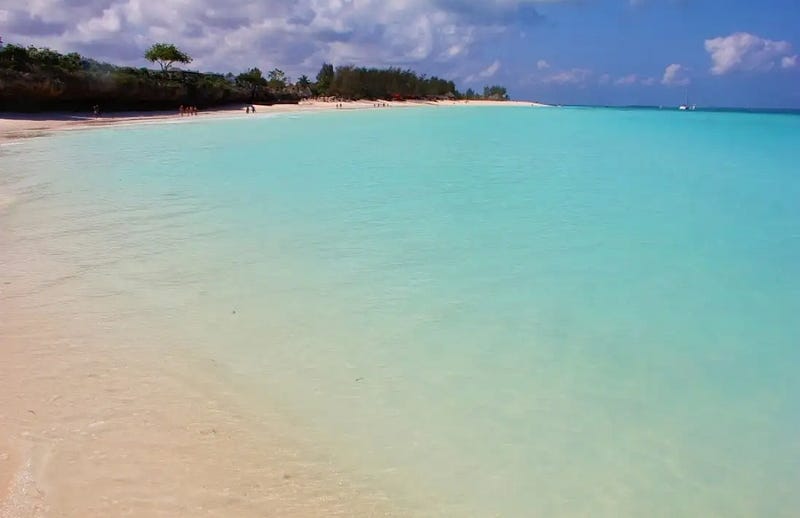
Did I mention tropical beaches?
And yes. Africa does have stunningly beautiful tropical beaches with crystal-clear turquoise blue water. And yes, those were the most spectacular beaches I've ever seen.
Red starfish are displayed on white sand and turtles are swimming in the water.
Were these enough terrains to convince you of the diversity of the African continent? If not, I'll go look for more landscape photographs.
In the meantime, please check these article below for more lovely storytelling from tales on and about the African continent or how Lily Lum described it so nicely:
"The Africa I dream of is Kenya, Zimbabwe and Tanzania. I want to see the red earth and the Serengeti. I want to watch an African sunrise, sit under a makeshift white tent shelter, and enjoy the dry heat." — Lily Lum
And if you'd like to know what it's like to experience the raw Africa as a tourist, give Scott-Ryan Abt's series a go. It's such a fascinating, interesting and entertaining read.
"On top of that, there were no signs, no directions, no other vehicles, no sign of humans on that track. It was exhilarating even though we got bogged down countless times." - Scott-Ryan Abt
This was a writing prompt response on Globetrotters monthly challenge.
Terrains of the World.
Read the writing prompt and submission guidelines below:
Join my email list here if you would like to read more travel essays or sign up for the Medium membership to receive unlimited access to my and other writers’ stories out here (I will receive a commission fee in return).
WordPress | Shutterstock | Instagram | YouTube | Mailchimp | Amazon


