
Forget The Article. Read The Comments!
Want to read unadulterated writing? It’s not in the article, I’ll tell you that much…
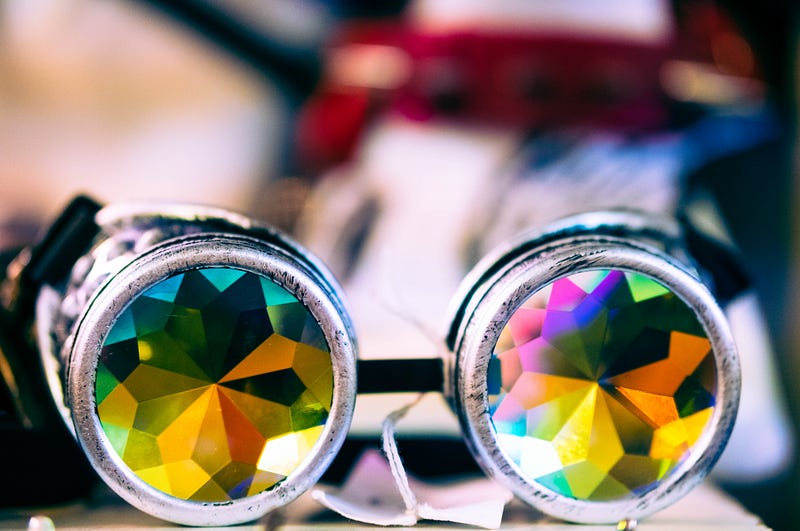
This might sound counterintuitive and a bit of a “wtf” coming from a writer, but it’s true. You see, there is honest writing and there is quality writing. Occasionally, the two overlap, but very often they don’t, and even when the two do overlap, there’s a whole new level of writing in the place you’d never really look for it — in the comments!
This is not a new habit of mine. I’ve been doing it since before the blogging platforms became cool. Whenever I’d read a news article, I’d look to find the comments, and honest to God, more often than not, I’d get more information and entertainment from the comments than the article itself. I think there’s a good reason why. In fact, there’s more than one…
Writer’s bias
One of the most fascinating aspects of being human is having unique experiences, histories, and thus perspectives. Now, I pride myself of being an objective and pragmatic individual, something I desperately try to bring to life in my writing as well. But no matter how much I try, being human will always involve being biased to one extent or another.
Writer’s bias is simply nothing more than a side effect of being human and having lived a life, however short or long it may be. We’re born, we live through certain events, we absorb information through the people who raise us, teach us, our surroundings, through our own curiosity and thirst for information and knowledge. But as fascinating as that is, the world itself is a million times more so, which means we’re incapable of absorbing all of its information, living in all the possible contexts, familiarising ourselves with every perspective out there. We are inevitably going to be biased, even with the best of intentions, and our perspectives will be distorted through the lens of our own knowledge and life experience.
Truly objective and pragmatic writing does not exist. It’s scientifically impossible at this moment in time.
The format
Writing platforms such as Medium are not the place for 30-page research papers. You can sure post them, but good luck finding anyone to read them. Some will argue that even a 5-minute article is too long for today’s “scanning reader”. To that, I say, feck off to Twitter and Facebook and let writers do what they do best — write.
That alone however won’t remove the limitations of the format. Even if you do decide to veer into the extremes and publish a 20-minute read, which you’ll still have an audience for if your first 2–3 minutes are engaging or intriguing enough, going that length will still not allow for a truly exhaustive piece. Not on complex issues, anyway.
Take for instance topics like the current Russian war in Ukraine, climate change, fossil fuels, electric vehicles, energy efficiency in tech, gender identity, accessibility, all of these and a million others effectively need hundreds of thousands of sentences each to even scratch the surface from the various vantage-points there are. A single article can only either limit itself to being very superficial or focus in on just one or two aspects, and even then, you run the risk of not being exhaustive enough.
A good article is merely an educated trigger for a larger conversation, and a point of inspiration for every other voice out there.
This gets me to the point of it all — comments. Subjectivity is often seen as a negative in writing when it in fact it’s one of its most powerful elements in the modern world. One can try to be cognizant that their views cannot be entirely objective, but still own the perspective and invite readers to express their truth, from their vantage points. And this is why comments will take an article so much further than any author on their own could. Comment sections are the melting-pot of experiences, views, stories, and contexts that no writer could ever dream of coming up with by themselves.
Comments are a kaleidoscope of information, feelings and writing styles. It’s the most democratic form of writing.
Attila Vago — Software Engineer improving the world one line of code at a time. Cool nerd since forever, writer of codes and blogs. Web accessibility advocate, Lego fan, vinyl record collector. Loves craft beer!


