

Travel
Exploring California’s Cultural History Through Its Santa Ana Street Art
A rich tapestry of people and heritage depicted in paint
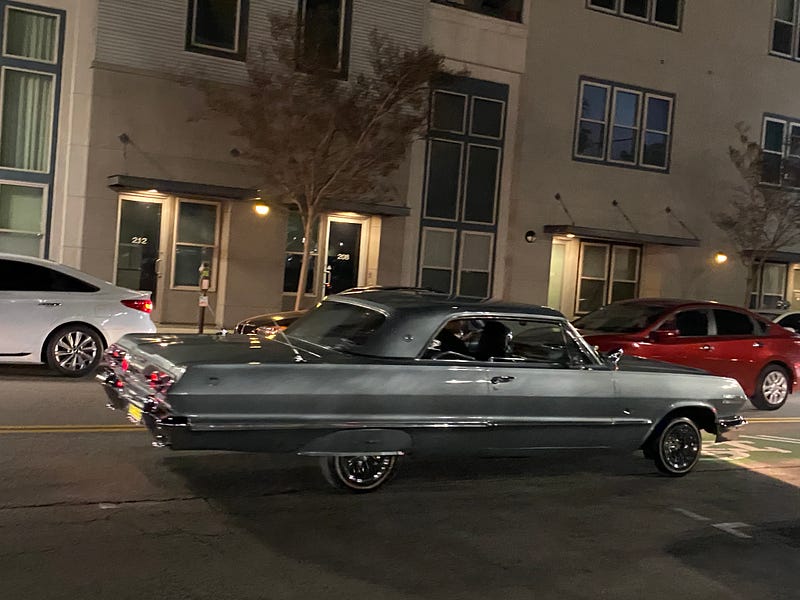
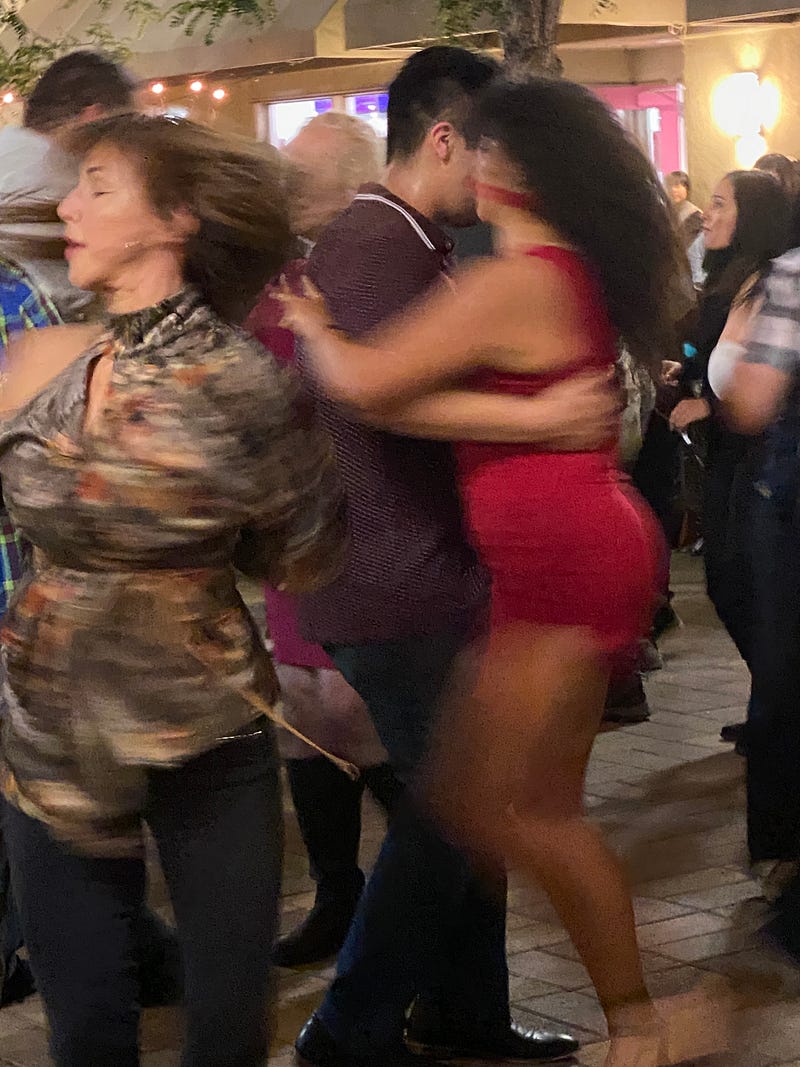
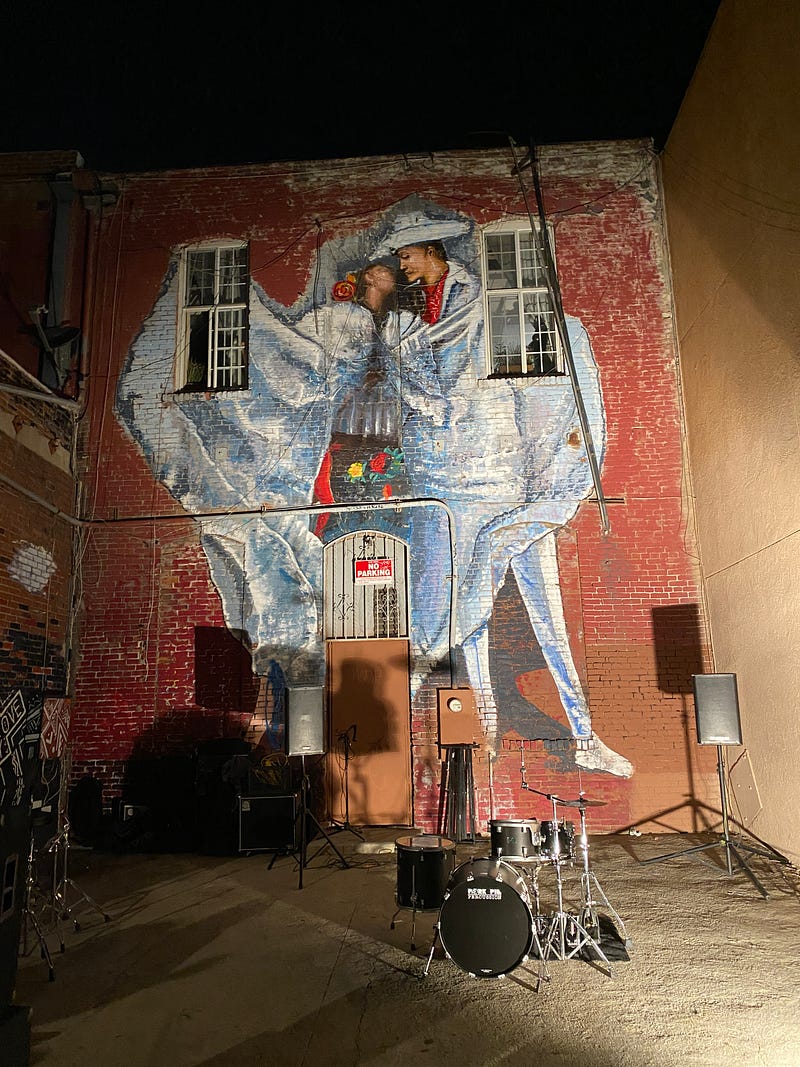
The swoosh of salsa dancers’ skirts, the slightly greasy-smelling waft of tacos and tamales being sold from a cart, the impatient throttle of a muscle car parading its way down Main Street—in my mind, these form the character of downtown Santa Ana, in Orange County, California.
Although still filled with elegant old houses and historical markers, this area had fallen into disrepair and had developed a reputation for being filled with gangs and being a bit unsafe, until a decade or so ago, when the artists began to move in. Now, it seems like everywhere you look, the walls are covered with murals. And the area is home to many artist studios.
Most of the houses have since been dolled up, and a stroll through downtown is like a walk through the yesteryears of California.
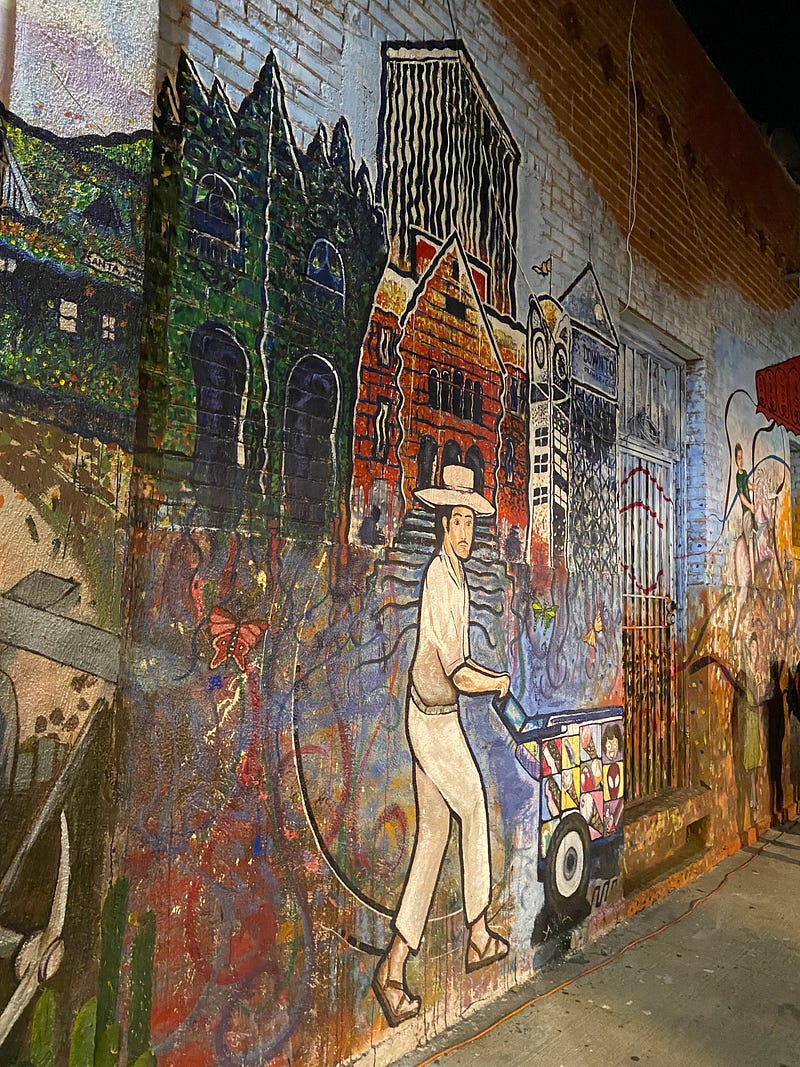
Although we, Californians, don’t have buildings or castles dating back to the Middle Ages here, we do have a rich history of inhabitants, whose cultures have blended and been woven together into a rich tapestry of humanity.
The Chumash Indians (and many other tribes who lived more inland), and their ancestors walked the earth and fished the waters here along the coast as long ago as 11,000 years ago. They flourished in villages along the sea and were known for their beadwork of shells.
The Spanish arrived in the 1700’s. Legend has it that the missionaries sprinkled mustard seeds along their route up the coast to mark their way. You can still find traces of the “El Camino Real” in many Californian towns, including Santa Ana.
Mexico seized control of “Alta California,” (the area north of Baja — which is still a part of Mexico), eliminating the mission system, and held the territory from 1821 until 1847. Then, with the Treaty of Guadalupe Hidalgo, America acquired California for the price of $18,250,000.
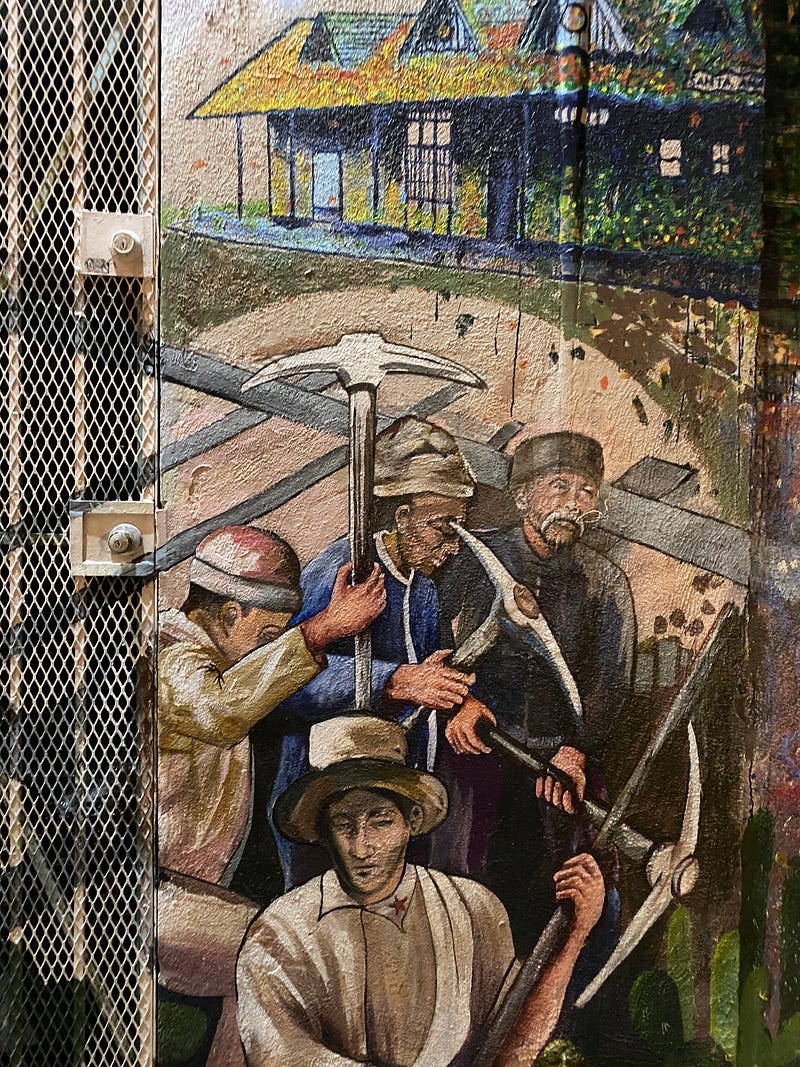
In 1848, just after California became a part of America, the discovery of gold at Sutter’s Mill brought a new influx of hopeful immigrants, the “forty-niners,” of all sorts of different nationalities to California.
After the Gold Rush, agriculture began to flourish. Waving fields of wheat and barley came first. But these crops soon gave way to citrus. If you’ve ever wondered where Orange County got its name — here is your answer.
When I first moved to Orange County, in 1990, my husband and I would ride our bikes through rural roads bordered by fields and fields of orange trees. Our first house backed up to an orange grove. The smell of orange blossoms drifted on the breezes every spring.
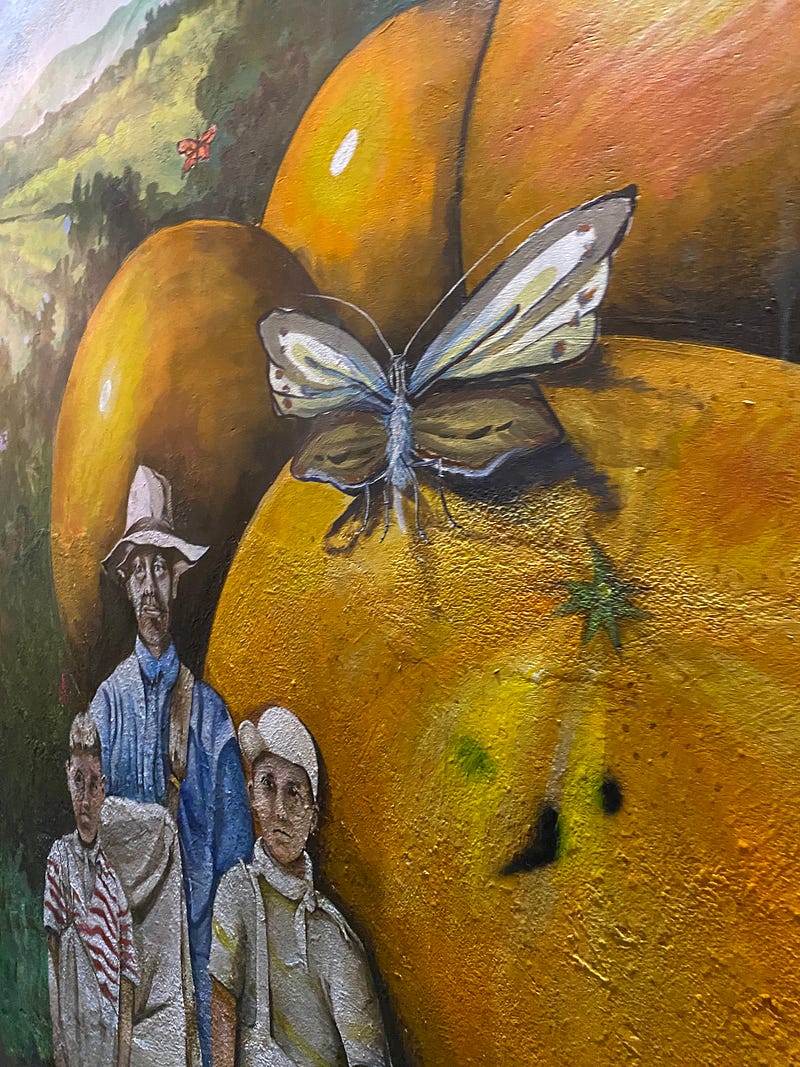
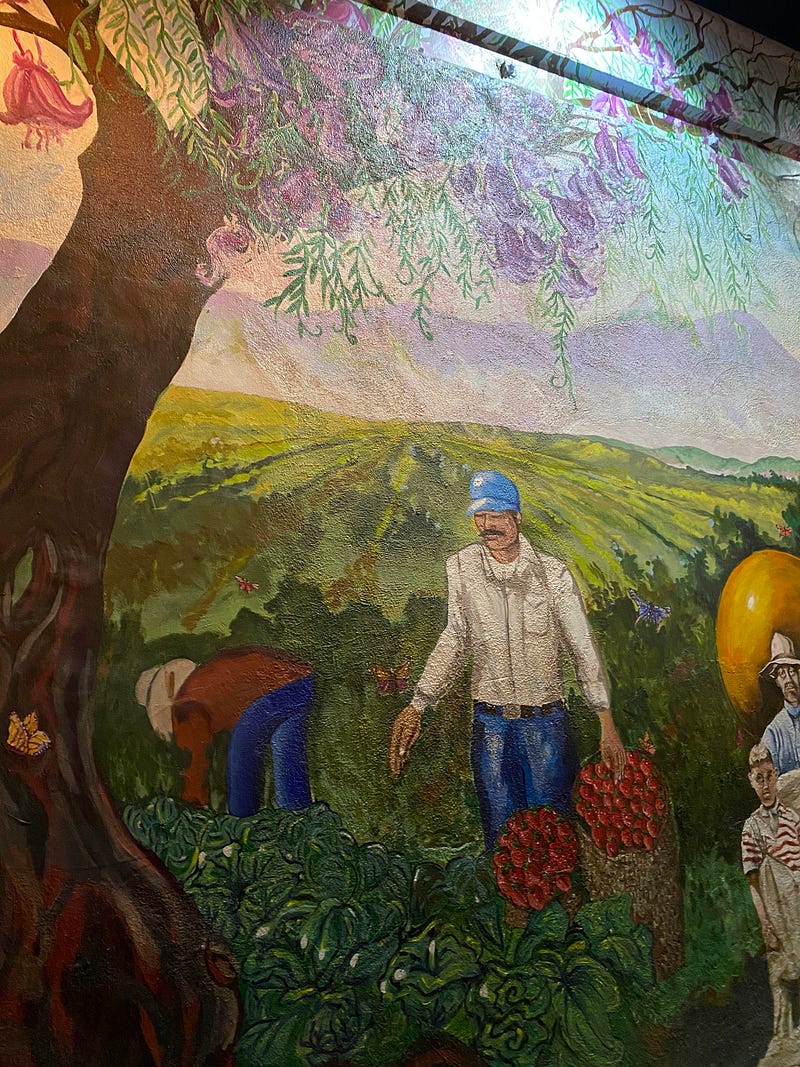
Santa Ana became the county seat in 1889 and has gone through many metamorphoses — from orange-packing warehouses to a thriving art scene.
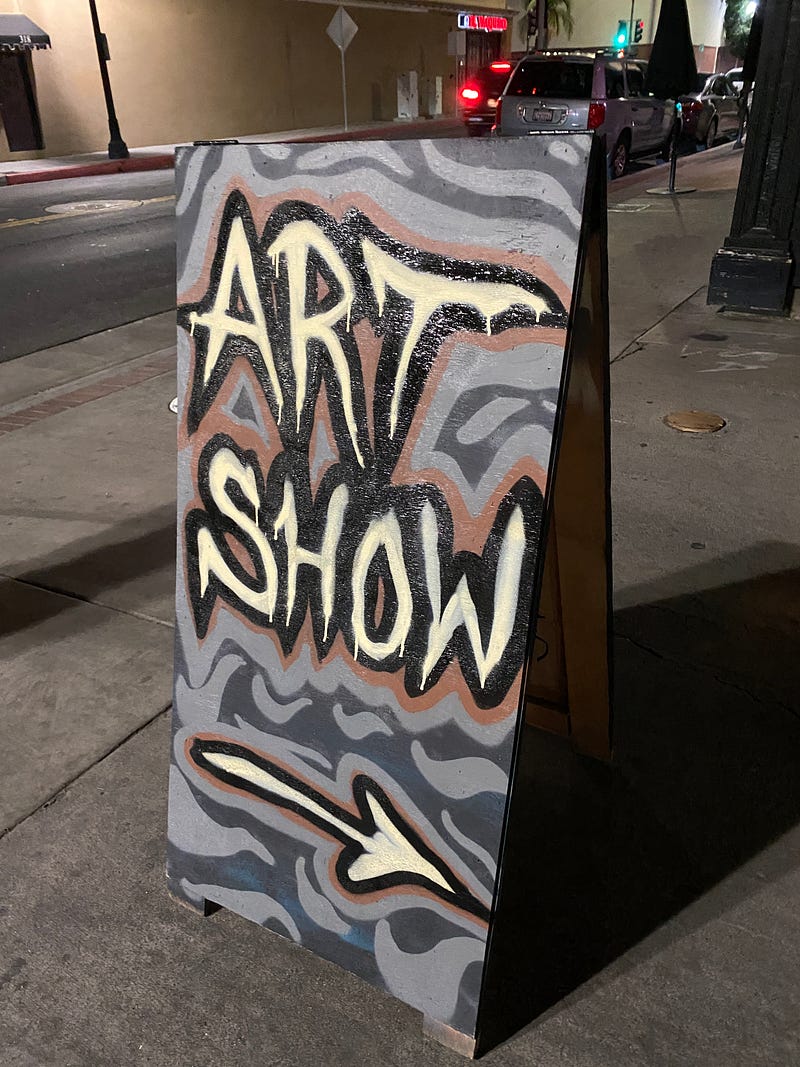
Today, if you visit on a Saturday night, you’ll find quite an assortment of very hip new restaurants as well as “Salsa Nights” in the town square.
Just around the corner from the music and dancing, you’ll often find local musicians performing in the streets.
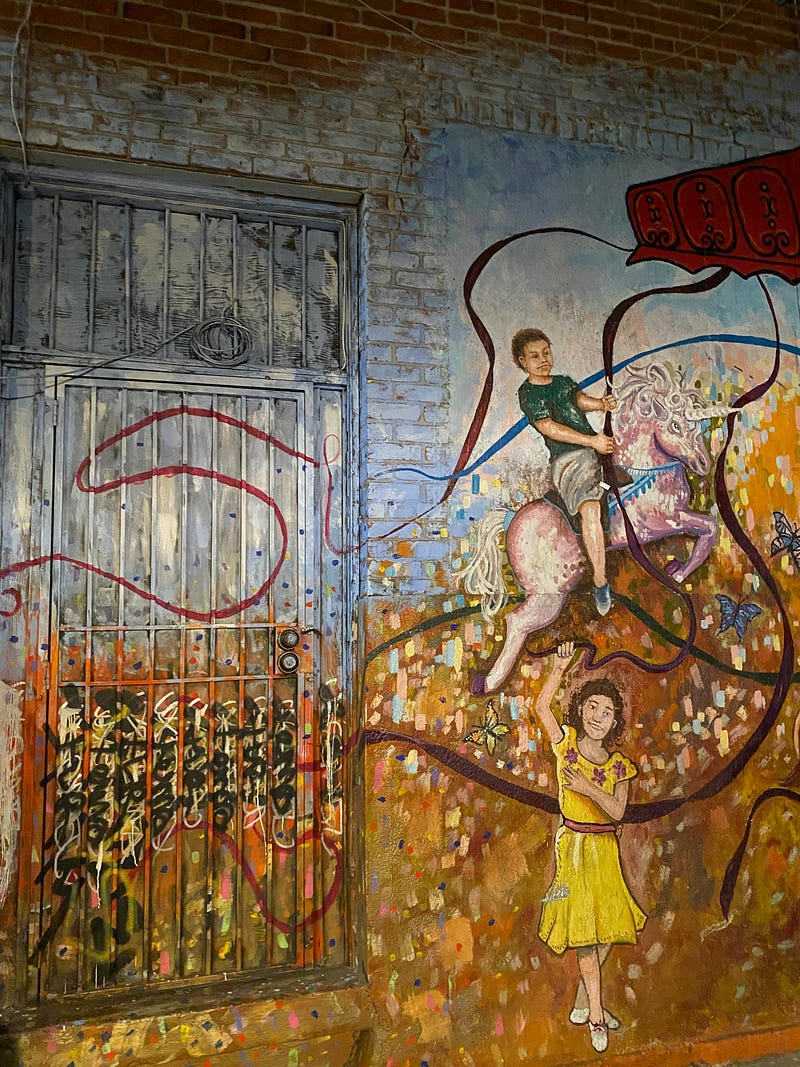
Here, children dance with ribbons and a pink unicorn.
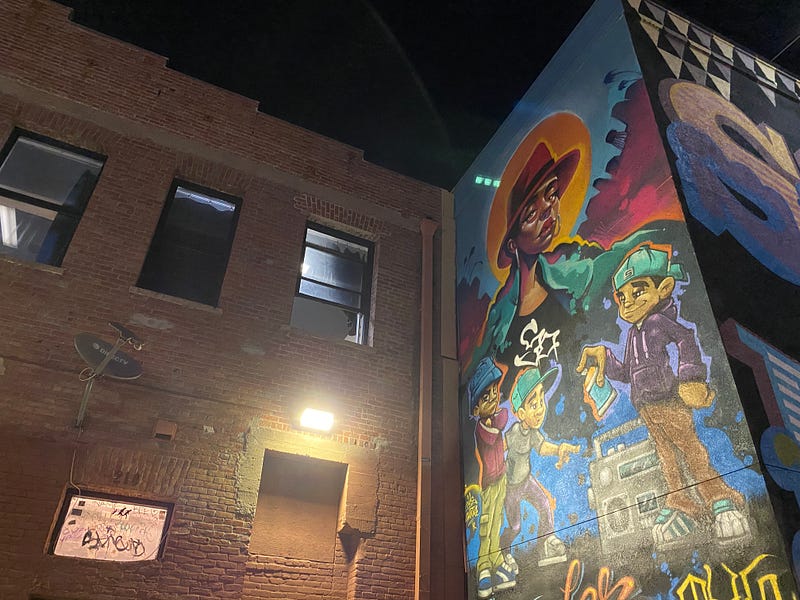
In this next one, the kids groove to the beats coming from an old “boom box.”
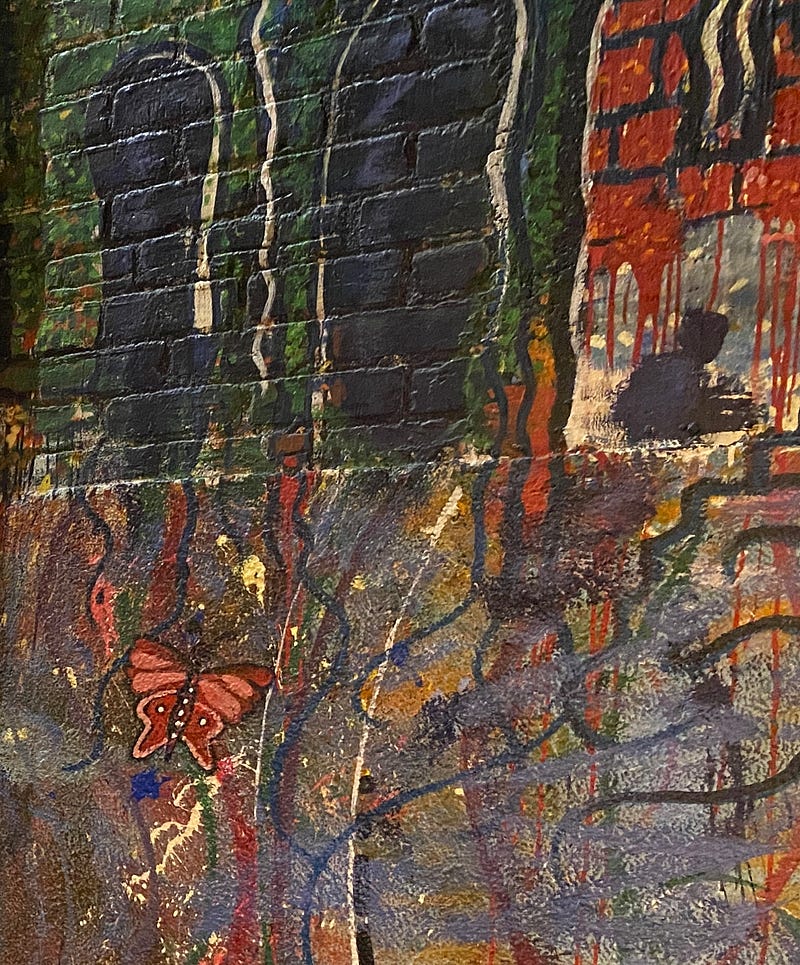
Everything in life is destined to eventually change. And the re-birth of the historical city of Santa Ana both shows the grit of its early years and, also, a new and bright vision of the future. It’s worth a visit.
Erika Burkhalter is a yogi, neurophilosopher, cat-mom, photographer, and lover of travel and nature, spreading her love and amazement for Mother Earth’s glories, one photo, poem or story at a time. (MS Neuropsychology, MA Yoga Studies).
Thank you to the editors at Globetrotters (JoAnn Ryan, Anne Bonfert, Jillian Amatt — Artistic Voyages, Adrienne Beaumont, Michele Maize) for this month’s challenge on “Street Art:”
I have enjoyed reading some of the other street art pieces this month by Mario López-Goicoechea:
And also by Mystery Train:
If you enjoyed this piece, you might consider subscribing to my stories. You’ll get an alert whenever a story gets published.
Photos and story ©Erika Burkhalter. All rights reserved.