Travel & Photography
Exploring and Learning About the Wonder of the Snake River and Idaho Falls
Are waterfalls any less majestic if they are not exactly natural?
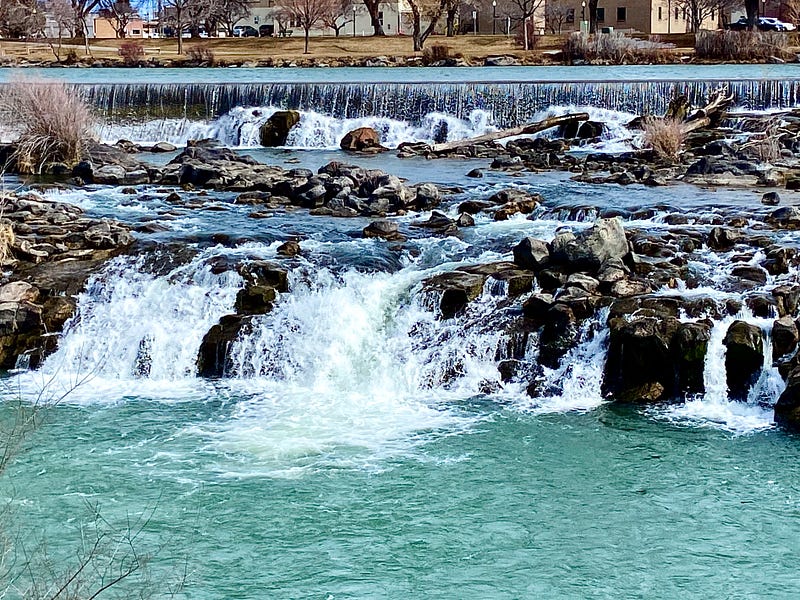
Perhaps the most fascinating aspect of nature is that it’s been here for millions of years — long before we modern species of humans walked the Earth. With any luck, it will continue to go on for millions of years after we have passed on.
Once we humans did come along though, nature would never be the same, would it? We had to find ways to control it and harness its power. Just about every region of the world has their examples — some more notable than others — of human intervention, whether it be shipwrecks at the bottom of the ocean or antenna towers on the top of a mountain. Buildings, cars, houses, bridges, and everything in between — modern marvels and catastrophes small and large. Like it or lump it. This is our world.
For just one great example, check out Anne Bonfert’s recent article about the not-so-romantic love locks on bridges.
Here in the Pacific Northwest, another example can be seen in how much the Snake River has been dammed (literally by building numerous amounts of dams) and otherwise manipulated to serve our needs. Is it such a bad thing? Perhaps not always, but it can be — and it certainly is a topic of ongoing debate throughout the region, as, for instance, talk of removing some of the dams along the Snake River is ongoing.
Currently, at just over 1,000 miles in length starting in Yellowstone Park and dumping into the Columbia River in Washington, the Snake River hosts 22 dams. This does indeed seem like a lot.
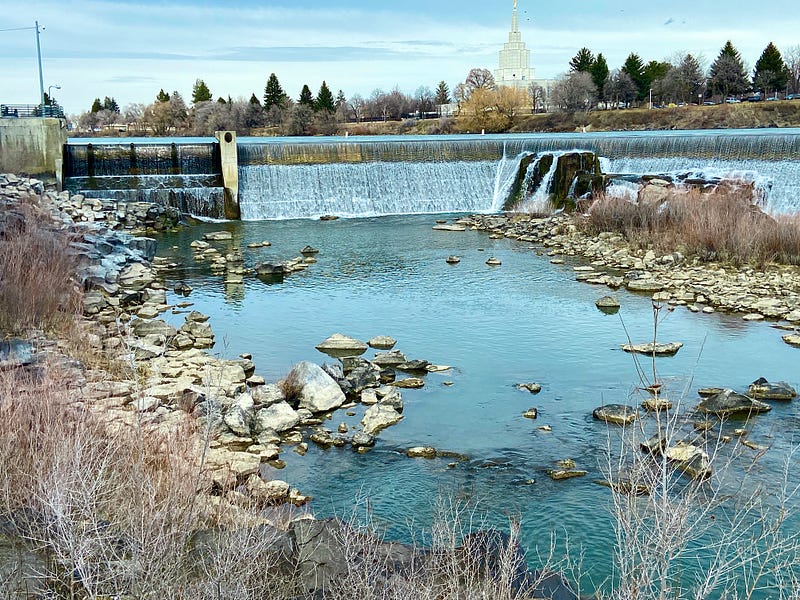
Such thoughts played at my mind on my latest visit to the eponymous Idaho Falls in Southeastern Idaho, the location of a system of Snake River dams and accompanying waterfalls. My heart and mind both feel full and at peace as I stroll along the majestic cascades of water. Watching as the powerful flow is constantly churning, flowing, and changing. Pools, eddies, and tiny whirlpools forming and releasing in the rapidly forging current. Plunging over rocks, small cliffs, and manmade concrete structures.
The sound alone is invigorating enough, and I’ve often said I wouldn’t mind sleeping here along the shore somewhere with the roar of the crashing water and the slight breeze from the mighty force teasing at my skin, it would literally be like lulling a baby to sleep.
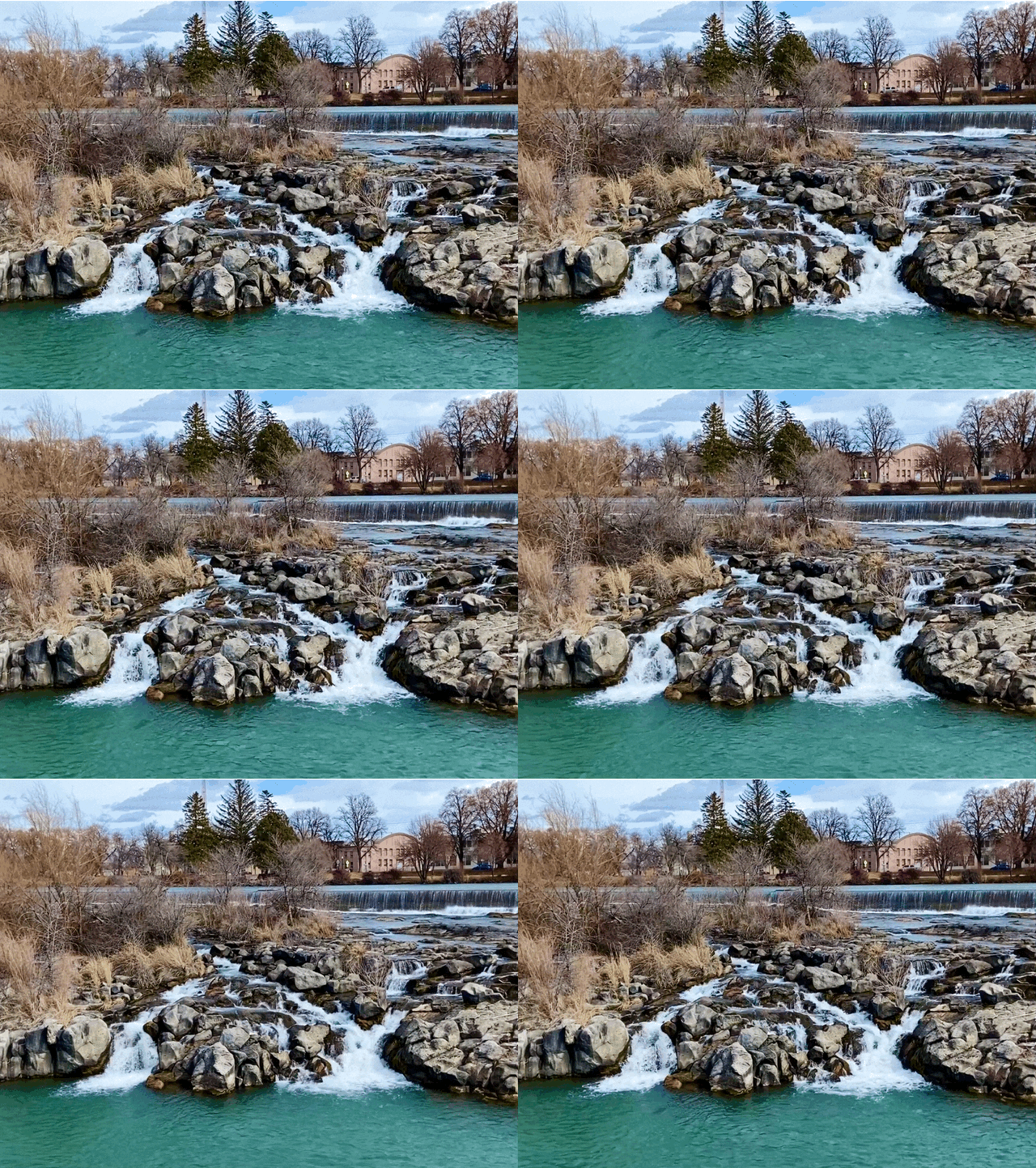
I really shouldn’t be so flip about things, though, as I think of the many people who’ve lived, worked, and camped along these shores, some as a form of recreation, others out of necessity, being down and out and without a steady home.
I think about how this place might have looked so many years ago, before humans came along — slowly forming and evolving — glaciers, volcanic activity, flooding, the moving of plates of land to form mountains like the majestic Tetons just over the Idaho border into Wyoming, and other sources of wonder like Hell’s Canyon on Idaho’s western border.
And when the first settlers began to move in with their often nomadic way of life —the Clovis, Folsom and Plano peoples and then later on predominately the Shoshone, who were sometimes referred to as the Snake Indians and thus gave the river its name. And a fitting name it was considering the river’s coiled, hissing, and meandering qualities.
According to this nice little write up by Jeff Carr for Idaho Falls Magazine “Life Along the Snake”:
When Osborne Russell, a trapper, first arrived in the area in 1834, he wrote, “This is the most lonely and dreary place I think I ever saw.”
Ok then.
But then gold struck and like a lot of other places in the Western part of the United States, the place began to be overrun by greedy white people. Not everyone was so greedy, as some came merely to flee the crowded cities or to practice religious freedom or to farm the potatoes that would soon become famous throughout the world, but perhaps just as selfish and gluttonous. Not asking to move in and share but just taking and taking, by force when necessary.
No doubt, it would have looked much different at each of these times. I close my eyes and try to imagine it all as I hear the water splashing and coursing onto the rocks and the riverbed below. Horses, carriages, boats, cars, and the first bridges being built over the Snake River.
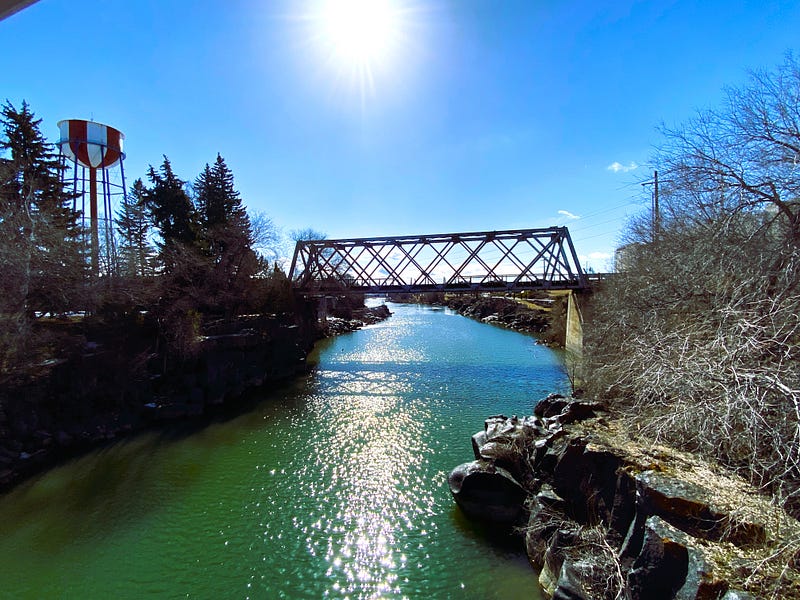
Currently, the way the Snake River area of Idaho Falls appears today began in the early 1900s. The town had recently changed its name from Eagle Rock to Idaho Falls, which seemed far more attractive. The first mayor of Idaho Falls, Joseph A. Clark promised he would bring public power to the city and facilitated the installation of a small turbine generator for $4,650.
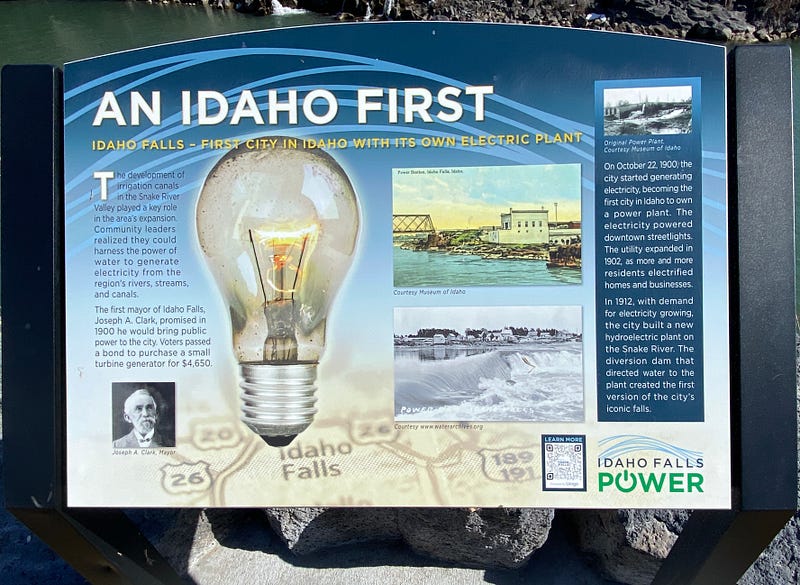
A few years later, Mayor E.P. Coltman desired to build a hydroelectric power plant in order for the town to receive electricity at a relatively inexpensive cost. Having unfortunately passed away beforehand, the work saw itself to fruition under the direction of Mayor Bowen Curley and with the help of local builder W.W. Keefer.
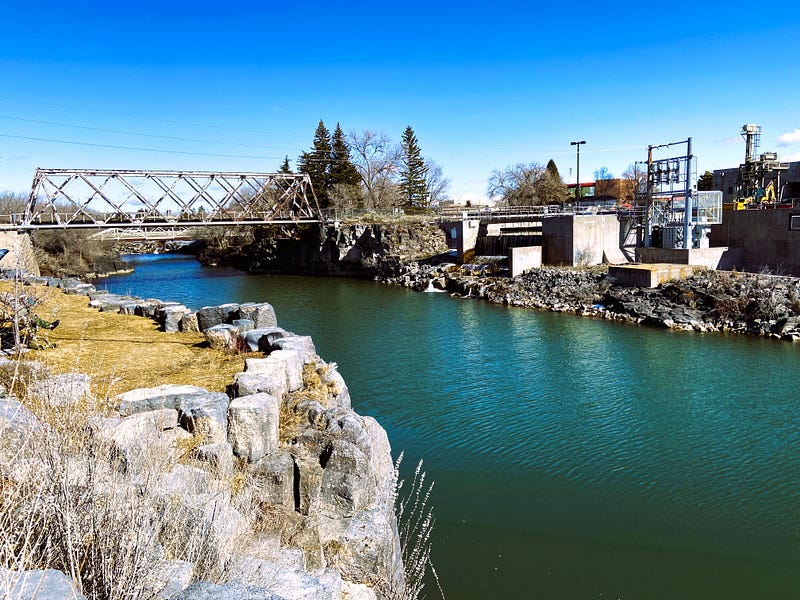
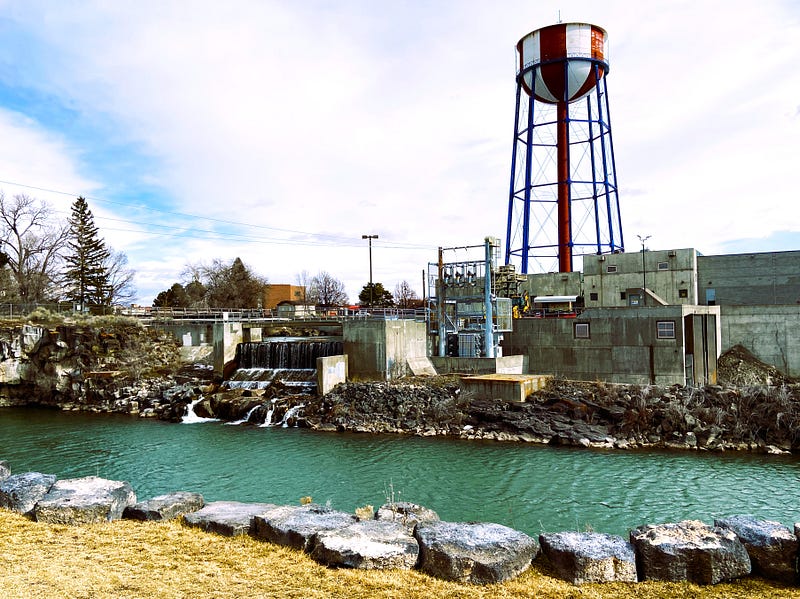
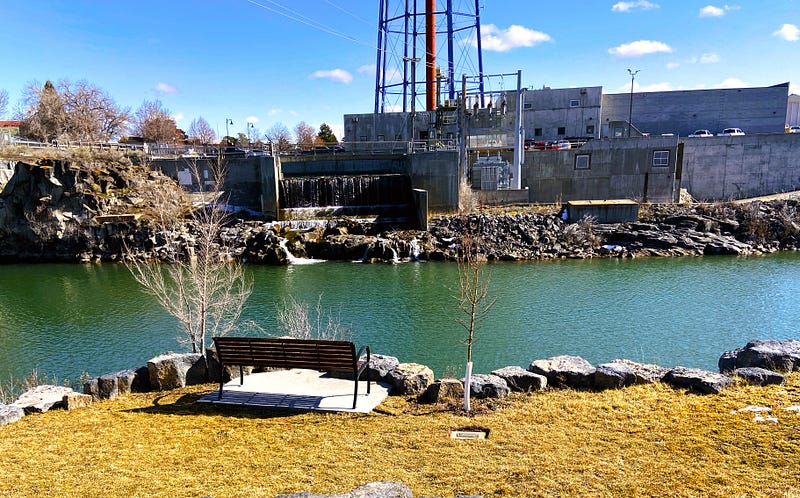
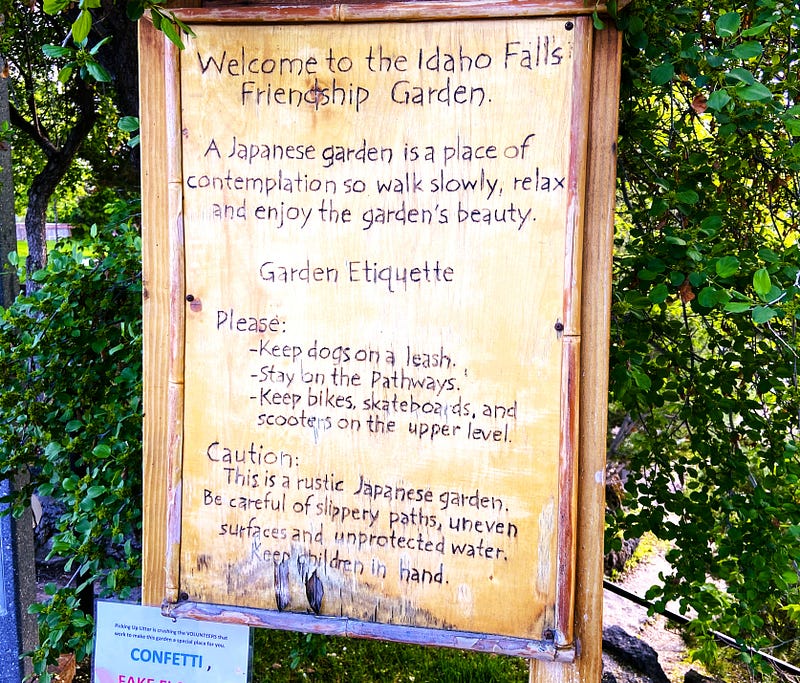
Over the years, with many updates and additions, this is what the power plant area looks like today, with a beautiful Japanese Friendship Garden nearby in honor of the sister city of Idaho Falls, Tokai-Mura in Japan.
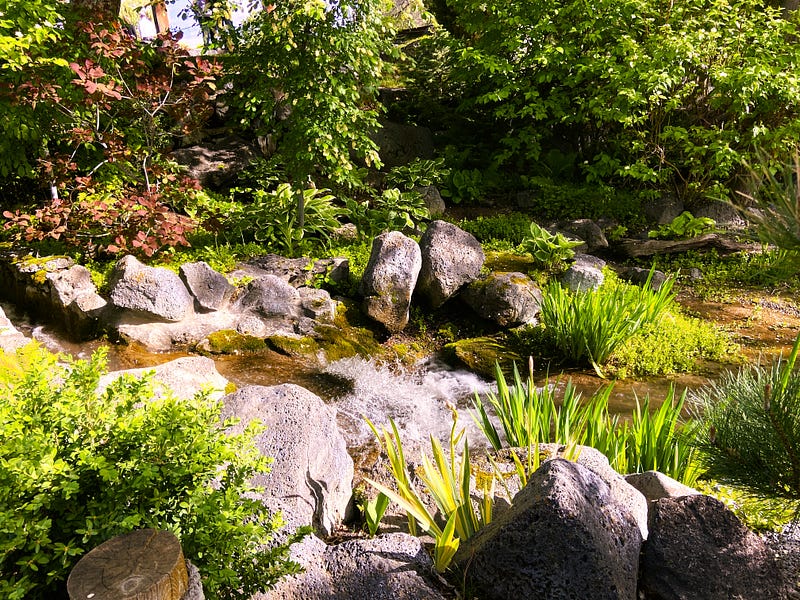
However, with regard to the falls specifically, the way they look today is the result of reconstruction efforts done after the devastating Teton Dam failure in 1976, a major dam on the Snake River which broke and flooded many of the areas downstream.
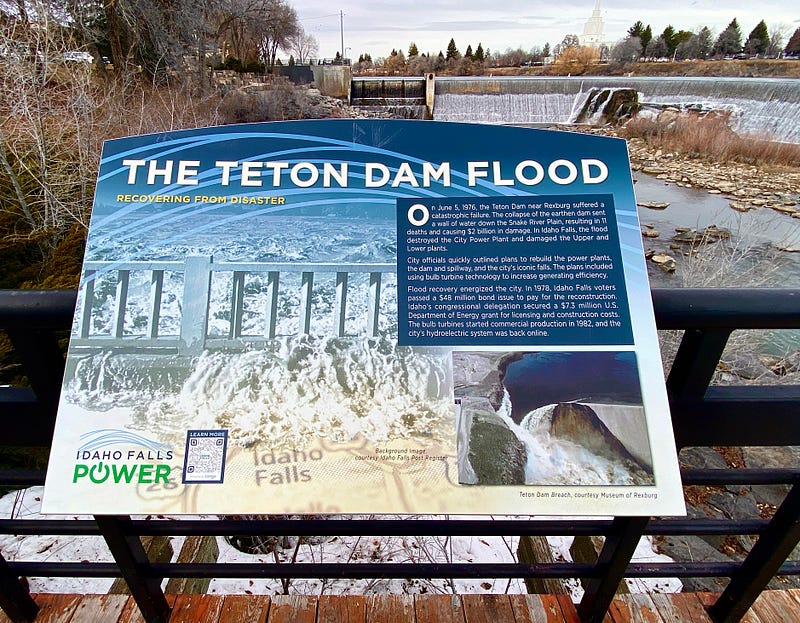
Locals of a certain age often still talk about this dam failure as if it happened yesterday. Now that I’m nearing the age of 50, and have many years behind me, I certainly understand. For instance, I still remember the Oklahoma City bombing and 9/11, in many ways, like they both happened yesterday as well. Isn’t this just a strange feeling, when something seems like it took place both long ago and at the same time feels like it just happened.
One thing that is a bit confusing, perhaps, is that the city and the falls have the same name. How to differentiate between the two? Often, when people say Idaho Falls, what they really are referring to is the city itself. When referring to the falls, with its picturesque walking paths and places to sight-see, well, many locals simply refer to the area as the greenbelt.
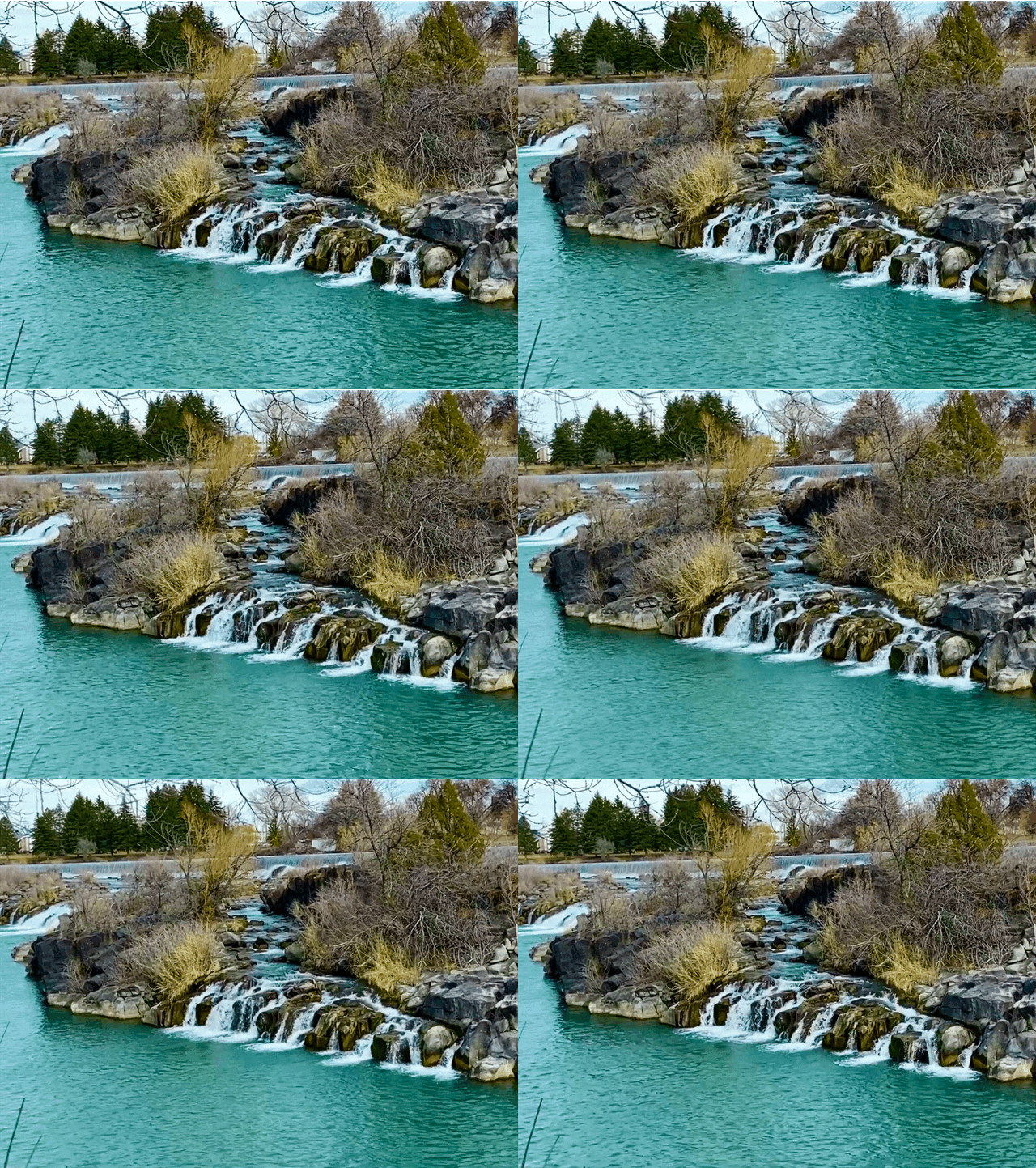
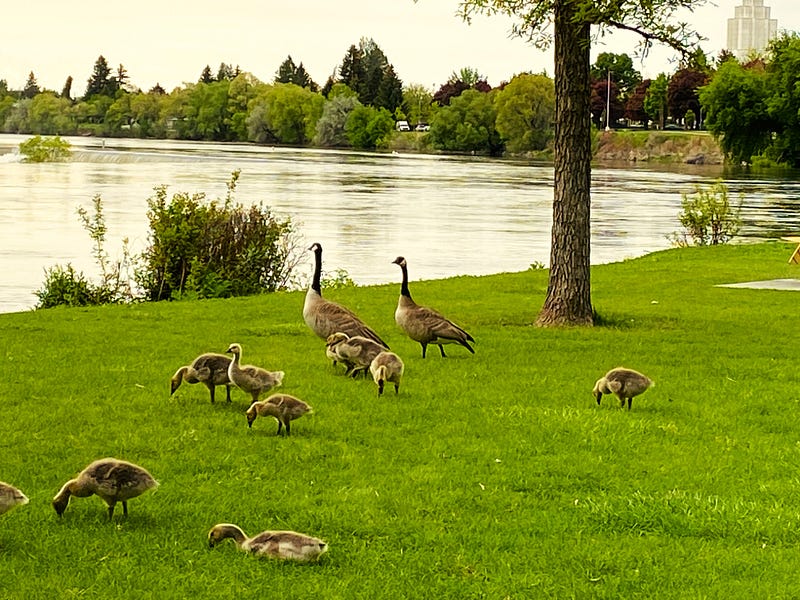
Whatever you call it, it’s become a popular place for visitors and locals alike to hang out and just enjoy nature, including the ducks and geese that call the river home. There are many trails to explore, boat docks to launch your river vessels, and interesting memorials and gardens to check out. Every Independence Day the city hosts a fireworks celebration along the falls and during the summer there is a popular farmer’s market every Saturday.
I think it’s safe to say that most of us travelers, while taking the time to marvel at the vast world around us and see just as much of it as we possibly can, often have a tendency to take the wonderment that exists right in our own backyard for granted. Perhaps, too, as we get older, we just have a natural proclivity to stop and appreciate more of what we see in general, whether it’s in our own backyard or not.
For sure, all this I’ve just written about lies only around twenty-five miles from the hospital where I was born and the area where I grew up. Crazy how much I never knew and took for granted until just recently when I decided to learn more about the Idaho Falls area.
And, at the end of the day, does it really matter if man helped form these falls. After all, if man was indeed formed by nature, then isn’t it just one giant connected mass? Arguable, I know.
What isn’t arguable is how enjoyable it is to check out the Idaho Falls greenbelt area. You won’t regret it.
This story was written as part of the March challenge on waterfalls here at Globetrotters. Can you write an interesting, engaging, and informative travel story about waterfalls?
Many of our writers in the past have written about various waterfalls around the world and they are always fun and interesting to read. Check out these two: