
Even Adam Sandler needs therapy
Adam Sandler built a comedy empire on the back of a special kind of immature — but wildly beloved and successful — goofiness.
Like a lot of comedians, however, he has a darker streak that has taken some managing over his lifetime.
That has probably contributed to a range that has allowed him to thrive in dramatic roles as well, most recently in Hustle and the deeply stressful Uncut Gems.
I grew up with the really funny, early Sandler movies like Happy Gilmore and Billy Madison (I’m 41 years old), however. He was a young man in those earlier pictures, and Sandler definitely showed some manic anger and impulsivity in back then.
With my impressions of Sandler set back in the 1990s, it was kind of amusing to come across a cover story featuring the now 56-year-old actor in AARP The Magazine.
It was especially so given he rarely gives interviews, but I later found out that AARP is the largest circulation magazine in the United States so if you’re going to talk to anyone, you could do worse!
AARP caters to the over-50 crowd, and it actually produced an interesting interview with Sandler about aging and his own approach to psychology.
He has clearly mellowed with time, but that doesn’t mean he doesn’t need to manage his brain the same way we all do.
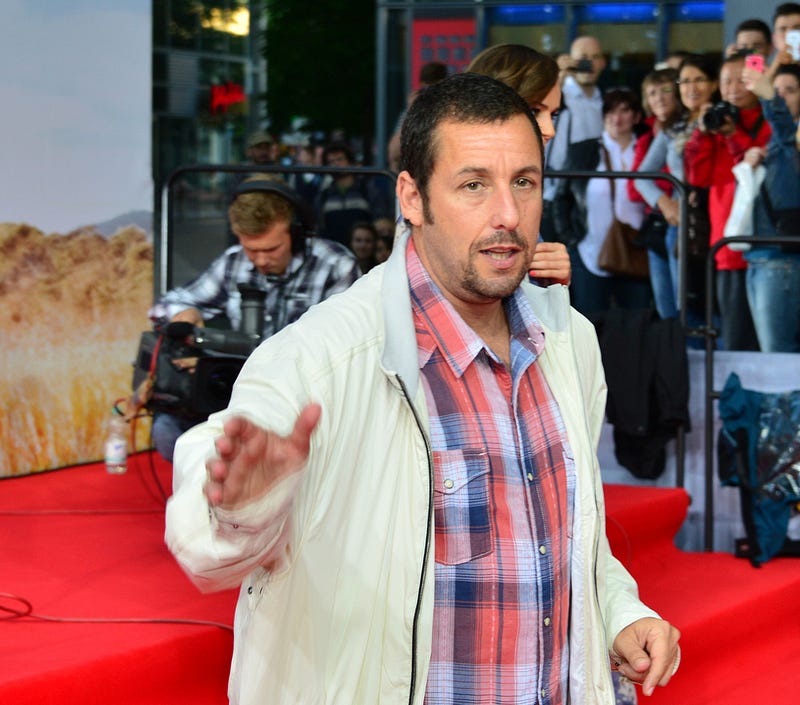
Age brings wisdom
Asked about the difference between Sandler in his 20s and Sandler in his 50s the actor told AARP:
“I’m calmer than I used to be. I used to go nuts. I had a quick temper, quick reactions. I made a lot of dumb mistakes and said a lot of stupid things. Looking back on relationships, I could be an ass. I was selfish.”
He actually credits going to therapy for helping to manage that high-octane personality and reducing his need to be overly competitive with his comedy peers.
“Well, I talk to a shrink sometimes,” Sandler explained. “He’s given me a plan. Sometimes just holding in a sentence, taking a beat for a minute before saying something stupid.
“When I do that, I realize it wasn’t that important to say it in the first place, and I don’t spend two hours making everyone around me feel weirdness for no reason.”
Man, I feel this. I think my own impulsivity and quickness to speak is one of my personal failings, one that — like Sandler — I’ve gotten better at managing with age … but it still slips here and there.
As an ADHD person, I have so many thoughts rattling around in my brain at 100 miles per hour at all times that sometimes one or two will escape the filter and I’ll look back later and think, “huh, I think I may have sounded like a dick when I said that.”
I’m pretty hard on myself, but I think this article is a good reminder: you can be a famous actor, have everything in the world, and it’s still draining as hell sometimes managing your own brain and emotions.
Even Adam Sandler needs therapy sometimes!
Hey, thank you so much for reading this article all the way to the end! If you enjoyed it, please give it a clap (or hold down the button for more if you really liked it) so others can find it!
My latest posts:
- Are you ashamed to be sober?
- I quit alcohol for one month and my side hustle income exploded
- Lily Allen is now 3 years sober, fit, and singing again
- My 12-year-old just demonstrated the secret to massive success
My most-read stories:
- The one priceless book that kicked off my sobriety journey
- The time alcohol trapped Gwyneth Paltrow *NEW TO THE CHART*
- Why I finally decided to quit drinking alcohol
- What musician James Taylor taught me about sobriety — and myself
- It’s hard to stay fit while drinking alcohol — just ask AJ McLean
Have you found Medium via this story but aren’t yet a member? Did you know membership starts at just $5 a month (and you can cancel any time)? There’s no risk and you get access to all Medium has to offer. To continue reading stories like this and give me a ‘lil kickback, please consider supporting this publication directly by using my link to sign up! You can also leave a tip using the button below if you enjoyed this article!


