
Empathy and Kids
Empathy is the ability to understand and share the feelings of others.
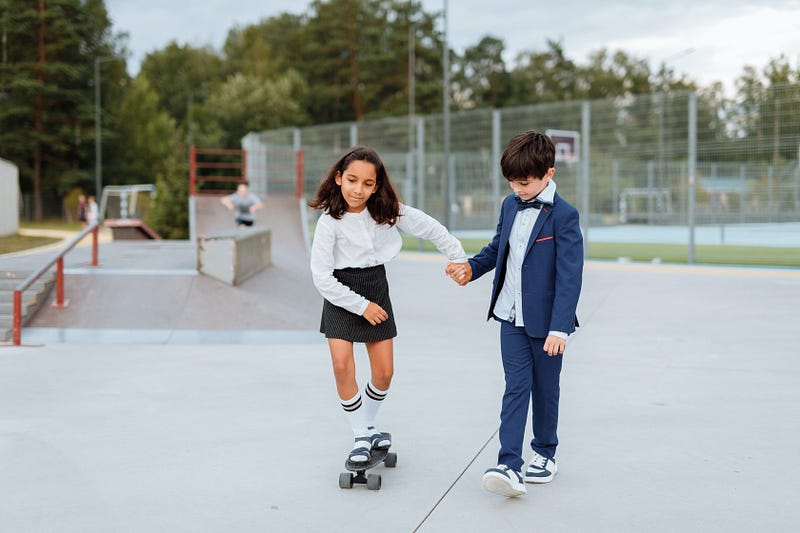
Empathy is a vital skill that enables us to connect with others, build relationships, and navigate the social world. The development of empathy begins in early childhood, as young children learn to recognize and respond to the emotions of others. Through play and social interactions, preschoolers learn to develop empathy, which lays the foundation for healthy emotional and social development.
During the preschool years, children begin to develop a deeper understanding of emotions. They learn to recognize different facial expressions and understand that different emotions can be associated with specific situations or events. For example, a child may learn that a sad face usually means that someone is upset or unhappy, while a smiling face usually means that someone is happy or pleased.
As children become more aware of emotions, they also become more adept at expressing their own emotions. They learn that it is okay to feel sad, angry, or frustrated and that it is important to communicate these feelings to others. Through play and social interactions, children also learn to regulate their emotions, recognizing when it is appropriate to express their feelings and when it is better to wait or find a more constructive way to express themselves.
At this age, children also learn to respond to the emotions of others. They learn to comfort a friend who is upset or to celebrate with someone who is happy. This process of responding to the emotions of others is essential for developing empathy. By recognizing and responding to the emotions of others, children learn to connect with others and build meaningful relationships.
Play is a critical component of the preschooler’s emotional and social development. Through play, children learn to explore and express their emotions in a safe and supportive environment. Play also provides opportunities for children to practice empathy, as they engage in cooperative play and imaginative play scenarios that require them to take on different roles and perspectives.
In addition to play, social interactions are another key component of preschoolers’ emotional and social development. By interacting with peers, teachers, and other adults, children learn to navigate the complex social world around them. Through these interactions, they learn to understand and respond to the emotions of others, developing a deeper sense of empathy.
In conclusion, the development of empathy is a critical component of preschoolers’ emotional and social development. Through play and social interactions, children learn to recognize and respond to the emotions of others, building a foundation of empathy that will serve them well throughout their lives. As they grow and mature, this foundation will enable them to connect with others, build meaningful relationships, and navigate the social world with confidence and compassion.

If you enjoyed this article and would like to support me while becoming a medium member and being able to read unlimited medium, Please consider becoming a member via my affiliated link:



