avatarHenrique Centieiro & Bee Lee

Free AI web copilot to create summaries, insights and extended knowledge, download it at here

7887

Abstract

wed users to access emojis directly from their mobile phone keyboards.</p><p id="1887">Over the next decade, Unicode has gradually added several hundreds more emojis to their list — from taco to policewoman, and different skin tones to same sex couples, and even <a href="https://emojipedia.org/pregnant-man/">pregnant men</a> 🤦🏽‍♂️ due to the increasing culturally-sensitive demands globally.</p><p id="0c03">You can also propose a new emoji to be added on Unicode: <a href="https://unicode.org/emoji/proposals.html">https://unicode.org/emoji/proposals.html</a></p><p id="69e0">If you’re interested, you can check the <a href="https://www.unicode.org/emoji/charts/emoji-list.html">most recent emoji list (V. 15) here</a>. And the <a href="https://www.unicode.org/emoji/charts/emoji-proposals.html">list of emojis that were proposed by people across the globe here</a>. They’re fun!😄</p><p id="da05"><b>📌Do you know one of the emojis actually won an award in 2015?</b></p><p id="5524">Believe it or not, the emoji “😂” was the Oxford Word of the Year 2015:</p><figure id="6a1b"><img src="https://cdn-images-1.readmedium.com/v2/resize:fit:800/0*MwbvD9gW9-Pd4dDN"><figcaption><a href="https://languages.oup.com/word-of-the-year/2015/#:~:text=The%20Oxford%20Word%20of%20the%20Year%202015%20is%E2%80%A6&amp;text=was%20chosen%20as%20the%20'word,the%20word%20emoji%2C%20increase%20hugely.">Source</a></figcaption></figure><p id="4b48">The reason “😂” was chosen, according to the Oxford Languages <a href="https://languages.oup.com/word-of-the-year/2015/#:~:text=The%20Oxford%20Word%20of%20the%20Year%202015%20is%E2%80%A6&amp;text=was%20chosen%20as%20the%20'word,the%20word%20emoji%2C%20increase%20hugely.">website</a>:</p><p id="b5d2"><i>It was the most used emoji globally in 2015. “</i>😂<i>” has made up 20% of all the emojis used in the UK in 2015, and 17% of those in the US: a sharp rise from 4% and 9% respectively in 2014.</i></p><p id="8aae"><b>📌What’s the cultural difference in using emojis?</b></p><p id="d03d">During the late 1980s and 1990s, different styles of emoticon gradually developed across the globe, due to the different keyboard characters available globally.</p><p id="2885"><b>The Eastern Style (Asia) — Faces of the emoticons appeared vertically:</b></p><figure id="d94d"><img src="https://cdn-images-1.readmedium.com/v2/resize:fit:800/0*JHXEpmgp213EDiR5"><figcaption></figcaption></figure><p id="a385"><b>The Western Style (Europe, America) — Faces of the emoticons appeared sideways:</b></p><figure id="5ba2"><img src="https://cdn-images-1.readmedium.com/v2/resize:fit:800/0*Up_9qBLpl5vRbgRH"><figcaption></figcaption></figure><p id="649e">And for the emojis we use globally today, there are still some slight cultural differences in the usage.</p><p id="ce82">The smiley face emoji “🙂”, is one of the most significant examples. While it means “happiness” in the Western culture, it is widely used for expressing sarcasm or disregard in China. The explanation is, when you take a close look at the eye of the “🙂” emoji, the muscle around the upper eye corner and around the mouth do not move, which is a sign of “fake/ pretend” smiling.</p><p id="cd7d">Another emoji “wave with a smiley face”:</p><figure id="7b0a"><img src="https://cdn-images-1.readmedium.com/v2/resize:fit:800/0*_KG2fWfwuCfRNpbL"><figcaption></figcaption></figure><p id="54a7">is used as saying goodbye in the West, but in the East, it could mean “I’m not keen on talking with you anymore.”</p><p id="aa9e">Here is a collection of popular emojis on the instant messaging app “QQ/Wechat” in China, which you can tell are slightly different than what the Westerners commonly use:</p><figure id="509a"><img src="https://cdn-images-1.readmedium.com/v2/resize:fit:800/0*bzG42bzDzMOVTWZu"><figcaption></figcaption></figure><p id="3d43"><b>📌What’s the relationship between AI and emojis?</b></p><p id="4044">Since emojis have been gaining its popularity over the past 2 decades and now we don’t communicate using only text but also emojis, AI also needs to catch up on understanding emojis and the underlying meanings when we use certain emojis. Over the past few years a few projects have tried to focus on exactly that.</p><p id="c06e"><i>Deepmoji</i>, a project which was active from August 2017 to July 2020 (unfortunately it seems to have disappeared to this day), “<i>is a model that uses millions of tweets to learn about emotional concepts in text like sarcasm and irony</i>.”</p><p id="68eb">According to a <a href="https://www.media.mit.edu/projects/deepmoji/overview/#:~:text=What%20is%20it%3F,text%20like%20sarcasm%20and%20irony.">Q&A session</a> with the project, the way to train the AI model is “<i>from a dataset of 55 billion tweets, we find tweets with emojis and train a deep learning model to predict which emoji was included with what tweet. The basic idea is that if the model is able to understand which emoji was included with a given sentence, then it has a good understanding of the emotional content of that sentence.</i></p><p id="1ee1">On the other hand, an <a href="https://www.oii.ox.ac.uk/news-events/news/ais-coming-home-how-artificial-intelligence-can-help-tackle-racist-emoji-in-football/">article</a> written by a student of The Doctor of Philosophy (DPhil) at Oxford University, Hannah Rose Kirk, which was published in July 2021, suggests that AI can help tackle racist emojis and filter out discriminatory use of emojis.</p><p id="ab62">Here are some highlights of her article, and I suggest you have a good read of <a href="https://www.oii.ox.ac.uk/news-events/news/ais-coming-home-how-artificial-intelligence-can-help-tackle-racist-emoji-in-football/">the full article</a>, it is extremely interesting.</p><blockquote id="cd3c"><p>“Neuroscience research has suggested humans process emoji in the same way as human faces, and adding an emoji to text increases the emotive impact and valency of the message. Given the universality of emoji and how our brains process them, the harm from abuse conveyed in emoji is certainly at least on par with its textual equivalent. So why are content moderation algorithms failing to detect emojified abuse?”</p></blockquote><blockquote id="8734"><p>“Artificial intelligence can help with abuse that is beyond the scale which human moderators can feasibly deal with. The capabilities of these models are impressive, with some surpassing human-level performance in general language understanding tests.”</p></blockquote><blockquote id="7472"><p>“Once they are given a general understanding of language, AI models can be fine-tuned for a specific task, such as detecting online abuse, and it seems as if such models are extremely effective in distinguishing between malignant and benign content online.”</p></blockquote><p id="46ce">Interesting, right?! I truly look forward to seeing more projects working on AI and emojis. 🙂🤖</p><p id="6a2a"><b>📌Do you know you can use ONLY emojis on your prompts when you generate images on the AI text-to-image tool “MidJourney”. Yes, EMOJIS!Do you know you can use ONLY emojis on your prompts when you generate images on the AI text-to-image tool “MidJourney”. Yes, EMOJIS</b>!</p><p id="cc6b">I actually only found out about this accidentally when I was doing research on my previous articles about prompting on MidJourney. By the way, if you haven’t already, make sure you check out these articles, they’re seriously good:</p><div id="dc01" class="link-block"> <a href="https://henriquecentieiro.medium.com/list/47509142d455"> <div> <div> <h2>All About A.I. (and MidJourney!)</h2> <div><h3>Comprehensive Guides to different MidJourney versions, Tips & Tricks and Cheat Codes on how to generate the best images…</h3></div> <div><p>henriquecentieiro.medium.com</p></div>

Options

</div> <div> <div style="background-image: url(https://miro.readmedium.com/v2/resize:fit:320/0*da442b51fbb8a8ce28c8603c9b8aaefdd8e3baea.jpeg)"></div> </div> </div> </a> </div><p id="a83c">I was shocked at how well MidJourney is capable of understanding emojis (well, to be fair, not ALL the time) and how creative it could be when generating images out of the emojis!</p><p id="8b1b">I have tested it out using 1–5 emojis on each prompt, and MidJourney starts to get confused when it gets to 5. Check them out:</p><p id="572b"><b>Midjourney prompts using 1 emoji:</b></p><p id="ee99"><b>“🍕”:</b></p><figure id="8713"><img src="https://cdn-images-1.readmedium.com/v2/resize:fit:800/0*at5Ar8cwO0rk33il"><figcaption></figcaption></figure><p id="6ad6"><b>“👫”:</b></p><figure id="4090"><img src="https://cdn-images-1.readmedium.com/v2/resize:fit:800/0*bFWGW7l1FXgqc9P2"><figcaption></figcaption></figure><p id="eca3"><b>Prompts using 2 emojis:</b></p><p id="4e0c"><b>“🤡🥺”:</b></p><figure id="9dfe"><img src="https://cdn-images-1.readmedium.com/v2/resize:fit:800/0*Su1xthsFWsL0Fspt"><figcaption></figcaption></figure><p id="b066"><b>“</b>🐯👧🏻”:</p><figure id="a1fa"><img src="https://cdn-images-1.readmedium.com/v2/resize:fit:800/0*izSwQj7Aln2ZBXh3"><figcaption></figcaption></figure><p id="e1f8"><b>Prompts using 3 emojis:</b></p><p id="60e4"><b>“</b>👧🏻🎄😺”:</p><figure id="8ef3"><img src="https://cdn-images-1.readmedium.com/v2/resize:fit:800/0*arYdjorA8HSTlhqk"><figcaption></figcaption></figure><p id="cf4e"><b>“🥁🔥💃🏻”:</b></p><figure id="edbe"><img src="https://cdn-images-1.readmedium.com/v2/resize:fit:800/0*26HwKd4A7kzsvDc7"><figcaption></figcaption></figure><p id="e73e"><b>“😡👸🏻🎇”:</b></p><figure id="056c"><img src="https://cdn-images-1.readmedium.com/v2/resize:fit:800/0*IybXgkuJk762Usrm"><figcaption></figcaption></figure><p id="4174"><b>“🔥🍨⛵”:</b></p><figure id="deb3"><img src="https://cdn-images-1.readmedium.com/v2/resize:fit:800/0*ObPwhra6yvfLWUlE"><figcaption></figcaption></figure><p id="34f3"><b>Prompts using 4 emojis:</b></p><p id="9196"><b>“☹️👴🏻🎈👓”:</b></p><figure id="0fda"><img src="https://cdn-images-1.readmedium.com/v2/resize:fit:800/0*24K_uM6NUSdm9dJ3"><figcaption></figcaption></figure><p id="e1f0"><b>“😮👶🏻🐈🍔”:</b></p><figure id="a935"><img src="https://cdn-images-1.readmedium.com/v2/resize:fit:800/0*YKnUDAwuMwq7RcQG"><figcaption></figcaption></figure><p id="0b53"><b>Prompts using 5 emojis (here’s when MidJourney starts to get a bit confused, nice try though😆):</b></p><p id="068f"><b>“🍕🎄👫👶🏻🐶”:</b></p><figure id="de0e"><img src="https://cdn-images-1.readmedium.com/v2/resize:fit:800/0*SlPG8tJrF3Tr2eWu"><figcaption></figcaption></figure><p id="0055"><b>“🚀👩🏻🪐🍓✂️”:</b></p><figure id="9c2d"><img src="https://cdn-images-1.readmedium.com/v2/resize:fit:800/0*S0J23DDrBJavzAxp"><figcaption></figcaption></figure><p id="20d9"><b>Prompts with emojis + <a href="https://readmedium.com/the-ultimate-cheat-codes-to-midjourney-prompting-part-1-ed44aca3cab6">cheat codes</a>:</b></p><p id="bc1e"><b>“Japanese poster graphics 🍕👩🏻💀”:</b></p><figure id="4239"><img src="https://cdn-images-1.readmedium.com/v2/resize:fit:800/0*N_oxLHjW18eYCepn"><figcaption></figcaption></figure><p id="589f"><b>“⛰️🌕🐯 paper quilling”:</b></p><figure id="9faa"><img src="https://cdn-images-1.readmedium.com/v2/resize:fit:800/0*zBnpYrEK2qKFpiJH"><figcaption></figcaption></figure><p id="e1c3">These are great fun. Go try them out on MidJourney and share with me what emojis you have used to generate some cool images! 🦄</p><p id="719f">If you’re looking to spark your creativity when generating images on MidJourney, use these 50+ inspiring cheat codes:</p><div id="61c7" class="link-block"> <a href="https://levelup.gitconnected.com/50-inspiring-cheat-codes-to-boost-your-creativity-on-midjourney-part-1-2755f69468ea"> <div> <div> <h2>50+ Inspiring Cheat Codes to Boost Your Creativity on MidJourney – Part 1</h2> <div><h3>Unveiling 50+ Cheat Codes to Unique Art Styles, Paint Mediums &amp; Textured Backgrounds on MidJourney &amp; Let Your…</h3></div> <div><p>levelup.gitconnected.com</p></div> </div> <div> <div style="background-image: url(https://miro.readmedium.com/v2/resize:fit:320/0*vdL4DdGii48buMQW)"></div> </div> </div> </a> </div><p id="0ada"><b>📌To Wrap Up </b>In 2017, Johns Hopkins Bloomberg School of Public Health researchers and the Bill &amp; Melinda Gates Foundation proposed a new emoji mosquito “🦟” to Unicode, as researchers think “🦟” is a way to describe mosquito-borne diseases like Malaria and Zika better. Unicode approved it in early 2018.</p><p id="50cb">From this, it leads to a bigger meaning and power of emojis: Not everyone in the world is literate. Not everyone in the world can understand English. Not everyone in the world can wrap their head around the serious medical consequences of Malaria and Zika. But… Everyone CAN certainly understand the icon of a mosquito. 🦟</p><p id="5ead">Emojis are a way to surpass the barrier of languages on a global level. It is not just a way to communicate but also becoming a form of world unification. We don’t all speak the same language, but we all speak — emojis.🌏🧑🏻‍🤝‍🧑🏿🧑🏼‍🤝‍🧑🏽🥰🤝🏻</p><blockquote id="907d"><p>If you found this article valuable, why not throw me some Medium love? <b>Claps up to 50, leave a response, and <a href="https://henriquecentieiro.medium.com/subscribe">be sure to follow</a>. 💌</b></p></blockquote><p id="7f41">Here’s a special shoutout to <a href="https://twitter.com/BeeCryptoGirl">Ms. Bee Lee</a>, for her crucial effort that contributed to creating this article.<b> <a href="https://twitter.com/BeeCryptoGirl">Follow her Twitter</a> for her “Daily Dose of AI Art”!</b></p><p id="cb94"><a href="https://henriquecentieiro.medium.com/subscribe"><b>Stay tuned for any latest updates and new MidJourney versions!</b></a><b> </b>Meanwhile, check out my other popular MidJourney articles here:</p><div id="661c" class="link-block"> <a href="https://henriquecentieiro.medium.com/list/47509142d455"> <div> <div> <h2>All About A.I. (and MidJourney!)</h2> <div><h3>Comprehensive Guides to different MidJourney versions, Tips &amp; Tricks and Cheat Codes on how to generate the best images…</h3></div> <div><p>henriquecentieiro.medium.com</p></div> </div> <div> <div style="background-image: url(https://miro.readmedium.com/v2/resize:fit:320/0*da442b51fbb8a8ce28c8603c9b8aaefdd8e3baea.jpeg)"></div> </div> </div> </a> </div><p id="c7c7">If you’re interested in Blockchain, Crypto, NFTs, Metaverse, Fintech, and DeFi, don’t forget to check out the <b><i>limited discount vouchers</i></b> for my highly-rated and super fun courses, as well as <b><i>all my social media accounts</i></b> and <b><i>more exclusive content</i></b>:</p><div id="2abe" class="link-block"> <a href="https://linktr.ee/cryptohenri"> <div> <div> <h2>Your place for Crypto, Blockchain, AI, DeFi &amp; Investment Knowledge | Linktree</h2> <div><h3>Click to check *Limited Discount Vouchers* for all my online courses where I have over 53,000 students, my social media…</h3></div> <div><p>linktr.ee</p></div> </div> <div> <div style="background-image: url(https://miro.readmedium.com/v2/resize:fit:320/0*0KKsyW-OwsuaPWQd)"></div> </div> </div> </a> </div></article></body>

Emojis & AI — From History to Using Emojis on MidJourney Prompting

Emojis! We all love them and use them a LOT, don’t we?! But despite emojis being so close to our day-to-day lives, do you actually know much about them?

🙂🦄😨🚀🤖⛏️👍🏻🎉❤️😒🙆🏻‍♂️🍓🐒🐱🍔✨😂🌴🌏

  • Do you know what the word “emoji” actually means?
  • Do you know when and where emojis come from?
  • Do you know one of the emojis actually won an award in 2015?
  • Do you know the cultural difference in using emojis?
  • Do you know the relationship between AI and emojis?
  • Do you know you can use emojis-only prompts when you generate images on the AI text-to-image tool “MidJourney”?

If you are not sure about the answers to all these, you’ve come to the right place! Let’s have some emojis deep-diving! 🏊🏻‍♂️🤿🌊💦

By the way, if you haven’t already, make sure you check out these articles all about AI text-to-image generators, they’re seriously good:

📌What does the word “emoji” actually mean?

“Emoji” is taken from the Japanese words:

“E”: 絵, image/ picture

“Moji”: 文字, character

So the word “emoji” is actually pretty much self-explanatory!

📌When and where did emojis come from?

Although the “emojis” we all use nowadays were first created in 1998, however, to trace back to the roots of this culture, let’s look further back to the 1800s.

📌Emojis First Appearance

“Emoticons” refers to the graphic illustrations using keyboard characters.

The very first use of emoticons in print appeared in the 30 March 1881 issue of Puck Magazine:
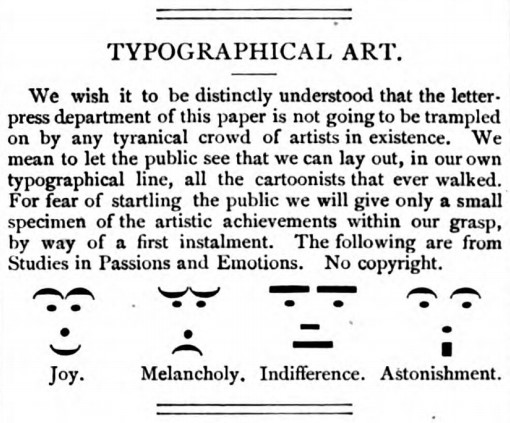
These faces of “joy”, “melancholy”, “indifference” and “astonishment”, were included in a short article titled “Typographical Art”. Puck was a political satire-themed magazine from the United States, which was published in both English and German editions in the 19th and early 20th centuries.

Later in 1982, it marked the very first appearance of these 2 emoticons which are remaining very common to this day:

🙂: Smiley Face ☹️: Frowny Face

When the internet revolution came full swing by the late 1990s, mobile phone texting, and email use were growing exponentially. This has led to the ever-evolving collections of emoticons to fulfill the need of expressing emotions without the actual text. Here are some examples:

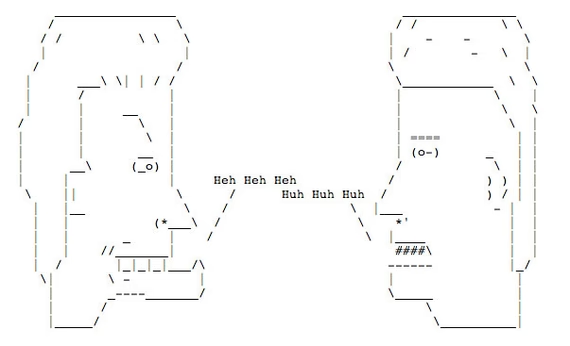
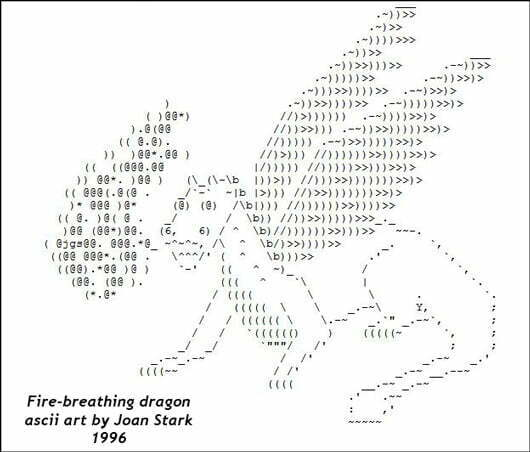
These ASCII cat-face emoticons were very popular in Asia:
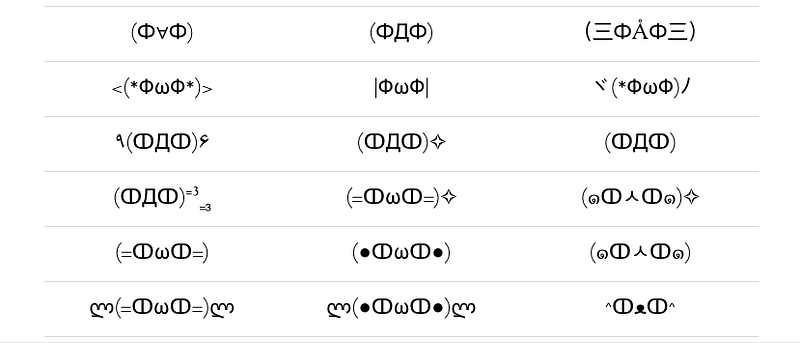
Some more ASCII examples:
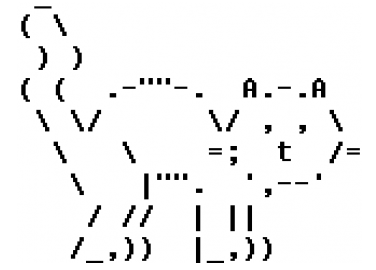
Although all these emoticons are pretty impressive and creative to say the least, they’re undoubtedly a bit too complex for people to use them very often.

📌The Very First Emoji Collection

The very first collection of 176 emojis was born in 1998. They were created by Shigetaka Kurita who was working at i-mode, a Japanese mobile internet provider, after he realized the popularity of emoticons and MMS.

This is Kurita’s 176 emojis collection which is now a permanent collection at the New York’s Museum of Modern Art:
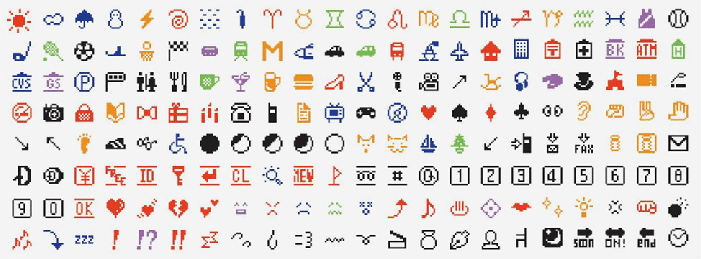
And the whole emoji culture has since spreaded from there — because for the first time, emojis offered a brand-new way to add emotional subtext to a message. For example, a text “Sure” may sound a bit cold, but adding a “❤️” instantly changes the whole tone of the message and offers a sense of warmth. No wonder people loved them and they have gained a lot of popularity till today.

📌Problem When Using Emojis

However, at the very beginning, different cell phones and different phone service providers had their own set of emojis which raised the compatibility issue when people communicate from different networks or countries.

One important factor that led to the popularity of emojis is that they’re extremely effective and easy to use, and can easily be understood regardless of users’ nationalities or cultural backgrounds. With the exponential growth of the internet and cell phone which makes global communication way more common and accessible, the need to unify and standardize emojis have become more and more clear.

📌Unified Emojis Across The Globe

In 2007, a software internationalization team at Google decided to lead the petition to get emojis recognized by the Unicode Consortium, which is a non-profit organization to maintain text standards across the globe.

In 2010, the consortium accepted the proposal and incorporated emojis into Unicode. Unicode emojis are translated by tech giants like Apple, Google, Facebook, Microsoft, etc, and every company has their own take on it. Considering the combined market share of global digital communications of all these companies, Unicode’s unified emoji collection has since become the gold standard.

In 2011, Apple added an official emoji keyboard to iOS and Android followed the footsteps two years later. This has allowed users to access emojis directly from their mobile phone keyboards.

Over the next decade, Unicode has gradually added several hundreds more emojis to their list — from taco to policewoman, and different skin tones to same sex couples, and even pregnant men 🤦🏽‍♂️ due to the increasing culturally-sensitive demands globally.

You can also propose a new emoji to be added on Unicode: https://unicode.org/emoji/proposals.html

If you’re interested, you can check the most recent emoji list (V. 15) here. And the list of emojis that were proposed by people across the globe here. They’re fun!😄

📌Do you know one of the emojis actually won an award in 2015?

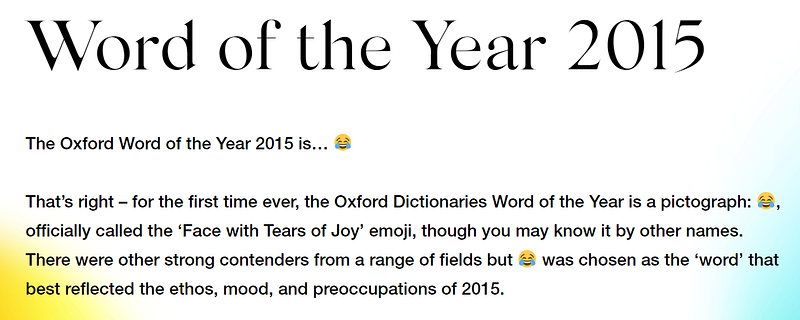
Believe it or not, the emoji “😂” was the Oxford Word of the Year 2015:
Source

The reason “😂” was chosen, according to the Oxford Languages website:

It was the most used emoji globally in 2015. “😂” has made up 20% of all the emojis used in the UK in 2015, and 17% of those in the US: a sharp rise from 4% and 9% respectively in 2014.

📌What’s the cultural difference in using emojis?

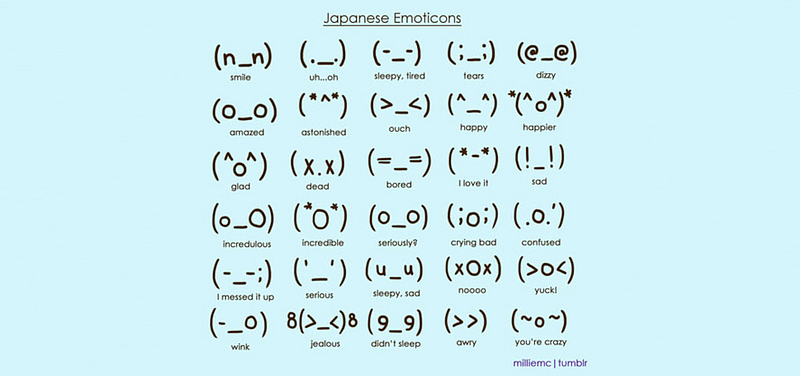
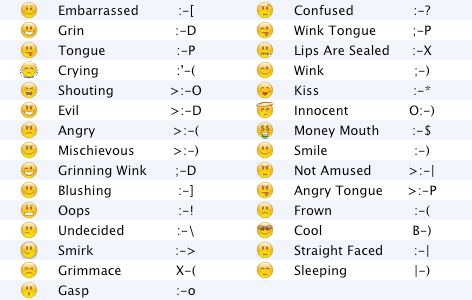
During the late 1980s and 1990s, different styles of emoticon gradually developed across the globe, due to the different keyboard characters available globally.

The Eastern Style (Asia) — Faces of the emoticons appeared vertically:
The Western Style (Europe, America) — Faces of the emoticons appeared sideways:
And for the emojis we use globally today, there are still some slight cultural differences in the usage.

The smiley face emoji “🙂”, is one of the most significant examples. While it means “happiness” in the Western culture, it is widely used for expressing sarcasm or disregard in China. The explanation is, when you take a close look at the eye of the “🙂” emoji, the muscle around the upper eye corner and around the mouth do not move, which is a sign of “fake/ pretend” smiling.

Another emoji “wave with a smiley face”:

is used as saying goodbye in the West, but in the East, it could mean “I’m not keen on talking with you anymore.”

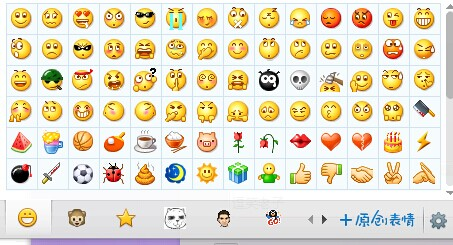
Here is a collection of popular emojis on the instant messaging app “QQ/Wechat” in China, which you can tell are slightly different than what the Westerners commonly use:
📌What’s the relationship between AI and emojis?

Since emojis have been gaining its popularity over the past 2 decades and now we don’t communicate using only text but also emojis, AI also needs to catch up on understanding emojis and the underlying meanings when we use certain emojis. Over the past few years a few projects have tried to focus on exactly that.

Deepmoji, a project which was active from August 2017 to July 2020 (unfortunately it seems to have disappeared to this day), “is a model that uses millions of tweets to learn about emotional concepts in text like sarcasm and irony.”

According to a Q&A session with the project, the way to train the AI model is “from a dataset of 55 billion tweets, we find tweets with emojis and train a deep learning model to predict which emoji was included with what tweet. The basic idea is that if the model is able to understand which emoji was included with a given sentence, then it has a good understanding of the emotional content of that sentence.

On the other hand, an article written by a student of The Doctor of Philosophy (DPhil) at Oxford University, Hannah Rose Kirk, which was published in July 2021, suggests that AI can help tackle racist emojis and filter out discriminatory use of emojis.

Here are some highlights of her article, and I suggest you have a good read of the full article, it is extremely interesting.

“Neuroscience research has suggested humans process emoji in the same way as human faces, and adding an emoji to text increases the emotive impact and valency of the message. Given the universality of emoji and how our brains process them, the harm from abuse conveyed in emoji is certainly at least on par with its textual equivalent. So why are content moderation algorithms failing to detect emojified abuse?”

“Artificial intelligence can help with abuse that is beyond the scale which human moderators can feasibly deal with. The capabilities of these models are impressive, with some surpassing human-level performance in general language understanding tests.”

“Once they are given a general understanding of language, AI models can be fine-tuned for a specific task, such as detecting online abuse, and it seems as if such models are extremely effective in distinguishing between malignant and benign content online.”

Interesting, right?! I truly look forward to seeing more projects working on AI and emojis. 🙂🤖

📌Do you know you can use ONLY emojis on your prompts when you generate images on the AI text-to-image tool “MidJourney”. Yes, EMOJIS!Do you know you can use ONLY emojis on your prompts when you generate images on the AI text-to-image tool “MidJourney”. Yes, EMOJIS!

I actually only found out about this accidentally when I was doing research on my previous articles about prompting on MidJourney. By the way, if you haven’t already, make sure you check out these articles, they’re seriously good:

I was shocked at how well MidJourney is capable of understanding emojis (well, to be fair, not ALL the time) and how creative it could be when generating images out of the emojis!

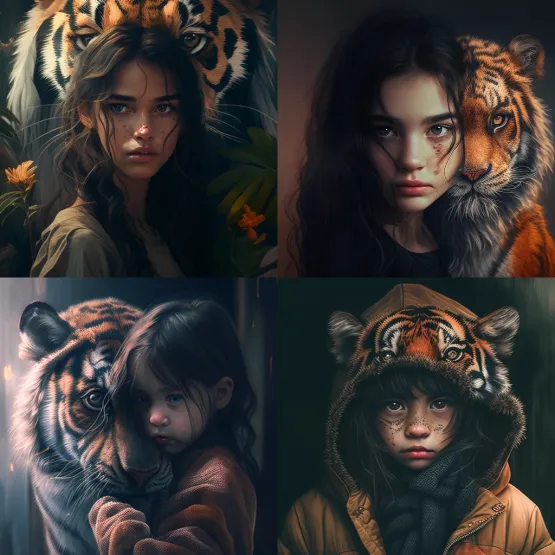
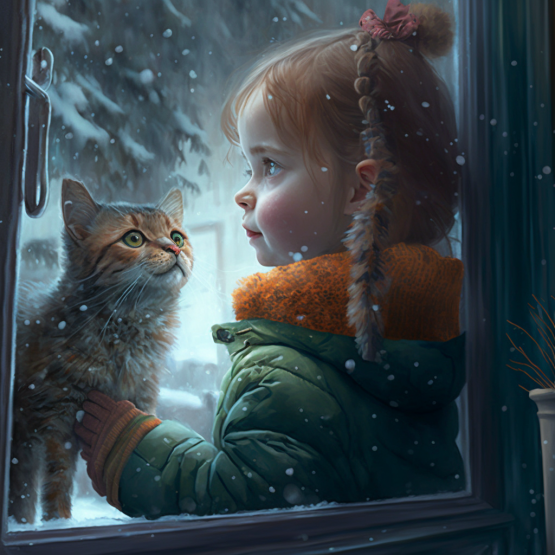
I have tested it out using 1–5 emojis on each prompt, and MidJourney starts to get confused when it gets to 5. Check them out:

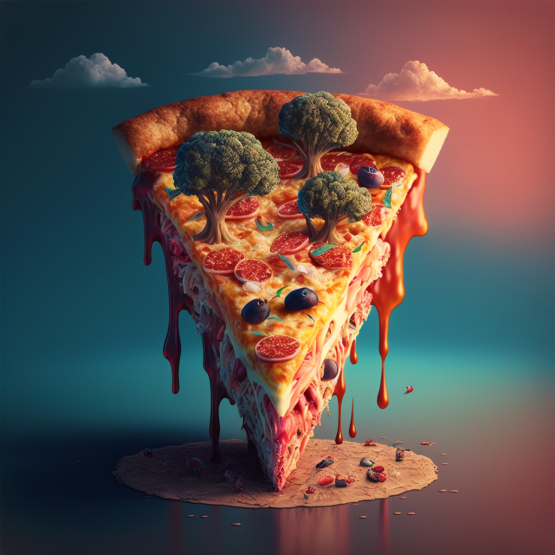
Midjourney prompts using 1 emoji:

“🍕”:
“👫”:
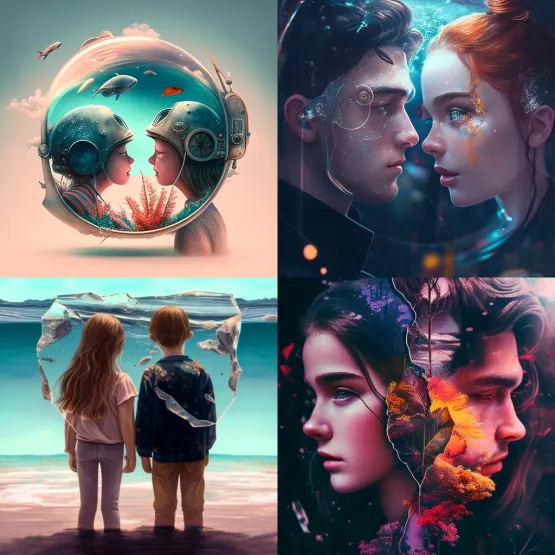
Prompts using 2 emojis:

“🤡🥺”:
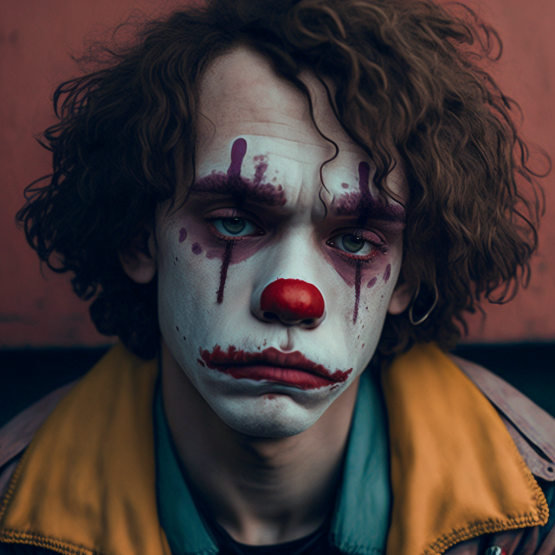
🐯👧🏻”:

Prompts using 3 emojis:

👧🏻🎄😺”:

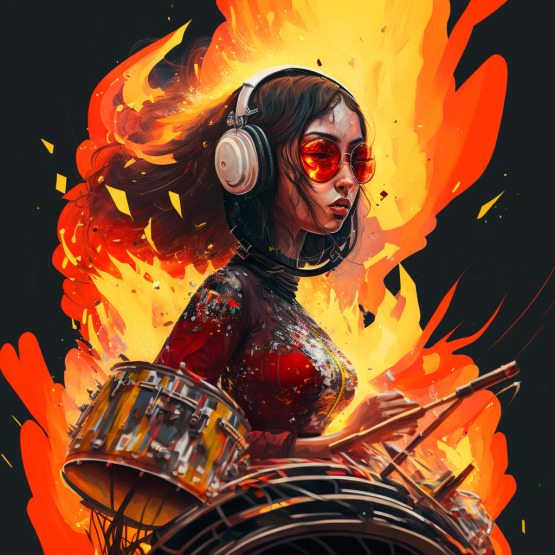
“🥁🔥💃🏻”:

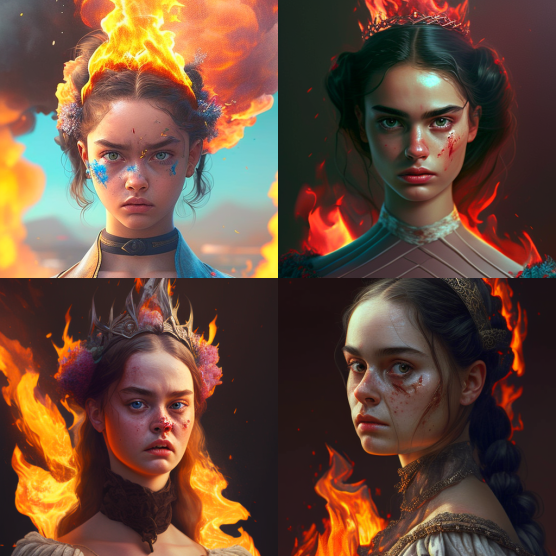
“😡👸🏻🎇”:

“🔥🍨⛵”:

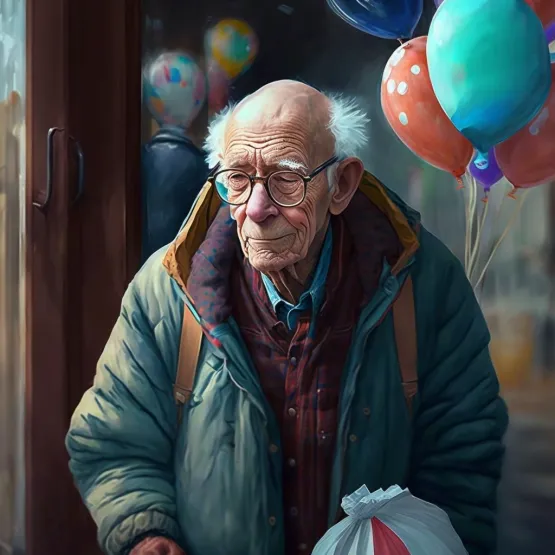
Prompts using 4 emojis:

“☹️👴🏻🎈👓”:
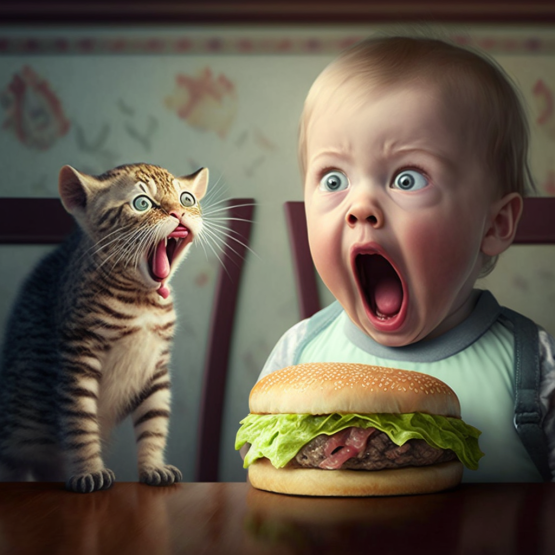
“😮👶🏻🐈🍔”:
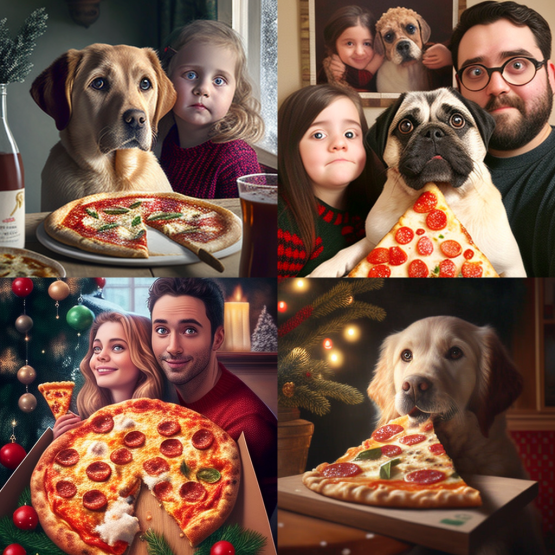
Prompts using 5 emojis (here’s when MidJourney starts to get a bit confused, nice try though😆):

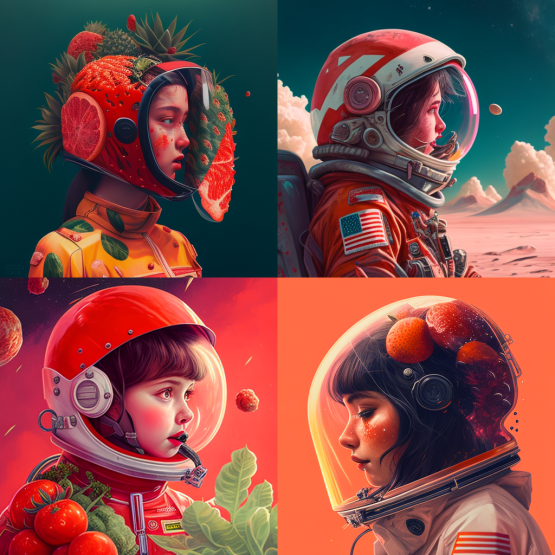
“🍕🎄👫👶🏻🐶”:
“🚀👩🏻🪐🍓✂️”:
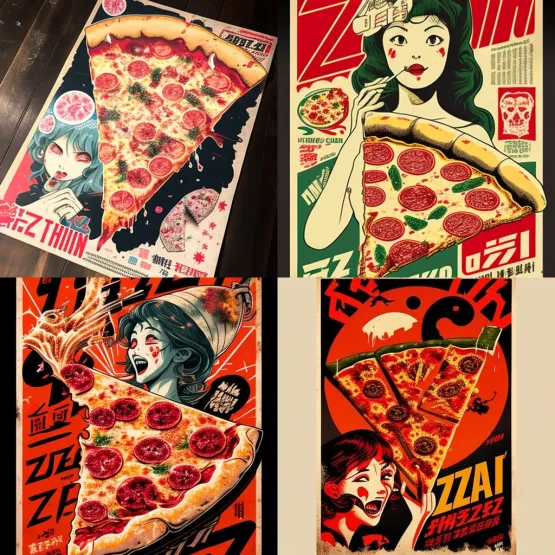
Prompts with emojis + cheat codes:

“Japanese poster graphics 🍕👩🏻💀”:
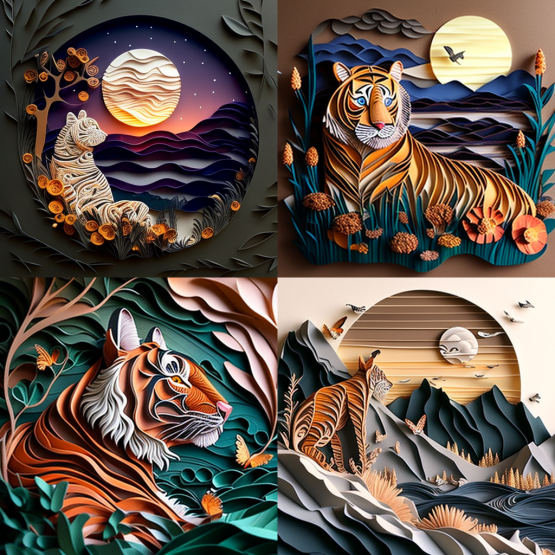
“⛰️🌕🐯 paper quilling”:
These are great fun. Go try them out on MidJourney and share with me what emojis you have used to generate some cool images! 🦄

If you’re looking to spark your creativity when generating images on MidJourney, use these 50+ inspiring cheat codes:

📌To Wrap Up In 2017, Johns Hopkins Bloomberg School of Public Health researchers and the Bill & Melinda Gates Foundation proposed a new emoji mosquito “🦟” to Unicode, as researchers think “🦟” is a way to describe mosquito-borne diseases like Malaria and Zika better. Unicode approved it in early 2018.

From this, it leads to a bigger meaning and power of emojis: Not everyone in the world is literate. Not everyone in the world can understand English. Not everyone in the world can wrap their head around the serious medical consequences of Malaria and Zika. But… Everyone CAN certainly understand the icon of a mosquito. 🦟

Emojis are a way to surpass the barrier of languages on a global level. It is not just a way to communicate but also becoming a form of world unification. We don’t all speak the same language, but we all speak — emojis.🌏🧑🏻‍🤝‍🧑🏿🧑🏼‍🤝‍🧑🏽🥰🤝🏻

If you found this article valuable, why not throw me some Medium love? Claps up to 50, leave a response, and be sure to follow. 💌

Here’s a special shoutout to Ms. Bee Lee, for her crucial effort that contributed to creating this article. Follow her Twitter for her “Daily Dose of AI Art”!

Stay tuned for any latest updates and new MidJourney versions! Meanwhile, check out my other popular MidJourney articles here:

If you’re interested in Blockchain, Crypto, NFTs, Metaverse, Fintech, and DeFi, don’t forget to check out the limited discount vouchers for my highly-rated and super fun courses, as well as all my social media accounts and more exclusive content:

Emoji
Unicode
AI
Midjourney
Artificial Intelligence
Recommended from ReadMedium