avatarDaniel G. Clark

Free AI web copilot to create summaries, insights and extended knowledge, download it at here

2446

Abstract

y developing regular patterns where we know we need to focus.</p><h1 id="25fb">Autopilot</h1><figure id="db37"><img src="https://cdn-images-1.readmedium.com/v2/resize:fit:800/0*bSHopGF9mRWzh-Ip"><figcaption>Photo by <a href="https://unsplash.com/@williamtm?utm_source=medium&amp;utm_medium=referral">William Hook</a> on <a href="https://unsplash.com?utm_source=medium&amp;utm_medium=referral">Unsplash</a></figcaption></figure><p id="6598">The flip side to this is monotonous routines.</p><p id="1d4e">One thing I hate is when I unlock my phone and my fingers automatically open an app. It worries me when I unwittingly develop an instinctive action like this because the brain is bypassed.</p><p id="b95d">To counter this I regularly rearrange the layout of the apps on my phone’s home screen. This may sound banal but it actually has a greater difference than you might think. By stopping these sorts of automatic actions, you can actually think whether you want to crush more candy.</p><p id="990d">Preventing actions from becoming instinctive behaviours is one of the key ways to beat dependence. It also stops life becoming grey and predictable.</p><p id="fb4a">Some monotonous routines are unavoidable. If you commute to work, chances are you leave — or at least aim to leave — at the same time every day. But even this doesn’t have to be negative. Make small changes to your morning activities and look out for the positives of keeping to a strict timetable.</p><p id="8ead">Developing a dynamic routine is as much about mentality as the actions themselves. You can eat the same breakfast every day without becoming stuck in monotony. The key is to think about what you’re eating: what emotions is it inspiring in you? How is the sensation of the flavours different from yesterday?</p><h1 id="9098">Individuality</h1><figure id="af00"><img src="https://cdn-images-1.readmedium.com/v2/resize:fit:800/0*ZjT1yWaM5GfxmEUU"><figcaption>Photo by <a href="https://unsplash.com/@ninjason?utm_source=medium&amp;utm_medium=referral">Jason Leung</a> on <a href="https://unsplash.com?utm_source=medium&amp;utm_medium=referral">Unsplash</a></figcaption></figure><p id="8f35">Every individual will approach routine in a slightly different way. What one person considers to be tedious repetition may be a necessary anchor for someone else.</p><p id="76e5">Food is a good example. I know people who eat the same meals every week on the same nights. They s

Options

ay it reduces the mental burden of deciding what to cook and gives structure to the week. For others — those who think variety is the spice of life — this would be unthinkable.</p><p id="d7e0">The key is to savour your routines that are <b>dynamic </b>and <b>beneficial</b>, whilst cutting out those that become a drag. And to decide which category each activity falls under, you need to involve your brain and <b>think</b>!</p><p id="4485"><b>Daniel Clark</b> is a reader, writer and linguist. Find out what makes me tick by reading my Illumination bio:</p><div id="ce72" class="link-block"> <a href="https://readmedium.com/introducing-myself-to-the-illumination-community-7250c35fe08e"> <div> <div> <h2>Introducing Myself to the Illumination Community</h2> <div><h3>An interview with my mirror</h3></div> <div><p>medium.com</p></div> </div> <div> <div style="background-image: url(https://miro.readmedium.com/v2/resize:fit:320/0*IpVaHt13p8BNO0gI)"></div> </div> </div> </a> </div><p id="be46">Today I recommend you read <a href="undefined">Paroma Sen</a>’s apology letter to “Bob” and <a href="undefined">Philip Sundt</a>’s honest life reflections:</p><div id="5a89" class="link-block"> <a href="https://readmedium.com/dear-bob-91b2d920835d"> <div> <div> <h2>Dear Bob</h2> <div><h3>A Poem About The Importance of Names</h3></div> <div><p>medium.com</p></div> </div> <div> <div style="background-image: url(https://miro.readmedium.com/v2/resize:fit:320/0*Yh3gU_KmfG1-UNb3)"></div> </div> </div> </a> </div><div id="7f3c" class="link-block"> <a href="https://readmedium.com/im-over-30-and-still-a-nobody-3bc3d16a65c0"> <div> <div> <h2>I’m Over 30 and Still a Nobody</h2> <div><h3>Why You Don’t Have to ‘Be Somebody’</h3></div> <div><p>medium.com</p></div> </div> <div> <div style="background-image: url(https://miro.readmedium.com/v2/resize:fit:320/1*rxhIldFl2e7FFHaZ_ofTxQ.jpeg)"></div> </div> </div> </a> </div></article></body>

LIFESTYLE

Embrace Routine While Avoiding Autopilot

Developing habits should be a dynamic process
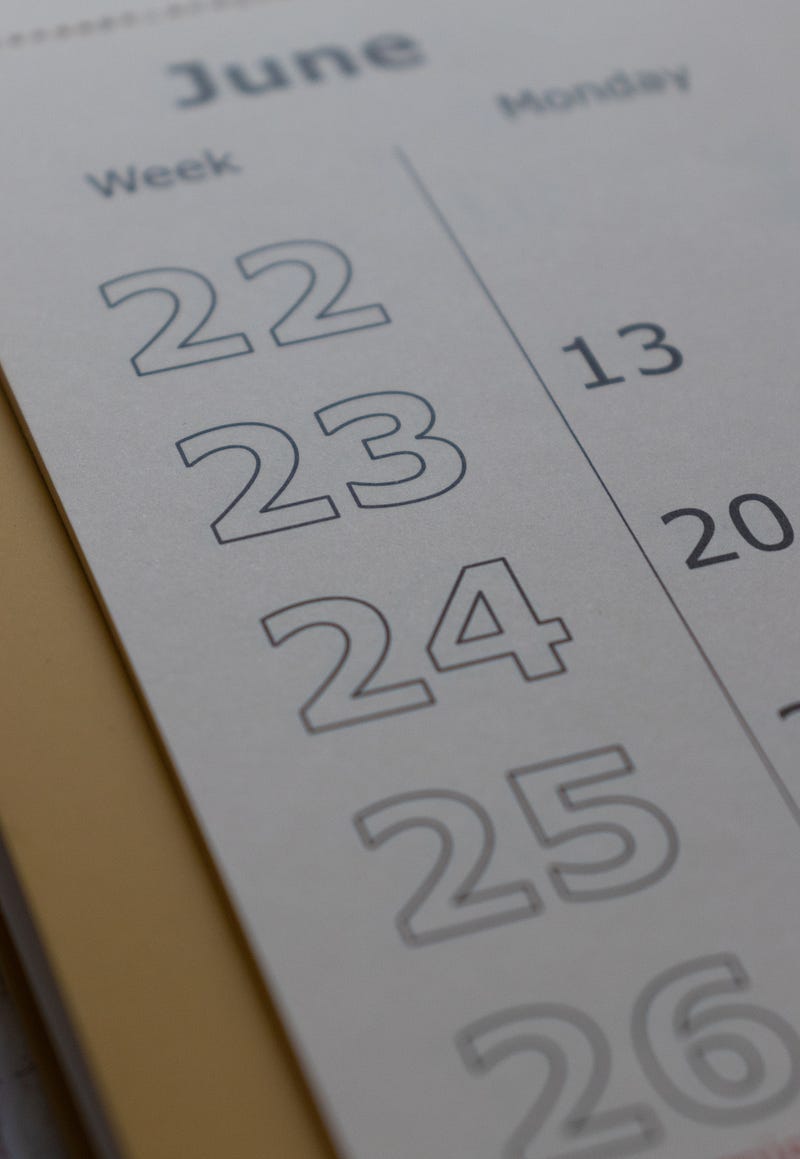
Photo by Behnam Norouzi on Unsplash

I’m surely not the only one whose mindset is split between two contradictory outlooks: a desire for new, exciting experiences and an inclination to develop routines.

The coronavirus pandemic has made many of us appreciate routine. When the days are all blurring into one, any sort of event that helps structure the week is welcome.

But after a while, doing the same actions again and again can start to devalue them. The thrill of a new activity can lose its edge if repeated every week just like how certain songs become intolerable after a dozen plays.

Positive Routines
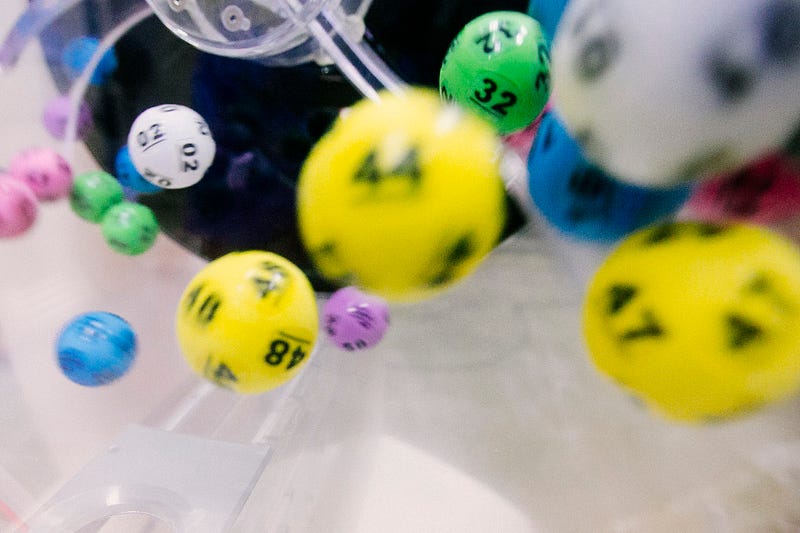
Photo by dylan nolte on Unsplash

Recently, Erin King wrote about her lottery routine. Needless to say, gambling can become a spiral of despair if we develop unhealthy dependence. For Erin, however, buying a lottery ticket is an important anchor in her relationship.

We experience a range of emotions between choosing the numbers and watching the draw: hope, excitement, nervousness, anticipation and, more often than not, disappointment.

Therefore, although the activity is the same each week, the emotions and experience will be different every time. This makes it a dynamic and positive routine.

Likewise, a consistent writing routine not only helps us write more often, it can also ensure we are in the right frame of mind when we do sit down to write. The best way to train the brain to concentrate for long periods is by developing regular patterns where we know we need to focus.

Autopilot

Photo by William Hook on Unsplash

The flip side to this is monotonous routines.

One thing I hate is when I unlock my phone and my fingers automatically open an app. It worries me when I unwittingly develop an instinctive action like this because the brain is bypassed.

To counter this I regularly rearrange the layout of the apps on my phone’s home screen. This may sound banal but it actually has a greater difference than you might think. By stopping these sorts of automatic actions, you can actually think whether you want to crush more candy.

Preventing actions from becoming instinctive behaviours is one of the key ways to beat dependence. It also stops life becoming grey and predictable.

Some monotonous routines are unavoidable. If you commute to work, chances are you leave — or at least aim to leave — at the same time every day. But even this doesn’t have to be negative. Make small changes to your morning activities and look out for the positives of keeping to a strict timetable.

Developing a dynamic routine is as much about mentality as the actions themselves. You can eat the same breakfast every day without becoming stuck in monotony. The key is to think about what you’re eating: what emotions is it inspiring in you? How is the sensation of the flavours different from yesterday?

Individuality
Photo by Jason Leung on Unsplash

Every individual will approach routine in a slightly different way. What one person considers to be tedious repetition may be a necessary anchor for someone else.

Food is a good example. I know people who eat the same meals every week on the same nights. They say it reduces the mental burden of deciding what to cook and gives structure to the week. For others — those who think variety is the spice of life — this would be unthinkable.

The key is to savour your routines that are dynamic and beneficial, whilst cutting out those that become a drag. And to decide which category each activity falls under, you need to involve your brain and think!

Daniel Clark is a reader, writer and linguist. Find out what makes me tick by reading my Illumination bio:

Today I recommend you read Paroma Sen’s apology letter to “Bob” and Philip Sundt’s honest life reflections:

Routine
Reading
Lifestyle
Ideas
Self Improvement
Recommended from ReadMedium