
Elvis Presley’s last bass singer had a dream
Forty-six years after the ‘Hound Dog Man’s’ lonely Graceland summit with his maker, unpack an exclusive interview with Larry Strickland, widower of Country Music Hall of Fame artist Naomi Judd
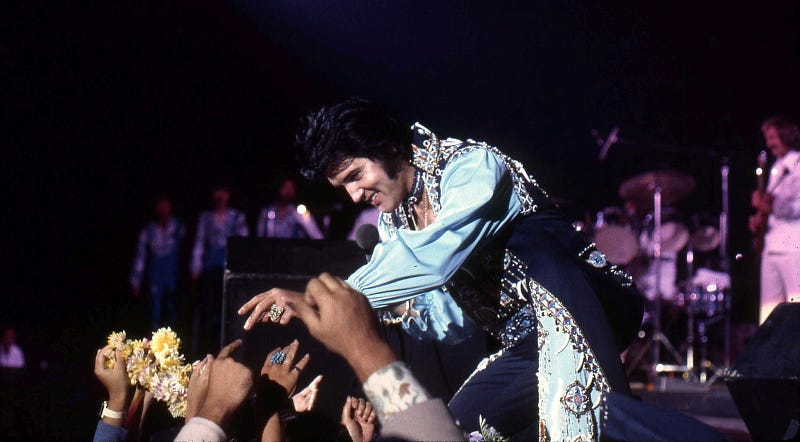
Larry Strickland shared a stage with Elvis Presley for over 200 shows between 1975–1977 as a bass extraordinaire in J.D. Sumner and the Stamps Quartet. Strickland truthfully admits how an out of his depth gospel singer prepared as best he could to “ooh” and “ahh” Elvis’ hits inside packed stadiums, recording “Way Down” in Graceland’s Jungle Room, the Creative Workshop Nashville session that Elvis blew off, “For the Heart” being transformed into the Judds’ hit debut single “Had a Dream,” why it took 50 years to issue his debut solo release Legacy, and heaps more. And expect a major Judds tribute album with guest turns by Dolly Parton, Lainey Wilson, Blake Shelton, Gwen Stefani, Reba McEntire, Jamey Johnson, Carly Pearce, Trisha Yearwood, and even Wynonna herself come Oct. 27.
The Larry Strickland Interview
As a young man Elvis broke the color barrier by attending black gospel sings in Memphis. Did you ever do this in North Carolina?
There was a church in Raleigh that my dad, Ralph Strickland, pastored for awhile. Every Sunday morning while driving to that church, there was a black church a couple of blocks away. In the summertime they would have their windows up in the black church, and I would hear their music coming out. I remember telling my dad several times, “Please, let’s go to their church.” Of course, we never did. But man, I sure loved it every time we’d go by and their windows were open. Their spiritual singing touched my soul.
Brings to mind the Blind Boys of Alabama, who I’ve always wanted to see in person.
I’ve seen them once. The Blind Boys are awesome.
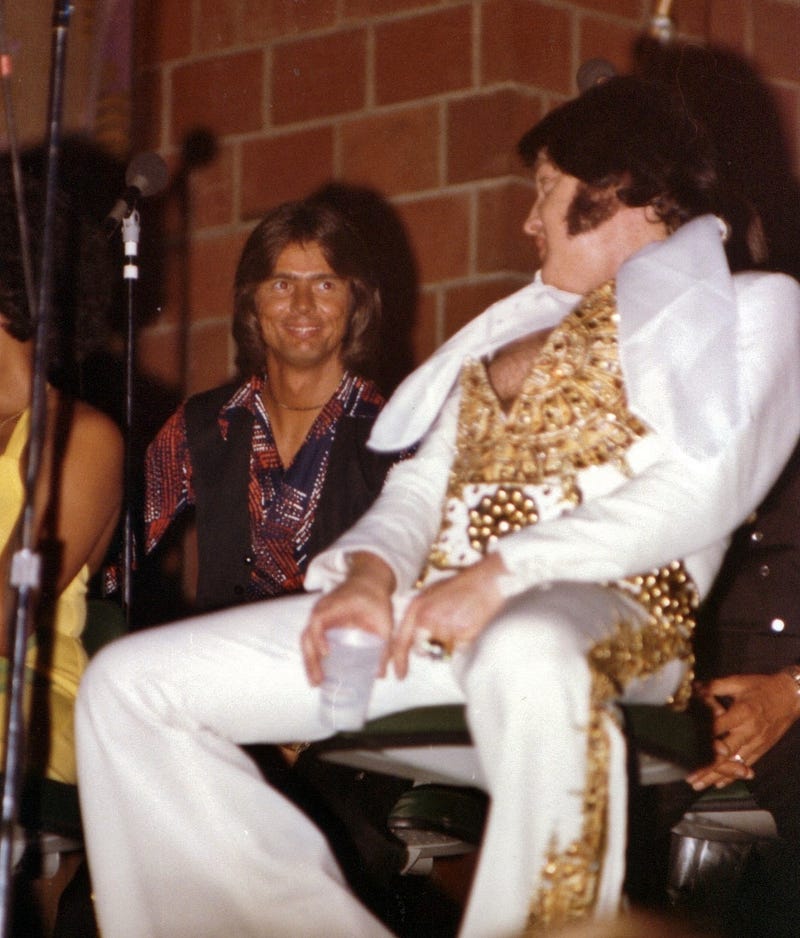
Just how familiar were you with Elvis’ catalog before J.D. Sumner hired you?
It’s not like I followed Elvis. I knew him from the radio or whenever I’d see one of his movies or concerts on TV. I was so wrapped up in gospel before I joined Elvis that that genre was pretty much all I listened to.
For your introductory August 1975 gig with Elvis in Vegas, was there a cram session where you played Elvis’ records over and over?
I prepared as best I could for Elvis’ repertoire. Ed Enoch was the Stamps’ lead singer [having replaced Donnie Sumner when the latter started his own group Voice, so named by Elvis] and would give me hand signals of what to do and when to do it. Ed helped me understand when it was time to do an “ahh” or an “ooh” and when I actually had to sing the lyrics. That’s how I really learned.
I would have needed an extra shirt because of all the anxiety and sweat pouring out.
It was difficult to learn because I was awestruck. Elvis’ show was something I’d never seen or heard before. Everything was so exciting, and it was hard to concentrate on what I needed to be doing instead of getting caught up in the whole thing. I had never played in front of such enormous crowds at arenas and stadiums before.
Georgia audiences, especially at the Omni Coliseum in Atlanta, treated Elvis like he was a prince from another planet.
We all loved playing down in Georgia because the fans were so exuberant and busting with energy. It was always a fun time for us to be with ya’ll.
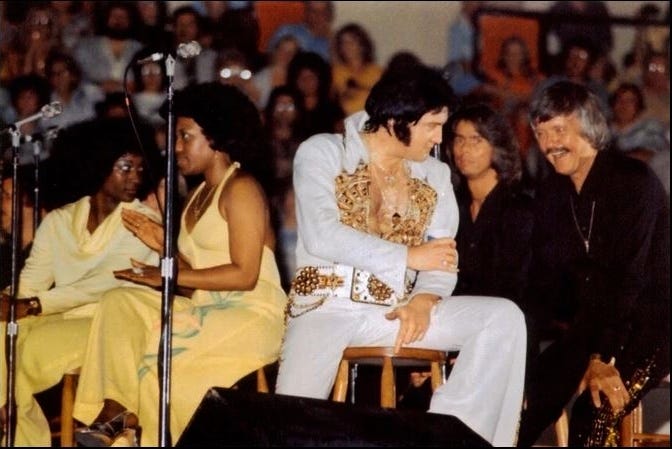
Elvis admired law enforcement and collected badges by the dozen. Did you fly with him to Denver in late January 1976 for the funeral of his police officer friend Jerry Kennedy’s brother Eugene? He committed suicide, and the Stamps sang at the funeral.
They didn’t take me to Denver. I think they took the small plane, a Lockheed JetStar executive business jet known as “Hound Dog II,” and didn’t need two bass singers. J.D. went, and I didn’t get to go.
With two bassists onstage, how did you compliment each other vocally without awkwardness entering the equation?
It worked because a lot of the time we would be singing the same note but J.D. would be an octave lower. It just made a broader sound when we sang together. There were also places where J.D. wouldn’t sing, and places where J.D. would build his bass slide at the end of songs. I didn’t do those slides with him.
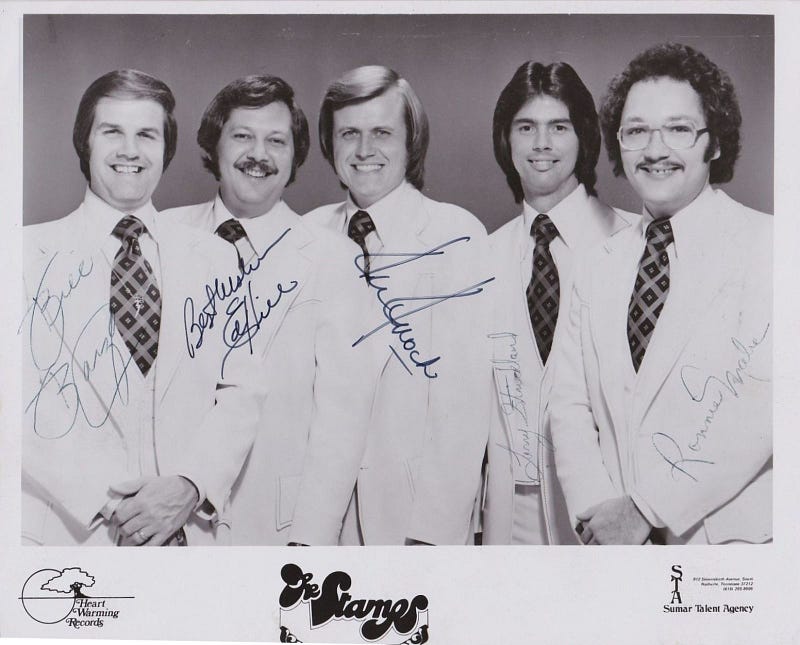
Tell us about Stamps baritone Ed Hill [1935–2020].
Ed was one of the finest and sweetest guys I’ve ever known. I never saw him upset or heard a cross word come out of his mouth. He was so even-keeled and a really nice man.
Ed was essential to the Stamps. Ed sang with just about every group in the business at one time or another. He was well-known and popular in the Southern gospel world. Elvis loved him to death. While I was with Elvis, Ed was the guy at the end of the show who would say, “Ladies and gentlemen, Elvis has left the building” [concert promoter and agent Al Dvorin popularized the phrase].
How would you categorize Ed’s sense of humor?
Ed didn’t necessarily tell jokes. Since he had traveled with various groups, he had so many wonderful stories. Mishaps and funny things that would happen on the road or onstage. Ed could also mimic people’s voices. He was a very funny guy.
What’s a lingering memory from the Graceland Jungle Room sessions in February and October 1976?
The main thing that sticks in my mind is that when you record in a professional studio, all of the musicians have isolation booths. The singers are placed in booths and soundproofed so no one bleeds into the other person’s microphone and sounds too loud or too low. When it’s time to start recording, their individual track is clean and can be easily mixed by the engineer.
Of course, we didn’t have any track separation recording in the Jungle Room. The amazing thing is how the mixing engineers were able to mix From Elvis Presley Boulevard, Memphis, Tennessee, and Moody Blue to where they sound as good as they do. Elvis’ mic has drums and guitars bleeding through with his voice, but they were able to make it sound like a record.
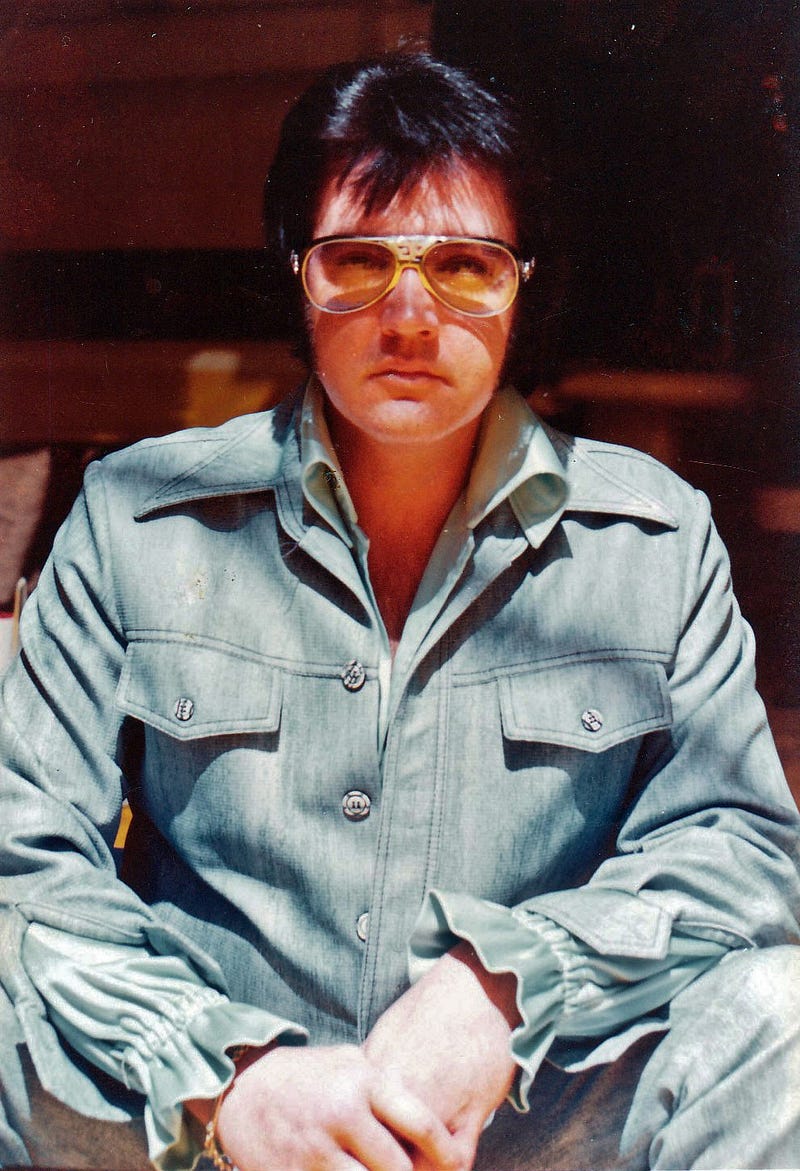
When Elvis was in a recording environment, could he stay still?
Elvis moved around. It was funny. He’d come over and stand next to where we were standing. Then he’d walk to the center of the room, basically going wherever he wanted to go. I remember thinking, ‘Boy, I bet those RCA engineers in the truck outside are going crazy’ [laughs]. Elvis did what he wanted to do and didn’t care. After all, Graceland was his house.
Where were you situated in the Jungle Room?
Where the steps are that go upstairs to Elvis’ bedroom. We were right across from those in the corner. There were steps and a kitchen. We were in the corner there. I don’t know how to describe it, other than that room close to where the steps come out.
Second soprano Myrna Smith of the Sweet Inspirations, high-voiced Kathy Westmoreland, solo tenor Sherrill Nielsen, five Stamps, eight musicians, and the Memphis Mafia — the room was filled to capacity!
It was unbelievable.
Since you accompanied Elvis on Dennis Linde’s up-tempo, piano and bass-powered “For the Heart” in February 1976 at Graceland, are you responsible for encouraging Naomi and Wynonna to cover it as their debut single seven years later on Curb Records?
I’m not. Naomi and Wynonna’s producer Brent Maher [who engineered the January 1977 sessions at Buzz Cason’s Creative Workshop in Nashville where Elvis complained of a sore throat and refused to sing a note] was familiar with “For the Heart.”
Before Naomi and I were married, I came to their house one day. Wynonna was only 18 years old. As I walked in, I heard them in the kitchen rehearsing. I stopped, listened, and thought to myself, ‘Where do I know that song?’ I realized, ‘Wow, I recorded that song with Elvis!’ That was a strange happenstance. They had no idea I had sang on Elvis’ version. Naomi and Wynonna used the first lyric for the name of their cover, “Had a Dream” [which rose to No. 17 C&W in November 1983 and led off the duo’s first EP].
Would “For the Heart” or its flip side, Elvis’ tour-de-force operatic take of Timi Yuro’s “Hurt,” have been the first time you heard yourself on pop radio?
It could have been. The song that I was most excited to hear on the radio from those sessions was “Way Down” [the second single taken from Moody Blue in June 1977 and the last issued prior to Elvis’ death a couple of months later]. J.D. and I shared the bass lines. I did the “way down” parts at the top of the chorus. At the very end J.D. handled the “way, way on down” [Sumner’s “lowest bass note ever sung” — a double low C — on “Way Down” landed him in the Guinness Book of World Records; his 1966 version of the gospel chestnut “Blessed Assurance” is also certified by Guinness]. That would’ve been fun to sing onstage if Elvis had not passed away so tragically.
Did you summon the courage to request Elvis sing one of your favorite songs?
I didn’t wanna be that guy. I wanted to do my job and be good at that. If I had thought of a song that I wish Elvis had sang, I don’t think I would have had the nerve to talk to him about it. That’s a personal thing. You gotta have a special relationship with an artist to be able to seriously do that.
Could you take Elvis aside and talk man to man without outside interference?
One night during the Jungle Room sessions Elvis was up in his bedroom. Memphis Mafia member-rhythm guitarist Charlie Hodge came down and said, “Elvis isn’t gonna record right now. He’s going through his closet. He wants to get rid of all of his street clothes and buy a whole new wardrobe. If you guys might be interested in having any of that stuff, come up with me.”
So Charlie took us up to Elvis’ bedroom one at a time. I got to stand with Elvis, just me and him in his closet. Not a lot of small talk, mostly examining the clothes. Something like, “Yeah Elvis, I like this.” He’d take stuff off the hanger and hold it up to me, seeing whether it was gonna look good on me or not. Elvis’ fashion sense was pretty out there. I don’t think I ever wore anything he gave me [laughs], but it was a special time being alone with him.
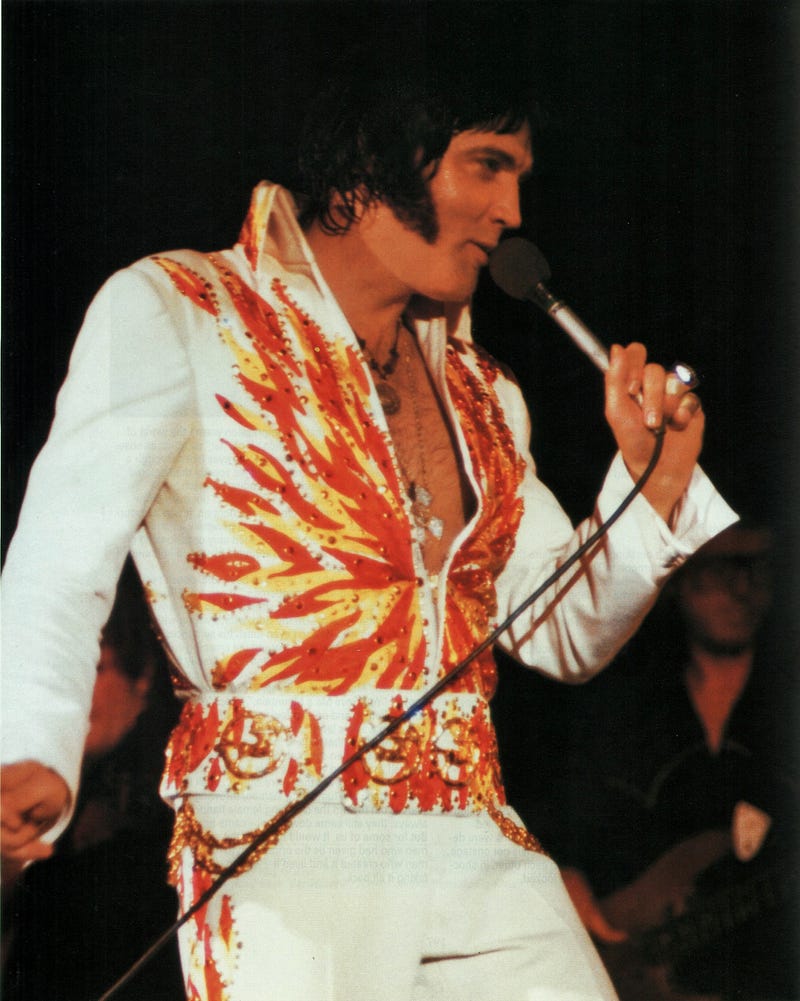
Was Elvis happier cleaning out his closet or recording by 1976?
Elvis really didn’t want to record. That’s why we ended up doing the songs at Graceland because he didn’t wanna leave home to come to Nashville where he normally recorded. That was the best way that they could get him to record. But once he came downstairs and actually started to sing with us and the TCB Band, then he’d feel good and be happy. Getting him motivated to record was pretty difficult.
“Everlasting Love” songwriter Buzz Cason owned Creative Workshop in Nashville. Elvis was scheduled to hold his first recording session there in January 1977, since he did not complete enough songs the previous October to round out the Moody Blue album. Depending on whom you believe, Elvis stayed in his hotel room, argued with final companion Ginger Alden, developed a sore throat, or stepped into Creative, did not like the atmosphere, knocked over a pizza box, and left. Whatever occurred, Elvis did no recording and returned to Graceland. Would you have been a part of these Nashville sessions, Elvis’ first in Music City since 1971?
They had called us to be ready for Creative Workshop. We were on standby. Of course, it never happened.
Did the singers and the musicians remain at Creative in Elvis’ absence and do overdubs on the previously cut studio material that wound up on Moody Blue?
To my recollection we did not. Many years later in 2018 we overdubbed new backgrounds for the Where No One Stands Alone gospel record with producer Andy Childs. I’m on about half the album including the title cut featuring Lisa Marie’s last duet with her father, “How Great Thou Art,” “I, John,” So High,” and “Bosom of Abraham.” You can hear me really well singing, “Down in the bosom of Abraham, he rocked my soul, down in the bosom…”
Incidentally, the Palmetto State Quartet, a Greenville, South Carolina, Christian group with roots dating back to the 1940s that you bought in 2008 and contributed bass vocals to for five subsequent years, sat in for one song on the reimagined Christmas Duets compilation. Wynonna traded lines with the King on “Santa Claus Is Back in Town” with vocal assists from ya’ll as well as the Jordanaires according to the liner notes.
The Jordanaires and the Palmetto State Quartet were in the studio at separate times unfortunately.
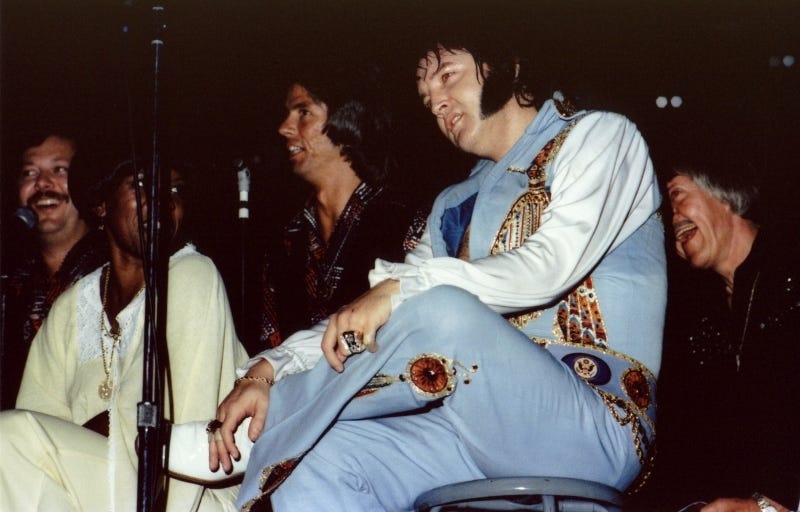
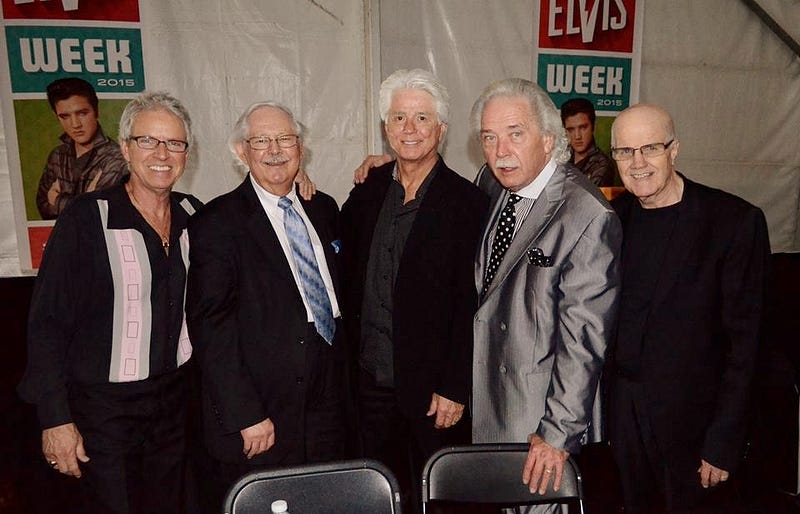
How did you reunite with Ed, tenor Bill “Burning Love” Baize [1939–2023], and lead singer Donnie “Mr. Songman” Sumner as the Stamps in the 21st century?
Elvis Presley Enterprises hired us to come back and do our own gospel shows at Graceland and also sing along with Elvis’ vocal and image at the bigger “Elvis: The Concert” multimedia shows with the TCB Band and the Sweet Inspirations. A couple of Elvis tribute artists like Shawn Klush and Cody Ray Slaughter booked us to do road dates.
It must have been difficult keeping your live vocals in sync with Elvis via video.
It actually was really easy. We had done it so many times, and it was so ingrained into our brains [laughs].
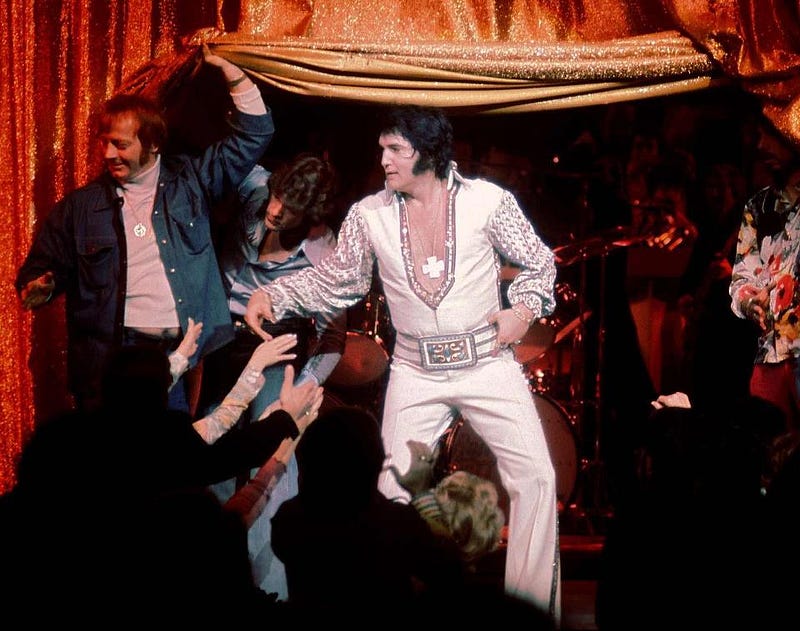
I had an Elvis historian from England tell me a cool piece of trivia. We were doing an interview and got to talking about how many shows I had done with Elvis. I told him, “I don’t know, but it must have been a lot.” He decided to go through all his photos of Elvis’ concerts and backed it up with itineraries and other paperwork. He pinpointed that I actually did 204 concerts with Elvis [from Aug. 18, 1975, at the Hilton Hotel in Las Vegas until Elvis’ last show on June 26, 1977, at the Indianapolis Market Square Arena].
While Elvis would substitute songs in and out of his setlist, if you do a show that many times, you’re gonna know it pretty well.
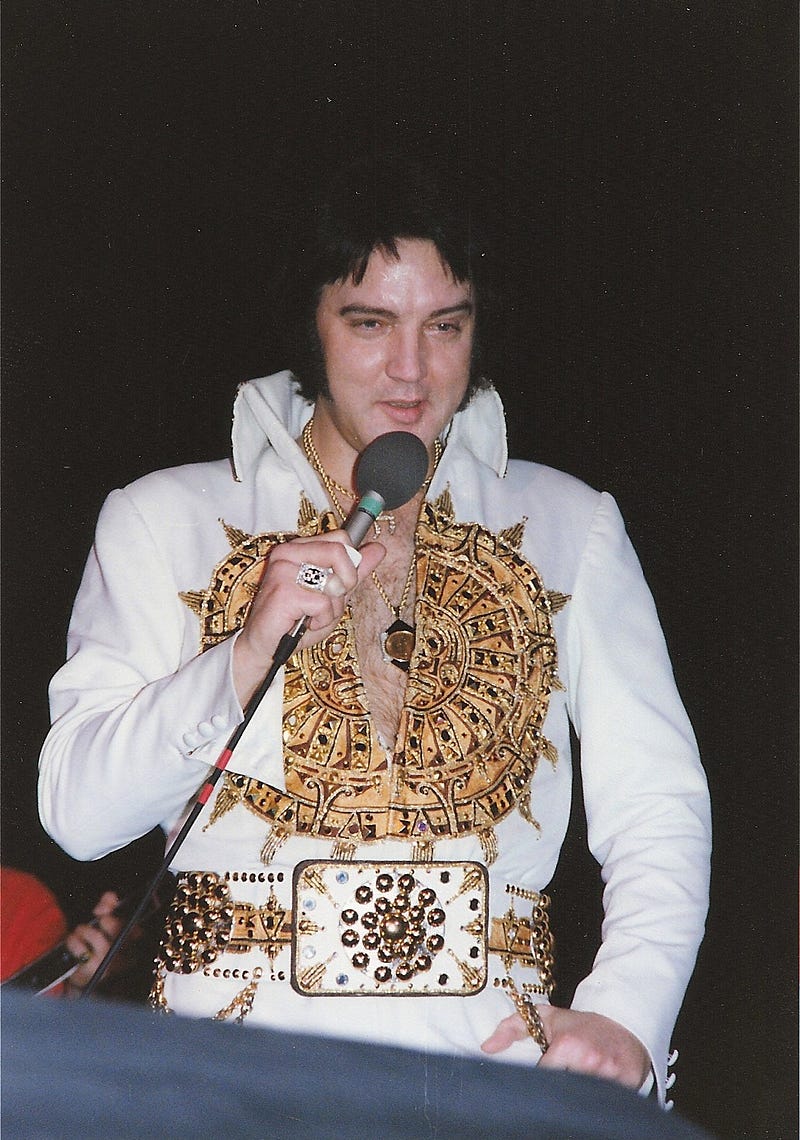
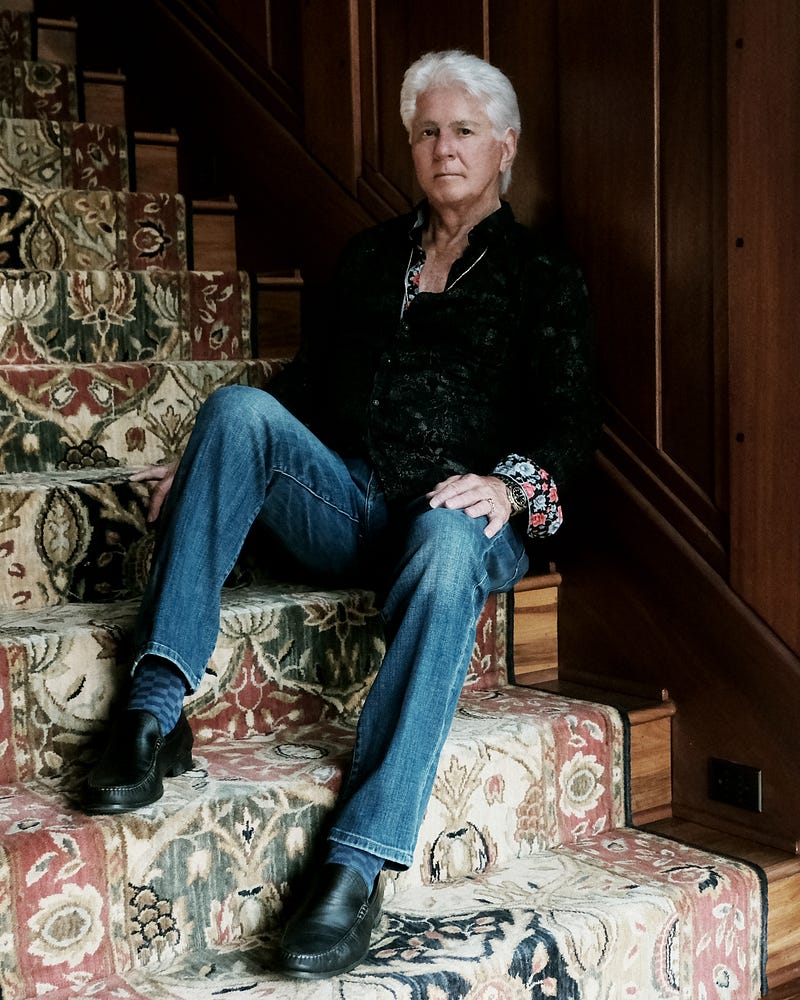
It only took six decades of singing, but I’m elated that you got around to dropping your debut solo project. The six-song, sacred-country Legacy EP coincided with Elvis Week 2020.
There were a couple of producers. Mike Sykes was one of them. He’s married to Tanya Goodman, one of the Happy Goodman Family [Tanya is the daughter of “Who Am I?” songwriter Rusty Goodman and niece of Howard and Vestal Goodman; she fronts the Goodman Revival gospel trio; Elvis mined the depths of his soul when Chips Moman and the Memphis Boys joined him at American Sound Studio in 1969 for his definitive version of “Who Am I?”].
Mike had been after me for a couple of years to record. I’d just poo-poo it. But the older I got I realized that time was gonna run out at some point and a lot of people that were on the Elvis show are already sadly gone. I wanted to make sure I left something that was representative of my voice and what I do. I finally recognized the importance, and that’s why I did it.
Did Naomi have a favorite song on Legacy?
She liked “Take My Hand, Precious Lord.”
Elvis sang that one when he was the king of the whole wide world [Elvis’ Christmas Album, 1957].
Elvis recorded “In the Garden” [How Great Thou Art, 1967], too. I’m sure when he was around the house with friends he informally sang and played piano on “Love Lifted Me” and “Just a Closer Walk with Thee” [the remaining two country songs with Christian themes on Strickland’s Legacy are renditions of Don Williams’ “Lord, I Hope This Day Is Good” and Josh Turner’s “Long Black Train”]. Elvis grew up pretty much like I did and had the same influences. He loved the gospel quartets.
© Jeremy Roberts, 2023. All rights reserved. The Larry Strickland interview was edited for clarity, brevity, and sequenced cohesively. To touch base, email [email protected] and mention which story led you my way. I appreciate it sincerely.


