
Music publishing fiascos, creative frustrations, and Elvis Presley’s scrapped 1977 Nashville session
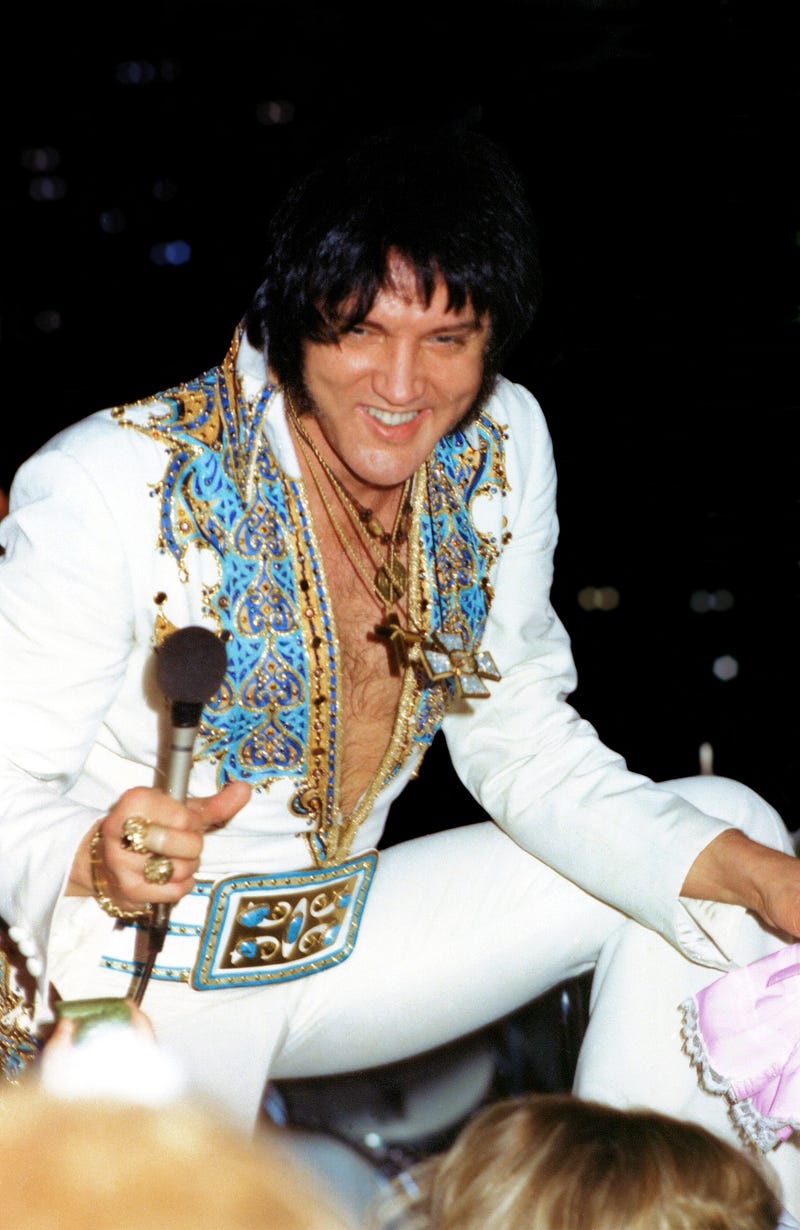
An exclusive interview summit with Elvis Presley’s TCB Band pianist Tony Brown is imperative to unraveling the boy from Tupelo’s latter-day career discontent. Brown, who veered from his origins as a gospel accompanist to kingpin of MCA Nashville, is also the recipient of an Academy Award nomination in the Best Original Song category for producing Reba McEntire’s “Somehow You Do.”
The Tony Brown Interview, Part Nine
On January 20, 1977, three months after the “Way Down” sessions were hastily assembled inside Graceland’s Jungle Room, Elvis was booked for five days of recording at Buzz Cason’s Creative Workshop [2804 Azalea Place] to cut further material for his next album — Moody Blue. The “Everlasting Love” songwriter’s Nashville haunt would have been the first time Elvis had set foot in a real studio since you tracked “Bringing It Back” with him at RCA Hollywood in March 1975. “That’s What You Do to Me,” “Energy,” “Yes I Do,” Tony Joe White and Brook Benton’s “Rainy Night in Georgia,” Dennis “Burning Love” Linde’s “By Day by Day,” and Layng “Way Down” Martine Jr.’s Let Me On” were all contenders at Creative Workshop. Either romantic frustration with significantly younger girlfriend Ginger Alden or a sore throat inhibited Elvis from recording a single note. Desperate producer Felton Jarvis was ordered by RCA Victor to accompany Elvis on his April 1977 tour, recording any new material that his disinclined client might sing on the spur of the moment to complete the LP [“Little Darlin’”, “If You Love Me (Let Me Know)”, and “Unchained Melody”]. Elvis’ studio output was over.
The entire TCB Band [along with rhythm guitarist Chip Young, percussionist Randy Cullers, J.D. Sumner and the Stamps Quartet, former Voice tenor Sherrill Nielsen, Sweet Inspiration Myrna Smith, and soprano Kathy Westmoreland] went to Creative Workshop. Felton would say, “Everybody, are we ready? Elvis will be here in a minute.” Elvis didn’t show up the first day. Or the second…and so on. We heard he had left the motel and driven back home to Graceland.
A guy that rented out microphones had written a little poem about this microphone that was gonna be used in Ronnie Tutt’s kick drum. It was written as if the microphone was speaking. The poem went, “The call came in. The King beckoned me to come to the session and to be in Ronnie’s kit. I went and they set me up…and Elvis never came.” I wish I had a copy of that poem. It was so funny. It would have been perfect for Mix magazine.
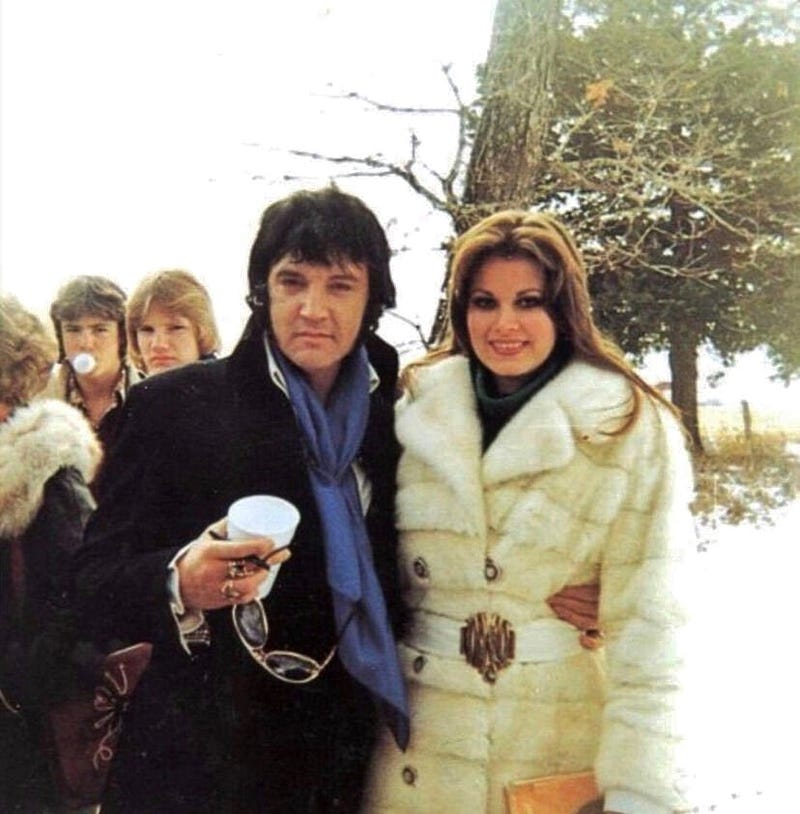
Elvis was creatively engaged when you sang impromptu gospel songs around his house, but why did he apparently hate fulfilling his RCA recording contract?
As Elvis kept making movies, he became frustrated that he wasn’t getting the kind of songs he wanted to sing. It all boiled down to publishing, even though Elvis never specifically broached the subject with me.
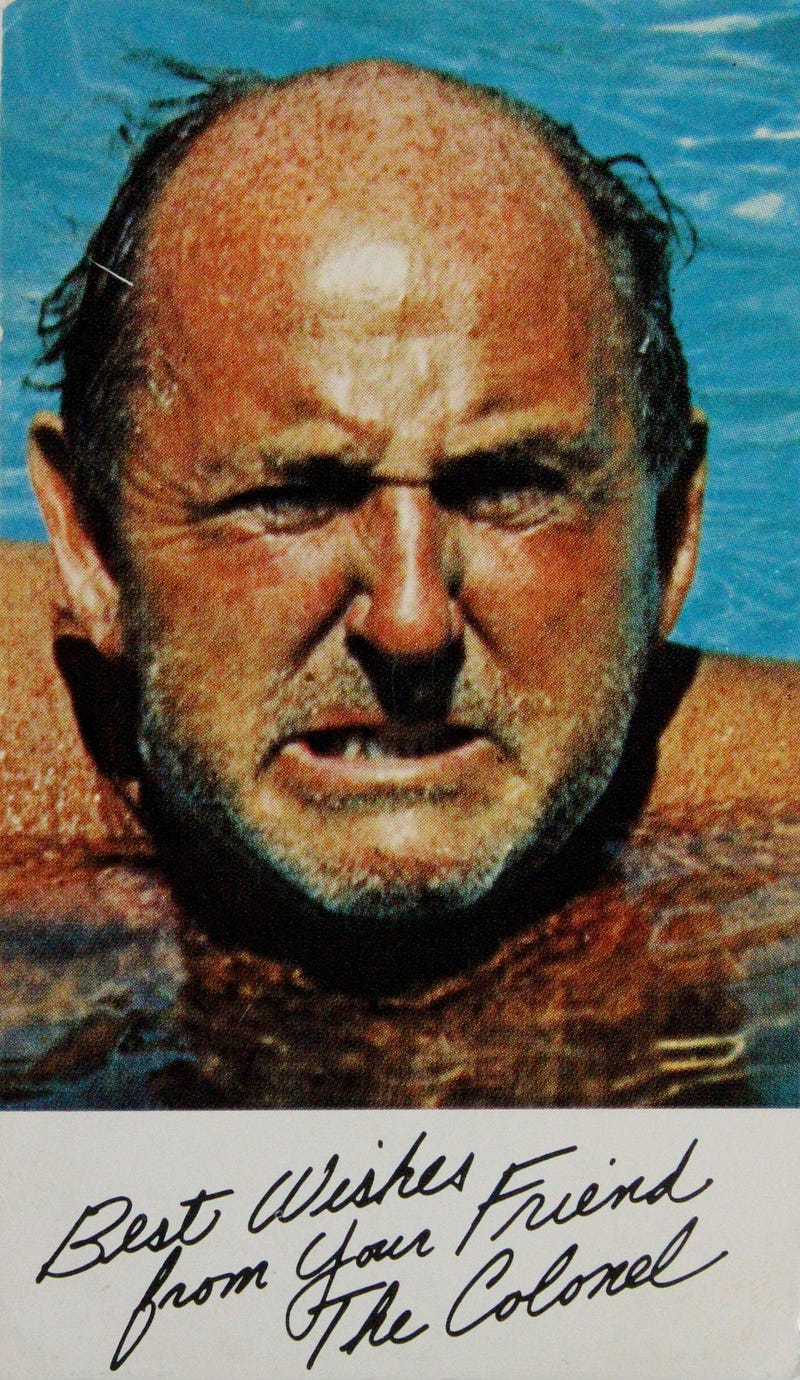
[Author’s Note: Hill & Range Music belonged to brothers Julian and Jean Aberbach and represented the majority of country pouring out of Nashville in the 1950s. A 50–50 partnership between Hill & Range and Elvis was ironed out by Colonel Tom Parker. Over time various publishing companies were established under the Hill & Range umbrella — e.g. Elvis Presley Music, Gladys Music, Whitehaven Music, Mr. Songman Music — steered by the Aberbachs’ cousin Freddy Bienstock with Parker clandestinely collecting a piece of the publishing. Sessions did not occur until Bienstock corralled song demos from a stable of writers for Elvis’ approval or rejection. Typically the Aberbachs demanded the publishing rights on one side of each Elvis single, hindering his chances of cutting outside material and leaving songwriters in a quandary about turning over their publishing points to the Aberbachs].
The publishing came to a head during Elvis’ career-rejuvenating sessions at American Sound Studio with Chips Moman and the Memphis Boys. After tracking the soon-to-be classics “In the Ghetto,” “Don’t Cry Daddy” [both composed by Mac Davis], and “Suspicious Minds” [Mark James], Elvis complained to Chips about how difficult it had become to find good, original material to record.
The maverick producer didn’t tiptoe around the truth. Chips told Elvis, who apparently had no idea, how the Colonel’s advantageous publishing deals hindered established and even rising songwriters from submitting songs for Elvis to consider [Marty Lacker, American Sound business manager and former Memphis Mafia foreman, likely broached the subject, too]. Once the January-February 1969 Memphis sessions were over with the From Elvis in Memphis and Back in Memphis albums in the can, the Colonel fired Chips because he refused to play the game.
Based in Nashville, Felton Jarvis picked up the production mantle permanently and just went along with the flow. Publishers that had an in with the Colonel continued to be given first crack at sending demos, which obviously narrowed Elvis’ choices and resulted in some mediocre records.
Take an artist like George Strait. He and I listened to thousands of songs and whittled them down to the best 10–15 before we ever set foot in the studio. Elvis didn’t have that luxury. I don’t think Elvis was happy with the original music he was being pitched, which is why he covered so many artists he had long admired. The creative process was not as much fun as he hoped it would be.
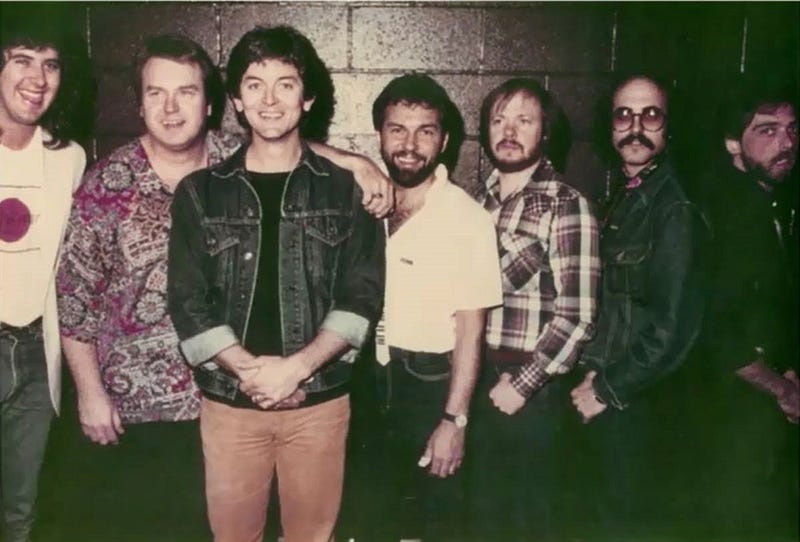
Here’s why I feel that way. I’m a record producer. What made me know that I was capable of being a good producer was observing Rodney Crowell in the early ‘80s. I toured and recorded with Rodney as one of the Cherry Bombs, a group that had its origins in Emmylou Harris’ Hot Band [Brown was a sideman on But What Will the Neighbors Think and Rodney Crowell; by the end of the Greed Decade Brown had leaped into the producer’s chair for Diamonds & Dirt, Keys to the Highway, Let the Picture Paint Itself, and ultimately 1995’s Jewel of the South. Diamonds & Dirt chalked up a gold record and remains Crowell’s best-selling LP]. I was also paying close attention when Rodney collaborated with Rosanne Cash [Brown supplied electric piano on Cash’s Right or Wrong, Seven Year Ache, and Somewhere in the Stars].
I was at MCA for a long time [in 1984 Brown joined MCA/Nashville’s in-house A&R department, became executive vice-president and head of A&R, and then served as president of the label from 1993–2002]. My first MCA boss was the great Jimmy Bowen, who came to Nashville because he was frustrated that none of the Music City record companies were run by creative people since Chet Atkins’ RCA tenure [1957–1973]. It was all controlled by money guys. Bowen taught me so much about production.
My awareness of Elvis’ publishing plight heightened in the aftermath of the 40th anniversary of his passing. I was interviewed for HBO’s three and a half hour documentary The Searcher, directed by Thom Zimny, produced by Bruce Springsteen’s longtime manager Jon Landau, and endorsed by Priscilla Presley.
Around the same time the BBC asked me to participate in their 60-minute documentary, Elvis: The Rebirth of the King, which persuasively argues how Vegas killed Elvis’ creativity. It also dwells on the Colonel demanding a significant percentage of the publishing and Elvis’ Memphis sessions with Chips. Elvis fascinates me, even if we’re talking about his obsession with jumpsuits. I hope I never get over being star-struck. I was in an elevator with Celine Dion, my favorite female pop singer, and I didn’t have the nerve to say one word. I stood there looking at her like a fool and peed down my leg [laughs].
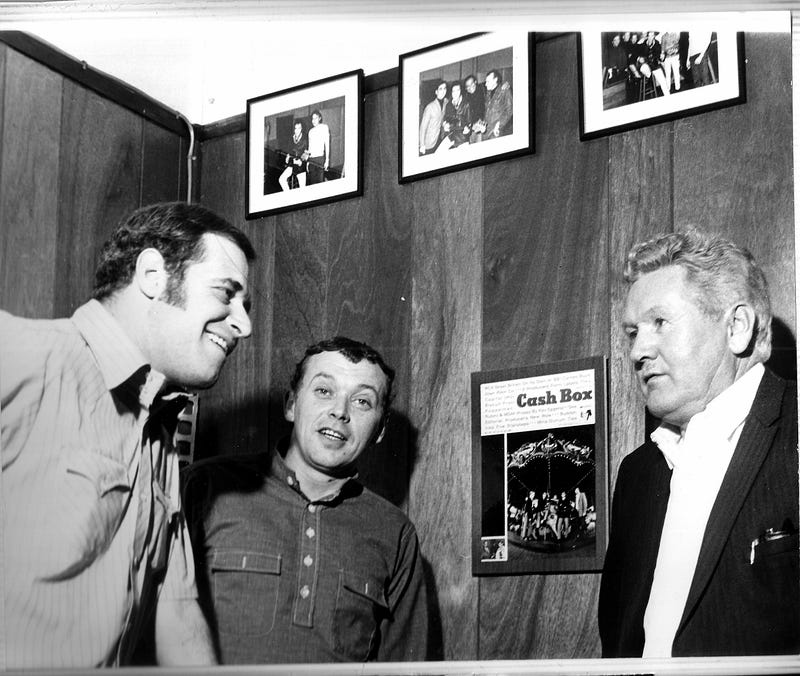
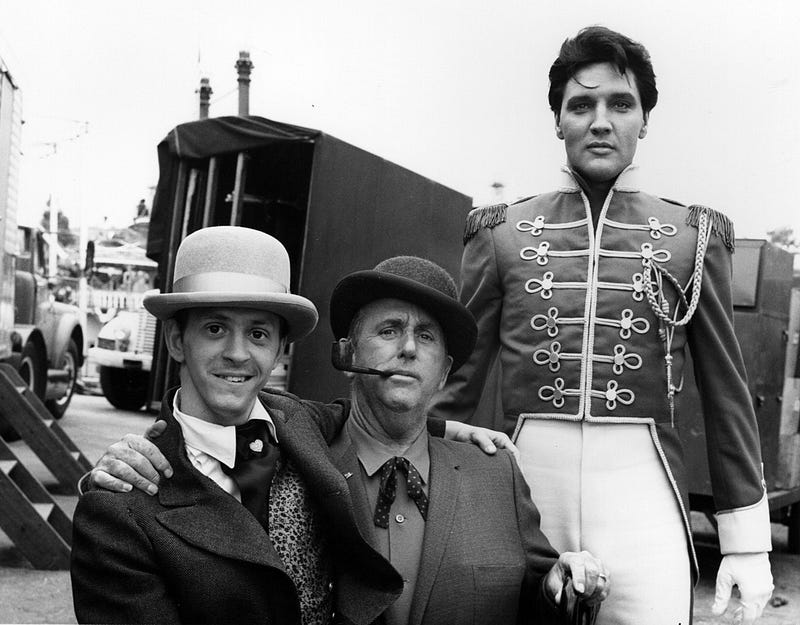
Until the mid-’60s the Colonel’s song publishing policy was second to none. In tandem with the movie soundtrack treadmill, the preponderance of rock songwriters being signed by record labels as artists in their own right, and the onslaught of the British Invasion, hit singles became a paucity for Elvis. Mystery Train: Images of America in Rock ‘n’ Roll Music author Greil Marcus opined, “He became an employee of his own movie factory.”
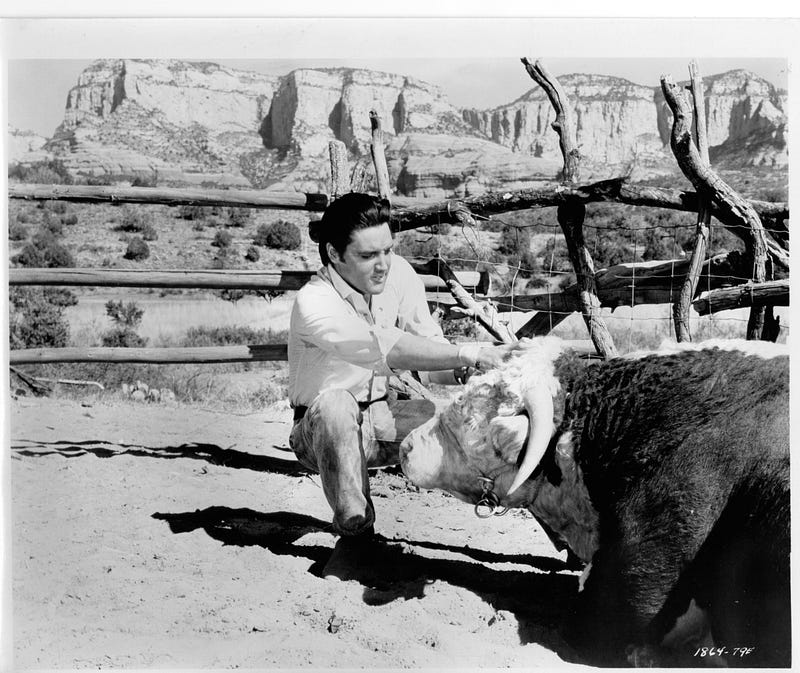
“Hound Dog,” “Jailhouse Rock,” “Can’t Help Falling in Love,” “Return to Sender,” and all those songs were great. I’ll bet that if you do a little digging you’ll find out that the Colonel probably ended up with half of the publishing on them [a plausible assessment]. As Elvis got knee-deep into churning out three formulaic movies per year, their declining quality dictated the kinda demos that Elvis was sent [specifically written for scenes such as Elvis serenading Annette Day in swingin’ London on the back of a truck hauling chickens and ducks to the tune of “Old MacDonald Had a Farm” in Double Trouble or awkwardly saluting “Dominic” the brown bull in Stay Away, Joe]. The irrelevant soundtrack fluff was so far removed from what Elvis’ brand was — rockabilly, rock ‘n’ roll, R&B, pop, country, and gospel — and it really frustrated him. He and Chuck Berry created an entire music genre — rock ‘n’ roll. Things were going at such an accelerated pace for Elvis in the ‘50s it’s a wonder he survived. He was driven and out to prove his detractors wrong.
Elvis was pretty much a simple Southern guy. Unlike Michael Jackson, Celine Dion, Garth Brooks, or Taylor Swift who were / are in total control of every aspect of their musical career, Elvis preferred to be laissez-faire unless his back was against the wall. All the guys that were in his group pretty much took advantage of his roll with the flow attitude. Career-wise it didn’t seem to hurt Elvis, since he ended up being the biggest artist in the world. But it made me realize that a lot of artists have frustrations.
For instance, the whole outlaw country craze started because RCA wouldn’t let Waylon Jennings record with his road band. Same with Willie Nelson. When I was at RCA, Waylon was winding down his tenure [1965–1985]. The head of the label, Jerry Bradley, would make me go listen to the latest Waylon record because he knew it would be so bad [in spite of consistently chalking up Top Ten’s, Jennings hadn’t reaped a gold-certified solo album since 1980’s Music Man. “Hoss” told Spin magazine that he was blowing $1,500 a day on cocaine before he hit rock bottom in 1984].
DON’T GO ANYWHERE — THE TONY BROWN INTERVIEW AIN’T OVER ’TIL IT’S OVER!
© Jeremy Roberts, 2022. All rights reserved. The Tony Brown interview was edited for clarity, brevity, and sequenced cohesively. To touch base, email [email protected] and mention which story led you my way. I appreciate it sincerely.