
Easter song beside the empty tomb
a verse translation for Pentecost
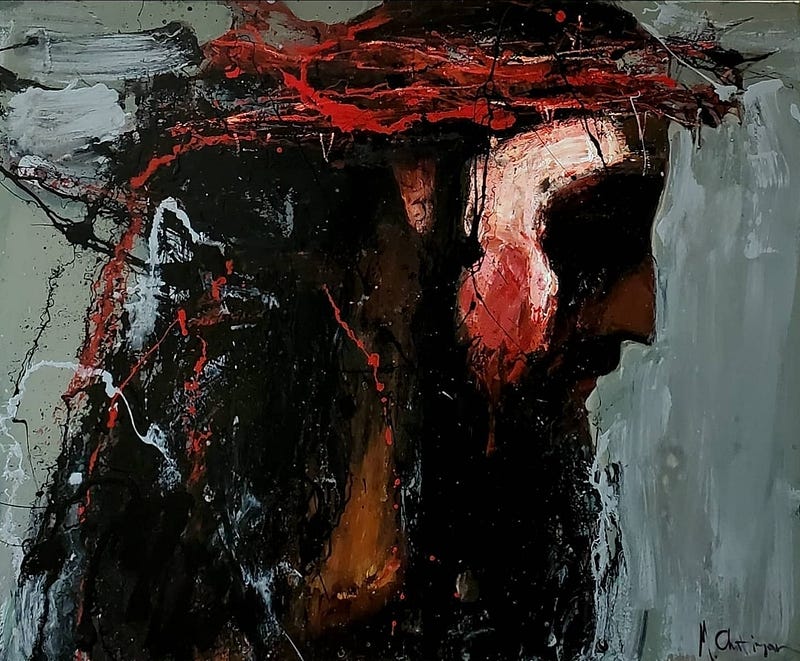
a poem by Jenő Dsida, translated by Joe Váradi. This is not only a gorgeous, deeply personal poem, it is also meticulously crafted, 13 verses, each adhering to a 8–8–7–7–8–8–7 syllable structure, a-a-b-b-c-c-b rhyme scheme.
I came across it on Easter Sunday, and set out to finish the translation by Pentecost.
By your tomb with trepidation, fearfully I man my station, oh - the charge is great, no doubt, burns and crushes with its might: for the skeptics and the doubters, for your sacred law’s deniers, empty grave, a ghastly sight.
By the mouth of your open grave sitting amid sighs that I gave pondering my wretched life half-wasted, with sadness rife woe, — I’m battered by such sorrow, as in verses of Jacopo and Saint Bernard call to you.
There is no one quite so vile, traitor and untrue disciple, on the devil’s path, treads he sure of foot, and knowingly: ‘postle nurtured on holy bread, yet to sinful ways he was led, - Christ, that guilty soul was me.
All I see in my self’s dark well, vile curse, detestable spell, wound-riddled, despicable, urges uncontrollable, drowned in drink and gluttonousness, facing sordid sins, resistless, endlessly contemptible.
If I knew you’d lend forgiveness, to your kingdom, grant me access, I’d bore out mine own two eyes, lob off my two hands, likewise, sever my tongue on a knife’s edge, let my body fall to ravage, sinful tools that I despise.
My sins are innumerable. I regret all, I repent all, and this pain that torments me bends its arc toward ecstasy. With my hair ash-covered and torn, I rise on this cool Easter morn and your empty grave I see.
Marvel at the clammy, concave recess carved into a rock cave, my two arms hang listlessly, useless they are now to me … You dole out unbounded mercy, rise, resurrect, grant clemency if only I’d let it be.
Nursing the wounds of my old faith, all day long I sit and I wait. Suddenly a sacred breeze wraps my soul in warmth and ease, from beyond the deep, ashen gates melodious tune emanates, string of drops, my tears release.
My Lord is alive once again, treads his well-worn stride once again, bathes in April’s vernal ways, gilded by the sun’s warm rays, wherever he ambles along, throngs of birds break out into song, newly sowed fields sing his praise.
Maidens chanting holy gospels, flower-bearing pure disciples, Master, I won’t follow thee. Perchance on a quiet eve, I’ll set out, and trace your journey, crawling, prostrate, down on my knee, teary eyed, ephem’rally.
Caught up in a thornwood’s branches, pitch dark, crossing vast expanses parched and famished, I travail, scaling mountains, I travail, like a hound who’s wandered off path, catches the scent of his own death, still pursues his master’s trail.
Sing the praise of heaven’s story, palmy, everlasting glory, meanwhile dragging my earth-bound body on the dusty ground, rejoicing that none of them know how my swelling, how my pains grow, ’til in my own blood I’m drown’d.
Heaven’s doctrine defies knowing: crawling, bleeding, yet rejoicing, wallowing in dust and mire and yet, aiming ever higher … wear my legs down to the core yet I know, at Heaven’s door I will reach you, Christ, my Sire!
See the original: Húsvéti ének az üres sziklasír mellett
Shout-out to Dan Foster, a prolific writer on Christianity and spirituality.
Jenő Dsida (1907–1938) was a Hungarian poet and translator who lived a tragically short life overshadowed by World War I. He was active on the Transylvanian cultural scene, and often infused his poems with Christian devotional themes.
This is my seventh translation of Dsida’s works.