
Don’t Tell Your Readers What To Do!
Be a writer, not a dictator

Do any of these titles sound familiar to you?
If you do this, you will fail!
Stop doing this if you want to succeed.
If you do these three things, you will become rich and famous.
This one thing kills your writing! Stop doing it!
Maybe, like me, you thought they were just an attention grab, but when you start reading the post, you are being told what to do and what not to do. This almost instantly puts me off reading.
I’ve always preferred the “I do this” approach rather than the “You should do this”
People do not like being told what to do. This is a fact.
OK, it isn’t an actual fact. It’s my opinion, but it’s a pretty strong opinion based on experience with telling people what to do. I used to be a teacher, so I had to tell children what to do. Later I was the head teacher. I then I had to tell other teachers what to do. And neither the students nor the teachers enjoyed it very much.
And this is not because I am not a nice person!
We’ve all stumbled upon an article or blog post that seemed more like a lecture than a piece of valuable content. These kinds of posts seem to be very popular for some weird reason. Where the author is relentlessly instructing you on what they think you should or shouldn’t do without considering your unique needs.
As a writer, I want to inform, inspire, and engage with my audience, not dictate their every move. Offering guidance and insight is more important to empower readers and help them make their own decisions based on the information that I’ve written.
Here are some reasons why you should resist the urge to tell your readers what to do.

Individuality
Every reader is unique, with their own experiences, beliefs, and preferences. Putting everyone into one basket limits your reading audience. What works for me might not work for you.
Encourage thinking
I like to present information in a thought-provoking manner rather than DO or DON’T! This method works for me because this is how I like information to be given to me.
Giving examples
I show the reader examples of what I’ve done and why this has been successful for me as a person.
One of my readers said before that they find italics put into bold in a post quite annoying and around four or five other readers agreed. This has never been an issue for me, but I took note and I’ve been trying to stop the habit.
This, I believe, is better than just saying
“You should never put words into italics and bold in your post because people don’t like it!”
Building trust and credibility
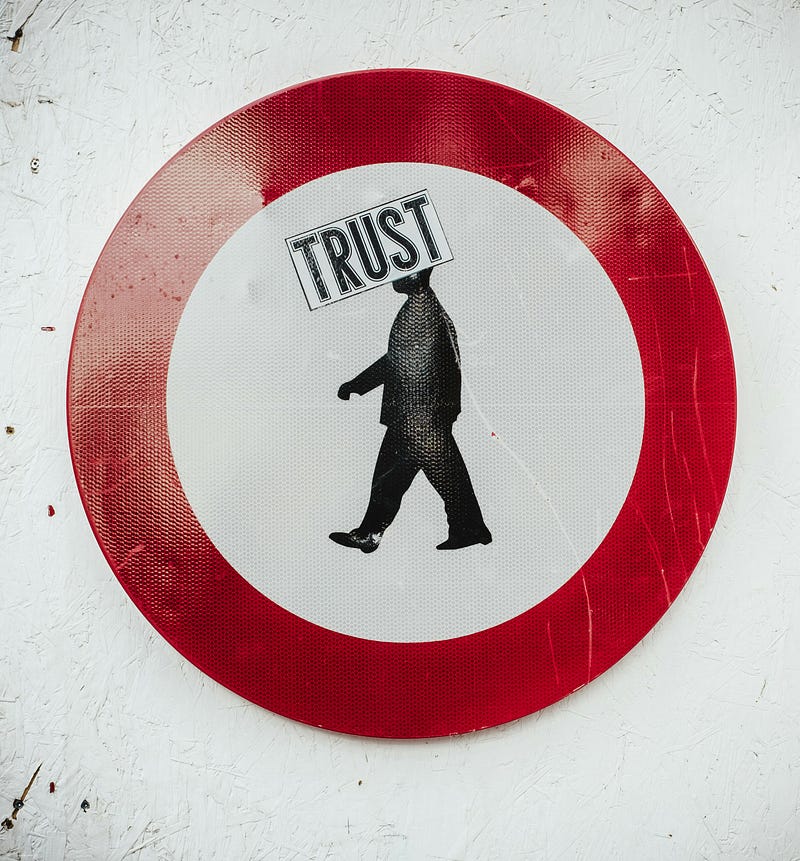
Readers are more likely to trust and respect writers who treat them as equals. If your posts are a bit too preachy and come across as arrogant, you may lose readers before they’ve finished reading.
I’ve had to edit more than once when a few sections or sentences have been in the style of YOU MUST…!!
This is a personal preference, as I think a writer doesn’t have to lecture at me.
The sentence “Who the hell do you think you are?”
And I often think that if I feel this way so will others. And I really don’t want to put off my readers!

To round up
When I read through a completed post, I ask myself these three questions.
Are you lecturing?
Are you telling and not showing?
If you were reading the piece, how would you feel?
Thanks so much for reading! Don’t forget to follow, clap, and comment if you want to!
Paul