
Dogs!!!
Dogs are so happy. But Why?
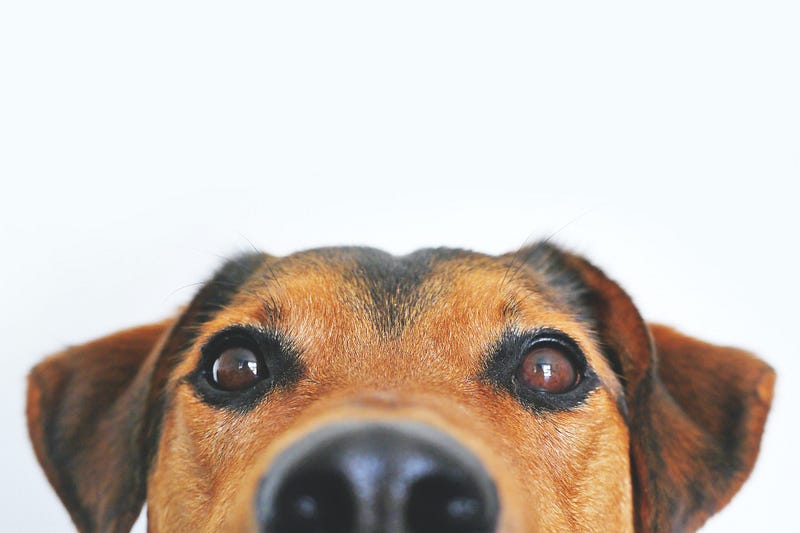
Dogs are often seen as happy because they have evolved as social animals that rely on communication and interaction with humans and other animals. They are known for their joyful and energetic nature, and they are capable of experiencing a range of positive emotions, such as happiness, excitement, and contentment.
Body Language
One of the reasons dogs seem so happy is their ability to express themselves through body language. Dogs use their tails, ears, and facial expressions to communicate their emotions and intentions. For example, a wagging tail is often a sign of happiness and excitement, while a relaxed and open body posture indicates that the dog is feeling calm and content.
Dogs are known for their ability to communicate with humans and other animals through a wide range of body language cues. From the way they wag their tails to the position of their ears and the expression on their faces, dogs are constantly sending signals about their emotions, intentions, and state of mind.
One of the most easily recognizable body language cues in dogs is their tail wagging. While many people assume that a wagging tail always means a dog is happy, this isn’t necessarily the case. In fact, dogs can wag their tails for a variety of reasons, including excitement, anxiety, or even aggression. The key is to pay attention to the speed, height, and direction of the wag, as well as the context of the situation.
For example, a fast and wide tail wag, combined with a relaxed body posture and a happy expression, is typically a sign of joy and excitement. On the other hand, a slow and low tail wag, combined with a tense body posture and a fixed stare, may indicate that the dog is feeling anxious or aggressive.
In addition to tail wagging, dogs use a variety of other body language cues to communicate their emotions and intentions. For example, the position of their ears can indicate whether they are feeling relaxed and happy, alert and interested, or scared and anxious. A dog with relaxed and forward-facing ears is typically feeling calm and happy, while a dog with ears flattened against their head may be feeling scared or submissive.
Similarly, dogs use their facial expressions to convey a range of emotions. A relaxed and open mouth with a loose, floppy tongue is a sign of contentment and relaxation, while a tight-lipped or wrinkled snout may indicate anxiety, aggression, or discomfort.
Overall, dogs’ ability to express themselves through body language is a crucial component of their communication with humans and other animals. By paying attention to these cues, we can better understand their emotions, needs, and intentions, and strengthen our bond with these amazing animals. Whether it’s a wagging tail, a relaxed ear posture, or a contented expression, dogs’ body language speaks volumes about their inner world and can teach us a lot about the beauty and complexity of the animal kingdom.
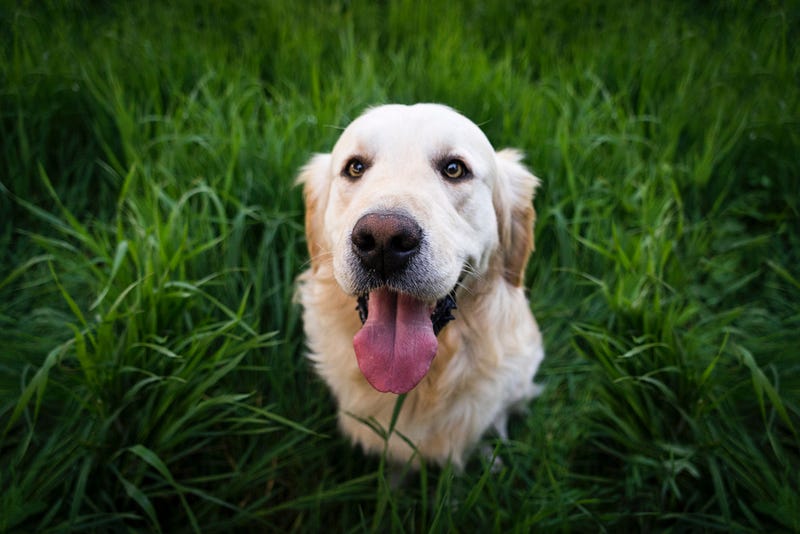
Play and Social interaction
In addition to their expressive body language, dogs are also known for their love of play and social interaction. They enjoy spending time with their owners and other dogs, and are often seen playing games and engaging in other fun activities. This social interaction is important for their mental and emotional wellbeing, and helps to reinforce their positive emotions and happiness.
Dogs are social animals and, like humans, they thrive on play and social interaction. Play is a vital component of a dog’s physical and mental well-being, and it is an essential part of their development from puppies to adulthood. Through play, dogs learn important social skills, build confidence, and establish bonds with other dogs and humans.
One of the most common types of play among dogs is rough-and-tumble play. This type of play involves playful physical contact, such as chasing, wrestling, and play-biting. While it may look aggressive to humans, it is actually a natural and important way for dogs to develop their physical skills and socialize with other dogs.
Another important type of play for dogs is interactive play with their human companions. This can involve games like fetch, hide-and-seek, or tug-of-war, which not only provide physical exercise but also mental stimulation and bonding opportunities with their owners.
Play is also an important tool for dogs to relieve stress and anxiety. Just like humans, dogs can become stressed or anxious due to factors like changes in their environment, separation from their owners, or boredom. Play provides an outlet for these negative emotions, allowing dogs to release pent-up energy and feel more relaxed and content.
In addition to play, social interaction is also crucial for dogs’ overall well-being. Dogs are social animals and thrive on the company of other dogs and humans. Social interaction allows them to develop and practice important social skills, such as communication and cooperation, and also helps prevent loneliness and depression.
Dog parks and other social settings provide opportunities for dogs to interact with other dogs and humans in a safe and controlled environment. These interactions help build confidence and social skills and can lead to lasting friendships between dogs and their owners.
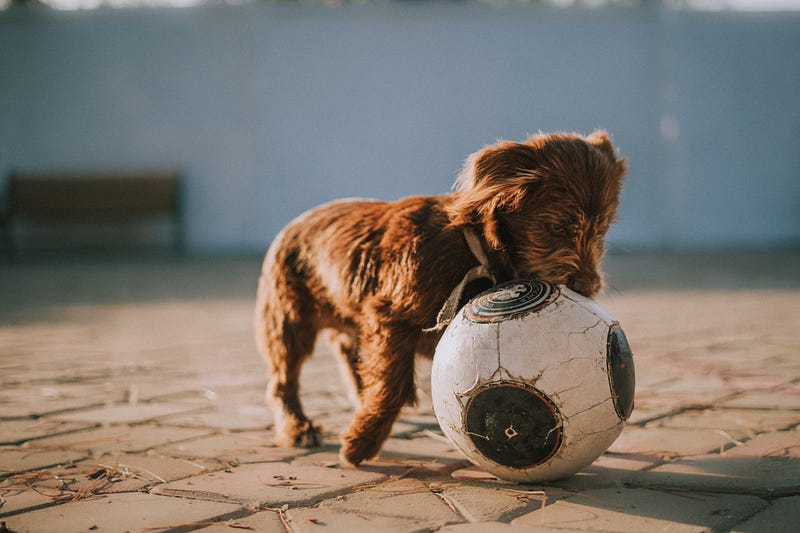
Strong Bonds Their Humans
Finally, dogs are known for their unconditional love and loyalty towards their owners. They form strong bonds with their human companions and are often seen wagging their tails, licking their owners’ faces, and seeking out physical contact as a way of expressing their love and affection.
Dogs have long been known as “man’s best friend” and for good reason. These furry companions have an amazing ability to form strong bonds with their owners, often becoming more than just pets but integral parts of the family. This bond is based on trust, love, and a mutual sense of companionship that can have numerous positive effects on both the dog and their owner.
One of the main reasons dogs form such strong bonds with their owners is due to their social nature. Dogs are pack animals, and in the wild, they rely on their pack members for safety and support. When dogs are domesticated, their owners become their pack, and they instinctively seek to form close relationships with them.
This bond is also strengthened through training and positive reinforcement. When owners provide consistent, gentle guidance, and praise, dogs learn to trust and depend on their owners. In return, dogs provide unconditional love, loyalty, and companionship to their owners.
The bond between dogs and their owners has numerous positive effects on both parties. For dogs, the bond provides a sense of security and stability. They know that they have a safe place to call home, a consistent source of food and shelter, and someone who cares for them. This security can lead to increased confidence, reduced anxiety, and improved overall well-being.
For owners, the bond with their dog can provide a sense of purpose and companionship. Dogs offer unconditional love, and their presence can provide comfort and emotional support during times of stress or hardship. Dogs can also be a source of motivation for their owners, encouraging them to be more active and get outside for walks and playtime.
The bond between dogs and their owners has also been shown to have numerous health benefits. Studies have found that owning a dog can reduce stress and anxiety, lower blood pressure, and even improve heart health. The companionship and love that dogs provide can also help combat feelings of loneliness and depression, making them an important part of many people’s mental health care.
In conclusion, the close bond between dogs and their owners is a remarkable and special relationship. It is built on trust, love, and companionship and has numerous positive effects on both the dog and their owner. The bond provides dogs with a sense of security and stability, while for owners, it can provide a sense of purpose and companionship. The health benefits of owning a dog cannot be overstated, making them not just pets but important members of many families.
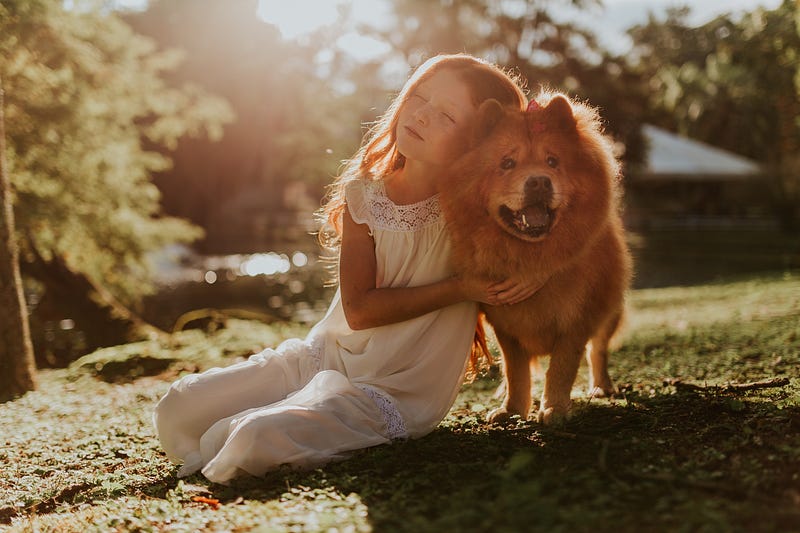
TLDR:
Overall, the combination of expressive body language, love of play and social interaction, and unconditional love and loyalty towards their owners are some of the key factors that contribute to dogs’ overall sense of happiness and joy.



