
Are “Friends” Taking Your Energy, Leaving You Weary and Anxious?
If you still feel empty after devoting your efforts, it may be time to walk away.
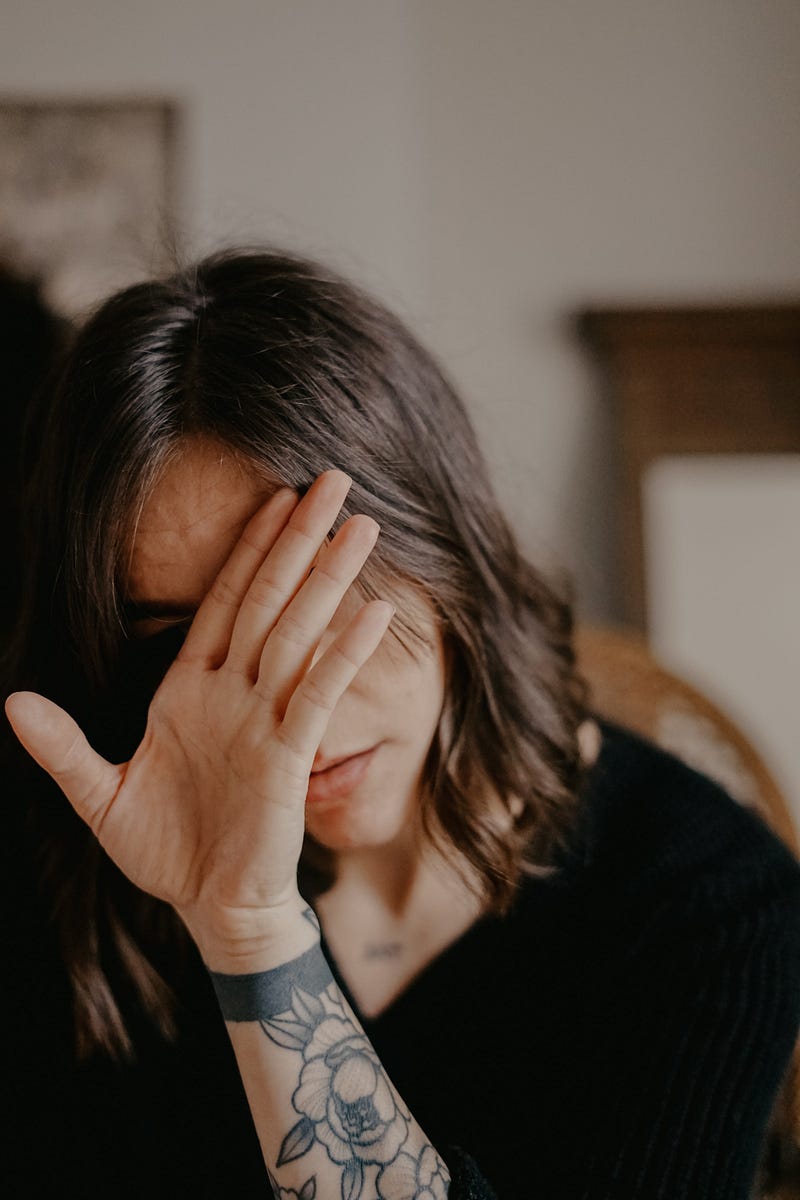
This post was inspired by Natalie. Her words came at a the perfect time, as they defended why I am fine not “fitting in” with some others.
So, story time. I am a people pleaser, but I am working on establishing boundaries to make my newer friendships more of a two-way street, as Natalie beautifully describes the importance of in her piece here:
Over the last few years, I started noticing a pattern with a newer friend. The pattern was that I was the one initiating everything.
I was the one making space for them, yet they weren’t making space for me. I was always the one to say “hello” first in person in our common shared space.
That’s not to say that I wasn’t invited to this person’s house or anything, because I was. I mention this because if something like this happens with you, it can temporarily distract you from the patterns you know you’ve been noticing on your own.
Being a guest didn’t always feel welcoming. It felt more like the evening’s purpose was to shine a spotlight on the host.
What hurt more with this person in particular, was that I was the one who reached out to them to make them feel more welcome in our shared space, especially since I had been there longer. There’s an unspoken etiquette in communities — reach out to others to make them feel welcome, right?
But some people are only interested in climbing the social status ladder. Some people only enjoy an audience, versus real connections.
And you know what the painful truth is that you must learn? That is okay. You are not meant for everyone, and not everyone is meant for you. This is on purpose, but it can still sting in the moment when you’re trying to figure it all out.
So because we were often in a shared space, I started creating a boundary for myself. I stopped making the first effort in initiating conversation with them to see what would happen.
You know what their reaction was? They were mad at me, and distanced themselves from me for feeling anger coming from me.
I was never angry, I was creating a boundary and testing it out. Are there better ways to do that? Probably, sure. But at the time I didn’t see the need to strain myself in a community setting, where each of us had people we were spending time with. I had my friends, and they had their audience.
We’ve since drifted, but my soul has been lighter ever since.
There comes a point where you realize that you have autonomy over your life. It’s also so important to understand that you also get to keep your autonomy in your relationships.
Real friendships should not be one person pouring whatever is left from their own cup into the other person’s already overflowing cup.
Real friendships are a give and take, where both feel that sense of belonging, respect, and growth. Real friendships make you feel good about yourself. Real friendships are a blessing, and we all deserve that.
As we get older, it’s okay to not allow everyone into our circle. If everyone were a part of it, it wouldn’t make those real connections we keep as special as they are.
Like the connections where you’re so thankful for the other person’s existence, for their wisdom, their ability to listen, and their ability to comfort you. The connections that after a few hours of conversation with them, you’re so grateful for having each of your life paths cross. The connections where you are seen, you see them, and you are there for each other.
Those connections are what make life’s challenges worth it. They’re the ones who will always be there to lend support and a listening ear, and you know you’d do the same for them without hesitation. ❤
If you enjoy reading my work, please consider becoming a member by clicking this link and creating your own stories for other readers like myself! We all have a unique experience to share, and there’s always someone who finds meaning in your story. I also receive some love from each referral made!


