avatarBrook

Free AI web copilot to create summaries, insights and extended knowledge, download it at here

2640

Abstract

t-to-piss-in">Wordorgins.org</a>, the familiar sayings “<i>piss-poor</i>” and “<i>pot to piss in</i>” did NOT originate because people actually used to sell their urine.</p><p id="3709">Wilton’s site <a href="https://www.wordorigins.org/big-list-entries/piss-poor-pot-to-piss-in">shared</a> that urine was once used for the purpose of tanning animal skins. The acid in human pee helped to soften the skin and loosen the remaining animal hair. However, advances in science provided ways to produce tanned animal skins using a manufactured substitute for urine.</p><p id="d756">I went on digging and <a href="https://www.hughescapital.com/the-myth-of-the-stinky-bride/#:~:text=Urine%20was%20once%20used%20to%20tan%20animal%20skins%2C,in%E2%80%9D%20and%20were%20the%20lowest%20of%20the%20low.">learned</a> that using the phrases “<i>piss-poor</i>” and “<i>pot to piss in</i>,” did not start until 1946. So clearly, the phrase came long after the practice of saving up urine to make a living.</p><p id="938c">While reading up on the myth surrounding the origin of “<i>piss-poor,</i>” I read about some other fun stories about modern traditions and sayings.</p><p id="f065"><b>The tradition of bridal bouquets</b></p><p id="ea58">I learned the tale of the “stinky bride.” It was said in social media posts and entertaining emails, like <a href="https://catholicexchange.com/life-in-the-1500s/#:~:text=%20Life%20in%20the%201500s%20%201%20%E2%80%A2,the%20only%20place%20for%20animals%20to...%20More%20">Life in the 1500s</a>, that people used to get married in June. The reason people supposedly chose June was to avoid having a <b><i>stinky bride.</i></b></p><p id="7361">According to that tale, people only took one bath per year in the 1500s and it was in May. So in June, the brides were not too smelly. They would carry bouquets of flowers, though, to hide any odor that they might be omitting.</p><p id="9eb2">A quick internet search landed me on a fact-checking report published by <a href="https://www.snopes.com/fact-check/life-in-the-1500s/">Snopes</a>. The tale of the stinky bride is another <b>myth.</b></p><p id="51be">While baths in the 1500s did not resemble the luxurious bubble baths we take today, people washed up frequently. Brides carried flowers as a symbol of fertility, not to cover up body odor.</p><p id="9608">Here are some other fun reads from fellow writers that I came across today. I hope you also enjoy them.</p><p id="1fab">I got a kick out of this article by <a href="undefined">Linda Ng</a>, and it reminded me to fetch Friday’s banana out of my work bag.</p><div id="264b" class="link-block"> <a href

Options

="https://readmedium.com/why-are-you-so-cruel-you-made-the-poor-banana-so-sad-85bfb63c3a6c"> <div> <div> <h2>Why Are You So Cruel? You Made The Poor Banana So Sad</h2> <div><h3>You always slip from everyone’s memories for some reason!</h3></div> <div><p>medium.com</p></div> </div> <div> <div style="background-image: url(https://miro.readmedium.com/v2/resize:fit:320/1*TGzGxTqoAtgvbFtQKibTqw.jpeg)"></div> </div> </div> </a> </div><p id="1b0d">I also loved this article by <a href="undefined">Dr. Preeti Singh</a> about motivating ourselves with a mantra.</p><div id="f149" class="link-block"> <a href="https://readmedium.com/one-two-buckle-my-shoe-the-magic-mantra-for-moving-forward-quickly-8ce8a2ef56cd"> <div> <div> <h2>One Two Buckle My Shoe The Magic Mantra For Moving Forward Quickly</h2> <div><h3>Every person should have a magic mantra to relate to so that they can move fast.</h3></div> <div><p>medium.com</p></div> </div> <div> <div style="background-image: url(https://miro.readmedium.com/v2/resize:fit:320/0*SumPz6gTn16HeMs0)"></div> </div> </div> </a> </div><p id="eef0"><i>A sincere <b>thank you</b> for reading.</i></p><p id="95d8"><i>If you like my posts, click <a href="https://medium.com/subscribe/@brookj1014">here</a> to get an email whenever I publish.</i></p><p id="e64e"><i>If you are not already a member of Medium, please consider joining <a href="https://medium.com/@brookj1014/membership">here</a> with my <a href="https://medium.com/@brookj1014/membership">referral link</a>. Your $5 monthly fee will go to supporting writers like me, and you’ll have the opportunity to <b>get paid </b>for what you write.</i></p><div id="5238" class="link-block"> <a href="https://medium.com/@brookj1014/membership"> <div> <div> <h2>Join Medium with my referral link - Brooke Krzyston</h2> <div><h3>As a Medium member, a portion of your membership fee goes to writers you read, and you get full access to every story…</h3></div> <div><p>medium.com</p></div> </div> <div> <div style="background-image: url(https://miro.readmedium.com/v2/resize:fit:320/0*SpCzHdS-1QG1QtIS)"></div> </div> </div> </a> </div></article></body>

Do You Know What It Really Means to Be “Piss-poor”?

Fun facts or fictional tales?
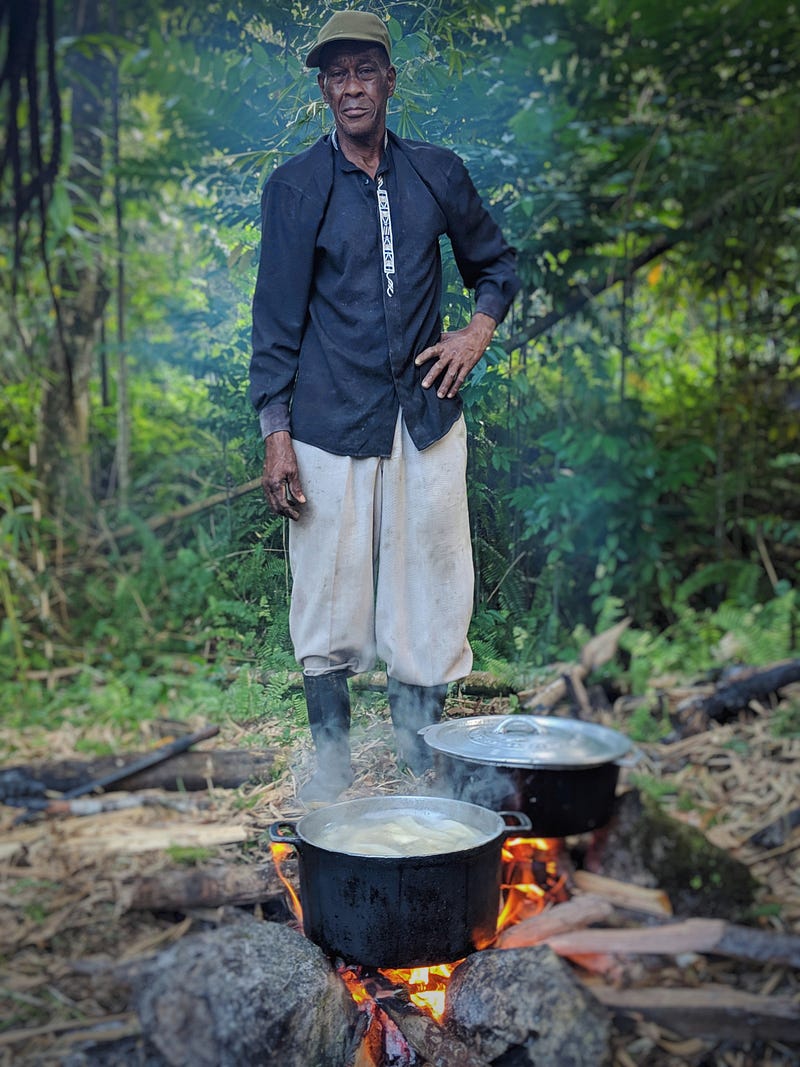
Photo by Juan Jose on Unsplash

“I can’t go on a vacation, I’m piss poor.”

Have you heard that phrase, or even used it yourself in conversation?

“Piss poor” is a pretty common expression. People use it to describe themselves or others as broke, or financially unstable. In the United States, it’s probable that you’ll hear the phrase in conversation, on radio shows, or in TV sitcoms.

According to The Free Dictionary, piss-poor means: “rude slang; Extremely impoverished; having no or very little money.”

Piss-poor as modern slang is relevant, but is there an interesting historical meaning to the term?

A fun email and internet post that started circulating in 1999 was often titled “Life in the 1500s.” The posts contained fun facts about the origins of everyday sayings. In the list, which I recently saw republished on Facebook, were the terms “piss-poor” and “pot to piss in.”

The list said that urine used to be used to tan animal skins, so selling it was a source of income for poor families. Families would pee in a pot, instead of the toilet, throughout the day. Then once a day, the pot of urine was brought to town and sold to the tanneries. If your family was one of those participating in these exchanges, you were “piss-poor.”

The story went on to explain that some families were so poor that they couldn’t even afford a pot to store and sell their urine in. These families were described as not having a “pot to piss in,” explaining another modern-day saying to describe the less fortunate.

I thought that was very interesting, but I wanted to learn a little more. As I started to dig, I was disappointed to learn that it was a myth.

According to David Wilton at Wordorgins.org, the familiar sayings “piss-poor” and “pot to piss in” did NOT originate because people actually used to sell their urine.

Wilton’s site shared that urine was once used for the purpose of tanning animal skins. The acid in human pee helped to soften the skin and loosen the remaining animal hair. However, advances in science provided ways to produce tanned animal skins using a manufactured substitute for urine.

I went on digging and learned that using the phrases “piss-poor” and “pot to piss in,” did not start until 1946. So clearly, the phrase came long after the practice of saving up urine to make a living.

While reading up on the myth surrounding the origin of “piss-poor,” I read about some other fun stories about modern traditions and sayings.

The tradition of bridal bouquets

I learned the tale of the “stinky bride.” It was said in social media posts and entertaining emails, like Life in the 1500s, that people used to get married in June. The reason people supposedly chose June was to avoid having a stinky bride.

According to that tale, people only took one bath per year in the 1500s and it was in May. So in June, the brides were not too smelly. They would carry bouquets of flowers, though, to hide any odor that they might be omitting.

A quick internet search landed me on a fact-checking report published by Snopes. The tale of the stinky bride is another myth.

While baths in the 1500s did not resemble the luxurious bubble baths we take today, people washed up frequently. Brides carried flowers as a symbol of fertility, not to cover up body odor.

Here are some other fun reads from fellow writers that I came across today. I hope you also enjoy them.

I got a kick out of this article by Linda Ng, and it reminded me to fetch Friday’s banana out of my work bag.

I also loved this article by Dr. Preeti Singh about motivating ourselves with a mantra.

A sincere thank you for reading.

If you like my posts, click here to get an email whenever I publish.

If you are not already a member of Medium, please consider joining here with my referral link. Your $5 monthly fee will go to supporting writers like me, and you’ll have the opportunity to get paid for what you write.

Life Lessons
Social Media
Culture
Creativity
Coffee Times Movement
Recommended from ReadMedium