avatarDan Pfeifer

Free AI web copilot to create summaries, insights and extended knowledge, download it at here

2923

Abstract

gs in the Grapevine/Author Photo</figcaption></figure><p id="024b">The following video will give you some background for this project:</p> <figure id="f6fe"> <div> <div> <img class="ratio" src="http://placehold.it/16x9"> <iframe class="" src="https://cdn.embedly.com/widgets/media.html?src=https%3A%2F%2Fwww.youtube.com%2Fembed%2Ff6kSheOGnKM%3Ffeature%3Doembed&amp;display_name=YouTube&amp;url=https%3A%2F%2Fwww.youtube.com%2Fwatch%3Fv%3Df6kSheOGnKM&amp;image=https%3A%2F%2Fi.ytimg.com%2Fvi%2Ff6kSheOGnKM%2Fhqdefault.jpg&amp;key=a19fcc184b9711e1b4764040d3dc5c07&amp;type=text%2Fhtml&amp;schema=youtube" allowfullscreen="" frameborder="0" height="480" width="854"> </div> </div> </figure></iframe></div></div></figure><p id="61ad">From the Project FeederWatch website:</p><ol><li><b>Sign up</b><a href="https://feederwatch.org/join-or-renew/">If you have not yet signed up, join today!</a> During the season, it takes a few weeks from when you sign up for print materials to arrive, but you can begin counting right away.</li><li><b>Select your count site</b> — Choose a portion of your yard that is easy to monitor, preferably an area that is visible from one vantage point. Even if you don’t provide feeders, you can still count birds for FeederWatch.</li><li><b>Choose your count days</b> — Project FeederWatch runs from November 1 through April 30. For each count, select two consecutive days as often as once a week. We recommend that you leave at least five days when you do not count between each of your two-day counts. Counting less often is fine. Even if you only count once all season, your data are valuable.</li><li><b>How to count</b> — Watch your count site as much or as little as you want during each two-day count. For every species you can identify, record the maximum number of individuals visible simultaneously during your two-day count. <i>Keep one running tally across both days. This way you won’t count the same bird twice.</i></li><li><b>What to count</b> — Count all birds you see in your count site during the day that are attracted to resources that you provide, even if they don’t visit feeders, but ignore birds that simply fly over your count site.</li><li><b>Optional additional data</b> — There are several types of additional information you can record and submit with your bird counts: 1) mammals that you see in your count site, 2) sick birds and bird mortality, 3) behavioral interactions and predation events, 4) management activities that you do at your site, and 5) feelings about things you see during your counts.</li><li><b>Report your counts</b> — Submit counts through the Your Data section of our website or the FeederWatch mobile app.</li></ol><p id="749c">Even if you don’t have a feeder you can participate! If your budget is tight and you don’t have a feeder and/or bird

Options

seed, you still can count and report the birds you see at your count site.</p><p id="9d01">I will start this Saturday/Sunday with my first count for the season. I normally count on weekends but you can choose any 2 consecutive days, as long as they are 5 days apart.</p><figure id="3f12"><img src="https://cdn-images-1.readmedium.com/v2/resize:fit:800/1*PgKaveYwVq3zVVBtwUiiMA.png"><figcaption>Courtesy of <a href="https://feederwatch.org/">ProjectFeederWatch</a></figcaption></figure><p id="6f98"><b>A Great Family Activity</b></p><p id="e13a">Birdwatching is a great family activity. It is something you can do together with your kids, grandkids, elderly parents, almost anyone. It is relaxing and has many positive health benefits including lowering blood pressure.</p><p id="989d">So sign up today for this important and enjoyable project, and get your feeders set up and ready to go. You’ll be glad you did.</p><p id="aae0">Stay tuned for my count results.</p><div id="4376" class="link-block"> <a href="https://readmedium.com/gardening-one-way-to-stay-active-as-a-senior-a9c956bbe202"> <div> <div> <h2>Gardening -One Way to Stay Active as a Senior</h2> <div><h3>Crow’s Feet Writing Prompt #44: Staying Active</h3></div> <div><p>medium.com</p></div> </div> <div> <div style="background-image: url(https://miro.readmedium.com/v2/resize:fit:320/1*mU5A6Bmwumm8eiUwwavKCg.jpeg)"></div> </div> </div> </a> </div><div id="3412" class="link-block"> <a href="https://readmedium.com/enjoying-the-fall-colors-in-rural-ny-state-dada31496b1a"> <div> <div> <h2>Enjoying the Fall Colors in Rural NY State</h2> <div><h3>The Road Less Travelled-Volume 36-Another Great Fall Mountain Bike Ride</h3></div> <div><p>medium.com</p></div> </div> <div> <div style="background-image: url(https://miro.readmedium.com/v2/resize:fit:320/1*mOJLiQfGHCHM-Do_28m19A.jpeg)"></div> </div> </div> </a> </div><div id="abcd" class="link-block"> <a href="https://readmedium.com/visiting-a-distillery-in-a-church-and-a-brewery-near-perce-quebec-57321facb451"> <div> <div> <h2>Visiting a Distillery in a Church and a Brewery Near Perce, Quebec</h2> <div><h3>Volume 4-Having Fun on Our 40th Wedding Anniversary Vacation Tour</h3></div> <div><p>medium.com</p></div> </div> <div> <div style="background-image: url(https://miro.readmedium.com/v2/resize:fit:320/1*[email protected])"></div> </div> </div> </a> </div></article></body>

Do You Enjoy Bird Watching? Give Project FeederWatch a Try

Dan’s Almost Daily Journal-Volume 65-This Citizen Science Project Runs From November to April
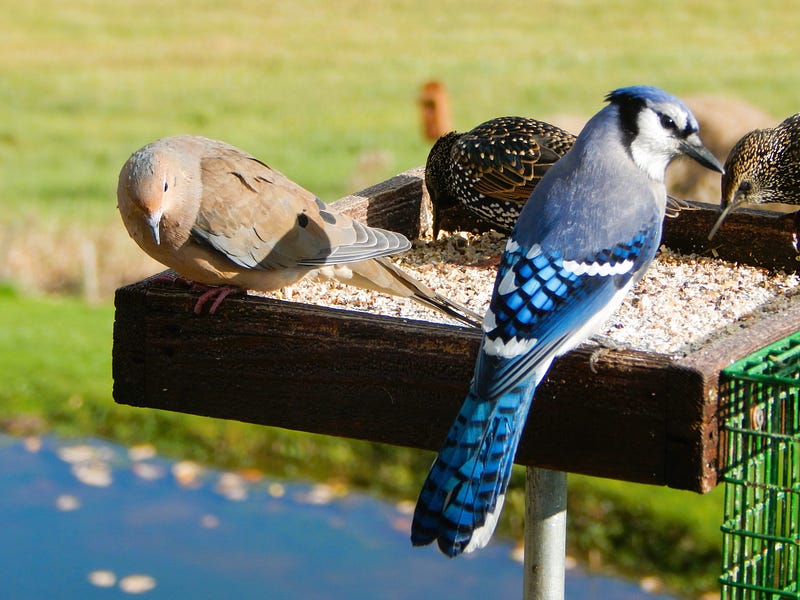
Mourning Dove, European Starlings, and Blue Jay on the Platform Feeder/Author Photo

Welcome back. It’s that time of the year. The calendar has turned to November, and today we saw our first snowflakes of the season here in Central NY State.
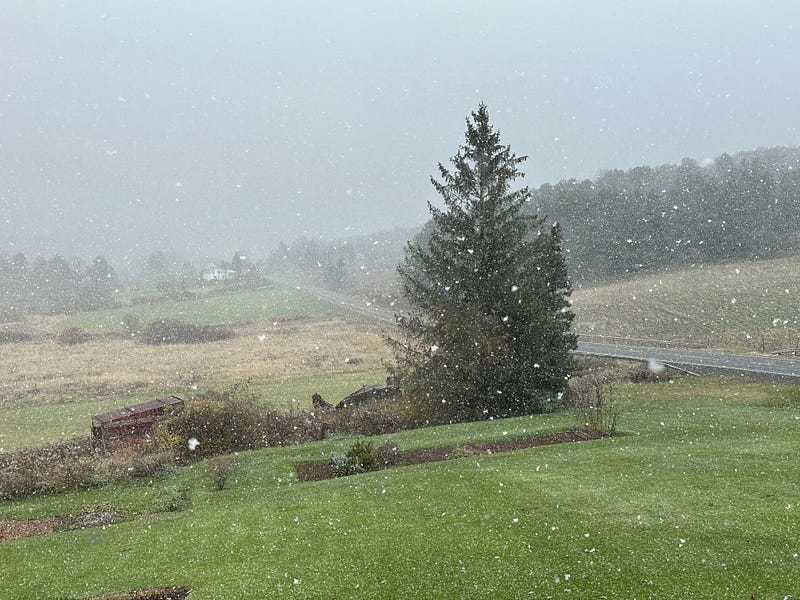
Snowflakes Flying at My House Today, November 1, 2023/Author photo

Colder weather also brings birds back to the feeders; have you set yours up yet for the Fall/Winter? If you haven't, I recently wrote an article regarding this topic:

Luckily, I recently got mine ready for the long birdwatching season ahead.

Project FeederWatch

I have been participating in this project for many years. It is a fun project and you can participate as little or as much as you want. The cost is only $18 for the season which includes a nice poster and calendar if you elect to have them mailed to you.
Courtesy of ProjectFeederWatch

Project FeederWatch began back in the 1970s in Canada as the Ontario Bird Feeder Survey. After 10 years or so, they reached out to the Cornell Lab of Ornithology to produce a survey that covered all of North America. It is now a joint venture between the Cornell Lab of Ornithology and Birds Canada. This project has gone from 4,000 participants in the late 1980s to more than 20,000 today.
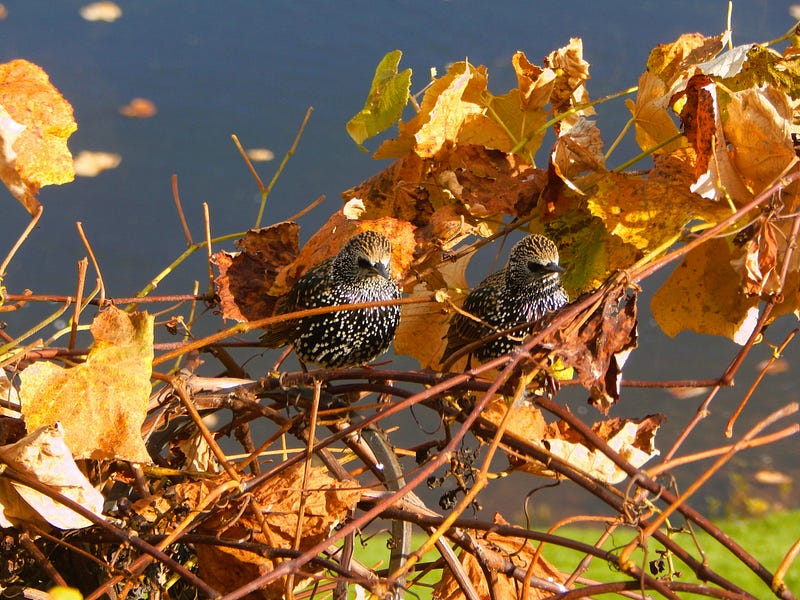
Juvenile European Starlings in the Grapevine/Author Photo

The following video will give you some background for this project:

From the Project FeederWatch website:

  1. Sign upIf you have not yet signed up, join today! During the season, it takes a few weeks from when you sign up for print materials to arrive, but you can begin counting right away.
  2. Select your count site — Choose a portion of your yard that is easy to monitor, preferably an area that is visible from one vantage point. Even if you don’t provide feeders, you can still count birds for FeederWatch.
  3. Choose your count days — Project FeederWatch runs from November 1 through April 30. For each count, select two consecutive days as often as once a week. We recommend that you leave at least five days when you do not count between each of your two-day counts. Counting less often is fine. Even if you only count once all season, your data are valuable.
  4. How to count — Watch your count site as much or as little as you want during each two-day count. For every species you can identify, record the maximum number of individuals visible simultaneously during your two-day count. Keep one running tally across both days. This way you won’t count the same bird twice.
  5. What to count — Count all birds you see in your count site during the day that are attracted to resources that you provide, even if they don’t visit feeders, but ignore birds that simply fly over your count site.
  6. Optional additional data — There are several types of additional information you can record and submit with your bird counts: 1) mammals that you see in your count site, 2) sick birds and bird mortality, 3) behavioral interactions and predation events, 4) management activities that you do at your site, and 5) feelings about things you see during your counts.
  7. Report your counts — Submit counts through the Your Data section of our website or the FeederWatch mobile app.

Even if you don’t have a feeder you can participate! If your budget is tight and you don’t have a feeder and/or bird seed, you still can count and report the birds you see at your count site.

I will start this Saturday/Sunday with my first count for the season. I normally count on weekends but you can choose any 2 consecutive days, as long as they are 5 days apart.
Courtesy of ProjectFeederWatch

A Great Family Activity

Birdwatching is a great family activity. It is something you can do together with your kids, grandkids, elderly parents, almost anyone. It is relaxing and has many positive health benefits including lowering blood pressure.

So sign up today for this important and enjoyable project, and get your feeders set up and ready to go. You’ll be glad you did.

Stay tuned for my count results.

Birds
Photography
Science
Nature Photography
Life
Recommended from ReadMedium